Are you struggling with missing teeth or an ill-fitting denture? Have you heard about dental implants as a life-changing solution and are now wondering about the price tag, especially for a comprehensive treatment like replacing a full arch with just four implants? If you’re searching for clarity on the “cost of 4 dental implants” in 2025, you’ve come to the right place. I understand that investing in your smile and oral health is a big decision, and the financial aspect is often the first concern. That’s why I’m here to break down everything you need to know about what these procedures entail and what you can expect to pay for them this year. Let’s dive in and demystify the numbers together!
Read more:-Unveiling the Cost of 3 Dental Implants in 2025: Your Comprehensive Guide
Key Takeaways
- Understanding “4 Dental Implants” Usually Means All-on-4: When people refer to the cost of 4 dental implants for a full arch, they are typically talking about the “All-on-4” treatment concept, which replaces an entire set of upper or lower teeth with a fixed bridge supported by four strategically placed implants.
- Cost Varies Widely (Typically $20,000 – $40,000+ per arch in 2025): The total cost for 4 dental implants (All-on-4) can range significantly, usually falling between $20,000 and $40,000 or even more per arch (upper or lower). This range depends on many factors like location, materials, and complexity.
- Comprehensive Package Pricing: The listed cost for All-on-4 often includes the implants, abutments, the fixed prosthetic bridge (new teeth), and the surgical procedure. However, additional procedures like extractions or bone grafting can add to the total.
- Factors Influencing Price: Key factors affecting the final bill include the materials used for the prosthetic (e.g., acrylic vs. zirconia), the dentist’s experience, geographic location, and any necessary preliminary treatments.
- Financing Options Are Available: Don’t let the upfront cost deter you. Many dental practices offer payment plans, and there are options like dental loans, medical credit cards, and leveraging HSAs/FSAs to make this life-changing investment more manageable.
Understanding Dental Implants and the All-on-4 Concept
Before we delve into the numbers, let’s make sure we’re on the same page about what dental implants are and why four of them are often grouped together.
What Are Dental Implants? 🦷
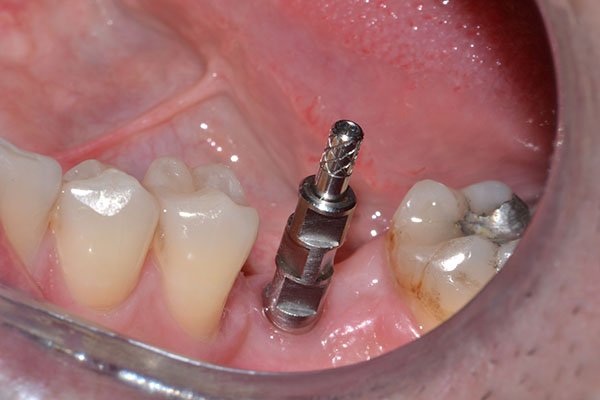
Simply put, a dental implant is a small, screw-shaped post, usually made of titanium. It’s surgically placed into your jawbone, acting as an artificial tooth root. Over time, this implant fuses with your bone in a process called osseointegration, creating a strong and stable foundation. Once integrated, an abutment (a connector) is attached, and then a crown, bridge, or denture is placed on top, restoring your smile’s function and appearance.
Dental implants are widely considered the gold standard for tooth replacement because they:
- Look and feel like natural teeth.
- Restore chewing ability.
- Prevent bone loss in the jaw.
- Are durable and can last a lifetime with proper care.
Why 4 Implants? Introducing the All-on-4® Treatment Concept
When people ask about the “cost of 4 dental implants,” they are almost always referring to a specific and highly effective treatment called the All-on-4® dental implant concept. This innovative technique is designed to replace an entire arch of missing teeth (either upper or lower) using only four strategically placed dental implants.
Instead of needing one implant for every missing tooth, or even 6-8 implants for a full arch, the All-on-4 system uses four implants that are carefully angled to maximize contact with your existing jawbone. This approach often means:
- Less bone grafting: For many patients, the angled placement avoids areas of the jawbone that might have deteriorated, reducing or eliminating the need for costly and time-consuming bone grafting procedures.
- Faster results: In many cases, a temporary set of new teeth can be attached to the implants on the same day as the surgery, meaning you can leave the office with a functional and aesthetic smile almost immediately. This is often referred to as “teeth in a day.”
- Fixed solution: Unlike traditional dentures that can slip and click, the All-on-4 bridge is permanently fixed in your mouth, offering superior stability, comfort, and chewing power.
This treatment has truly revolutionized full-arch tooth replacement, offering a stable and long-lasting alternative to traditional dentures. It’s an incredible option for those who have lost most or all of their teeth in an arch due to decay, gum disease, or injury.
“The All-on-4 concept offers a stable, long-term solution for full arch tooth replacement, often allowing patients to leave with a new smile on the very same day.”
Breaking Down the Cost: What’s Included in 4 Dental Implants (All-on-4)?
Understanding the overall cost requires knowing what goes into the treatment. It’s not just the four implants themselves; it’s a comprehensive package of services, materials, and expertise. When you receive a quote for the cost of 4 dental implants (All-on-4) in 2025, it typically includes several key components:
1. Initial Consultation and Diagnostics 📋
This is where your journey begins. It’s a crucial step to determine if you’re a good candidate for the procedure.
- Exam and Consultation: The dentist will assess your oral health, discuss your goals, and explain the treatment options.
- X-rays and 3D CT Scans: These imaging tests are vital for evaluating your jawbone density, identifying nerve locations, and planning the precise placement of the implants.
- Treatment Planning: The dental team uses the diagnostic information to create a detailed, customized treatment plan just for you.
2. The Dental Implants Themselves 🔩
These are the titanium posts that act as your new tooth roots.
- Implant Material: High-quality titanium is standard, but some specialized materials or brands might have different costs.
- Implant Brand: There are many reputable implant manufacturers, and their products can vary in price. Your dentist will choose the best brand for your specific needs.
3. Surgical Placement of the Implants 🔪
This is the procedure where the four implants are surgically placed into your jawbone.
- Surgeon’s Fees: This covers the expertise of the oral surgeon or periodontist performing the surgery.
- Anesthesia: Depending on your comfort level and the complexity of the case, you might choose local anesthesia, oral sedation, IV sedation, or even general anesthesia. Each has a different cost.
- Surgical Guides: In some cases, precise surgical guides (fabricated from your 3D scans) are used to ensure accurate implant placement, which can add to the cost.
4. Abutments 🔗
Abutments are the small connector pieces that attach to the implants and extend above the gum line. They serve as the base for your new teeth.
- Material: Abutments can be made from titanium, zirconia, or other materials.
- Customization: Sometimes, custom-made abutments are necessary for optimal fit and aesthetics, which can be more expensive than standard ones.
5. The Prosthetic Arch (New Teeth/Bridge) 🌉
This is the most visible and often the most significant part of the cost. It’s the full set of new teeth that will be attached to your four implants.
- Temporary Prosthesis: In many All-on-4 cases, you’ll receive a temporary set of teeth immediately after implant placement. This allows you to have a functional and aesthetic smile while your implants heal and integrate with your bone.
- Final Prosthesis Material: This is a major cost driver. Common materials include:
- Acrylic with a Titanium Bar: This is a popular and often more affordable option. It provides good aesthetics and function.
- Zirconia: This is a premium, highly durable, and aesthetic material that mimics natural tooth enamel beautifully. It’s stronger and more stain-resistant than acrylic but also more expensive.
- Porcelain Fused to Metal (PFM): Less common for full arches now, but still an option.
- Laboratory Fees: A skilled dental lab custom-fabricates your prosthetic arch, and their expertise and materials contribute significantly to the overall cost.
6. Follow-up Appointments and Post-Surgical Care 🩺
Your dental team will want to monitor your healing and ensure everything is progressing well.
- Check-ups: Regular visits to ensure the implants are integrating correctly and your temporary/final prosthesis fits well.
- Adjustments: Any necessary adjustments to your new teeth or bite.
7. Potential Additional Procedures (If Needed) ➕
Sometimes, additional treatments are required to prepare your mouth for the implants. These are not always included in the initial “All-on-4 package price” and can add significantly to the overall cost.
- Tooth Extractions: If you have existing failing teeth that need to be removed before implant placement.
- Bone Grafting: While All-on-4 often reduces the need for extensive bone grafting, some patients may still require minor grafting to ensure sufficient bone volume and density.
- Sinus Lift: If implants are needed in the upper jaw where the sinus cavity is too close to the bone, a sinus lift might be necessary to create more space.
- Gum Disease Treatment: If active gum disease is present, it must be treated before implant surgery.
It’s crucial to get a detailed breakdown from your dental provider so you know exactly what your quote includes and what might be an additional charge.
Estimated Cost Range for 4 Dental Implants (All-on-4) in 2025
Now for the big question: what is the actual cost of 4 dental implants in 2025? It’s important to understand that this is a significant investment, and prices can vary dramatically based on the factors I’ll discuss shortly. However, I can provide a general range to help you prepare.
For a full arch (either upper or lower) using the All-on-4 concept, you can expect the cost to typically fall within the following range in 2025:
| Component | Low Estimate (per arch) | Average Estimate (per arch) | High Estimate (per arch) |
|---|---|---|---|
| All-on-4 Treatment (Implants, Abutments, Fixed Prosthesis, Surgery, Temps) | $20,000 | $27,000 – $35,000 | $40,000+ |
| Potential Additional Procedures (e.g., bone grafting, extractions) | $500 – $5,000+ | $1,000 – $7,000+ | $2,000 – $10,000+ |
| Total Estimated Range (per arch) | $20,000 – $25,000 | $28,000 – $42,000 | $40,000 – $50,000+ |
Important Considerations for these Estimates:
- Per Arch: These figures are for one arch (either your upper or lower jaw). If you need both arches treated, you would essentially double these costs.
- Acrylic vs. Zirconia: The type of final prosthetic material is a major factor. Acrylic prosthetics tend to be on the lower end of the range, while high-quality zirconia can push the cost towards the higher end.
- Geographic Location: Costs are significantly influenced by where you live. Major metropolitan areas or regions with a higher cost of living will generally have higher prices.
- Dentist’s Expertise: Highly experienced surgeons or those with specialized training in implantology may charge more for their services.
- What’s Included: Always confirm what your quote includes. Some clinics offer “all-inclusive” packages, while others itemize every single component.
“While the cost of 4 dental implants may seem daunting, remember it’s an investment in your long-term health, comfort, and confidence that can last for decades.”
Factors Influencing the Cost of 4 Dental Implants
As you can see, the price range is quite broad. Let’s explore the key factors that contribute to this variation, so you can better understand why different clinics might quote different prices.
1. Geographic Location 🌎
Dental costs, like many other services, vary significantly by region.
- Urban vs. Rural: Practices in major cities or affluent areas typically have higher overheads (rent, staff salaries) and therefore higher prices than those in suburban or rural locations.
- State/Country: Costs can differ dramatically from one state to another, and even more so if you consider dental tourism options in other countries.
2. Dentist’s Experience and Expertise 👩⚕️
The skill and reputation of your dental provider play a big role.
- Specialists: Oral surgeons, periodontists, and prosthodontists who specialize in implant dentistry often have more advanced training and experience, leading to higher fees.
- General Dentists: While many general dentists perform implant procedures, a specialist typically handles more complex cases. Their expertise can justify a higher cost, ensuring a successful outcome.
3. Materials Used ⚙️
The quality and type of materials for both the implants and the prosthetic teeth impact the price.
- Implant Brand: There are many implant manufacturers (e.g., Nobel Biocare, Straumann, Zimmer Biomet). Premium brands with extensive research and long-term success rates often come with a higher price tag.
- Prosthetic Material: As mentioned, acrylic bridges are generally less expensive than those made from high-strength zirconia. Zirconia offers superior aesthetics, durability, and resistance to chipping or staining but costs more.
4. Complexity of Your Case 🤯
Not all mouths are created equal! Your individual oral health needs can significantly affect the cost.
- Need for Extractions: If you have multiple failing teeth that need to be removed before implant placement.
- Bone Grafting/Sinus Lift: If you have insufficient jawbone density, additional procedures to build up the bone are necessary, adding time and cost.
- Gum Disease Treatment: Active periodontal disease must be resolved before implant surgery, which incurs additional treatment costs.
5. Type of Anesthesia 😴
The level of sedation you choose or require will affect the cost.
- Local Anesthesia: Included in most procedures.
- Oral Sedation: Pills to help you relax, an additional cost.
- IV Sedation: Administered intravenously by an anesthesiologist, offering deeper relaxation, but significantly more expensive.
- General Anesthesia: Puts you completely to sleep, typically the most expensive option.
6. Dental Laboratory Fees 🧪
Crafting a custom, high-quality prosthetic arch is an art form.
- Skilled Technicians: The fees charged by the dental laboratory reflect the expertise of the technicians and the advanced technology (e.g., CAD/CAM) used to create a perfectly fitting and aesthetic bridge.
- Customization: Highly customized prosthetics that perfectly match your facial features and desired aesthetics will likely cost more.
Comparing Options: 4 Implants vs. Other Solutions
It’s helpful to compare the cost of 4 dental implants (All-on-4) with other tooth replacement options to understand the long-term value.
Traditional Dentures (Removable)
- Upfront Cost: Much lower, often ranging from $1,500 to $8,000 per arch in 2025.
- Pros: Most affordable initial option.
- Cons: Can slip, click, make chewing difficult, require adhesives, don’t prevent bone loss, need regular relines/replacements (every 5-7 years), and can affect speech. Long-term, these recurring costs can add up.
Traditional Bridges (Fixed, but supported by natural teeth)
- Upfront Cost: For a bridge replacing 3-4 teeth, it might be $3,000 – $10,000+, depending on material and number of units. This is not suitable for a full arch replacement.
- Pros: Fixed solution, looks natural.
- Cons: Requires grinding down healthy adjacent teeth for support, those supporting teeth become vulnerable to decay, and the underlying bone can still deteriorate.
Individual Implants (One implant per tooth)
- Upfront Cost: A single implant with a crown typically ranges from $3,000 to $6,000+. Replacing an entire arch with individual implants would mean 8-14 implants, leading to a much higher cost (potentially $24,000 – $84,000+ per arch) and more extensive surgery.
- Pros: Most natural feeling and looking, preserves individual tooth structure.
- Cons: Much higher cost and longer treatment time for full arch replacement, requires more bone volume.
Why All-on-4 Offers Great Value 🌟
While the initial cost of 4 dental implants (All-on-4) is higher than traditional dentures, it offers a superior, fixed, and long-lasting solution. When you factor in the improved quality of life, enhanced chewing ability, prevention of bone loss, and the fact that they can last for decades (potentially a lifetime), the long-term value often far outweighs the initial expense. You avoid the recurring costs, discomfort, and limitations associated with traditional dentures.
Financing Your 4 Dental Implants in 2025
I know that the cost of 4 dental implants can seem substantial. However, many patients find ways to make this life-changing investment affordable. Don’t let the upfront price deter you from exploring this option. Here are several financing avenues to consider in 2025:
1. Dental Insurance 🛡️
- Limited Coverage: Most dental insurance plans do not fully cover the cost of dental implants, as they often categorize them as cosmetic or “major” procedures.
- Partial Coverage: However, your insurance might cover portions of the treatment, such as:
- Initial consultation and diagnostic X-rays.
- Tooth extractions.
- Bone grafting (if deemed medically necessary).
- A portion of the prosthetic (the bridge itself).
- Check Your Plan: Always contact your insurance provider directly to understand your specific benefits and limitations regarding implant dentistry.
2. Payment Plans and In-House Financing 🤝
- Dental Office Options: Many dental practices understand the financial burden and offer their own in-house payment plans. These might involve an initial down payment followed by monthly installments, often with little to no interest.
- Discuss with Your Provider: Don’t be afraid to discuss your financial concerns with your dentist’s office. They often have solutions or can connect you with third-party financing options.
3. Dental Loans and Medical Credit Cards 💳
- Specialized Credit: Companies like CareCredit or LendingClub offer credit cards or loans specifically for healthcare expenses. They often provide promotional periods with deferred interest or low-interest payment plans.
- Traditional Bank Loans: You might also consider a personal loan from your bank or credit union, which can be used for any purpose, including dental work.
4. Health Savings Accounts (HSAs) & Flexible Spending Accounts (FSAs) 💰
- Tax-Advantaged Savings: If you have an HSA or FSA through your employer, you can use these tax-free funds to pay for qualified medical and dental expenses, including dental implants.
- Plan Ahead: If you’re considering implants, planning to contribute the maximum to these accounts in 2025 can be a smart strategy.
5. Dental Schools 🎓
- Lower Costs: Dental schools often offer treatments at a reduced cost compared to private practices. These procedures are performed by students under the close supervision of experienced faculty members.
- Potential Drawbacks: Treatment might take longer due to the teaching environment, and appointment availability can be limited.
6. Traveling Abroad (Dental Tourism) ✈️
- Reduced Prices: In some countries, the cost of dental implants can be significantly lower due to different economic factors and lower labor costs.
- Considerations: While seemingly attractive, dental tourism comes with potential risks, including language barriers, differences in sterilization standards, limited recourse if complications arise, and the added cost and time commitment of travel. Always do thorough research if considering this option.
“Exploring all your financing options is key to making the cost of 4 dental implants manageable. Don’t hesitate to ask your dental office about their payment plans or recommended third-party lenders.”
Is the Investment Worth It? Long-Term Benefits of 4 Dental Implants
When considering the cost of 4 dental implants, it’s essential to look beyond the initial price tag and focus on the incredible long-term benefits these implants offer. For many, it’s not just a dental procedure; it’s an investment in their overall health, confidence, and quality of life.
1. Improved Oral Health and Chewing Ability 😄
- Eat What You Love: With a fixed bridge supported by implants, you can enjoy all your favorite foods again – crunchy apples, steak, corn on the cob – without worry. Your chewing power will be significantly restored.
- Better Digestion: Proper chewing is the first step in digestion. Improved chewing means better nutrient absorption and overall digestive health.
- No More Sore Gums: Unlike traditional dentures that can rub and cause sores, implants are stable and comfortable.
2. Enhanced Aesthetics and Confidence ✨
- Natural Look and Feel: All-on-4 prosthetics are custom-made to look incredibly natural, blending seamlessly with your facial features.
- Boosted Self-Esteem: A beautiful, stable smile can dramatically improve your confidence in social situations, at work, and in your daily interactions. You’ll want to smile, laugh, and speak without hesitation.
3. Durability and Longevity 🕰️
- Built to Last: Dental implants are designed to be a permanent solution. With proper oral hygiene and regular dental check-ups, the implants themselves can last a lifetime.
- Long-Lasting Prosthesis: While the prosthetic bridge might need maintenance or replacement after 10-15 years (depending on material and care), the underlying implants are built for decades of service. This makes them a more cost-effective solution over time compared to frequently replacing traditional dentures.
4. Bone Preservation 🦴
- Preventing Jawbone Loss: One of the most significant advantages of dental implants is their ability to stimulate the jawbone. When teeth are missing, the jawbone naturally begins to resorb (shrink). Implants act like natural tooth roots, providing the stimulation needed to prevent this bone loss, preserving your facial structure and preventing a “sunken” appearance.
- Maintaining Facial Structure: By preventing bone loss, implants help maintain the natural contours of your face, keeping you looking younger.
5. Comfort and Convenience 😌
- Fixed Solution: Unlike removable dentures, All-on-4 prosthetics are permanently fixed in your mouth. There’s no need for messy adhesives, no slipping, and no taking them out at night.
- Easy Care: You clean your implant-supported bridge much like natural teeth – with regular brushing and flossing, and routine dental visits.
When you weigh these profound benefits against the cost, many people find that the investment in 4 dental implants (All-on-4) is one of the best decisions they’ve ever made for their health and happiness.
My Advice: Questions to Ask Your Dentist During Consultation
As you consider the cost of 4 dental implants in 2025, the most important step is to schedule a thorough consultation with an experienced implant dentist or oral surgeon. This is your opportunity to get personalized information and a precise quote. Here are some crucial questions I recommend asking:
- What is the total estimated cost for my All-on-4 treatment for one (or both) arches?
- Follow-up: Can you provide a detailed, itemized breakdown of all fees?
- What does this total cost include?
- Specifically ask about: Initial diagnostics (X-rays, CT scans), implant placement surgery, the implants themselves, abutments, temporary prosthesis, final prosthesis (and its material), anesthesia, follow-up appointments, and any necessary extractions or bone grafting.
- Are there any potential additional costs that might arise during treatment?
- Understanding potential surprises upfront is crucial.
- What type of materials will be used for my implants and my final prosthetic bridge (e.g., acrylic, zirconia)? What are the pros and cons of each, and how do they affect the price?
- What are my payment options? Do you offer in-house financing, or do you work with third-party lenders (like CareCredit)?
- How much, if any, of this procedure is typically covered by dental insurance? Will your office help me submit claims?
- What is your experience and success rate with the All-on-4 procedure? How many of these procedures do you perform annually?
- What is the estimated timeline for the entire treatment process, from start to finish?
- What kind of warranty or guarantee do you offer on the implants and the prosthetic?
- What are the post-operative care instructions, and what ongoing maintenance will be required for my new teeth?
Asking these questions will help you gain a clear understanding of the financial commitment, the treatment process, and the expertise of your chosen dental team. Don’t be shy; this is a significant decision, and you deserve to have all your questions answered thoroughly.
Conclusion
Navigating the “cost of 4 dental implants” in 2025 can seem complex, but I hope this comprehensive guide has shed some light on what to expect. While the investment for an All-on-4 full arch solution typically ranges from $20,000 to $40,000+ per arch, remember that this isn’t just a cost; it’s an investment in a healthier, happier, and more confident you.
The long-term benefits of improved chewing, enhanced aesthetics, bone preservation, and a fixed, comfortable smile often far outweigh the initial expense when compared to the ongoing challenges and limitations of other tooth replacement options. With various financing solutions available, achieving your dream smile is often more attainable than you might think.
Your next best step is to schedule a consultation with a qualified dental professional. They can provide a personalized examination, discuss your specific needs, and give you an accurate, detailed quote tailored just for you. Don’t wait to take the first step towards transforming your smile and reclaiming your quality of life. You deserve to smile with confidence in 2025 and beyond!