Have you ever found yourself covering your mouth when you laugh, or avoiding certain foods because of missing teeth? I understand that feeling. The impact of missing teeth, especially in the upper jaw, goes beyond just appearances; it can affect your speech, your ability to chew comfortably, and even your overall confidence. You’re likely here because you’re considering a permanent solution, and dental implants have caught your eye. They are truly a game-changer, offering a natural-looking and feeling replacement for lost teeth.
However, one of the first questions that comes to mind for many people, myself included, is: “What is the cost of upper dental implants?” It’s a significant investment, and it’s completely natural to want a clear understanding of what you’re getting into. That’s why I’ve put together this comprehensive guide for you. In this article, I’ll walk you through everything you need to know about the cost of upper dental implants in 2025, from what influences the price to financing options and why this investment is often worth every penny. My goal is to empower you with the knowledge to make an informed decision about your oral health and your smile.
Read More:-Average Cost of 1 Dental Implant
Key Takeaways
- Varying Costs: The cost of upper dental implants in 2025 can range significantly, from approximately $3,000 for a single implant to over $30,000 for a full arch, depending on individual needs and treatment complexity.
- Factors Influence Price: Key factors affecting the total cost include the number of implants, type of materials, geographic location, the need for preparatory procedures like bone grafts or sinus lifts, and the dentist’s experience.
- Preparatory Procedures are Common: Due to the anatomy of the upper jaw (proximity to sinuses, potentially less bone density), procedures like sinus lifts and bone grafting are frequently needed, adding to the overall expense.
- Long-Term Investment: While the initial cost can be high, upper dental implants offer exceptional durability, comfort, and aesthetic benefits, making them a valuable long-term investment compared to temporary solutions.
- Financing & Insurance: Many dental insurance plans may cover portions of the treatment (like diagnostics or preparatory work), and various financing options, including payment plans and third-party lenders, are available to help manage the cost.
Understanding Upper Dental Implants
Before we dive into the numbers, let’s first clarify what we mean by “upper dental implants.”
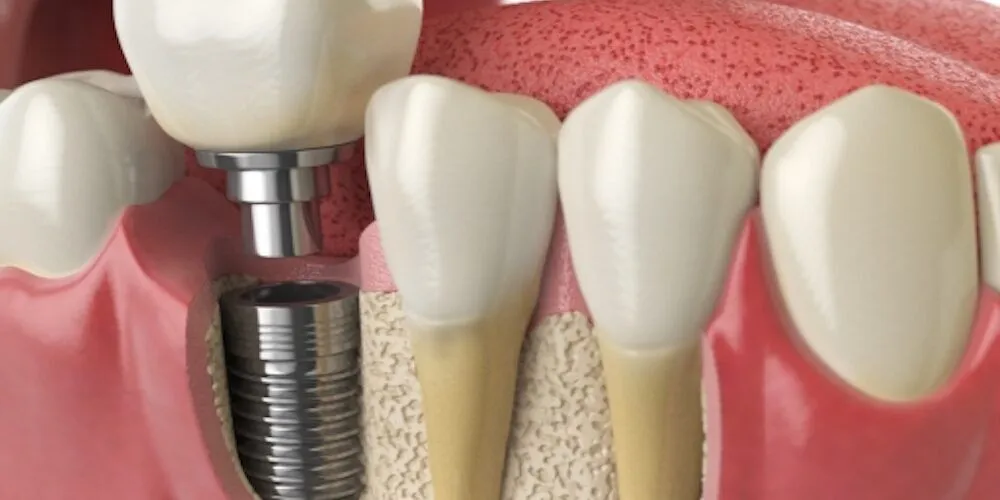
A dental implant is essentially a small, screw-shaped post, usually made of titanium, that acts as an artificial tooth root. It’s surgically placed into your jawbone, where it fuses with the bone over time in a process called osseointegration. Once healed, this implant post provides a sturdy foundation for a replacement tooth or teeth.
The upper jaw presents unique considerations for implant placement. It’s often referred to as the maxilla, and it’s home to your maxillary sinuses, which are air-filled spaces located above your upper back teeth. The bone density in the upper jaw can also sometimes be less robust than in the lower jaw. These anatomical differences can influence the complexity and, consequently, the cost of upper dental implants.
Components of a Dental Implant System
When we talk about a dental implant, we’re actually referring to a system with three main parts:
- The Implant Post (Fixture): This is the titanium screw that’s surgically placed into your jawbone. It’s the “root” of your new tooth.
- The Abutment: A small connector piece that screws into the implant post. It extends above the gum line and serves as the attachment point for your new tooth.
- The Restoration (Crown, Bridge, or Denture): This is the visible part that looks and functions like a natural tooth. It could be a single crown, a multi-tooth bridge, or a full set of dentures that snap onto multiple implants.
Why Are Upper Dental Implants So Important?
Replacing missing teeth in your upper jaw is crucial for several reasons:
- Aesthetics: Your upper front teeth are highly visible when you smile and speak. Implants restore your natural smile, boosting your confidence. 🤩
- Functionality: They allow you to chew and bite properly, enjoying all your favorite foods without discomfort.
- Speech: Missing upper teeth can affect your speech patterns. Implants help restore clear pronunciation.
- Bone Preservation: When a tooth is lost, the jawbone beneath it can start to shrink. Implants stimulate the bone, preventing this bone loss and maintaining your facial structure.
- Stability: Unlike traditional dentures that can slip, implants provide a stable and permanent solution.
The Core Question: What is the Cost of Upper Dental Implants in 2025?
Let’s get straight to the point. The cost of upper dental implants isn’t a single, fixed number. It’s a range that depends heavily on your individual needs, the complexity of your case, and where you live. However, I can give you some general estimates for 2025 to help you budget.
Generally, a single dental implant in the upper jaw can range from $3,000 to $6,000 or more per tooth. This figure typically includes the implant post, abutment, and a high-quality crown.
However, this is just the starting point. Many patients require additional procedures, especially for upper implants, which can significantly impact the final cost. We’ll break down these additional factors in detail shortly.
For cases involving multiple missing teeth or even a full arch of missing upper teeth, the cost will naturally be higher.
“Understanding the ‘all-in’ cost requires a personalized consultation. Don’t rely solely on single-implant estimates if your case involves more complexity.”
General Cost Ranges for Upper Dental Implants (Estimates for 2025)
To give you a clearer picture, here’s a rough breakdown of costs you might expect for different scenarios:
| Type of Upper Dental Implant Treatment | Estimated Cost Range (USD, 2025) | What’s Included (Generally) |
|---|---|---|
| Single Upper Dental Implant | $3,000 – $6,000+ per tooth | Implant post, abutment, crown |
| Implant-Supported Bridge (e.g., 2 implants supporting 3-4 teeth) | $6,000 – $20,000+ | 2-3 implant posts, abutments, custom bridge |
| Full Arch Upper Implants (e.g., All-on-4/6) | $15,000 – $30,000+ per arch | 4-6 implant posts, custom fixed prosthetic arch |
| Zygomatic Implants (Complex Full Arch) | $30,000 – $50,000+ per arch | Specialized longer implants, custom fixed prosthetic arch |
Please remember these are estimates. Your actual cost will be determined after a thorough examination by a dental professional.
Factors Influencing the Cost of Upper Dental Implants
Now, let’s explore the various elements that contribute to the final cost of upper dental implants. Understanding these factors will help you see why prices can vary so widely.
1. Number of Implants Needed
This is perhaps the most obvious factor.
- Single Implant: Replacing one tooth requires one implant, one abutment, and one crown.
- Multiple Implants: If you’re missing several teeth in a row, you might need an implant-supported bridge, which typically uses two or more implants to support multiple crowns.
- Full Arch Implants (e.g., All-on-4, All-on-6): For an entire upper arch of missing teeth, a common solution is All-on-4 or All-on-6, where a full set of prosthetic teeth is supported by four or six implants, respectively. This is a more extensive procedure and therefore carries a higher cost.
2. Type of Implant Material
While titanium is the most common material for implant posts due to its biocompatibility and strength, zirconia implants are also available.
- Titanium Implants: Generally more affordable and have a long track record of success.
- Zirconia Implants: A metal-free, ceramic option that some patients prefer, especially those with metal allergies or a strong preference for aesthetics. They can sometimes be more expensive.
3. Type of Prosthesis (Restoration)
The “tooth” part of your implant system can also vary in material and type:
- Crowns: Typically made of porcelain, ceramic, or zirconia. The material and customization affect the cost.
- Bridges: For multiple missing teeth, a bridge can be made from similar materials.
- Dentures: For full arch replacements, the prosthetic arch can be made from acrylic, porcelain, or zirconia. Fixed (non-removable) options are generally more expensive than removable, implant-supported dentures.
4. Geographic Location of the Clinic
Just like real estate, dental costs can vary significantly depending on where you live.
- Major Metropolitan Areas: Cities with a higher cost of living tend to have higher dental fees.
- Rural Areas: You might find slightly lower prices in less populated regions.
- Different Countries: Dental tourism is an option for some, but I advise caution and thorough research into quality and follow-up care.
5. Dentist’s Experience and Specialization
Highly experienced oral surgeons, periodontists, or prosthodontists who specialize in implant dentistry often charge more for their expertise. Their advanced training, specialized equipment, and higher success rates can justify a higher fee. It’s an investment in skill and peace of mind.
6. Diagnostic Procedures
Before any surgery, your dentist needs a clear picture of your oral health and bone structure. This involves:
- X-rays: Standard dental X-rays.
- 3D CT Scans (Cone Beam CT): Crucial for upper implants, these provide detailed images of your jawbone, nerve pathways, and the exact location of your sinuses, helping the dentist plan the implant placement precisely and identify any need for bone grafting or sinus lifts. These scans add to the initial cost.
7. Preparatory Procedures (Often Necessary for Upper Implants)
This is a significant area where the cost of upper dental implants can increase. Due to the unique anatomy of the upper jaw, preparatory procedures are very common.
a. Bone Grafting
If your jawbone isn’t thick or dense enough to support an implant, bone grafting is necessary. This involves adding bone material to the area to encourage new bone growth.
- Why it’s common in the upper jaw: Bone loss can occur after tooth extraction, and the upper jaw’s bone can naturally be less dense.
- Types of bone grafts:
- Autogenous: Bone taken from your own body (e.g., hip, chin).
- Allograft: Bone from a human donor.
- Xenograft: Bone from an animal source (e.g., cow).
- Synthetic: Man-made bone material.
- Cost: Bone grafting can add anywhere from $400 to $3,000 per site, depending on the extent and type of graft.
b. Sinus Lift (Sinus Augmentation)
This procedure is very specific to the upper back jaw. If you’re getting implants in your upper back teeth area and there isn’t enough bone height due to the proximity of your maxillary sinus, a sinus lift might be required.
- What it involves: The sinus membrane is gently lifted, and bone graft material is placed into the space to create new bone for the implant.
- Cost: A sinus lift can add $1,500 to $3,000 per sinus to the total cost.
c. Tooth Extractions
If you have damaged or decaying teeth that need to be removed before implant placement, the cost of extraction will be added.
- Cost: Simple extractions can be $75-$200 per tooth, while surgical extractions (for impacted teeth) can be $200-$600 or more per tooth.
d. Gum Disease Treatment
If you have active gum disease, it must be treated and resolved before implant surgery, as it can compromise the success of the implant. This could involve scaling and root planing or more advanced periodontal procedures.
8. Anesthesia
The type of anesthesia used during your procedure will also affect the cost.
- Local Anesthesia: Most common, usually included in the procedure cost.
- Sedation Dentistry: Oral sedation, nitrous oxide (laughing gas), or IV sedation can make the procedure more comfortable for anxious patients, but these come with an additional fee, ranging from $300 to $1,000+ depending on the type and duration.
- General Anesthesia: For very complex cases or extremely anxious patients, this is administered by an anesthesiologist and is the most expensive option.
9. Laboratory Fees
The custom fabrication of your crown, bridge, or full arch prosthesis is done by a dental laboratory. These fees are typically included in the overall cost quoted by your dentist but are a significant component. The quality of materials and the skill of the lab technician play a role here.
10. Follow-up Appointments and Maintenance
While the initial implant placement is a major part of the cost, don’t forget about post-operative care. This includes:
- Follow-up visits to monitor healing.
- Removal of sutures.
- Adjustments to the prosthesis if needed.
- Regular dental cleanings and check-ups to ensure the longevity of your implant.
“Many patients are surprised by the additional costs of preparatory procedures like bone grafts or sinus lifts. These are crucial for implant success, especially in the upper jaw, and should always be factored into your budget.” 💡
Why the Upper Jaw Can Be More Complex (and Potentially More Expensive)
I want to emphasize why the upper jaw often requires more intricate planning and can lead to higher costs for dental implants.
- Maxillary Sinus Proximity: As mentioned, the maxillary sinuses are located directly above your upper back teeth. Over time, or after tooth extraction, the sinus floor can drop, reducing the available bone height for implants. This frequently necessitates a sinus lift procedure.
- Bone Density: The bone in the upper jaw can sometimes be less dense than in the lower jaw. This can mean a longer healing time for the implant to fuse with the bone (osseointegration) or may require bone grafting to ensure sufficient stability for the implant.
- Aesthetic Zone: The upper front teeth are prominently displayed when you smile. Achieving perfect aesthetics in this “smile zone” requires meticulous planning, precise implant placement, and high-quality restorative materials, which can add to the expense.
Is the Investment Worth It? Benefits of Upper Dental Implants
After reviewing the potential cost of upper dental implants, you might be thinking, “Is it really worth it?” From my perspective, and from the experiences of countless patients, the answer is a resounding yes! While the upfront cost can be significant, the long-term benefits often far outweigh the initial investment.
1. Superior Aesthetics and Natural Appearance
Dental implants are designed to look, feel, and function like your natural teeth. The custom-made crowns are matched to your existing tooth color and shape, blending seamlessly with your smile. No one will know you have an implant unless you tell them! ✨
2. Enhanced Functionality
Unlike dentures that can slip or cause discomfort, implants are permanently anchored in your jaw. This means you can:
- Eat all your favorite foods without worry. 🍎🥩
- Speak clearly and confidently.
- Bite and chew with the same force as natural teeth.
3. Bone Preservation
This is a critical, often overlooked, benefit. When you lose a tooth, the jawbone beneath it no longer receives stimulation and begins to resorb (shrink). This bone loss can lead to:
- Changes in facial structure (a “sunken” appearance).
- Weakening of adjacent teeth.
- Difficulty wearing dentures.
Implants act as artificial tooth roots, providing the necessary stimulation to preserve your jawbone, maintaining your facial structure and oral health.
4. Durability and Longevity
With proper care and good oral hygiene, dental implants can last a lifetime. This makes them a highly durable and cost-effective solution in the long run compared to alternatives that may need to be replaced every 5-10 years.
5. Comfort and Convenience
Implants eliminate the discomfort and inconvenience associated with removable dentures, such as adhesives, sores, and cleaning hassles. They are a permanent part of your mouth.
6. Improved Oral Health
Unlike traditional bridges that require altering adjacent healthy teeth, implants stand alone, preserving the integrity of your natural teeth. They also make it easier to maintain good oral hygiene.
Comparison to Alternatives (Long-Term Value)
Let’s briefly compare implants to other tooth replacement options in terms of long-term value:
| Feature | Dental Implants | Traditional Bridge | Removable Dentures |
|---|---|---|---|
| Cost (Initial) | Higher | Moderate | Lower |
| Longevity | Can last a lifetime (with proper care) | 5-15 years, then needs replacement | 5-10 years, then needs replacement/relining |
| Bone Health | Preserves jawbone | Does not preserve bone beneath missing tooth | Accelerates bone loss |
| Adjacent Teeth | Does not affect adjacent teeth | Requires grinding down adjacent healthy teeth | Can put stress on remaining natural teeth |
| Comfort | Feels like natural teeth, very comfortable | Can feel bulky, food can get trapped | Can slip, cause sores, requires adhesives |
| Function | Full chewing power | Reduced chewing power | Significantly reduced chewing power |
| Maintenance | Regular brushing, flossing, dental check-ups | More difficult to clean under bridge | Requires daily removal, special cleaning solutions |
When you consider the long-term benefits, the superior comfort, function, aesthetics, and bone preservation, the cost of upper dental implants becomes an investment in your health and quality of life.
Insurance and Financing Options for Upper Dental Implants
I know that even with all the benefits, the upfront cost can still feel daunting. The good news is that there are several ways to make upper dental implants more affordable.
1. Dental Insurance Coverage
Most standard dental insurance plans typically do not cover the full cost of the dental implant itself (the post). However, this doesn’t mean your insurance is useless! Many plans do cover:
- Diagnostic procedures: X-rays, CT scans.
- Preparatory procedures: Tooth extractions, bone grafting, sinus lifts.
- The crown or bridge: The visible restoration portion.
My advice: Always contact your insurance provider directly to understand your specific policy’s coverage for dental implants. Ask for a detailed breakdown of what they will and won’t cover. Your dental clinic’s administrative staff can often help you navigate this process.
2. Payment Plans and Financing Options
Many dental practices understand the financial commitment involved and offer flexible payment solutions:
- In-house Payment Plans: Some clinics offer their own payment plans, allowing you to pay in installments over several months.
- Third-Party Financing: Companies like CareCredit or LendingClub partner with dental offices to provide healthcare financing. They offer various plans, including interest-free options for a certain period, followed by low-interest rates.
- Credit Cards: While not ideal due to potentially high-interest rates, a credit card can be an option if you have a low-interest card or plan to pay it off quickly.
3. Health Savings Accounts (HSAs) and Flexible Spending Accounts (FSAs)
If you have an HSA or FSA through your employer, you can use these tax-advantaged accounts to pay for dental implant procedures. This allows you to use pre-tax dollars, saving you money on the overall cost.
4. Dental Schools
Dental schools often offer high-quality care at a reduced cost because procedures are performed by students under the close supervision of experienced faculty. This can be an excellent option if you’re on a tight budget and don’t mind a potentially longer treatment timeline.
5. Dental Tourism
Some individuals explore dental tourism, traveling to other countries where dental procedures may be significantly cheaper. While this can reduce the initial cost, I urge extreme caution. Consider:
- The quality of care and materials used.
- The qualifications of the dentists.
- The difficulty of follow-up care or addressing complications if you’re in another country.
- Travel costs and time off work.
Questions to Ask Your Dentist During Consultation
When you’re ready to explore upper dental implants, a consultation with a qualified dental professional is the most crucial step. I recommend preparing a list of questions to ensure you get a clear understanding of the cost of upper dental implants and the entire treatment plan.
Here are some questions I would ask:
- What is the total estimated cost for my specific upper dental implant treatment? (Ask for a breakdown of all individual costs: implant, abutment, crown, diagnostic fees, preparatory procedures, anesthesia, etc.)
- What does this total cost include, and what might be separate fees? (e.g., post-operative medications, follow-up visits)
- Are there any potential additional costs I should be aware of that might arise during treatment? (e.g., if more bone grafting is needed than initially thought)
- What type of implant system and materials will you be using (e.g., titanium vs. zirconia, type of crown)?
- How many implants will be placed, and what type of restoration will be used (single crown, bridge, full arch)?
- Do I need any preparatory procedures, such as bone grafting or a sinus lift? If so, what are the costs and timelines for these?
- What anesthesia options are available, and what are their associated costs?
- What is your experience and success rate with upper dental implant procedures, particularly for cases similar to mine?
- What are the payment options available at your clinic? Do you offer in-house payment plans or work with third-party financing?
- How will you help me with my dental insurance claim, and what portion of the cost might my insurance cover?
- What is the estimated timeline for the entire treatment process, from start to finish?
- What are the potential risks and benefits of the procedure?
- What kind of warranty or guarantee do you offer on the implants and restorations?
Asking these questions will help you gather all the necessary information to make an informed decision and feel confident about your investment.
The Importance of a Personalized Consultation
I cannot stress enough the importance of a personalized consultation. While this article provides extensive information and general cost estimates for upper dental implants in 2025, your mouth is unique.
During your consultation, your dentist or oral surgeon will:
- Conduct a thorough examination of your mouth, gums, and remaining teeth.
- Take detailed X-rays and often a 3D CT scan to assess your jawbone density and volume, as well as the position of your sinuses and nerves.
- Discuss your medical history and any medications you are taking.
- Understand your aesthetic goals and functional needs.
- Develop a customized treatment plan tailored specifically for you.
Only after this comprehensive assessment can a dental professional provide you with an accurate and detailed quote for your cost of upper dental implants. This quote should include all aspects of the treatment, from diagnostics to the final restoration and follow-up care. Don’t hesitate to get a second opinion if you feel it’s necessary.
Conclusion
Deciding to get upper dental implants is a significant step towards restoring your smile, improving your oral health, and boosting your overall quality of life. As we’ve explored, the cost of upper dental implants in 2025 can vary widely, influenced by numerous factors such as the number of implants, the need for preparatory procedures like bone grafts or sinus lifts, the materials used, and the clinic’s location.
While the initial investment may seem substantial, I believe it’s essential to view dental implants as a long-term solution. Their unparalleled durability, natural appearance, comfort, and ability to preserve your jawbone make them a superior choice compared to temporary alternatives. They offer a lifetime of confident smiles and unrestricted chewing, making the investment truly worthwhile.
I encourage you to take the next step: schedule a personalized consultation with a qualified dental professional. They can provide you with an accurate assessment, a clear breakdown of costs, and discuss all available financing options. Your journey to a healthier, more confident smile begins with that conversation. Don’t let the initial cost deter you from exploring a solution that can profoundly impact your well-being. Your radiant smile is waiting! 😊
SEO Meta Title and Description
Meta Title: Upper Dental Implants Cost 2025: Your Guide & Financing
Meta Description: Discover the true cost of upper dental implants in 2025. My guide covers factors influencing price, financing, and why this investment in your smile is worth it.