Losing a tooth can feel like losing a piece of yourself. It affects how you eat, how you speak, and most profoundly, how you smile. For many years, options for replacing missing teeth were limited to bridges and dentures, which, while effective, often came with compromises. Then came dental implants – a revolutionary solution that truly changed the game, offering a permanent, natural-looking, and fully functional replacement. ✨
But as with any advanced medical procedure, one of the first questions that comes to mind for most people, myself included, is: “How much does it cost?” It’s a valid and important question, and often, the answer can seem a bit opaque. That’s why I’ve put together this comprehensive guide for 2025. My goal is to demystify the dental implant procedure cost, break down what influences it, and help you understand the true value of this life-changing investment. Let’s dive in!
Read more:-Unveiling the Cost of Dental Implant Removal in 2025: Your Comprehensive Guide.
Key Takeaways
- Cost Varies Widely: The price of a dental implant procedure isn’t fixed; it depends on many factors like the number of implants, preparatory work needed, location, and the dentist’s expertise.
- It’s an Investment, Not Just an Expense: While the upfront cost can seem significant, dental implants offer a long-term, durable solution that can last a lifetime, preventing future oral health issues.
- Comprehensive Breakdown: The total cost typically includes the implant post, abutment, crown, diagnostic scans, surgical fees, and any necessary preliminary procedures like bone grafts.
- Explore Payment Options: Dental insurance often covers parts of the procedure, and various financing plans, including third-party medical loans and in-house options, can make treatment more affordable.
- Long-Term Benefits Outweigh Initial Cost: Implants preserve bone, protect adjacent teeth, improve chewing and speech, and boost confidence, offering a superior quality of life compared to other tooth replacement options.
What Exactly Is a Dental Implant?
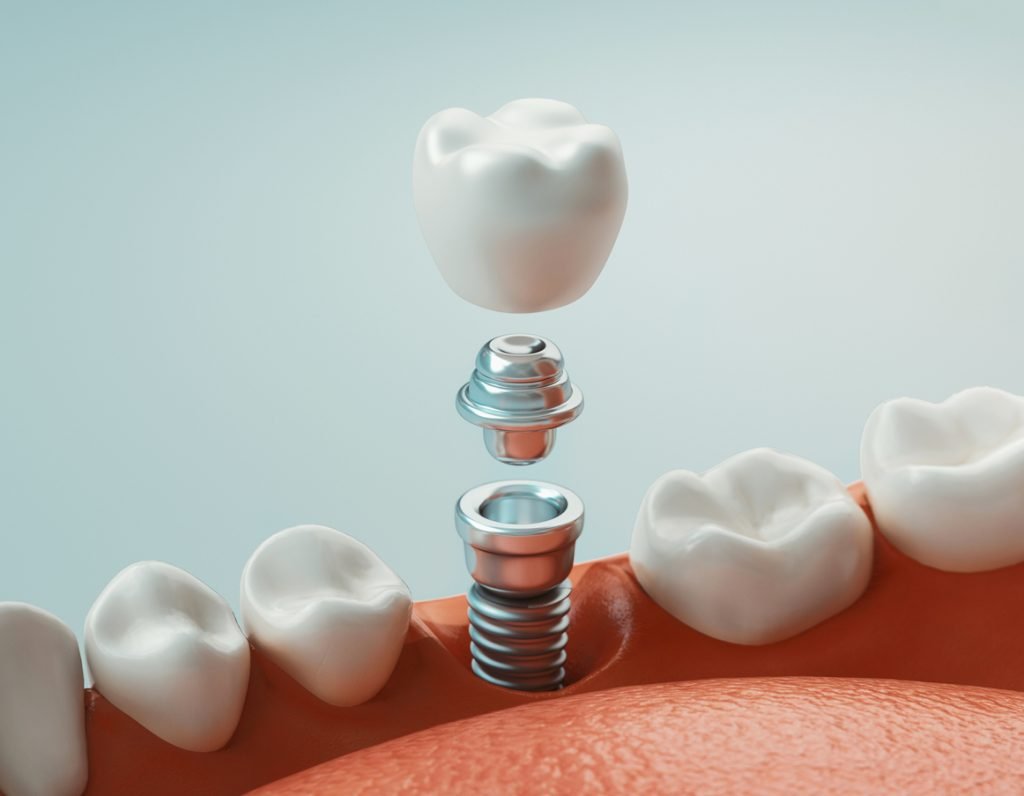
Before we talk about cost, let’s briefly understand what a dental implant actually is. Think of it as an artificial tooth root. It’s a small, screw-shaped post, usually made of titanium (a biocompatible material that our body accepts well), that a dentist surgically places into your jawbone. This post then fuses with your bone over several months in a process called osseointegration. 🦴
Once the implant is stable, an abutment is attached to it. This is a small connector piece that extends above the gum line. Finally, a custom-made crown (the part that looks like a tooth) is placed on top of the abutment. The result? A replacement tooth that looks, feels, and functions just like your natural teeth. It’s truly the gold standard for tooth replacement in 2025!
“A dental implant isn’t just a tooth replacement; it’s a foundation for a healthier, more confident smile that can last a lifetime.”
The Big Question: How Much Do Dental Implants Cost in 2025?
This is the million-dollar question, or rather, the several-thousand-dollar question. I wish I could give you one simple number, but the truth is, the cost of a dental implant procedure in 2025 can vary significantly.
Generally, for a single dental implant, including the implant post, abutment, and crown, you might expect a range anywhere from $3,000 to $6,000 or even up to $8,000 per tooth. This is a broad estimate, and it doesn’t even include potential preliminary procedures that might be necessary.
For more complex cases, such as replacing multiple teeth or a full arch (like the popular All-on-4 or All-on-6 procedures), the costs will naturally be much higher, potentially ranging from $15,000 to $30,000 or more per arch, depending on the complexity and materials used.
I know these numbers can seem daunting at first glance. However, it’s crucial to understand that you’re not just paying for a single item; you’re investing in a sophisticated medical procedure, high-quality materials, the expertise of skilled professionals, and a long-term solution to a significant health issue.
Factors Influencing Dental Implant Cost
So, why such a wide range? Many variables contribute to the final price tag. Understanding these factors will help you get a clearer picture of what to expect when you receive a quote from your dentist. Let’s break them down:
1. Number of Implants Needed
This is perhaps the most obvious factor. Replacing one tooth will naturally cost less than replacing several.
- Single Tooth Implant: This is the most straightforward and typically the least expensive per implant.
- Multiple Implants: If you need two or more implants to support a bridge (e.g., two implants supporting three or four crowns), the cost will increase proportionally, but sometimes the cost per crown can be slightly less than individual implants.
- Full Arch Implants (All-on-4/6/X): These procedures involve placing 4 to 6 (or more) implants to support a full set of teeth for an entire upper or lower jaw. These are comprehensive treatments and represent a significant investment.
2. Geographic Location
Just like real estate, the cost of dental procedures can vary depending on where you live. Dental practices in major metropolitan areas or regions with a higher cost of living generally have higher overheads (rent, staff salaries, utilities), which can translate to higher prices for treatment. Conversely, practices in smaller towns might offer slightly lower rates.
3. Dentist’s Expertise and Specialization
The experience and specialization of the dental professional performing your implant procedure can influence the cost.
- General Dentist: Some general dentists are trained and experienced in placing dental implants.
- Specialists: Oral surgeons, periodontists, and prosthodontists are specialists who have undergone additional years of training specifically in surgery, gum health, or tooth restoration. Their specialized knowledge and equipment often come with a higher fee, but can also lead to more predictable and successful outcomes, especially for complex cases. I always recommend seeking a highly experienced professional for such a vital procedure.
4. Diagnostic Procedures
Before any work begins, your dentist needs to thoroughly assess your oral health and bone structure. This typically involves:
- Initial Consultation: To discuss your needs and suitability for implants.
- X-rays: Standard dental X-rays provide a 2D view.
- 3D CT Scans (Cone Beam CT – CBCT): These advanced scans provide a detailed 3D image of your jawbone, nerves, and sinuses. This is crucial for precise implant placement and avoiding complications. The cost of these scans is usually separate from the implant procedure itself.
5. Preliminary Procedures (Pre-Implant Surgeries)
Many patients require additional procedures before an implant can be successfully placed. These can significantly add to the overall cost.
- Tooth Extraction: If the damaged tooth is still present, it will need to be extracted. The cost depends on the complexity of the extraction.
- Bone Grafting: This is one of the most common preliminary procedures. If your jawbone isn’t thick or dense enough to support an implant (often due to prolonged tooth loss), bone material needs to be added.
- Why it’s needed: Missing teeth can lead to bone resorption (the bone shrinking) over time.
- Types: Different types of bone grafts exist, including autografts (your own bone), allografts (donor bone), xenografts (animal bone), and synthetic grafts. The material and complexity influence the cost.
- Cost: Bone grafting can add anywhere from $400 to $3,000+ per site.
- Sinus Lift (Sinus Augmentation): If you need an implant in your upper jaw, particularly in the back, and there isn’t enough bone height due to the maxillary sinuses being too close to the jaw, a sinus lift might be necessary. This procedure involves lifting the sinus membrane and adding bone material. It’s a more complex form of bone grafting.
- Cost: A sinus lift can range from $1,500 to $3,000+ per side.
- Gum Disease Treatment: Active gum disease (periodontitis) must be treated and controlled before implant placement to ensure the long-term success of the implant.
- Other Procedures: Sometimes, soft tissue grafting (gum grafts) might be needed to improve the gum contour around the implant for better aesthetics or health.
6. Type of Anesthesia
The type of anesthesia used during the implant placement surgery will affect the cost.
- Local Anesthesia: Most common for single implants, where only the surgical area is numbed. This is often included or minimally charged.
- Oral Sedation: Pills taken before the procedure to help you relax.
- IV Sedation (Conscious Sedation): Administered intravenously to put you in a deeply relaxed state, often feeling like you’re asleep. This requires an anesthesiologist or a dentist with specialized training.
- General Anesthesia: You are completely unconscious. This is typically reserved for very complex cases or patients with extreme anxiety and is administered by an anesthesiologist, significantly increasing the cost.
7. Materials Used for the Implant, Abutment, and Crown
The quality and type of materials chosen play a role in the final price.
- Implant Post: While titanium is standard, some patients opt for zirconia implants, which are metal-free. Zirconia implants can sometimes be more expensive.
- Abutment: Can be standard (pre-fabricated) or custom-milled to perfectly fit your gum line and restoration. Custom abutments are typically more expensive but can offer better aesthetics and long-term gum health.
- Crown/Prosthesis: The visible part of the tooth.
- Material: Porcelain-fused-to-metal (PFM), all-ceramic (porcelain), or zirconia are common options. All-ceramic and zirconia crowns often provide superior aesthetics and strength but can be pricier than PFM.
- Laboratory Fees: Custom fabrication of crowns and bridges by a dental lab contributes to the overall cost. High-quality labs with skilled technicians may charge more.
8. Post-Operative Care and Follow-ups
Your dentist will want to monitor your healing process and ensure the implant is integrating properly. This includes follow-up appointments, removal of sutures, and adjustments to the final crown if necessary. These visits are often included in the overall package price but it’s good to confirm.
💸 Cost Breakdown Snapshot: What You’re Paying For 💸
To simplify, here’s a typical breakdown of the components that make up the total dental implant cost:
| Component | Description | Typical Cost Range (per implant, estimated) |
|---|---|---|
| Initial Consultation & Diagnostics | Exam, X-rays, 3D CT scan | $100 – $500 |
| Tooth Extraction (if needed) | Removal of the failing tooth | $150 – $500 (simple) to $300 – $800 (complex) |
| Bone Grafting / Sinus Lift (if needed) | Adding bone material to strengthen the jawbone | $400 – $3,000+ per site |
| Implant Post Placement Surgery | Surgical insertion of the titanium screw into the jawbone | $1,500 – $3,000 |
| Abutment | Connector piece between the implant and crown | $300 – $800 |
| Crown/Prosthesis | Custom-made visible tooth, placed on the abutment | $1,000 – $2,500 |
| Anesthesia | Sedation options beyond local anesthesia | $200 – $1,000+ |
| Follow-up Appointments | Post-operative checks, adjustments | Often included or minor fee |
| Total Estimated Cost (per single implant, without major grafts) | $3,000 – $6,000+ |
Note: These are general estimates for 2025 and can vary widely based on the factors discussed above. Always get a personalized quote from your dental professional.
Different Types of Dental Implants and Their Costs
The cost also depends on the specific type of implant solution you need:
1. Single Tooth Implant 🦷
This is the most common scenario: replacing one missing tooth with one implant, one abutment, and one crown.
- Cost: As mentioned, typically ranges from $3,000 to $6,000+ per tooth, depending on all the factors discussed.
2. Multiple Tooth Implants (Implant-Supported Bridge) 🌉
If you’re missing several teeth in a row, you might not need an implant for every missing tooth. Instead, two implants can support a bridge of three or four crowns.
- Cost: While the total cost will be higher than a single implant, the cost per tooth might be slightly lower than if each tooth was replaced individually. For example, two implants supporting a three-unit bridge might cost $6,000 to $15,000+.
3. Full Arch Implants (All-on-4 / All-on-6 / Zygomatic Implants) 😄
For patients missing all or most of their teeth in an arch (upper or lower jaw), full arch implant solutions are transformative.
- All-on-4/6: This technique involves placing 4 to 6 implants strategically in the jawbone to support a full set of fixed (non-removable) prosthetic teeth. This is a highly popular option for its efficiency and stability.
- Cost: For one arch (upper or lower), the cost typically ranges from $15,000 to $30,000+, depending on the materials for the prosthetic arch (e.g., acrylic, zirconia) and any necessary preliminary work.
- Zygomatic Implants: For patients with severe bone loss in the upper jaw who cannot receive traditional implants or even All-on-4, zygomatic implants are an option. These longer implants anchor into the cheekbone (zygoma). They are more complex and thus more expensive.
- Cost: Often starting from $25,000 to $40,000+ per arch.
4. Mini Dental Implants (MDIs) 🤏
These are smaller in diameter than traditional implants and are often used to stabilize dentures or for temporary solutions. They are less invasive to place and generally more affordable.
- Cost: Typically $500 to $1,500 per implant, plus the cost of modifying the denture. While cheaper, they have specific indications and are not suitable for all cases.
Why Are Dental Implants So Expensive? Understanding the Value
It’s easy to look at the price tag and feel overwhelmed. However, when you understand why dental implants cost what they do, you begin to see them not as an expense, but as a truly worthwhile investment in your health and quality of life.
1. Complex Surgical Procedure & Expertise 👨⚕️
Placing a dental implant is a precision surgical procedure. It requires:
- Highly Skilled Professionals: Oral surgeons, periodontists, or specially trained general dentists. Their extensive education, training, and experience are a significant part of the cost.
- Advanced Technology: State-of-the-art equipment like 3D CT scanners, surgical guides, and specialized surgical tools are necessary for accurate and safe implant placement.
- Sterile Environment: Dental offices adhere to strict sterilization protocols to prevent infection during surgery.
2. High-Quality, Biocompatible Materials 🔬
Dental implants are made from medical-grade materials designed to be completely safe and integrate with your body.
- Titanium: This material is incredibly strong, durable, and biocompatible, meaning your body accepts it without rejection. It’s the same material used in joint replacements.
- Zirconia: Another high-strength, biocompatible ceramic option.
- Custom Fabrication: The abutments and crowns are often custom-made to perfectly fit your mouth and match your existing teeth, requiring skilled lab technicians and premium materials.
3. Long-Term Solution & Durability 🕰️
Unlike bridges or dentures that often need replacement every 5-15 years, dental implants are designed to be a permanent solution. With proper care, the implant post itself can last a lifetime. The crown might need replacement after 10-15 years, but the foundation remains. This long-term durability significantly reduces future costs and inconveniences.
4. Health Benefits Beyond Aesthetics ❤️
The value of dental implants extends far beyond just replacing a missing tooth:
- Prevents Bone Loss: When a tooth is lost, the jawbone in that area starts to resorb or shrink. Implants stimulate the bone, preventing this deterioration and preserving your facial structure.
- Preserves Adjacent Teeth: Unlike traditional bridges, implants don’t require grinding down healthy adjacent teeth for support.
- Improved Chewing and Speech: Implants restore full chewing power, allowing you to eat all your favorite foods without restriction. They also prevent speech impediments that can arise from missing teeth or ill-fitting dentures.
- No Slipping or Discomfort: Implants feel and function like natural teeth, eliminating the discomfort and instability often associated with removable dentures.
5. Enhanced Quality of Life & Confidence 😊
This is perhaps the most priceless benefit. With dental implants, you regain:
- Confidence: You can smile, laugh, and speak without embarrassment or worry.
- Comfort: No more sore spots, slipping dentures, or food restrictions.
- Convenience: You care for them just like natural teeth – brush, floss, and regular dental check-ups.
“Considering the lifetime of benefits—from preventing bone loss to restoring full chewing function and confidence—the initial cost of dental implants often proves to be a wise investment in overall health and well-being.”
Navigating Payment: Insurance and Financing Options
The upfront cost of dental implants can be a hurdle, but there are several ways to make them more affordable. Don’s let the initial price tag deter you from exploring this excellent solution!
1. Dental Insurance 🧾
This is where it gets a bit tricky. Many dental insurance plans in 2025 do not fully cover the cost of the dental implant post itself, viewing it as a “cosmetic” or “major” procedure. However, this is changing, and some plans are beginning to offer partial coverage.
- What might be covered:
- Diagnostic procedures: X-rays, CT scans, and initial consultations.
- Preliminary procedures: Tooth extractions, bone grafting, or gum treatments might be covered under “basic” or “major” services.
- The crown/prosthesis: The visible part of the tooth or the implant-supported bridge/denture might be covered under “major” restorative services.
- How to check: Always contact your insurance provider directly to understand your specific benefits. Ask for a detailed breakdown of what is covered for “dental implants” (D6010 for implant placement, D6056/D6057 for abutment, D6058 for crown on implant) and any related procedures (extractions, bone grafts). Your dental office can also help you with this.
2. Medical Insurance 🏥
Generally, medical insurance does not cover routine dental implant procedures. However, in specific cases where tooth loss is due to a medical condition, trauma, or an accident, your medical insurance might cover a portion of the costs. This is rare but worth investigating if your situation applies.
3. Financing Plans 💳
Many dental practices understand the financial commitment of implants and offer various payment solutions:
- In-house Payment Plans: Some offices offer flexible payment schedules directly with them, allowing you to pay in installments over several months or years.
- Third-Party Medical Financing: Companies like CareCredit, LendingClub, or Alphaeon Credit specialize in healthcare financing. They offer various plans, including interest-free options for a specific period (e.g., 6, 12, or 18 months) or longer-term plans with fixed interest rates.
- Personal Loans: You can explore obtaining a personal loan from a bank or credit union.
4. Health Savings Accounts (HSAs) & Flexible Spending Accounts (FSAs) 💰
If you have an HSA or FSA through your employer, you can use these pre-tax dollars to pay for dental implant procedures, effectively saving you money on taxes. This is an excellent way to cover out-of-pocket costs.
5. Dental Schools 🎓
Dental schools often offer services at a reduced cost because procedures are performed by students under the close supervision of experienced faculty. This can be a viable option if budget is a primary concern, but it might involve longer appointment times and potentially a slower pace of treatment.
Is the Investment Worth It? Long-Term Benefits vs. Short-Term Costs
Absolutely, yes! From my perspective, and that of countless patients I’ve seen, the investment in dental implants is overwhelmingly worth it. Let’s compare the long-term benefits to the initial costs:
| Long-Term Benefits (Priceless Value) | Short-Term Costs (Initial Investment) |
|---|---|
| Lifetime Durability: Can last decades, often a lifetime. | Significant upfront cost (e.g., $3,000-$6,000 per tooth). |
| Prevents Bone Loss: Preserves jawbone and facial structure. | Potential for additional costs for bone grafts/sinus lifts. |
| Protects Adjacent Teeth: No need to alter healthy teeth. | May not be fully covered by dental insurance. |
| Superior Function: Full chewing power, clear speech. | Requires a surgical procedure and healing time. |
| Natural Look & Feel: Blends seamlessly with natural teeth. | |
| Boosts Confidence: Smile, eat, and speak without worry. | |
| Cost-Effective Over Time: Avoids recurring costs of bridges/dentures. | |
| Improved Oral Health: Easier to clean, less risk of cavities. |
While the initial outlay for dental implants can be substantial, consider the alternative:
- Dentures: Can slip, cause sore spots, require adhesives, restrict food choices, and don’t prevent bone loss. They also need replacement and adjustments over time, incurring recurring costs.
- Bridges: Require grinding down healthy adjacent teeth, which can weaken them over time. They also don’t prevent bone loss in the area of the missing tooth and typically need replacement every 5-15 years.
When you weigh these factors, dental implants stand out as the most comprehensive, durable, and health-preserving solution available in 2025.
Questions to Ask Your Dentist About Implant Costs
When you have your consultation, don’t hesitate to ask detailed questions about the cost. A transparent practice will be happy to provide all the information you need. Here are some key questions I recommend asking:
- “Can I get a detailed, written breakdown of all anticipated costs?”
- “What exactly is included in the total quote (e.g., implant, abutment, crown, surgery, diagnostics, follow-ups)?”
- “Are there any potential hidden fees or additional costs I should be aware of?”
- “What preparatory procedures (like extractions or bone grafts) do you anticipate I might need, and what are their individual costs?”
- “What are my options for anesthesia, and how does each option affect the total price?”
- “What materials will be used for the implant, abutment, and crown, and are there different price points for different materials?”
- “What is your payment policy? Do you offer in-house payment plans or work with third-party financing companies?”
- “Will your office help me submit claims to my dental and/or medical insurance, and what percentage do you typically see covered for procedures like mine?”
- “What is the estimated timeline for the entire procedure, from start to finish?”
- “What is your experience and success rate with dental implant procedures?”
Asking these questions will empower you to make an informed decision and ensure there are no surprises down the road.
My Personal Perspective: The Value of a Full Smile
As someone deeply involved in oral health, I’ve witnessed firsthand the incredible impact dental implants have on people’s lives. It’s not just about aesthetics; it’s about restoring function, preserving health, and reigniting confidence. I’ve seen patients who were once self-conscious about their smiles transform into individuals who beam with joy. They can eat their favorite foods again, speak without a lisp, and simply live more fully.
While the initial cost of dental implants in 2025 requires careful consideration and planning, I truly believe it’s one of the most valuable investments you can make in your long-term health and well-being. It’s an investment in comfort, confidence, and a future free from the worries of missing teeth.
Conclusion
Understanding the dental implant procedure cost in 2025 involves looking at many different factors, from the number of implants you need to any preliminary surgeries required and the expertise of your dental team. While the price can seem significant, it reflects the advanced nature of the procedure, the quality of materials, and the long-term benefits you’ll receive.
I encourage you to schedule a consultation with a qualified dental professional. They can provide a thorough examination, discuss your specific needs, and give you a personalized, transparent cost estimate. Don’t let the cost deter you from exploring this incredible solution that can truly transform your smile and your life. Your confident, healthy smile is worth the investment! 😊