The allure of combining a tropical vacation with significant savings on dental work is incredibly strong, and for many, Costa Rica has become a prime destination for dental tourism. I’ve seen countless advertisements showcasing beautiful beaches and even more beautiful smiles, promising top-tier care at a fraction of the cost you’d find in North America or Europe. It’s an appealing prospect, especially when faced with the high price tags of extensive dental procedures like implants back home.
However, as someone who deeply cares about informed decision-making, I’ve also spent a considerable amount of time researching the flip side of this attractive coin. While many individuals have successful experiences, it’s crucial to acknowledge that not every journey is smooth sailing. My goal with this comprehensive guide is to shine a light on the potential Costa Rica dental implants problems you might encounter. I want to equip you with the knowledge to either avoid these issues entirely or understand how to mitigate the risks if you choose to pursue dental work abroad in 2025. This isn’t about discouraging you, but about empowering you to make the safest and most informed choice for your oral health.
Read Also:-Unpacking Clear Choice Dental Implant Cost in 2025: Your Complete Guide to a Confident Smile.
Key Takeaways
- Quality Varies Significantly: Not all clinics or dentists in Costa Rica offer the same standard of care or use high-quality materials, potentially leading to long-term complications.
- Hidden Costs Can Add Up: Initial quotes might not include all expenses like follow-up visits, travel, accommodation, or unexpected procedures, impacting your overall savings.
- Communication is Crucial: Language barriers can lead to misunderstandings about treatment plans, aftercare instructions, and patient expectations, affecting treatment outcomes.
- Limited Recourse for Problems: If complications arise, seeking legal or professional recourse against a foreign clinic can be extremely challenging and costly.
- Thorough Due Diligence is Essential: Extensive research into clinic accreditation, dentist credentials, sterilization practices, and comprehensive aftercare plans is vital for a safe experience.
The Allure of Costa Rica for Dental Work: A Double-Edged Sword
When I first started looking into dental tourism, Costa Rica consistently popped up as a top choice. The reasons are clear:
- Cost Savings: Procedures like dental implants can cost 50-70% less than in the US or Canada.
- Beautiful Destination: Who wouldn’t want to recover from surgery on a beach or amidst lush rainforests? 🌴
- Experienced Dentists: Many clinics boast US-trained or internationally certified dentists.
My research showed that these factors combine to create a compelling package. It’s no wonder thousands flock there each year. However, I quickly realized that beneath this shiny exterior, there are layers of complexity. What looks like an amazing deal on the surface can sometimes hide potential Costa Rica dental implants problems that only become apparent after you’ve committed your time, money, and health. It’s this potential for unforeseen issues that I want to explore in depth.
Understanding “Problems”: What Can Go Wrong?
Before diving into specific issues, let’s clarify what I mean by “problems.” It’s not about suggesting that all dental work in Costa Rica is inherently flawed or that every clinic is subpar. Far from it! There are indeed many excellent, reputable clinics and highly skilled dentists. However, the international nature of dental tourism introduces unique challenges that aren’t typically present when receiving care locally.
A “problem” in this context could range from minor inconveniences to severe, long-term health complications. It could be a simple miscommunication, an unexpected fee, or something as serious as an infection or implant failure. My aim is to prepare you for these possibilities so you can make an educated decision and reduce your personal risk.
Common Costa Rica Dental Implant Problems I’ve Identified
Through extensive research, patient testimonials, and expert opinions, I’ve compiled a list of the most frequently cited Costa Rica dental implants problems. Let’s break them down one by one.
1. Quality Concerns and Substandard Materials
This is perhaps one of the most significant concerns I’ve encountered. The quality of dental implants and the materials used can vary dramatically from clinic to clinic.
What I’ve Learned:
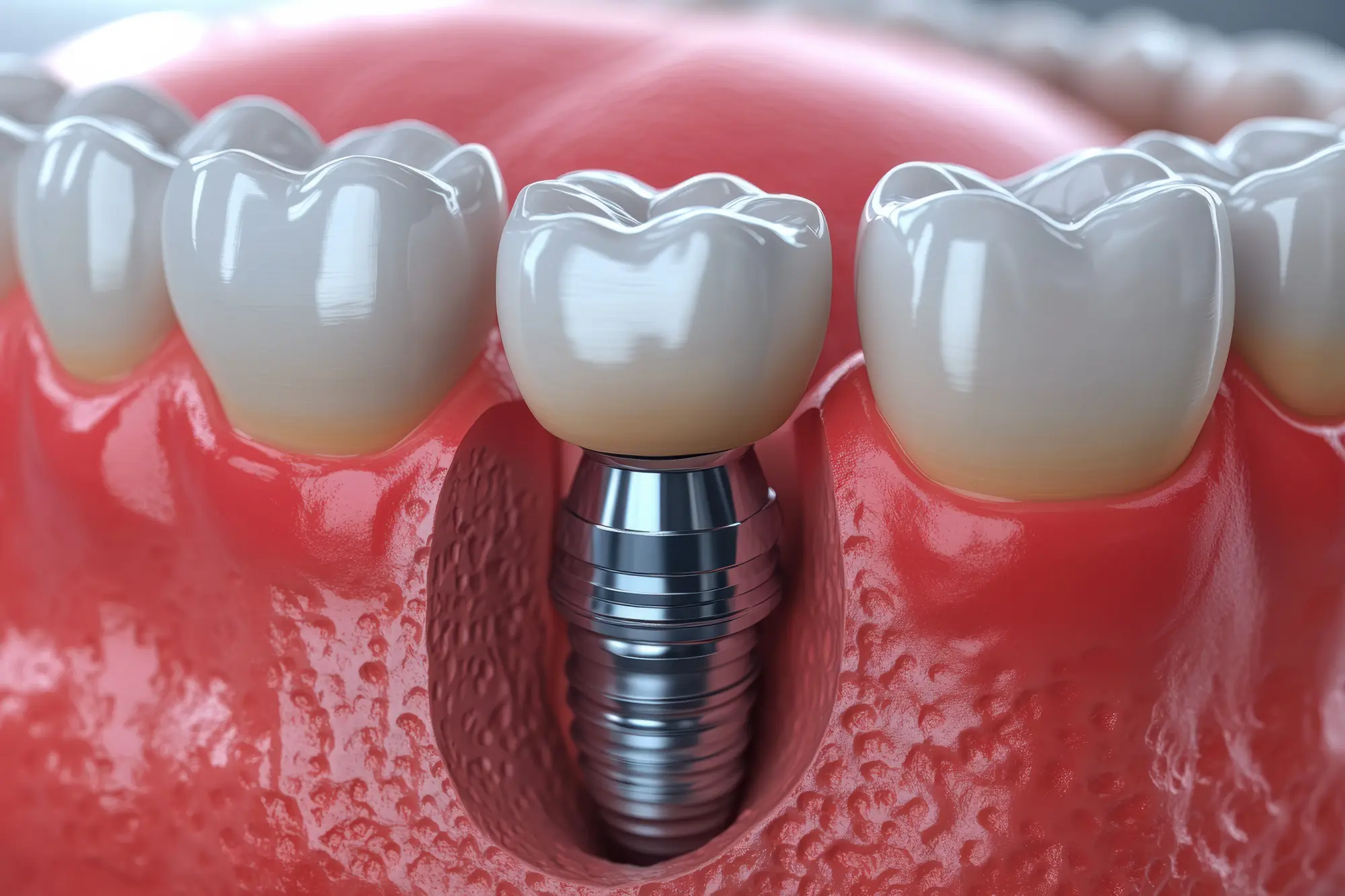
In countries like the US, Canada, or the UK, there are stringent regulations regarding the quality and sourcing of dental materials. Implants are typically made by a handful of highly reputable manufacturers (e.g., Nobel Biocare, Straumann, Dentsply Sirona), and dentists are usually transparent about which brands they use. In Costa Rica, while many top clinics use these same high-quality brands, others might opt for cheaper, lesser-known, or even counterfeit implants to cut costs.
- The Risk: Cheaper implants might not integrate as well with your bone (osseointegration), leading to implant failure. They may also be made from inferior titanium alloys or have design flaws that compromise their long-term stability and durability. Imagine investing in a complex procedure only for the implant to fail a year or two later. That’s a significant problem.
- My Insight: Always ask specifically about the brand and origin of the implants. A reputable clinic will be happy to provide this information. If they’re vague or defensive, consider it a red flag.
“Not all implants are created equal, and cutting corners on materials can lead to big problems down the road, making initial savings a costly mistake.”
2. Infection and Sterilization Protocols
Any surgical procedure carries a risk of infection, but this risk can be heightened if sterilization protocols are not rigorously followed.
What I’ve Learned:
While many Costa Rican clinics maintain excellent hygiene standards, some may not adhere to the same strict sterilization guidelines as those mandated in Western countries. This isn’t always visible to the untrained eye.
- The Risk: Poor sterilization of instruments, surgical environments, or even inadequate hand hygiene by staff can introduce bacteria into the surgical site. This can lead to painful infections, requiring antibiotics, further surgery, and in severe cases, implant loss and even systemic health issues. 🦠 Signs of infection include swelling, persistent pain, pus, and fever.
- My Insight: Before committing, I would look for clinics that visibly demonstrate their commitment to hygiene. Do they use individually sealed instruments? Is the clinic clean and well-maintained? Ask about their sterilization processes.
3. Communication Barriers and Misunderstandings
This is a subtle yet pervasive issue that I’ve found can lead to a great deal of frustration and poor outcomes.
What I’ve Learned:
While many dentists and staff in tourist-focused clinics speak English, nuances can be lost in translation. Medical terminology can be complex, and cultural differences in communication styles can further complicate matters.
- The Risk: Misunderstandings can occur at critical stages:
- Treatment Planning: You might not fully grasp the extent or nature of your procedure, alternative options, or potential risks.
- Consent Forms: Signing documents you don’t fully understand.
- Aftercare Instructions: Incorrectly following post-operative care can jeopardize healing and implant success.
- Expectations: Your expectations for the final aesthetic or functional outcome might differ from what the dentist intends to deliver.
- My Insight: Always ask for explanations to be repeated or rephrased if you’re unsure. Bring a trusted friend or family member if possible. Some clinics offer dedicated English-speaking patient coordinators, which is a huge plus. 🗣️
4. Lack of Comprehensive Aftercare and Follow-Up
Dental implants are not a “set it and forget it” procedure. They require careful aftercare and follow-up to ensure successful integration and long-term health.
What I’ve Learned:
Many patients travel to Costa Rica for the initial surgery and then return home shortly after, often before the implant has fully integrated with the bone (a process that can take several months). This makes comprehensive follow-up challenging.
- The Risk:
- Early Complications: If issues like infection, nerve damage, or implant instability arise shortly after you return home, getting immediate and appropriate care can be difficult.
- Long-Term Maintenance: Implants require regular check-ups and professional cleanings. Your local dentist might be hesitant to take responsibility for an implant placed by a foreign practitioner, especially if they are unfamiliar with the specific implant system used.
- Warranty Issues: If a problem occurs, you might need to travel back to Costa Rica, incurring additional costs for flights, accommodation, and time off work.
| Aftercare Scenario | Local Dentist | Costa Rica Clinic |
|---|---|---|
| Immediate Follow-up | Easy access, same-day appointments often possible. | Requires extended stay or costly return trip. |
| Long-term Maintenance | Your regular dentist handles ongoing care. | Your local dentist might be reluctant or unfamiliar. |
| Complication Resolution | Direct access to operating dentist, legal recourse. | Requires international travel, complex legal issues. |
5. Unforeseen Costs and Hidden Fees
While the initial quote for dental implants in Costa Rica might seem incredibly appealing, I’ve heard stories where the final bill ends up being much higher than anticipated.
What I’ve Learned:
Some clinics might provide a basic quote that doesn’t include all necessary components of the treatment, or they might add on “unexpected” procedures once you’re already there.
- The Risk:
- Diagnostic Fees: X-rays, CT scans, and initial consultations might not be included.
- Anesthesia: Different types of anesthesia can incur separate charges.
- Bone Grafts/Sinus Lifts: If these are unexpectedly needed, they can significantly increase the cost.
- Abutments/Crowns: Sometimes, the implant itself is quoted, but the abutment (connector) and crown (visible tooth) are separate.
- Medications: Post-operative antibiotics and pain relievers might be an extra cost.
- Travel & Accommodation: These costs add up, especially if you need an extended stay or multiple trips.
- Exchange Rates: Fluctuations in currency exchange rates can impact your budget. 💸
- My Insight: Always ask for a detailed, itemized quote before you travel. Clarify exactly what is included and what might be extra. A reputable clinic will provide this transparently.
6. Legal Recourse and Accountability Challenges
This is a particularly thorny issue that I believe many patients overlook when considering overseas dental work.
What I’ve Learned:
If something goes wrong with your dental implants in Costa Rica, pursuing legal action or even just seeking a refund or corrective treatment can be incredibly difficult.
- The Risk:
- Jurisdiction: You are subject to Costa Rican laws, not your home country’s.
- Cost of Litigation: Hiring a lawyer in a foreign country, navigating a different legal system, and potentially traveling back for court proceedings can be prohibitively expensive and time-consuming.
- Enforcement: Even if you win a judgment, enforcing it against a foreign entity can be challenging.
- Professional Boards: Reporting a dentist to their local professional board might not yield the same results or offer the same consumer protection as it would in your home country.
- My Insight: This is why due diligence is so critical. Prevention is far better than trying to find a cure when it comes to legal problems abroad.
“When things go wrong abroad, your legal options can be significantly more complex and costly, often leaving patients feeling helpless.”
7. Inexperienced or Underqualified Dentists
While many Costa Rican dentists are highly skilled, the booming dental tourism industry can sometimes attract practitioners who are less experienced or lack specialized training in implantology.
What I’ve Learned:
Placing dental implants is a complex surgical procedure that requires specialized training beyond general dentistry. Oral surgeons, periodontists, or prosthodontists often have this advanced expertise.
- The Risk: An inexperienced dentist might:
- Place implants in the wrong position, affecting aesthetics and function.
- Damage adjacent teeth, nerves, or sinuses.
- Use incorrect surgical techniques, leading to implant failure.
- Misdiagnose underlying issues that could compromise implant success.
- My Insight: Always verify the dentist’s credentials, specialization, and experience specifically with dental implants. Don’t be afraid to ask how many implant procedures they perform annually.
Questions to Ask About a Dentist’s Qualifications:
- What are their specific qualifications in implant dentistry?
- How many years of experience do they have placing implants?
- Are they a member of any international implant associations (e.g., International Congress of Oral Implantologists – ICOI)?
- Can they provide before-and-after photos of their implant cases?
8. Diagnostic Inaccuracies and Treatment Planning Errors
Accurate diagnosis and meticulous treatment planning are the cornerstones of successful dental implant procedures.
What I’ve Learned:
Some clinics might rush the diagnostic phase, relying on older X-rays or less comprehensive imaging, which can lead to errors in treatment planning.
- The Risk:
- Insufficient Bone: Placing an implant in an area with insufficient bone density without proper grafting can lead to failure.
- Nerve Damage: Incorrectly identifying the location of nerves can result in permanent numbness or pain.
- Sinus Perforation: In the upper jaw, misjudging sinus location can lead to complications.
- Poor Angulation: Implants placed at the wrong angle can make it impossible to restore with a functional and aesthetic crown. 🤔
- My Insight: A reputable clinic will use advanced imaging like 3D CT scans (Cone Beam CT – CBCT) to thoroughly assess your bone structure, nerve pathways, and sinus cavities. Insist on a comprehensive diagnostic process.
9. Travel-Related Stress and Complications
While a vacation sounds nice, recovering from surgery in a foreign country can add layers of stress and potential complications.
What I’ve Learned:
Traveling immediately after surgery, dealing with jet lag, and adapting to a new environment can impact your body’s ability to heal.
- The Risk:
- Increased Swelling/Pain: Air pressure changes during flights can exacerbate swelling or discomfort.
- Compromised Healing: Stress, changes in diet, and lack of familiar comforts can hinder the healing process.
- Emergency Access: If a sudden complication arises (e.g., severe bleeding, allergic reaction), navigating a foreign medical system can be daunting. ✈️
- My Insight: Plan for an adequate recovery period in Costa Rica before flying home. Minimize strenuous activities and prioritize rest.
Mitigating the Risks: My Advice for a Safer Experience
Having explored the potential Costa Rica dental implants problems, I want to share my advice on how to significantly reduce these risks. It’s not about avoiding Costa Rica altogether, but about being exceptionally prepared.
1. Thorough Research is Non-Negotiable
This is the bedrock of a successful dental tourism experience.
- Clinic Reputation: Look for clinics with a long-standing reputation, not just flashy websites. Search for independent reviews on multiple platforms (Google, Yelp, specialized dental tourism forums). Pay attention to recurring themes, both positive and negative.
- Dentist Credentials: Verify the dentist’s education, specialization (Oral Surgeon, Periodontist, Prosthodontist), and experience specifically with dental implants. Are they board-certified? Do they have affiliations with international dental organizations?
- Accreditation: While not as common as in the US, some clinics might have international accreditations (e.g., from the American Association for Accreditation of Ambulatory Surgery Facilities – AAAASF) or local certifications that indicate higher standards.
2. Ask the Right Questions – And Lots of Them!
Don’t be shy. A reputable clinic will welcome your questions. I would prepare a detailed list before making any commitments.
- Materials: “Which implant brands do you use? Are they FDA-approved? Can I see documentation?”
- Sterilization: “Can you describe your sterilization protocols? How do you ensure hygiene?”
- Experience: “How many implant procedures do you perform annually? What is your success rate?”
- Aftercare: “What is your post-operative care plan? What happens if I have complications after returning home?”
- Warranty/Guarantee: “Do you offer a warranty on the implants or the work? What are the terms?”
- Total Cost: “Please provide an itemized quote that includes all potential costs, from diagnostics to the final crown. Are there any hidden fees I should be aware of?”
- Communication: “Do you have English-speaking staff or dedicated patient coordinators?”
3. Get a Second Opinion (or Even a Third)
Before you even book your flight, I strongly recommend getting a comprehensive evaluation and treatment plan from a trusted dentist in your home country. This will give you:
- An understanding of what your treatment should entail.
- A benchmark for pricing and quality expectations.
- A local expert who can potentially advise you or handle follow-up care if needed.
4. Plan for an Extended Stay
Don’t treat dental tourism like a quick pit stop. Dental implant procedures often require multiple stages and healing time.
- Initial Consultation & Surgery: Allow enough time for diagnostics, treatment planning, and the surgery itself, plus a few days of immediate recovery.
- Healing Period: If you’re getting multiple implants or complex work, consider a longer stay to allow for initial healing and follow-up checks before flying. This can significantly reduce the risk of immediate post-operative complications arising when you’re far from your surgeon.
- Multiple Trips: For a full implant process (placement, healing, abutment, crown), you’ll likely need two trips spread over several months. Factor in these travel costs.
5. Invest in Comprehensive Travel Insurance
Standard travel insurance might not cover complications arising from elective medical procedures abroad.
- Medical Tourism Insurance: Look specifically for policies designed for medical tourism that cover unforeseen complications, emergency medical evacuation, and travel interruptions related to your treatment. This is a small investment that can save you immense financial and emotional distress.
6. Have an Emergency Plan
I always advise thinking about the worst-case scenario, even if you hope it never happens.
- Local Contacts: Know how to contact the clinic’s emergency line, local emergency services, and your embassy.
- Medical Information: Carry relevant medical history, allergies, and medication lists.
- Financial Buffer: Have access to extra funds for unexpected expenses.
When to Consider a Local Option (My Perspective)
After weighing the pros and cons, I often advise people to seriously consider a local option, especially if:
- Your Case is Complex: If you require extensive bone grafting, multiple implants in challenging locations, or have underlying health conditions, the continuity of care and immediate access to your local specialist can be invaluable.
- Peace of Mind is Paramount: For some, the added stress of navigating a foreign healthcare system, even with all the precautions, outweighs the cost savings. Your peace of mind has a value.
- Long-Term Relationship: Establishing a long-term relationship with a local dentist who knows your history and can manage your oral health for years to come is a significant benefit.
While the cost savings in Costa Rica can be substantial, I firmly believe that the cheapest option isn’t always the best, especially when it comes to your health. The potential for Costa Rica dental implants problems can quickly erode any initial financial advantage if complications arise.
The Future of Dental Tourism in 2025
As we move further into 2025, dental tourism continues to evolve. More clinics are becoming internationally accredited, and patient expectations for transparency and safety are increasing. However, the fundamental challenges remain: the vast differences in regulatory oversight, legal recourse, and the sheer logistics of receiving complex medical care far from home.
“As dental tourism continues to evolve in 2025, so too must our approach to vetting providers and understanding the potential pitfalls to ensure patient safety and satisfaction.”
My hope is that this detailed look at potential problems helps you approach dental tourism with your eyes wide open. It’s about being a savvy consumer, not a naive patient.
Conclusion
The dream of affordable, high-quality dental implants in a beautiful setting like Costa Rica is undoubtedly attractive. I understand why so many people are drawn to it. However, my extensive research into Costa Rica dental implants problems has shown me that this journey requires meticulous planning, thorough due diligence, and a clear understanding of the risks involved.
While many individuals have wonderful experiences, the potential for issues related to quality, infection, communication, hidden costs, and lack of legal recourse is real. By asking the right questions, verifying credentials, understanding the full scope of costs, and planning for comprehensive aftercare, you can significantly mitigate these risks. Your oral health is an investment for life, and making an informed decision about where and how you receive your dental implants in 2025 is paramount. Always prioritize your health, safety, and peace of mind above all else.