
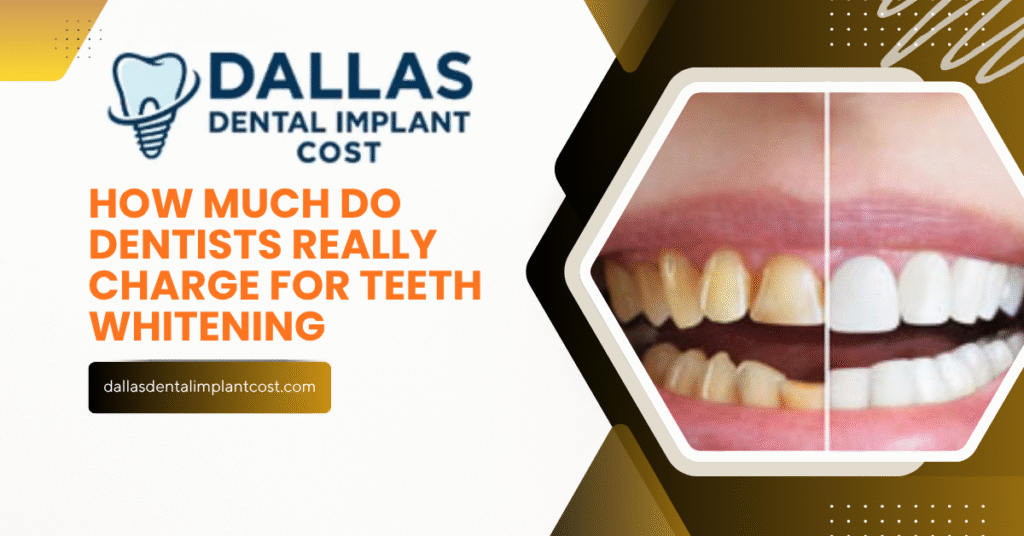
Have you ever found yourself admiring someone’s dazzling smile, wishing your own teeth could be a few shades brighter? You’re not alone! A radiant smile can boost your confidence, make a great first impression, and even make you feel younger. It’s no wonder that professional teeth whitening remains one of the most popular cosmetic dental procedures. But as you start dreaming of a brighter grin, one big question often pops up: “How much do dentists charge for teeth whitening?” 🤔
As a dental professional, I hear this question all the time. It’s a valid concern, as the cost can vary quite a bit depending on several factors. In this comprehensive guide for 2025, I’m going to break down everything you need to know about the cost of professional teeth whitening, what influences these prices, and what you can expect when you visit your dentist. My goal is to give you a clear picture so you can make an informed decision about investing in your smile.
How Much Do Dentists Really Charge for Teeth Whitening–
Key Takeaways
- Cost Varies Widely: The price of professional teeth whitening isn’t one-size-fits-all; it depends on the type of treatment, your location, and your dentist’s fees.
- Two Main Options: You’ll generally choose between faster in-office whitening (often more expensive) and custom take-home kits (more affordable, but slower results).
- Multiple Factors Influence Price: Things like the severity of your stains, the specific whitening system used, and any included follow-up care can all impact the final cost.
- Average Ranges for 2025: Expect to pay roughly $400-$800 for custom take-home kits and $600-$1,200 for in-office treatments.
- Consultation is Key: Always consult with your dentist to get an accurate quote and ensure professional whitening is the right option for your unique smile.
Understanding Professional Teeth Whitening
Before we dive into the numbers, let’s quickly understand what professional teeth whitening is and why it’s so sought after.
What Exactly is Teeth Whitening?
Teeth whitening, also known as bleaching, is a cosmetic dental procedure that lightens the color of your teeth and helps remove stains and discoloration. It uses safe, peroxide-based bleaching agents (like hydrogen peroxide or carbamide peroxide) that penetrate the enamel to break down discolored molecules deep within your teeth. The result? A noticeably brighter, whiter smile! ✨
Why Do Teeth Get Stained?
Our teeth can become discolored for various reasons, broadly categorized into extrinsic and intrinsic stains:
- Extrinsic Stains: These are on the outer surface of your teeth (enamel). They’re usually caused by:
- Food and Drinks: Coffee ☕, tea 🍵, red wine 🍷, berries 🍓, dark sodas, and highly pigmented sauces.
- Tobacco Use: Smoking or chewing tobacco is a major culprit.
- Poor Oral Hygiene: Not brushing or flossing regularly allows plaque and stain-causing particles to build up.
- Intrinsic Stains: These are deeper within the tooth structure (dentin). They can be caused by:
- Aging: As we get older, the enamel thins, revealing the naturally yellowish dentin underneath.
- Medications: Certain antibiotics (like tetracycline) taken during tooth development can cause permanent staining.
- Trauma: An injury to a tooth can cause it to darken.
- Excessive Fluoride: Too much fluoride during tooth development (fluorosis).
- Genetics: Some people naturally have brighter or darker teeth.
Professional whitening is highly effective at tackling most extrinsic stains and many intrinsic stains, though some very deep or specific intrinsic stains might require other cosmetic treatments like veneers or bonding.
The Benefits of Professional Whitening
While there are many over-the-counter (OTC) whitening products available, professional teeth whitening offers several distinct advantages:
- Stronger, Faster Results: Dentists use higher concentrations of whitening agents, leading to more dramatic and quicker results.
- Safety and Supervision: Your dentist ensures the treatment is safe for your gums and teeth, minimizing sensitivity and other potential side effects.
- Customized Treatment: The dentist can tailor the treatment to your specific needs and desired shade.
- Even Whitening: Professional methods ensure a more consistent and even whitening across all visible teeth.
- Longer-Lasting Results: With proper care, professional whitening results tend to last longer.
Read Also:-Unlock Your Smile: The 2025 Guide to the Cost of 4-on-1 Dental Implants in Mexico.
Types of Professional Teeth Whitening and Their Costs in 2025
When you decide to pursue professional teeth whitening, you’ll generally have two main options through your dentist. Each comes with its own process, benefits, and, of course, price point.
1. In-Office Whitening (Chairside Whitening)
This is the fastest and often most dramatic way to whiten your teeth. It’s done right in your dentist’s office, usually in a single appointment.
How it Works:
- Preparation: Your dentist will first clean your teeth and then protect your gums and soft tissues with a special barrier.
- Gel Application: A high-concentration whitening gel (often hydrogen peroxide) is carefully applied to your teeth.
- Activation (Optional): Many in-office systems use a special light or laser (like Zoom! or Philips WhiteSpeed) to activate the gel and speed up the whitening process.
- Rinse and Repeat: The gel is left on for about 15-20 minutes, then rinsed off. This process is usually repeated 2-3 times during the same appointment.
- Immediate Results: You’ll typically see significant results immediately after the session, often several shades lighter.
Pros:
- Speed: Delivers the quickest and most noticeable results, often in just 1-2 hours. ⏱️
- Effectiveness: Uses the strongest whitening agents for dramatic changes.
- Safety: Performed under strict dental supervision, ensuring gum protection and minimizing sensitivity.
- Convenience: One visit, and you’re done!
Cons:
- Cost: Generally the most expensive option.
- Sensitivity: Can sometimes cause temporary tooth sensitivity, though dentists take steps to minimize this.
Cost Range for In-Office Whitening in 2025:
Based on current data and trends for 2025, you can expect to pay anywhere from $600 to $1,200 for a single in-office whitening session. Some premium systems or practices in high-cost-of-living areas might even charge slightly more. This price often includes the treatment itself, protective measures, and sometimes a follow-up visit or a small take-home touch-up kit.
2. Custom Take-Home Whitening Kits
This option combines the convenience of at-home treatment with the effectiveness and safety of professional-grade products.
How it Works:
- Consultation & Impressions: Your dentist will first examine your teeth and then take impressions (molds) of your upper and lower teeth.
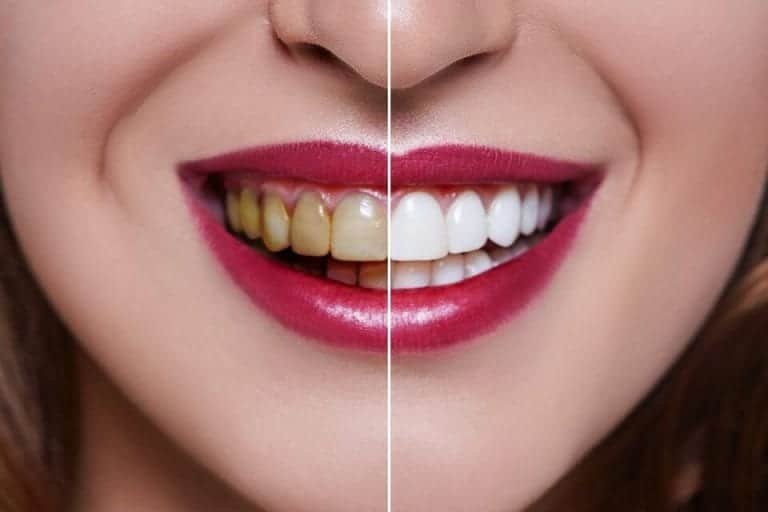
- Custom Trays: These impressions are used to create custom-fitted whitening trays that perfectly fit your teeth. This snug fit is crucial for even whitening and preventing gel from irritating your gums.
- Professional Gel: You’ll receive professional-strength whitening gel (usually carbamide peroxide, a milder but still effective agent) from your dentist, along with instructions.
- At-Home Application: At home, you’ll place a small amount of gel into your custom trays and wear them for a specified period each day (e.g., 30 minutes to a few hours, or overnight) for 1-2 weeks, or until you achieve your desired shade. 🏡
Pros:
- Affordability: Generally less expensive than in-office treatments.
- Convenience: You whiten at your own pace, in the comfort of your home.
- Control: You have more control over the whitening process and can stop when you reach your desired shade.
- Touch-Ups: The custom trays can be reused for future touch-ups, requiring only the purchase of more gel.
Cons:
- Slower Results: Takes longer to see full results compared to in-office whitening.
- Compliance: Requires consistent daily use for optimal results.
- Potential for Sensitivity: Can still cause temporary sensitivity if not used correctly or if too much gel is applied.
Cost Range for Custom Take-Home Kits in 2025:
For a custom take-home whitening kit from your dentist, including the custom trays and initial supply of professional gel, you can typically expect to pay between $400 and $800. The cost will vary based on the brand of gel, the complexity of tray fabrication, and your dentist’s fees.
Quick Comparison: In-Office vs. Take-Home Whitening
| Feature | In-Office Whitening | Custom Take-Home Kits |
|---|---|---|
| Cost (2025 Avg.) | $600 – $1,200 | $400 – $800 |
| Speed of Results | Fastest (1-2 hours) ⚡ | Slower (1-2 weeks) |
| Convenience | One visit to the dentist | At-home application, daily commitment |
| Gel Strength | High concentration, dentist-applied | Professional strength, patient-applied |
| Supervision | Full-time dental supervision | Initial guidance, at-home application |
| Maintenance | Often includes touch-up kit | Trays reusable for future touch-ups (just buy more gel) |
| Ideal For | Those seeking immediate, dramatic results | Those preferring gradual whitening and more control |
Factors Influencing the Cost of Professional Teeth Whitening
As you can see, the cost isn’t a fixed number. Several factors play a significant role in determining how much your dentist will charge for teeth whitening in 2025.
1. Geographic Location 🌎
Just like real estate, dental service prices can vary dramatically based on where you live.
- Urban vs. Rural: Dentists in major metropolitan areas (like New York City, Los Angeles, or Chicago) typically have higher overhead costs (rent, staff salaries) and can charge more than those in smaller towns or rural areas.
- Cost of Living: Regions with a higher overall cost of living will generally have higher dental fees.
2. Dentist’s Expertise and Reputation 🎓
An experienced cosmetic dentist with a strong reputation, specialized training, or advanced technology might charge more for their services. You’re not just paying for the whitening product; you’re paying for their skill, precision, and the assurance of quality results. A highly sought-after practice might command higher fees.
3. Type of Whitening System Used 🦷
Different professional whitening brands and technologies come with varying costs for the dental practice, which are then reflected in the patient’s fee.
- Brand Names: Systems like Zoom!, Opalescence Boost, Philips WhiteSpeed, or BriteSmile are well-known and often incorporate advanced features (like specific light technology or desensitizing agents), which can increase the price.
- Technology: Practices that invest in state-of-the-art equipment (e.g., specific LED or laser lights) for in-office whitening might have higher prices due to their investment.
4. Initial Condition of Your Teeth and Severity of Stains 🎨
The starting shade of your teeth and the depth or type of your stains can influence the treatment plan and thus the cost.
- Severity of Stains: If your teeth are severely discolored, you might require more intensive treatment, additional sessions, or a longer course with take-home kits, which could increase the overall cost.
- Pre-Treatment Needs: Sometimes, a dentist might recommend professional cleaning or address existing dental issues (like cavities or gum disease) before whitening. These pre-treatment services are separate costs.
5. Included Services and Package Deals 🎁
What’s included in the “price” can vary. Some dentists offer comprehensive packages that might include:
- Initial Consultation: Sometimes a separate fee, sometimes included.
- Follow-up Appointments: To check results and address sensitivity.
- Desensitizing Treatments: To manage or prevent tooth sensitivity.
- Touch-Up Kits: Often, an in-office treatment might come with a small take-home kit for future touch-ups.
- Warranty/Guarantee: Some practices might offer a guarantee on their results or free touch-ups within a certain period.
Always ask for a detailed breakdown of what your quoted price includes.
6. Promotions and Discounts 💰
Keep an eye out for special offers! Many dental practices run promotions, especially around holidays or certain seasons, that can make teeth whitening more affordable.
- New Patient Specials: Sometimes dentists offer discounts for new patients.
- Package Deals: Combining whitening with other cosmetic treatments might come with a reduced overall price.
- Referral Programs: Referring a friend might earn you a discount.
“Don’t be shy to ask your dentist if they have any current promotions or payment plans available. A brighter smile might be more within reach than you think!”
7. Dental Insurance Coverage 🛡️
This is an important point: dental insurance almost never covers cosmetic procedures like teeth whitening. Most insurance plans are designed to cover treatments deemed medically necessary for your oral health (e.g., fillings, extractions, cleanings). Since teeth whitening is primarily for aesthetic enhancement, you should generally expect to pay for it entirely out-of-pocket. However, it’s always worth double-checking with your specific insurance provider, just in case.
Average Cost Ranges for Teeth Whitening in 2025: A Summary
To give you a clearer picture, here’s a recap of the average cost ranges you can expect for professional teeth whitening in 2025:
- In-Office Whitening (Single Session): Typically ranges from $600 to $1,200.
- Custom Take-Home Whitening Kits (Trays + Gel): Typically ranges from $400 to $800.
Remember, these are averages. Your individual cost will depend on the factors we’ve discussed.
Is Professional Teeth Whitening Worth the Investment?
When you consider the costs, it’s natural to wonder if professional teeth whitening is truly worth the investment, especially when there are cheaper over-the-counter options available. My answer, as a dental professional, is often a resounding yes! Here’s why:
- Superior Results: Professional treatments deliver significantly more dramatic and consistent results than OTC products. The higher concentration of whitening agents and professional application make a noticeable difference.
- Safety and Health: A dentist ensures your teeth and gums are healthy enough for whitening and supervises the process, minimizing risks like gum irritation, uneven whitening, or increased sensitivity. OTC products, if misused, can cause harm.
- Speed and Efficiency: In-office whitening offers instant gratification, while custom take-home kits provide controlled, safe whitening over a shorter period than many drugstore options.
- Longer-Lasting: With proper care and occasional touch-ups, professional results tend to last much longer.
- Confidence Boost: A brighter smile can genuinely make you feel more confident and improve your self-esteem, which is an invaluable return on investment.
“Investing in professional teeth whitening isn’t just about brighter teeth; it’s an investment in your confidence and overall well-being. The peace of mind that comes from a safe, effective treatment under dental supervision is truly priceless.”
Over-the-Counter (OTC) Whitening Options: A Quick Comparison
It’s important to briefly touch upon OTC options, as they often come up in discussions about whitening costs. These include whitening strips, toothpaste, gels, and mouthwashes.
| OTC Option | Pros | Cons | Typical Cost (2025) |
|---|---|---|---|
| Whitening Strips | Affordable, easy to use | Less effective, can cause uneven whitening, potential gum irritation, results vary | $20 – $60 |
| Whitening Toothpaste | Very affordable, daily use | Minimal whitening effect (removes surface stains only), can be abrasive | $5 – $15 |
| Whitening Gels/Pens | Targeted application, relatively affordable | Less potent than professional gels, can be messy, results are often subtle | $15 – $40 |
| Whitening Mouthwashes | Easiest to use, part of daily routine | Least effective, very subtle results, primarily for stain prevention rather than whitening | $5 – $15 |
While OTC products are significantly cheaper, they often fall short in terms of effectiveness, speed, and safety compared to professional treatments. They use lower concentrations of active ingredients and don’t offer the customized fit or supervision of a dentist.
What to Expect During Your Teeth Whitening Consultation
The first step toward a brighter smile is always a consultation with your dentist. This appointment is crucial for several reasons:
- Comprehensive Examination: Your dentist will thoroughly examine your teeth and gums to ensure they are healthy enough for whitening. They’ll check for cavities, gum disease, and existing restorations (like crowns or fillings), which don’t whiten and might need to be replaced after whitening to match your new shade.
- Discuss Your Goals: You’ll have the opportunity to discuss your desired shade and expectations. Your dentist can give you a realistic idea of what results you can achieve.
- Identify Stain Causes: They’ll help determine the cause of your discoloration, which can influence the most effective treatment approach.
- Address Sensitivity: If you have sensitive teeth, your dentist can recommend pre-treatment strategies or specific whitening systems that are gentler.
- Personalized Treatment Plan: Based on your oral health, aesthetic goals, and budget, your dentist will recommend the most suitable professional whitening option (in-office or take-home).
- Detailed Quote: This is where you’ll get a precise breakdown of the costs involved, including any associated fees or included services. Don’t hesitate to ask questions about payment plans or financing options.
“Your consultation is your opportunity to ask every question you have. Make sure you understand the process, the expected results, and the full cost before committing.”
Tips for Maintaining Your Bright Smile After Whitening
Once you’ve achieved your desired bright smile, you’ll want to keep it looking its best for as long as possible! Here are my top tips for maintaining your results:
- Practice Excellent Oral Hygiene: Brush your teeth twice a day and floss daily. This is the foundation of a healthy, white smile. Consider using a whitening toothpaste designed for maintenance (not as a primary whitener).
- Avoid Staining Foods and Drinks: Especially in the first few days after whitening, your teeth are more porous. Try to limit or avoid coffee, tea, red wine, dark sodas, berries, and highly pigmented sauces. If you do consume them, rinse your mouth with water immediately afterward. Using a straw for dark beverages can also help. 🥤
- Quit Tobacco Products: Smoking and chewing tobacco are major contributors to tooth discoloration. Quitting is one of the best things you can do for your oral health and the longevity of your white smile.
- Regular Dental Cleanings: Schedule professional dental cleanings every six months. Your hygienist can remove surface stains before they become deeply set.
- Touch-Up Treatments: Your dentist might recommend occasional touch-up treatments, especially if you opted for a take-home kit. These are usually shorter courses of whitening to refresh your results.
Financing Your Teeth Whitening Treatment
Since dental insurance rarely covers cosmetic procedures, you might be wondering how to manage the cost of teeth whitening. Fortunately, there are several options available:
- Payment Plans: Many dental offices offer in-house payment plans, allowing you to pay for your treatment in installments. Ask your dentist’s office about their specific options.
- Dental Credit Cards: Companies like CareCredit offer special financing options for healthcare expenses, including dental work. These often have promotional periods with no interest if the balance is paid within a certain timeframe.
- Health Savings Accounts (HSAs) and Flexible Spending Accounts (FSAs): If you have an HSA or FSA through your employer, you might be able to use these pre-tax dollars to pay for dental treatments, including cosmetic ones like whitening, depending on your plan’s specifics. Check with your plan administrator.
- Personal Savings: If you have the funds, paying upfront can sometimes qualify you for a small discount, and it avoids interest charges.
Common Myths and Facts About Teeth Whitening
Let’s clear up some common misconceptions about teeth whitening:
- Myth: Teeth whitening damages your enamel.
- Fact: When done professionally and correctly, teeth whitening is safe and does not harm your tooth enamel. The active ingredients temporarily open pores in the enamel to lift stains, but the enamel remineralizes afterward.
- Myth: All stains can be removed with whitening.
- Fact: While professional whitening is highly effective, some deep intrinsic stains (e.g., from tetracycline or trauma) may not respond well to bleaching. Restorations like crowns, veneers, and fillings also won’t whiten.
- Myth: Whitening results are permanent.
- Fact: Unfortunately, no. Your teeth will naturally start to pick up stains again over time, especially if you consume staining foods and drinks. That’s why touch-ups and good oral hygiene are important.
- Myth: Whitening makes your teeth sensitive forever.
- Fact: Temporary sensitivity is a common side effect, especially with in-office treatments. However, it usually subsides within a day or two. Dentists use desensitizing agents and can adjust treatment to minimize this.
- Myth: You can whiten your teeth with household remedies like lemon juice and baking soda.
- Fact: While some home remedies might offer very minor surface stain removal, they are often abrasive or acidic and can actually damage your enamel, leading to increased sensitivity and even more staining in the long run. Stick to professional or dentist-recommended products.
Making an Informed Decision
Deciding to whiten your teeth is a personal choice, and understanding the costs involved is a big part of that decision. In 2025, professional teeth whitening offers safe, effective, and predictable results that can significantly enhance your smile and confidence.
Remember, the goal isn’t just to get “white” teeth, but to achieve a healthy, naturally bright smile that complements your overall appearance. This is best achieved under the guidance of a dental professional.
Conclusion
I hope this comprehensive guide has shed some light on the question of “how much do dentists charge for teeth whitening” in 2025. We’ve explored the different types of professional treatments, the many factors that influence their cost, and what you can expect throughout the process.
While the price range for professional teeth whitening can vary from roughly $400 for a custom take-home kit to $1,200 for an in-office treatment, consider it an investment in your self-confidence and the health of your smile. The enhanced results, safety, and personalized care you receive from a dentist far outweigh the minimal benefits and potential risks of many over-the-counter alternatives.
Ready to explore your options for a brighter smile? Your next step should be to schedule a consultation with your local dentist. They can assess your unique needs, discuss the best treatment plan for you, and provide a precise quote. Don’t let uncertainty about cost hold you back from achieving the dazzling smile you’ve always wanted!