Losing a front tooth can be a truly upsetting experience. It impacts not just your ability to eat and speak properly, but also your confidence every time you smile or talk. If you’re considering a dental implant to restore that crucial part of your smile, you’re likely wondering about the cost. “How much does a front tooth implant cost?” is one of the most common and important questions I hear from my patients. It’s a significant investment in your health and appearance, and understanding the financial aspects is key to making an informed decision.
I’m here to guide you through the various factors that influence the price of a front tooth implant in 2025. From the initial consultation to the final crown, we’ll break down the potential costs, explore why some implants are more expensive than others, and discuss financing options to help make this life-changing procedure more accessible. My goal is to give you a clear, comprehensive picture so you can approach your dental journey with confidence and a full understanding of what to expect. Let’s dive in! 🦷💰
Read Also:-Unpacking the Price Tag: How Much Do Implant Teeth Cost in 2025?
Key Takeaways
- Average Cost Range: A single front tooth implant in 2025 typically costs between $3,000 and $6,000 for the implant, abutment, and crown. However, the total cost can easily reach $4,000 to $8,000 or more when including necessary procedures like extractions or bone grafts.
- Multiple Factors Influence Price: The final price depends on your geographic location, the dentist’s experience, the materials used, and any extra procedures like bone grafting or tooth extraction.
- Front Tooth Specifics: Front tooth implants often require extra precision and aesthetic considerations, which can sometimes add to the complexity and cost compared to implants in the back of the mouth.
- Comprehensive Procedure: The “cost” isn’t just one number; it includes several stages: consultation, potential extractions, bone grafting, implant placement, abutment, and the final crown. Each step contributes to the overall expense.
- Financing Options Available: While dental insurance may cover some parts, many patients use payment plans, third-party financing (like CareCredit), HSAs/FSAs, or even look into dental schools to help manage the cost.
Understanding the Investment: What is a Front Tooth Implant?
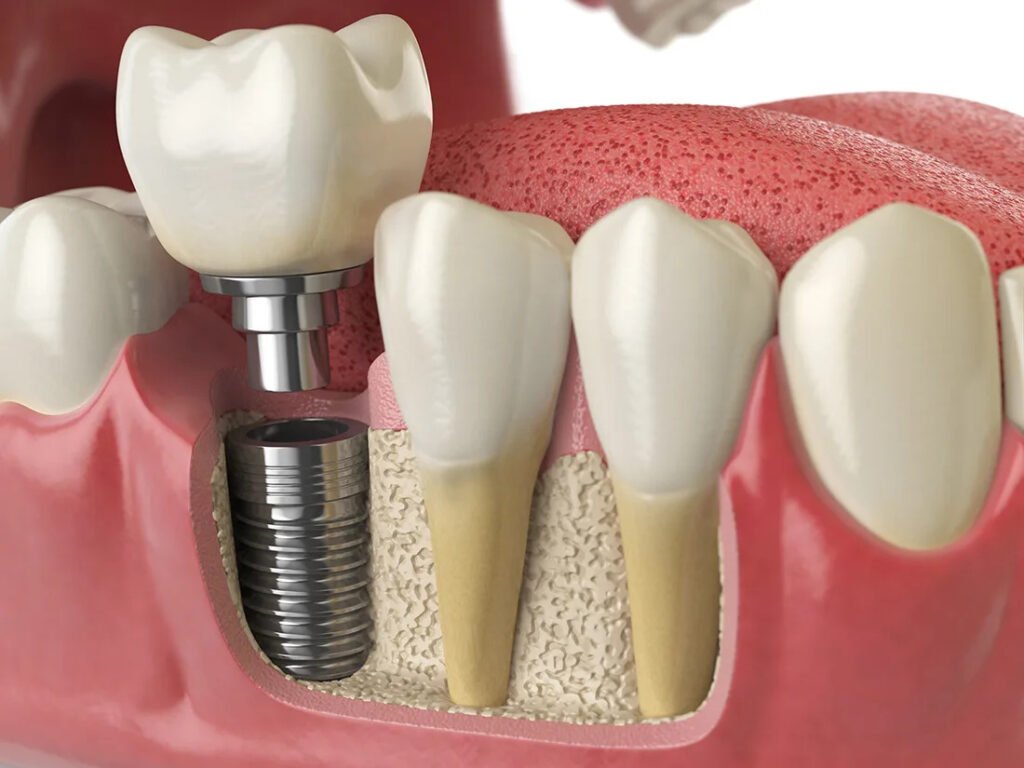
Before we talk about numbers, let’s quickly review what a front tooth implant actually is. When you lose a tooth, especially a front one, it leaves a gap. A dental implant is essentially a replacement tooth root. It’s a small, screw-shaped post, usually made of titanium, that’s surgically placed into your jawbone. Over time, this post fuses with your bone in a process called osseointegration. Once it’s stable, a connector piece called an abutment is attached, and finally, a custom-made crown (the visible part of the tooth) is placed on top.
For a front tooth, the stakes are even higher. This isn’t just about chewing; it’s about your smile, your speech, and how you present yourself to the world. Therefore, the precision, aesthetics, and sometimes the immediate need for a temporary tooth make front tooth implants a unique and often more detailed procedure.
“A front tooth implant isn’t just about filling a gap; it’s about restoring your confidence and the natural beauty of your smile. The investment reflects the specialized care and artistry required for such a visible restoration.”
The Big Question: How Much Does a Front Tooth Implant Cost in 2025?
Let’s get straight to the numbers. When patients ask me, “How much does a front tooth implant cost?”, I always tell them it’s not a single, fixed price. It’s a range, and it depends on many factors. However, to give you a general idea for 2025:
The cost for a single front tooth implant, including the implant post, abutment, and the final crown, typically ranges from $3,000 to $6,000.
But here’s the crucial part: this estimate often doesn’t include all the potential extra procedures you might need. When you factor in things like tooth extraction (if the tooth is still there but needs to be removed) or bone grafting (if your jawbone isn’t strong enough), the total cost can easily climb to $4,000 to $8,000 or even more. 📈
Let’s break down where those costs come from.
Components of the Total Cost
When you receive a quote for a dental implant, it’s usually an accumulation of several distinct services and materials. Think of it like building a house – you have costs for the foundation, the framing, the roof, and the interior finishes.
Here are the main components that contribute to the overall cost of a front tooth implant:
- Initial Consultation and Diagnostics (Approx. $100 – $500):
- This is where it all begins. I’ll examine your mouth, take X-rays (panoramic, periapical), and often a 3D Cone Beam CT (CBCT) scan. This scan is vital for planning, as it shows the exact bone structure, nerve paths, and sinus locations.
- I’ll also discuss your medical history and treatment options. This initial fee covers my time and the technology used to assess your case. 🧐
- Tooth Extraction (If Needed) (Approx. $150 – $400 per tooth):
- If the damaged tooth is still in place, it needs to be carefully removed. The cost varies depending on the complexity of the extraction (e.g., a simple pull vs. a surgical extraction for an impacted tooth).
- Bone Grafting (If Needed) (Approx. $400 – $2,000 per site):
- This is a common procedure, especially for front teeth. If you’ve had a missing tooth for a while, or if an infection damaged your jawbone, there might not be enough bone to support the implant.
- Bone grafting involves adding bone material (from your own body, a donor, or synthetic sources) to strengthen the jawbone. This procedure often requires a healing period of several months before the implant can be placed, adding to the overall treatment time and cost.
- Types of grafts include:
- Socket Preservation: Placing bone material immediately after extraction to prevent bone loss.
- Ridge Augmentation: Building up a wider or taller ridge of bone.
- Sinus Lift: (Less common for front teeth, but possible for upper implants if the sinus floor is too low).
- The Implant Post Placement (Surgical Fee) (Approx. $1,500 – $3,000):
- This is the cost for the actual titanium screw (the implant itself) and the surgical procedure to place it into your jawbone.
- The price can vary based on the brand of implant used (some are premium, with extensive research behind them) and the complexity of the surgery.
- The Abutment (Approx. $300 – $600):
- Once the implant has healed and fused with the bone, the abutment is attached. This is the connector piece that protrudes from the gum and holds the crown.
- Abutments can be standard (pre-made) or custom-made, with custom abutments often costing more but offering better aesthetic results, especially for front teeth.
- The Crown (Restoration) (Approx. $1,000 – $2,500):
- This is the visible, tooth-shaped cap that sits on top of the abutment. For a front tooth, aesthetics are paramount.
- The cost depends heavily on the material (e.g., porcelain-fused-to-metal, all-ceramic, zirconia), the dental lab’s quality, and the skill required to perfectly match it to your natural teeth in shape, size, and color.
- Temporary Crown: For front teeth, I often recommend a temporary crown or flipper immediately after extraction or implant placement. This ensures you don’t have a visible gap during the healing process. This temporary solution will have its own cost, usually a few hundred dollars.
- Anesthesia and Sedation (Approx. $100 – $1,000+):
- Local anesthesia is always included. However, if you opt for additional sedation options like nitrous oxide (laughing gas), oral conscious sedation, or IV sedation, these will add to the cost. The price depends on the type of sedation and the length of the procedure.
- Follow-up Appointments (Often included, but ask):
- Regular check-ups during the healing process are crucial. Some offices include these in the overall fee, while others may charge for individual visits.
Example Cost Scenario (Illustrative for 2025)
Let’s look at a hypothetical scenario for a front tooth implant:
| Procedure Component | Low Estimate (USD) | High Estimate (USD) |
|---|---|---|
| Initial Consultation & CBCT | $200 | $400 |
| Tooth Extraction (complex) | $250 | $400 |
| Bone Grafting (socket preservation) | $500 | $1,500 |
| Implant Placement (surgical fee) | $1,500 | $2,500 |
| Abutment (custom) | $400 | $600 |
| Crown (all-ceramic/zirconia) | $1,200 | $2,000 |
| Temporary Crown/Flipper | $200 | $500 |
| Total Estimated Cost | $4,250 | $7,900 |
Please remember, this is a simplified example. Your actual cost will vary based on your specific needs and location.
Why Front Tooth Implants Can Be Different (and Potentially More Costly)
While the general components of an implant are similar regardless of location, front teeth come with their own set of considerations that can influence the cost:
- Aesthetics are Paramount: For a front tooth, the color, shape, size, and gum line contour must be absolutely perfect to blend seamlessly with your natural teeth. This requires a highly skilled dentist and often a top-tier dental lab, which can increase the cost of the crown and abutment.
- Precision Placement: The angle and depth of the implant placement are critical for achieving the ideal aesthetic outcome. There’s less room for error compared to a back tooth. This demands more advanced surgical planning and execution.
- Immediate vs. Delayed Placement: Sometimes, if the bone is healthy, an implant can be placed immediately after extraction (immediate implant placement). For front teeth, this can often be combined with an immediate temporary crown, meaning you walk out with a tooth! While convenient, this technically demanding procedure might have a slightly higher fee.
- Bone Structure: The bone in the front of the jaw can sometimes be thinner or less dense than in the back, making bone grafting more frequently necessary to ensure long-term stability.
- Soft Tissue Management: Achieving a natural-looking gum line around a front tooth implant is an art. Sometimes, minor gum grafting or other soft tissue procedures are needed to ensure the implant looks like it’s naturally emerging from the gums, which adds to the overall cost.
“Restoring a front tooth is about more than just function; it’s about artistry. The extra steps taken to ensure a flawless, natural-looking smile are often reflected in the final cost.”
Factors Influencing the Total Cost of a Front Tooth Implant
Beyond the individual components, several broader factors play a significant role in determining the final price you’ll pay for a front tooth implant in 2025.
1. Geographic Location 🌎
Just like real estate, dental costs vary significantly by location.
- Urban vs. Rural: You’ll typically find higher prices in major metropolitan areas (e.g., New York City, Los Angeles, Boston) compared to smaller towns or rural areas. This is due to higher overhead costs for dental practices, including rent, staff salaries, and cost of living.
- Regional Differences: Costs can also differ between states or even regions within a state. For example, dental work in the Northeast or West Coast might be more expensive than in the Midwest or Southern states.
2. Dentist’s Expertise and Specialization 👨⚕️
The skill and experience of your dental professional are huge factors.
- General Dentist vs. Specialist: While some general dentists perform implant procedures, many complex cases, especially for front teeth, are referred to specialists like oral surgeons, periodontists, or prosthodontists. These specialists have advanced training and often use more sophisticated equipment, which can lead to higher fees.
- Experience Level: A highly experienced implant dentist with a long track record of successful, aesthetically pleasing front tooth implants may charge more than a newer practitioner. However, this expertise often translates to better outcomes and fewer complications.
3. Type of Implant and Crown Materials 💎
The materials used for your implant and crown directly impact the cost and longevity.
- Implant Material: Most implants are made of titanium, but there are different brands. Premium brands often invest more in research and development, potentially leading to a higher cost. Zirconia implants (ceramic implants) are also available for those with metal allergies or a preference for metal-free options, and these can sometimes be more expensive.
- Crown Material:
- Porcelain-Fused-to-Metal (PFM): Once common, these have a metal base with porcelain fused over it. They are durable but can sometimes show a gray line at the gum line, making them less ideal for highly visible front teeth. Generally less expensive than all-ceramic.
- All-Ceramic (e.g., Emax): These crowns are made entirely of ceramic, offering excellent translucency and natural aesthetics, making them a popular choice for front teeth. They are typically moderately priced.
- Zirconia: Extremely strong and durable, zirconia crowns are also highly aesthetic. They are often used for both front and back teeth and can be on the higher end of the price spectrum.
- Customization: A custom-milled abutment and a hand-layered, custom-shaded crown will naturally cost more than off-the-shelf options, but they provide superior aesthetic results for a front tooth.
4. Need for Preparatory Procedures 🛠️
As I mentioned earlier, extra steps often add to the cost.
- Tooth Extraction: Removing the existing damaged tooth.
- Bone Grafting: Essential if your jawbone lacks the necessary density or volume. This is very common.
- Sinus Lift: (Rare for front teeth, but possible for upper implants).
- Gum Grafting: Sometimes needed to ensure proper gum contour and aesthetics around the implant.
Each of these procedures adds a separate fee and extends the overall treatment timeline.
5. Sedation Options 😴
While local anesthesia is standard, you might choose additional sedation for comfort.
- Nitrous Oxide (Laughing Gas): Mildest form, relatively inexpensive.
- Oral Sedation: Pills taken before the appointment, moderate cost.
- IV Sedation: Administered intravenously, deeper sedation, requires a trained anesthetist, and is the most expensive option.
6. Dental Insurance Coverage 📜
This is a big one! Unfortunately, most dental insurance plans do not fully cover dental implants.
- Limited Coverage: Many plans classify implants as a “major procedure” and may only cover a small percentage (e.g., 10-50%) of the cost, often up to an annual maximum (which is typically $1,000-$2,000).
- Coverage for Related Procedures: Sometimes, insurance will cover parts of the procedure, like the initial extraction, bone grafting, or the crown itself, especially if it’s coded as a separate procedure. It’s crucial to check with your insurance provider and have my office help you verify benefits.
- Waiting Periods: Some plans have waiting periods for major procedures, meaning you can’t get coverage immediately after signing up.
The Implant Process: A Step-by-Step Journey (and Its Costs)
Understanding the process helps you see why the cost is broken down into various stages.
Step 1: Initial Consultation and Treatment Planning 🩺
- What happens: I’ll conduct a thorough examination, take X-rays and a 3D CBCT scan, discuss your medical history, and create a personalized treatment plan. This is where we determine if you’re a good candidate for an implant and if any preliminary procedures are needed.
- Cost component: Consultation and diagnostics fees.
Step 2: Preparatory Procedures (If Needed) 🌱
- What happens: If you need a tooth extracted, bone grafting, or other procedures to prepare your jawbone, these will be performed first.
- Cost component: Extraction fee, bone grafting fee.
- Healing time: Several weeks to several months, depending on the procedure.
Step 3: Implant Placement Surgery ⚙️
- What happens: The titanium implant post is surgically placed into your jawbone. If you opt for an immediate temporary crown, it might be placed at this stage.
- Cost component: Surgical fee for implant placement.
- Healing time: 3-6 months for osseointegration (the implant fusing with your bone). This is a critical period.
Step 4: Abutment Placement (Sometimes combined with Step 3) 🔗
- What happens: Once the implant has fully integrated with your bone, a small connector piece called an abutment is attached to the implant. This piece will eventually hold your new crown.
- Cost component: Abutment cost.
- Healing time: A couple of weeks for the gums to heal around the abutment.
Step 5: Crown Placement 👑
- What happens: Impressions of your mouth are taken to create your custom crown. Once the crown is fabricated by a dental lab, I will carefully place it onto the abutment, ensuring a perfect fit, bite, and aesthetic match.
- Cost component: Crown fabrication and placement fee.
Step 6: Follow-up and Maintenance ✅
- What happens: You’ll have follow-up appointments to ensure everything is healing well and to check the implant’s stability. Regular dental hygiene is crucial for the longevity of your implant.
- Cost component: Follow-up visits (often included), regular cleanings, and check-ups.
Each of these steps involves my time, the use of specialized equipment, and high-quality materials, all contributing to the total cost.
Understanding What Your Quote Includes: Ask the Right Questions!
When you receive a quote for a front tooth implant, it’s essential to understand exactly what it covers. I always encourage my patients to ask questions! Here are some key things to clarify:
- Is it an all-inclusive price? Does the quoted price cover the implant, abutment, and crown, plus any necessary extractions, bone grafts, or temporary restorations?
- Are there separate fees for each stage? Some offices itemize everything, while others provide a package price. Make sure you understand how it’s broken down.
- What type of materials are being used? Ask about the brand of the implant, and the material of the abutment (e.g., custom vs. standard) and crown (e.g., zirconia, all-ceramic).
- Are follow-up appointments included?
- What about potential complications? While rare, ask about the policy if a complication arises and requires additional treatment.
- What are my payment options? Discuss financing plans, insurance processing, and other ways to manage the cost.
“Don’t be shy! Asking detailed questions about your implant quote ensures you have no surprises and fully understand your investment.”
Is a Front Tooth Implant Worth the Cost? The Long-Term Value
When considering the cost, it’s natural to weigh it against the benefits. I firmly believe that a front tooth implant is one of the best investments you can make in your oral health and overall well-being. Here’s why:
- Unmatched Aesthetics: For a front tooth, nothing beats an implant for natural appearance. It looks, feels, and functions just like a natural tooth. My goal is for you to forget it’s even there! ✨
- Preserves Jawbone Health: When a tooth is lost, the jawbone underneath starts to shrink. An implant stimulates the bone, preventing this bone loss and maintaining your facial structure. This is a huge advantage over bridges or dentures.
- Durability and Longevity: With proper care, dental implants can last a lifetime. This makes them a more cost-effective solution in the long run compared to bridges, which typically need replacement every 10-15 years.
- No Impact on Adjacent Teeth: Unlike a dental bridge, which requires grinding down healthy adjacent teeth to support it, an implant stands alone. This preserves the integrity of your other teeth.
- Improved Chewing and Speech: You can eat all your favorite foods without worry and speak clearly, just as you would with your natural teeth.
- Boosted Confidence: A complete, beautiful smile can dramatically improve your self-esteem and quality of life. You’ll feel more confident in social and professional settings. 😊
Alternatives and Their Downsides
Let’s quickly compare implants to other options:
- Dental Bridge: Less expensive initially ($2,000 – $5,000), but requires grinding down two healthy adjacent teeth. Doesn’t prevent bone loss and typically needs replacement after 10-15 years, leading to higher long-term costs.
- Removable Partial Denture (Flipper): The least expensive option ($500 – $1,500), but it’s removable, can feel bulky, may affect speech, and doesn’t prevent bone loss. It’s often considered a temporary solution.
While the upfront cost of an implant might seem higher, its long-term benefits, durability, and positive impact on your oral health often make it the superior and more economical choice over time.
Financing Your Front Tooth Implant in 2025
I understand that the cost of a front tooth implant can be a significant concern. That’s why I always discuss various financing options with my patients to help make treatment affordable.
1. Dental Insurance 📄
As mentioned, dental insurance coverage for implants is often limited.
- Check Your Plan: Carefully review your policy or have my office submit a pre-determination of benefits to your insurance company. This will give you a clear understanding of what, if anything, your plan will cover.
- Focus on Covered Components: Even if the implant itself isn’t fully covered, parts like the extraction, bone graft, or even the crown might be.
2. Payment Plans Through My Office 🗓️
Many dental practices, including mine, offer in-house payment plans.
- Flexible Options: We can often work with you to create a customized payment schedule that fits your budget, allowing you to pay for your treatment over several months.
- No Interest: Sometimes, these plans are interest-free if paid within a certain timeframe.
3. Third-Party Medical Financing 💳
Companies like CareCredit or LendingClub are specifically designed for healthcare expenses.
- Specialized Loans: They offer various financing options, including short-term interest-free plans (if paid within a promotional period) or longer-term plans with fixed interest rates.
- Easy Application: Applying is usually quick and straightforward, with immediate approval decisions in many cases.
4. Health Savings Accounts (HSAs) and Flexible Spending Accounts (FSAs) 💰
If you have an HSA or FSA through your employer, you can use these tax-advantaged accounts to pay for dental implants.
- Tax Benefits: Contributions to these accounts are tax-deductible, and withdrawals for qualified medical expenses (like dental implants) are tax-free.
- Pre-Tax Dollars: You’re essentially paying for your implant with pre-tax money, which can lead to significant savings.
5. Dental Schools 🎓
For those on a tighter budget, dental schools can be an option.
- Lower Costs: Dental schools often offer treatments at a reduced cost because they are teaching facilities.
- Supervised Care: All procedures are performed by students under the direct supervision of experienced professors and licensed dentists.
- Longer Treatment Times: Be prepared for potentially longer appointment times and a more extended overall treatment period due to the teaching environment.
6. Dental Tourism (Use Caution!) ✈️
Some individuals consider traveling to other countries where dental work is significantly cheaper.
- Lower Prices: While the upfront cost can be much lower, it comes with risks.
- Potential Downsides:
- Quality Control: Varying standards of care and materials.
- Follow-up Care: Difficult or impossible to get follow-up care if complications arise after you return home.
- Communication Barriers: Language differences can lead to misunderstandings.
- Travel Costs: Factor in flights, accommodation, and time off work.
- My Recommendation: While it might seem appealing, I generally advise caution with dental tourism, especially for complex procedures like implants. The peace of mind and continuity of care you get from a local, trusted professional are invaluable.
Tips for Saving Money (Without Sacrificing Quality)
While investing in a quality implant is important, there are smart ways to manage costs:
- Get Multiple Opinions/Quotes: It’s always a good idea to consult with a few different implant dentists. This allows you to compare treatment plans, philosophies, and pricing. Just make sure you’re comparing apples to apples in terms of what’s included. 🍎🍏
- Ask About Package Deals: Some practices offer a single fee that bundles the implant, abutment, and crown. This can sometimes be more cost-effective than paying for each component separately.
- Utilize Your HSA/FSA: Maximize contributions to these accounts if you know you’ll need dental work.
- Consider a Dental School: If budget is your primary concern and you’re comfortable with the longer treatment times, a reputable dental school can be a great option.
- Negotiate Payment Plans: Don’t hesitate to discuss payment options with the dental office. Many are willing to work with you to make treatment affordable.
- Preventative Care: The best way to save money on dental work is to prevent problems in the first place! Regular check-ups, cleanings, and good oral hygiene can help you avoid the need for implants down the road.
My Final Thoughts on Your Investment in a New Smile
Deciding to get a front tooth implant is a big step, both emotionally and financially. I hope this comprehensive guide has shed light on the question, “How much does a front tooth implant cost?” in 2025, and helped you understand the factors involved.
While the cost can seem substantial, remember that you’re investing in a solution that offers unmatched aesthetics, durability, and long-term oral health benefits. It’s an investment in your confidence, your comfort, and your ability to live life without worrying about your smile.
My strongest recommendation is to schedule a personal consultation with a qualified implant dentist. During this visit, I can thoroughly assess your specific needs, discuss all your options, and provide you with a precise, personalized cost estimate based on your unique situation. We can also explore all the available financing avenues to make your dream smile a reality.
Don’t let the thought of cost deter you from exploring this life-changing treatment. A beautiful, functional front tooth implant can truly transform your smile and your life! ✨
Meta Title: Front Tooth Implant Cost 2025: Your Complete Guide
Meta Description: How much does a front tooth implant cost in 2025? Get a detailed breakdown of prices, factors, and financing options for restoring your smile.