
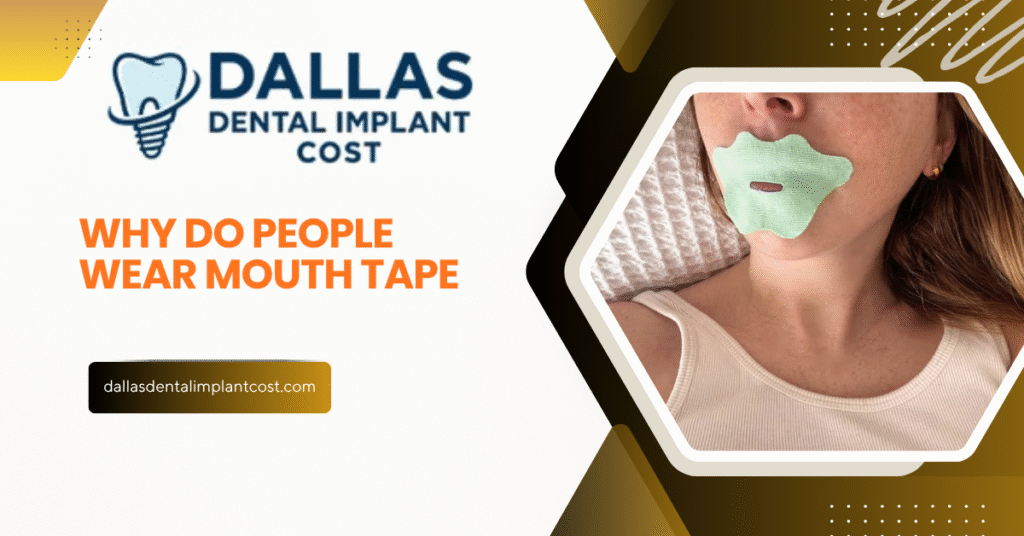
Have you ever woken up with a dry mouth, scratchy throat, or even a headache, wondering what happened during the night? Perhaps you’ve been told you snore like a freight train, or you simply feel tired even after a full night’s sleep. In our quest for better health and improved well-being, many of us are constantly looking for simple, yet effective solutions. One trend that has been gaining significant traction, especially as we move further into 2025, is mouth taping. It might sound a little strange at first – taping your mouth shut before bed? But I’m here to tell you, there’s a fascinating science and a growing community behind this practice.
I’ve been exploring various methods to optimize sleep and overall health, and the topic of nasal breathing versus mouth breathing has repeatedly surfaced. It turns out, how we breathe, especially at night, plays a massive role in our health. Mouth taping is a simple, non-invasive technique designed to encourage nasal breathing during sleep. It’s not about stifling your breath, but rather gently reminding your body to use the breathing mechanism it’s naturally designed for. In this comprehensive guide, I’ll dive deep into why people wear mouth tape, exploring the myriad benefits, the science behind it, how to do it safely, and who might find it most beneficial.
Read Also:-How Much Does a Wisdom Tooth Extraction.
Why Do People Wear Mouth Tape for Better Sleep–
Key Takeaways
- Promotes Nasal Breathing: Mouth taping encourages you to breathe through your nose, which is the natural and healthier way for your body to take in air, especially during sleep.
- Improves Sleep Quality: By facilitating nasal breathing, mouth taping can lead to deeper, more restorative sleep, reducing instances of snoring and sleep disturbances. 😴
- Boosts Overall Health: Nasal breathing offers numerous benefits, including better oxygen absorption, improved oral health, stronger immune function, and even better facial development.
- Simple & Non-Invasive: It’s an easy-to-implement, low-cost method that can make a big difference, but always consult a doctor first, especially if you have underlying health conditions.
- Not a Cure-All: While beneficial for many, mouth taping is not suitable for everyone and should never be used as a treatment for serious conditions like Obstructive Sleep Apnea (OSA) without medical supervision.
The Core Reason: Nasal Breathing vs. Mouth Breathing
Before we get into the “why” of mouth taping, it’s crucial to understand the fundamental difference between nasal breathing and mouth breathing, and why one is vastly superior, especially during sleep.
Think of your nose as your body’s built-in air filter, humidifier, and temperature regulator. When you breathe through your nose:
- Air is Filtered: Tiny hairs (cilia) and mucus in your nasal passages trap dust, allergens, and germs, preventing them from entering your lungs. It’s like a natural air purifier! 🌬️
- Air is Warmed and Humidified: Your nose warms and moistens the air before it reaches your lungs, which is vital for lung health and efficient oxygen exchange.
- Nitric Oxide Production: Your nasal passages produce nitric oxide, a gas that helps widen blood vessels, improving blood flow and oxygen delivery throughout your body, including to your brain and muscles. It also has antimicrobial properties.
- Diaphragmatic Breathing: Nasal breathing naturally encourages deeper, slower breaths, engaging your diaphragm. This type of breathing is calming and more efficient.
Now, let’s look at mouth breathing:
- Unfiltered Air: When you breathe through your mouth, air bypasses the natural filtration system of your nose, allowing more dust, allergens, and pathogens directly into your lungs.
- Dry Air: The air isn’t warmed or humidified, leading to a dry mouth and throat, which can cause discomfort, bad breath, and increase the risk of dental problems.
- Less Efficient Oxygen Exchange: Mouth breathing can lead to hyperventilation, where you breathe too much air, which paradoxically can reduce oxygen delivery to your tissues. It often results in shallow, chest breathing.
- Snoring and Sleep Apnea Risk: Mouth breathing is a major contributor to snoring and can exacerbate conditions like Obstructive Sleep Apnea (OSA).
“Your nose is for breathing, your mouth is for eating.” This simple adage perfectly encapsulates the evolutionary design of our respiratory system.
The Science Behind Nasal Breathing Benefits
The benefits of consistent nasal breathing extend far beyond just feeling more comfortable. Here’s a deeper dive into the science-backed advantages that lead people to consider mouth taping:
Improved Oxygenation 🌬️
As I mentioned, nasal breathing increases the production of nitric oxide. This tiny molecule is a vasodilator, meaning it widens your blood vessels. When blood vessels are wider, blood flows more easily, delivering more oxygen to your lungs, heart, brain, and all other tissues. This improved oxygen delivery can lead to:
- Enhanced Cognitive Function: Better brain oxygenation means sharper focus, improved memory, and clearer thinking.
- Increased Energy Levels: Cells function more efficiently with ample oxygen, combating fatigue.
- Better Physical Performance: Athletes often train to optimize nasal breathing because it can improve stamina and reduce breathlessness.
Better Sleep Quality 😴
This is arguably one of the biggest drivers behind the mouth taping trend. Mouth breathing at night often leads to fragmented sleep. When you breathe through your mouth, your airway is more prone to collapse, leading to snoring and pauses in breathing. By encouraging nasal breathing, mouth taping helps:
- Stabilize the Airway: Nasal breathing helps maintain an open and stable airway, reducing the likelihood of partial or full obstructions.
- Promote Deeper Sleep Stages: When your breathing is calm and consistent, your body can more easily enter and stay in the restorative deep sleep and REM sleep stages.
- Reduce Arousals: Less snoring and fewer breathing disturbances mean fewer micro-arousals (brief awakenings you might not even remember), leading to truly uninterrupted sleep.
Reduced Snoring 🤫
If you or your partner struggles with snoring, you know how disruptive it can be. Snoring often occurs when air struggles to pass through a narrowed airway, causing the soft tissues in your throat to vibrate. Mouth breathing can significantly contribute to this.
- Airway Stability: As discussed, nasal breathing helps keep the airway open.
- Tongue Position: When you breathe through your nose, your tongue naturally rests against the roof of your mouth. When you mouth breathe, your tongue often drops back, further narrowing the airway and contributing to snoring. Mouth taping helps keep the tongue in the correct position.
Oral Health Benefits 🦷
Chronic mouth breathing can wreak havoc on your oral health. I often hear from dentists and hygienists about the issues they see.
- Prevents Dry Mouth: A constantly open mouth leads to dry mouth, which reduces saliva production. Saliva is your mouth’s natural defense against bacteria, washing away food particles and neutralizing acids.
- Reduces Cavities and Gum Disease: With less saliva, bacteria thrive, increasing the risk of cavities, gingivitis, and periodontitis.
- Combats Bad Breath: Dry mouth is a primary cause of halitosis (bad breath) because bacteria proliferate more easily.
- Supports Healthy Oral Microbiome: A balanced oral microbiome is essential for health, and mouth breathing disrupts this balance.
Facial Development (Especially in Children) 👶
While mouth taping is generally for adults, understanding its impact on facial development highlights the long-term consequences of mouth breathing. For children, prolonged mouth breathing can lead to:
- “Long Face Syndrome”: A narrow face, underdeveloped jaw, and misaligned teeth.
- Recessed Chin and Forward Head Posture: Affecting aesthetics and potentially leading to neck and jaw pain.
- Dental Malocclusion: Crooked teeth and bite problems that often require extensive orthodontic work.
Even in adults, maintaining proper tongue posture (which nasal breathing encourages) can help support facial structure.
Immune System Support 💪
Your nose isn’t just a filter; it’s an important part of your immune defense.
- Pathogen Trapping: The mucus and hairs in your nose trap viruses, bacteria, and allergens before they reach your lungs.
- Nitric Oxide’s Role: Nitric oxide has antiviral and antibacterial properties, acting as a first line of defense against airborne pathogens.
- Overall Health: Better sleep and oxygenation contribute to a stronger immune system, making your body more resilient against illness.
Stress Reduction and Calmness 🧘♀️
Nasal breathing, particularly when it’s slow and deep, activates the parasympathetic nervous system – your body’s “rest and digest” system.
- Lower Heart Rate: Slower breathing signals your body to calm down, reducing heart rate and blood pressure.
- Reduced Anxiety: Engaging the diaphragm in deep breathing helps to alleviate feelings of stress and anxiety, promoting a sense of calm. This is why many meditation and yoga practices emphasize nasal breathing.
| Feature | Nasal Breathing | Mouth Breathing |
|---|---|---|
| Air Quality | Filtered, warmed, humidified | Unfiltered, dry, cool |
| Nitric Oxide | Produced, improves circulation & oxygenation | Not produced |
| Oxygen Uptake | Efficient, deep, diaphragmatic | Less efficient, shallow, chest breathing |
| Snoring Risk | Lowers risk | Increases risk |
| Oral Health | Prevents dry mouth, protects teeth & gums | Causes dry mouth, increases cavities & gum disease |
| Sleep Quality | Promotes deep, restorative sleep | Disrupts sleep, causes arousals |
| Immune System | Enhances defense against pathogens | Bypasses natural defense |
| Stress Response | Activates “rest and digest,” calming | Can trigger “fight or flight,” increasing stress |
So, What Exactly is Mouth Taping?
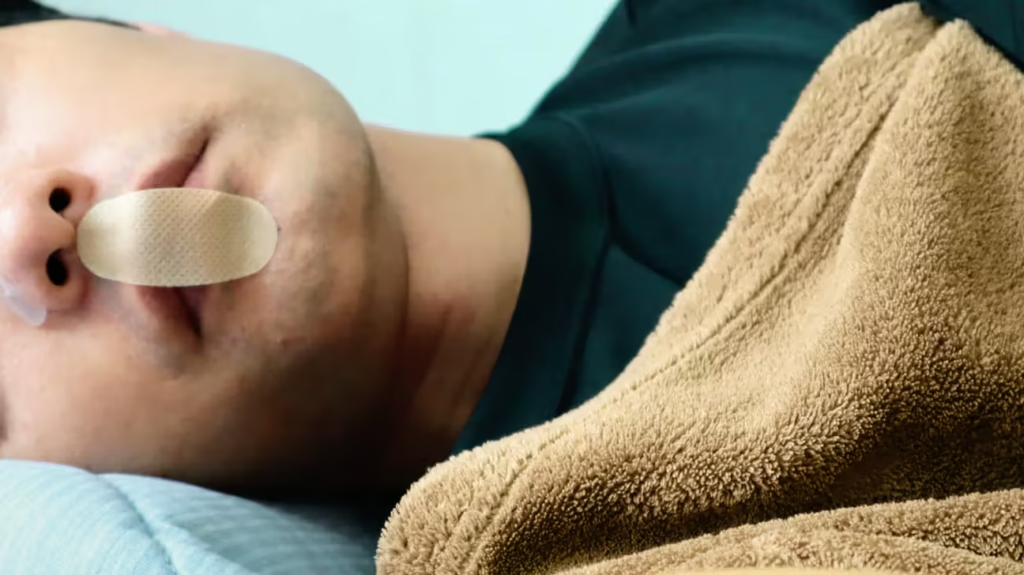
Mouth taping is precisely what it sounds like: applying a small piece of specially designed, skin-safe tape over your lips before sleep to gently keep your mouth closed. The goal is not to seal your mouth shut with an impenetrable barrier, but rather to provide a subtle physical reminder to encourage your jaw to stay closed and your tongue to rest in the proper position against the roof of your mouth. This, in turn, promotes nasal breathing throughout the night.
It’s important to differentiate mouth tape from regular adhesive tape. Mouth tapes are specifically designed to be breathable, hypoallergenic, and easy to remove without causing skin irritation. They come in various shapes and sizes, from small strips that cover just the center of the lips to larger patches that cover the entire mouth area.
“Mouth taping is a gentle nudge, not a forceful closure. It’s about retraining your body, not restricting it.”
Who Might Benefit from Mouth Taping?
While the idea seems simple, not everyone needs or should try mouth taping. However, for certain individuals, it can be a game-changer.
Chronic Mouth Breathers
If you consistently wake up with a dry mouth, bad breath, or a scratchy throat, chances are you’re a mouth breather at night. Mouth taping can help retrain your body to use your nose.
Snore Sufferers
Many people who snore do so because their mouth opens during sleep, causing the tongue and soft tissues to fall back and obstruct the airway. By keeping the mouth closed, tape can reduce or even eliminate snoring for some individuals.
Individuals Seeking Better Sleep
Even if you don’t snore loudly, if you feel consistently unrested, mouth breathing might be fragmenting your sleep. Promoting nasal breathing can lead to deeper, more restorative sleep cycles.
Those with Dry Mouth Issues
Beyond just discomfort, chronic dry mouth (xerostomia) has significant health implications, as discussed in the oral health section. Mouth taping can be an effective way to prevent nocturnal dry mouth.
Athletes
Some athletes use mouth taping to improve their respiratory efficiency, particularly those involved in endurance sports. Optimized nasal breathing can enhance oxygen uptake and improve stamina.
The Different Types of Mouth Tapes Available
As the popularity of mouth taping has grown, so has the variety of products on the market. In 2025, you’ll find several options tailored to different preferences:
- Small Strip Tapes: These are often small, rectangular, or X-shaped strips that cover just the center of your lips. They are designed to be minimally intrusive while still providing the gentle reminder to keep your mouth closed. Brands like Myotape are popular in this category.
- Full Lip Coverage Tapes: These tapes are larger, often oval or custom-shaped, designed to cover the entire mouth area. They provide a more secure seal for those who find the smaller strips insufficient.
- Porous/Breathable Tapes: Most reputable mouth tapes are made from hypoallergenic, porous materials that allow for some air circulation, preventing a feeling of suffocation.
- Gentle Adhesives: Look for medical-grade, hypoallergenic adhesives that are strong enough to stay on all night but gentle enough not to irritate your skin or leave residue.
When choosing a tape, I recommend starting with a smaller, less adhesive option and seeing how you tolerate it. Comfort and safety are paramount.
How to Start Your Mouth Taping Journey Safely
Embarking on any new health practice requires caution and an informed approach. Here’s my advice on how to safely try mouth taping:
Consult Your Doctor First! 🩺
I cannot stress this enough. Before you even think about putting tape on your mouth, especially if you have any underlying health conditions, talk to your doctor or a sleep specialist. This is particularly critical if you suspect you might have Obstructive Sleep Apnea (OSA), severe nasal congestion, or other respiratory issues. Mouth taping is not a cure for OSA and can be dangerous if your nasal passages are blocked or if you have severe breathing difficulties.
Choose the Right Tape
Don’t just grab any tape from your drawer. Use a purpose-designed mouth tape. These are available online and in many pharmacies. Look for:
- Hypoallergenic: To prevent skin irritation.
- Breathable: Important for comfort and safety.
- Easy Release: You want to be able to remove it quickly if needed.
- Medical Grade: Ensures it’s safe for skin contact.
Preparation is Key
- Clean Your Face: Before applying, make sure your lips and the skin around your mouth are clean, dry, and free of moisturizers or oils. This helps the tape adhere properly.
- Ensure Nasal Patency: Make sure your nose is clear. If you have a stuffy nose due to allergies or a cold, mouth taping is not advisable. Use a saline rinse or nasal strips if needed to open up your nasal passages.
Application Techniques
There are a few ways to apply mouth tape:
- The Small Strip Method: For beginners, I recommend a small, horizontal strip placed across the center of your lips. This leaves the corners of your mouth free, providing a safety valve if you absolutely need to mouth breathe.
- The “X” Method: Some people prefer two smaller strips forming an “X” over the lips for a slightly more secure hold while still allowing some flexibility.
- Full Coverage (Advanced): Only consider full coverage if you’ve successfully used smaller strips for an extended period and are confident in your nasal breathing.
Start slow. Try it for short naps first, or just for a portion of the night. Gradually increase the duration as you become more comfortable.
Listen to Your Body
If you wake up feeling anxious, claustrophobic, or unable to breathe through your nose, remove the tape immediately. It’s not for everyone, and your comfort and safety are paramount.
Consistency
Like any new habit, consistency is key. It might feel strange for the first few nights, but with patience, your body can adapt to nasal breathing.
Potential Risks and Who Should Avoid Mouth Taping
While mouth taping offers many benefits, it’s not without its risks, and it’s definitely not for everyone. Awareness of these points is crucial for safe practice.
Breathing Difficulties / Claustrophobia 😬
For some, the sensation of having their mouth taped can trigger anxiety or claustrophobia. If you feel panicky or like you can’t breathe, remove the tape immediately. It’s a gentle reminder, not a restriction.
Skin Irritation
Even hypoallergenic tapes can cause irritation, redness, or allergic reactions in sensitive individuals. Test a small piece on your skin first.
Obstructive Sleep Apnea (OSA) – Crucial Point!
This is perhaps the most important caution. Mouth taping is NOT a treatment for Obstructive Sleep Apnea (OSA). If you have undiagnosed or severe OSA, taping your mouth shut could be dangerous. OSA involves repeated episodes of airway collapse during sleep. If your nasal passages are already partially or fully obstructed, taping your mouth could further restrict your breathing, potentially leading to lower oxygen levels and increased health risks.
“Never use mouth tape as a substitute for medical diagnosis or treatment of sleep apnea. Consult a sleep specialist first.”
Nasal Congestion
If you have a cold, allergies, or chronic nasal congestion, mouth taping is a bad idea. You need to be able to breathe freely and comfortably through your nose.
Children (Consult Pediatrician)
Mouth taping is generally not recommended for children without specific guidance from a pediatrician or orthodontist experienced in airway issues. Children’s airways are smaller, and their ability to communicate discomfort might be limited.
Allergies
If you have known allergies to adhesives or latex, carefully check the ingredients of any mouth tape before use.
My Personal Thoughts and Experience
As someone who is always looking for ways to optimize health and wellness, I was naturally curious about mouth taping. I started my own journey cautiously, as I encourage everyone else to do. My first few nights were… interesting! I’d wake up and find the tape had come off, or I’d subconsciously peel it off in my sleep. But I persevered, starting with small, porous strips.
What I noticed over time was a significant reduction in morning dry mouth. My throat no longer felt scratchy, and my breath seemed fresher. While I don’t have severe snoring issues, my partner did mention that the nights I successfully kept the tape on were noticeably quieter. Most importantly, I felt a subtle but definite improvement in my overall sleep quality – a feeling of waking up more refreshed and energized. It wasn’t a magic bullet overnight, but a gradual, positive shift.
I’ve come to view mouth taping as a valuable tool in my sleep hygiene toolkit, alongside things like maintaining a consistent sleep schedule and optimizing my sleep environment. It’s not a replacement for good habits, but an enhancement.
Dispelling Common Myths About Mouth Taping
With any emerging health trend, myths and misconceptions are bound to arise. Let’s clear up a few common ones about mouth taping:
- Myth 1: It’s Dangerous Because You Can’t Breathe if Your Nose Gets Stuffy.
- Fact: Reputable mouth tapes are designed to be easily removable, and your body’s natural reflexes will kick in if you genuinely can’t breathe through your nose. However, it’s crucial to only mouth tape if your nasal passages are clear. If you wake up with a stuffy nose, remove the tape.
- Myth 2: It’s Only for People with Severe Snoring.
- Fact: While it can help with snoring, many people use it for the broader benefits of nasal breathing, such as improved oxygenation, better oral health, and deeper sleep, even if they don’t snore heavily.
- Myth 3: It’s a Cure for Sleep Apnea.
- Fact: Absolutely not. As I’ve emphasized, mouth taping should never be used to treat sleep apnea. OSA requires medical diagnosis and treatment, which might include CPAP therapy, oral appliances, or surgery. Taping your mouth shut with undiagnosed or untreated OSA can be dangerous.
- Myth 4: Any Tape Will Do.
- Fact: No! Using regular household tape (like duct tape or masking tape) is a terrible idea. These tapes are not designed for skin, can cause severe irritation, allergic reactions, and are not breathable. Always use medical-grade, hypoallergenic mouth tape.
- Myth 5: It’s Unnatural to Force Your Mouth Shut.
- Fact: The goal isn’t to “force” your mouth shut but to gently encourage your body to revert to its natural, intended breathing method – through the nose. Our bodies are designed for nasal breathing, and mouth taping helps remind us of that.
The Future of Nasal Breathing and Sleep Health in 2025
As we navigate through 2025, the focus on holistic health and preventive measures continues to grow. I believe that practices like mouth taping, which promote fundamental physiological functions like proper breathing, will become even more mainstream. With increasing awareness of the detriments of chronic mouth breathing and the numerous benefits of nasal breathing, more people are seeking simple, accessible ways to improve their sleep and overall well-being.
Research into the long-term effects of nasal breathing on chronic diseases, cognitive function, and athletic performance is ongoing, and I anticipate even more scientific validation for these practices. The market for specialized mouth tapes and related sleep accessories will likely expand, offering even more comfortable and effective solutions. However, the core message will remain the same: prioritize nasal breathing, listen to your body, and always consult medical professionals for guidance, especially with complex health issues.
Conclusion
The question “why do people wear mouth tape?” leads us down a fascinating path into the science of respiration and its profound impact on our health. From improving sleep quality and reducing snoring to boosting oral health and supporting our immune system, the benefits of nasal breathing are undeniable. Mouth taping serves as a simple, yet effective, tool to help us transition from habitual mouth breathing to the more beneficial nasal breathing, especially during our crucial sleeping hours.
As I’ve highlighted, while the practice holds great promise for many, it’s not a one-size-fits-all solution. Always prioritize your safety by consulting with a healthcare professional before starting, especially if you have existing health conditions. If you’re tired of waking up with a dry mouth, battling morning fatigue, or struggling with snoring, mouth taping might just be the gentle nudge your body needs to unlock a new level of restorative sleep and overall well-being in 2025 and beyond. Give your nose the job it was designed for, and you might just discover a profound improvement in how you feel, day in and day out.