
Navigating life with diabetes often means carefully managing various health aspects, and oral health is no exception. For individuals considering tooth replacement, the question of “Can I get dental implants if I have diabetes?” is common. In 2026, the answer is often yes, but with careful management and the right specialists. This comprehensive guide, “Dental Implants for Diabetics Dallas 2026: Managing Risks, Costs, and Top Specialist Clinics,” aims to provide clarity and reassurance for Dallas residents. We will explore how diabetes impacts implant success, the essential steps for risk management, an overview of costs in the Dallas area, and how to find experienced dental professionals who prioritize patient safety and long-term oral health.
Key Takeaways
- Diabetes is not an automatic barrier to dental implants. With proper blood sugar control and a personalized treatment plan, successful outcomes are highly achievable.
- Risk management is paramount. This includes strict pre-operative blood glucose control, detailed oral health assessments, and close post-operative monitoring.
- Costs in Dallas vary. Factors like bone grafting, sedation, and the number of implants influence the overall expense, necessitating a detailed consultation.
- Specialist selection is critical. Choosing a multidisciplinary team with experience in treating diabetic patients significantly improves the chances of success.
- Long-term commitment to oral hygiene and diabetes management is essential for the longevity of dental implants.
Understanding Diabetes and Dental Implant Success in Dallas 2026
For individuals with diabetes, the body’s ability to heal and fight infection can be affected. This is a primary concern when considering a surgical procedure like dental implant placement. However, advances in dental technology and a deeper understanding of diabetes management mean that dental implants are a viable and effective tooth replacement option for many diabetic patients in 2026. The key lies in careful planning and diligent management of blood glucose levels.
The Impact of Diabetes on Oral Health and Implants
Diabetes can affect oral health in several ways:
- Impaired Healing: High blood sugar levels can slow down the healing process after surgery, which is crucial for the osseointegration (fusion) of the dental implant with the jawbone.
- Increased Infection Risk: Diabetes can weaken the immune system, making individuals more susceptible to infections, including those that can affect the implant site.
- Periodontal Disease: Diabetics are at a higher risk for gum disease (periodontitis), which, if untreated, can compromise the stability of natural teeth and dental implants alike.
- Bone Density: In some cases, diabetes can affect bone quality, which is vital for the successful integration of the implant.
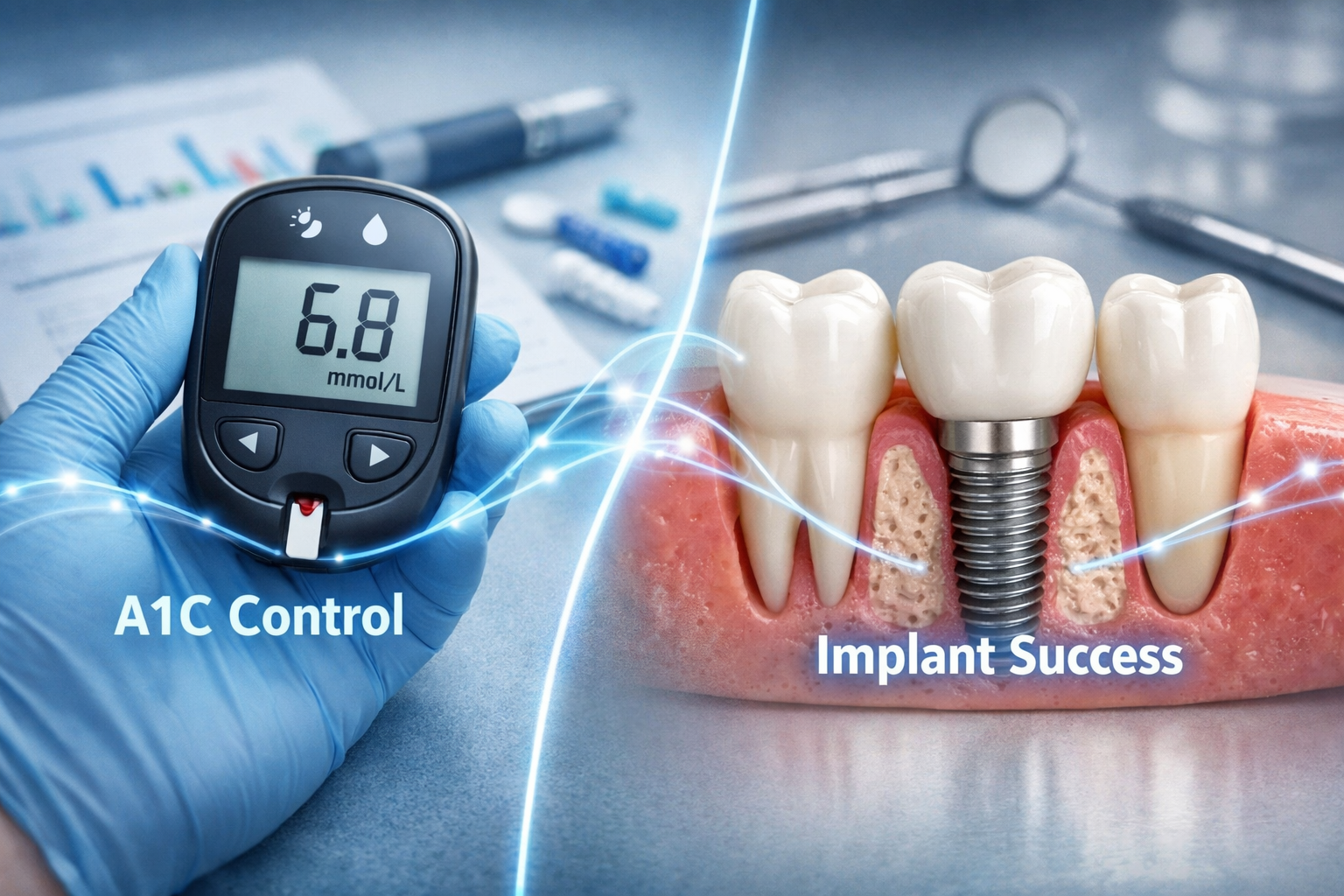
Despite these factors, research consistently shows that well-controlled diabetes is not a contraindication for dental implants. A patient’s A1C level (a measure of average blood sugar over 2-3 months) is often a critical indicator. Dentists and oral surgeons in Dallas typically look for an A1C below 7% before proceeding with implant surgery, though individual thresholds may vary.
Pre-Operative Blood Sugar Protocols for Dental Implants for Diabetics Dallas 2026
Before implant surgery, a thorough medical evaluation is essential. This often involves:
- Consultation with your Physician: Your dental specialist will likely request a clearance from your primary care physician or endocrinologist to ensure your diabetes is well-managed.
- A1C Testing: Recent A1C results provide a clear picture of long-term blood sugar control.
- Blood Glucose Monitoring: Patients may be asked to monitor their blood sugar closely in the days leading up to surgery.
- Medication Review: Adjustments to insulin or other diabetic medications might be necessary before and after the procedure.
- Detailed Oral Examination: A comprehensive assessment of your current oral health, including any signs of gum disease or other infections, is crucial.
Managing risks effectively ensures patient safety and contributes significantly to the long-term success of dental implants in Dallas. For those considering tooth replacement options, it is important to remember that proactive management makes a difference.
Understanding Dental Implants for Diabetics Dallas 2026: Costs and Financial Planning
The cost of dental implants can be a significant consideration for any patient, and for diabetics, there might be additional factors that influence the overall expense. Understanding these components is key to informed decision-making regarding dental implants in Dallas.
Factors Influencing Dental Implant Cost for Diabetics in Dallas
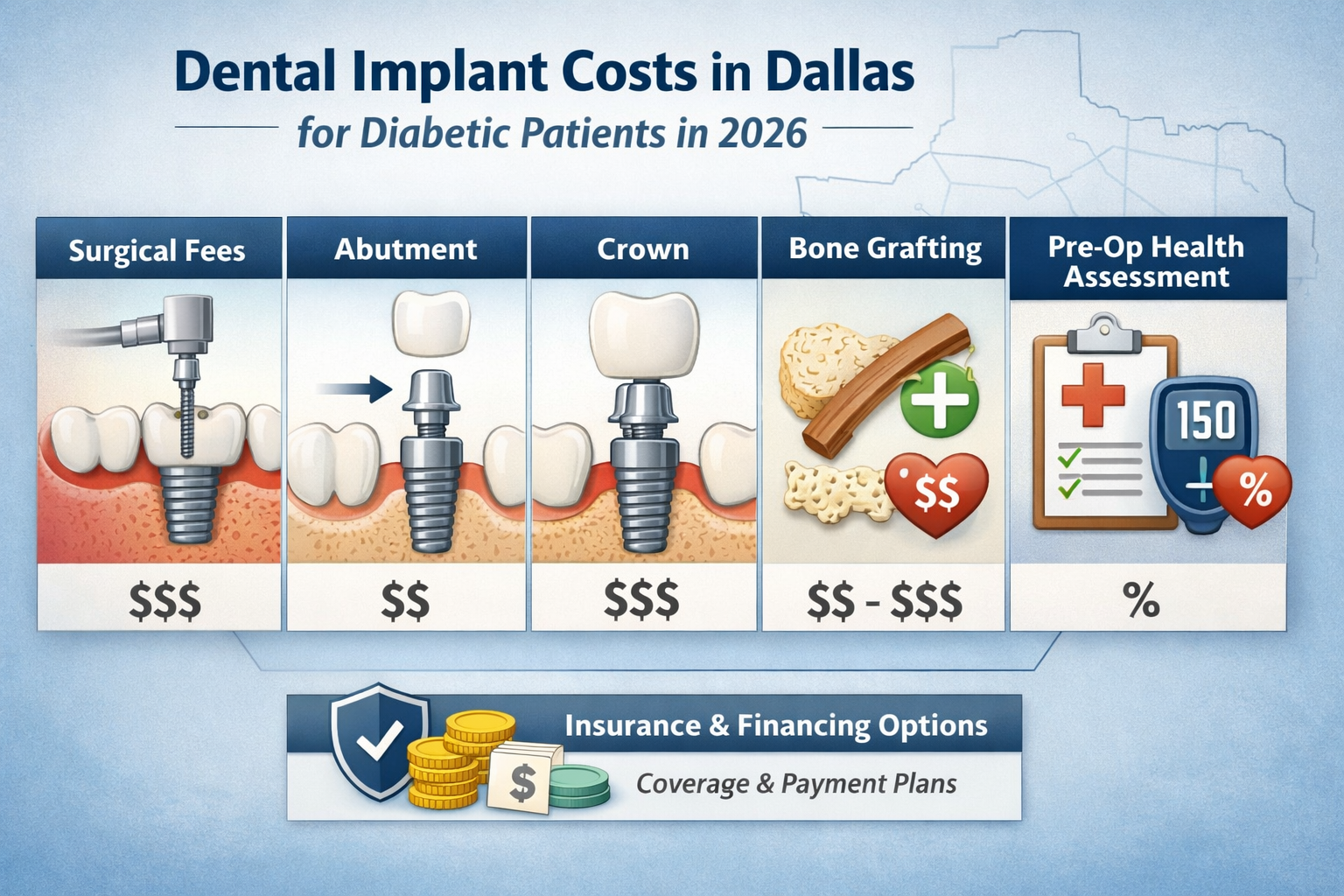
The total cost of dental implants for diabetics in Dallas in 2026 can vary widely based on several elements:
- Pre-Operative Care: This may include additional blood tests, consultations with medical doctors, or management of existing oral infections before surgery.
- Need for Bone Grafting: If diabetes has contributed to bone loss in the jaw, a bone graft might be necessary to provide sufficient bone structure for the implant. This adds to the overall cost and treatment time.
- Type of Implant and Prosthetic: The material (e.g., titanium vs. zirconia), the number of implants, and the type of prosthetic (single crown, bridge, or full arch) all impact pricing. You can learn more about understanding dental implant material costs in Dallas.
- Surgical Complexity: The difficulty of the implant surgery, including the need for specialized techniques like 3D guided dental implants Dallas 2026, can affect the fee.
- Anesthesia/Sedation: The type of anesthesia chosen, from local anesthetic to IV sedation, will influence the final price.
- Follow-up Care: Diabetics often require closer post-operative monitoring, which is usually factored into the treatment plan.
While it’s challenging to provide an exact figure without a personal consultation, single dental implants in Dallas generally range from $3,000 to $6,000 per tooth, not including potential ancillary procedures like bone grafting. Full mouth dental implant solutions, such as All-on-4 or All-on-6, will be considerably higher, reflecting the complexity and number of implants involved. For a broader perspective on costs, you can review Dallas Dental Implant Cost vs National Averages 2026.
Financial Planning and Payment Options
Many dental offices in Dallas understand the financial commitment involved with dental implant procedures and offer various payment solutions:
- Dental Insurance: While many dental insurance plans offer limited coverage for implants, it’s worth checking your policy. Some plans may cover diagnostic procedures or a portion of the restorative work. Understanding Navigating PPO vs. HMO Dental Insurance for Implants in Dallas can be helpful.
- Financing Plans: Many clinics partner with third-party lenders that offer low-interest or interest-free payment plans for qualified patients.
- HSA/FSA Accounts: Health Savings Accounts (HSAs) and Flexible Spending Accounts (FSAs) allow you to use pre-tax dollars for medical and dental expenses, including dental implants. Explore Dallas Dental Implants HSA/FSA Eligible Expenses 2026.
- Package Deals: Some clinics offer comprehensive packages for full mouth restorations, which may provide cost savings compared to individual procedures.
During your initial consultation, a detailed cost breakdown and discussion of payment options will be provided, ensuring full transparency.
Top Specialist Clinics for Dental Implants for Diabetics Dallas 2026
Choosing the right dental professional is the most crucial step when considering dental implants, especially for individuals with diabetes. In Dallas, several highly-regarded clinics and specialists have extensive experience in managing complex cases, including those involving diabetic patients.
What to Look for in a Specialist
When seeking a specialist for dental implants in Dallas, consider the following, particularly if you have diabetes:
- Experience with Diabetic Patients: Inquire specifically about their success rates and protocols for patients with diabetes. An experienced implant dentist will understand the unique challenges and how to mitigate risks.
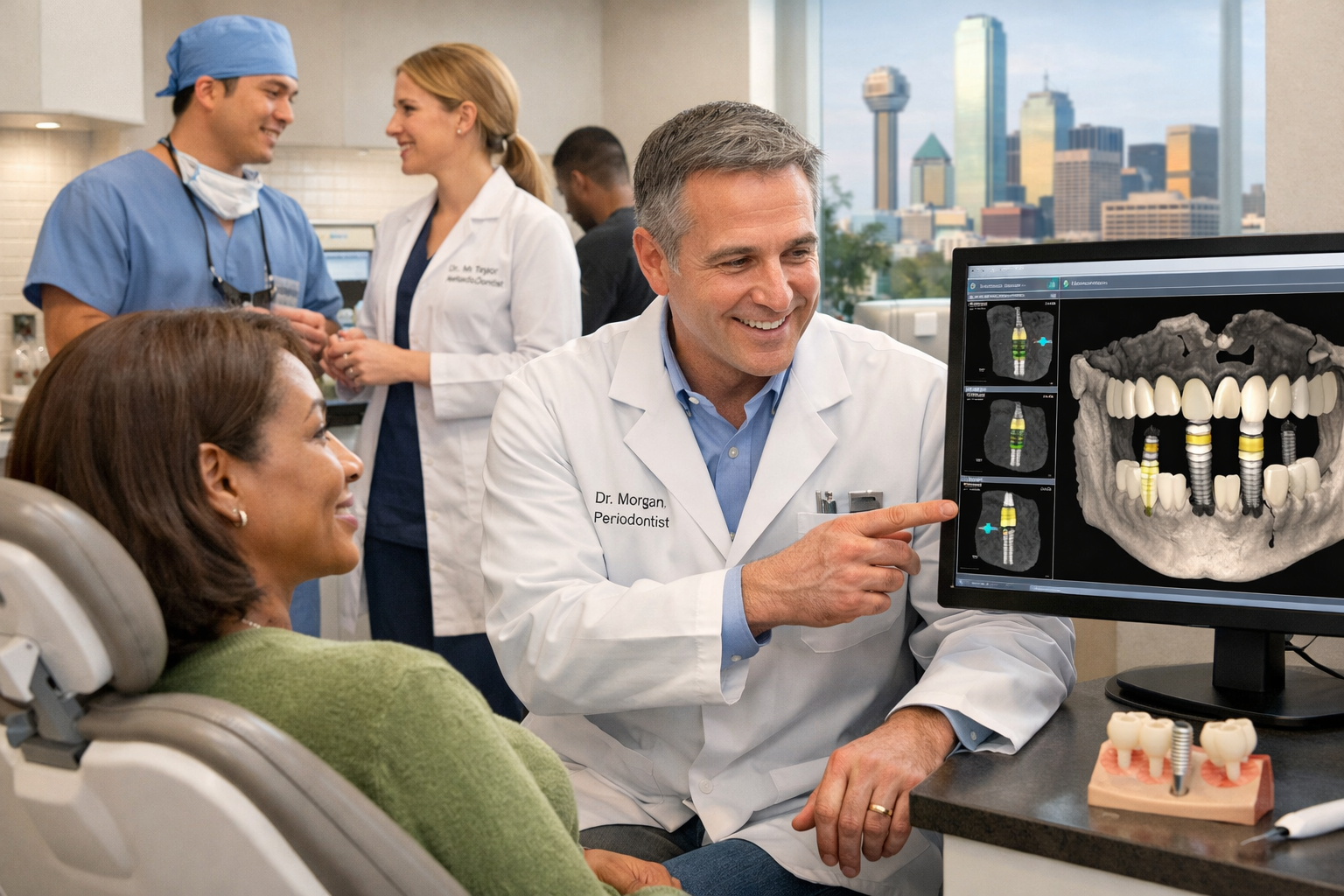
- Multidisciplinary Approach: The best outcomes often come from a team approach involving a periodontist (gum specialist), oral surgeon, and restorative dentist. This ensures comprehensive care from initial assessment to final restoration.
- Advanced Technology: Clinics utilizing modern technologies like 3D imaging (CBCT scans), computer-guided surgery, and intraoral scanners can offer greater precision and safety.
- Patient-First Philosophy: A clinic that prioritizes clear communication, thorough education, and compassionate care is essential. They should be willing to take the time to answer all your questions and address concerns.
- Positive Patient Outcomes and Testimonials: Reviews and testimonials from other diabetic patients can provide valuable insights into a clinic’s approach and success.
Recommended Types of Specialists in Dallas
- Board-Certified Periodontists: These specialists focus on the health of gums and bone around teeth and implants. Their expertise is invaluable for diabetic patients who are at higher risk for gum disease and bone issues.
- Board-Certified Oral and Maxillofacial Surgeons: Oral surgeons are highly trained in surgical procedures of the mouth, face, and jaw, including complex implant placements and bone grafting.
- Prosthodontists: These specialists focus on the restoration of teeth and the creation of dental prostheses (crowns, bridges, dentures). They ensure the final implant restoration is functional, aesthetic, and durable.
Preparing for Your Consultation
When you schedule a consultation with a Dallas dental implant specialist, be prepared to discuss your complete medical history, including your diabetes diagnosis, current medications, and recent A1C levels. Ask specific questions about their experience with diabetic patients, their risk management protocols, and the expected timeline and costs. Our guide on Preparing for Your Dental Implant Consultation in Dallas offers a helpful checklist.
Remember, the goal is to find a specialist who not only has the technical skill but also the empathetic understanding required to provide exceptional care for patients with diabetes. Don’t hesitate to seek second opinions to ensure you feel confident and comfortable with your chosen provider.
Conclusion
The journey to restoring your smile with dental implants, even with a diabetes diagnosis, is a very achievable goal in Dallas in 2026. While diabetes introduces additional considerations regarding healing and infection risk, these can be effectively managed with proper blood sugar control and a dedicated dental team. By understanding the risks, carefully planning for costs, and selecting top specialist clinics experienced with dental implants for diabetics in Dallas, patients can look forward to successful outcomes and improved long-term oral health.
We encourage anyone in Dallas considering dental implants to prioritize a comprehensive consultation with a qualified dental professional. This crucial step will allow for a personalized assessment, a clear treatment plan, and a transparent discussion of all aspects, ensuring you make the best decision for your oral health.
References
- American Academy of Periodontology. (2018). Diabetes & Periodontal (Gum) Disease. Retrieved from https://www.perio.org/consumer/diabetes.htm
- Chrcanovic, B. R., Albrektsson, T., & Wennerberg, A. (2015). Diabetes and oral implant failure: a systematic review. Journal of Dentistry, 43(12), 1400–1407.
- Moy, P. K., Medina, D., Shetty, V., & Aghaloo, T. L. (2005). Dental implant failure rates and associated risk factors. The International Journal of Oral & Maxillofacial Implants, 20(4), 569–577.