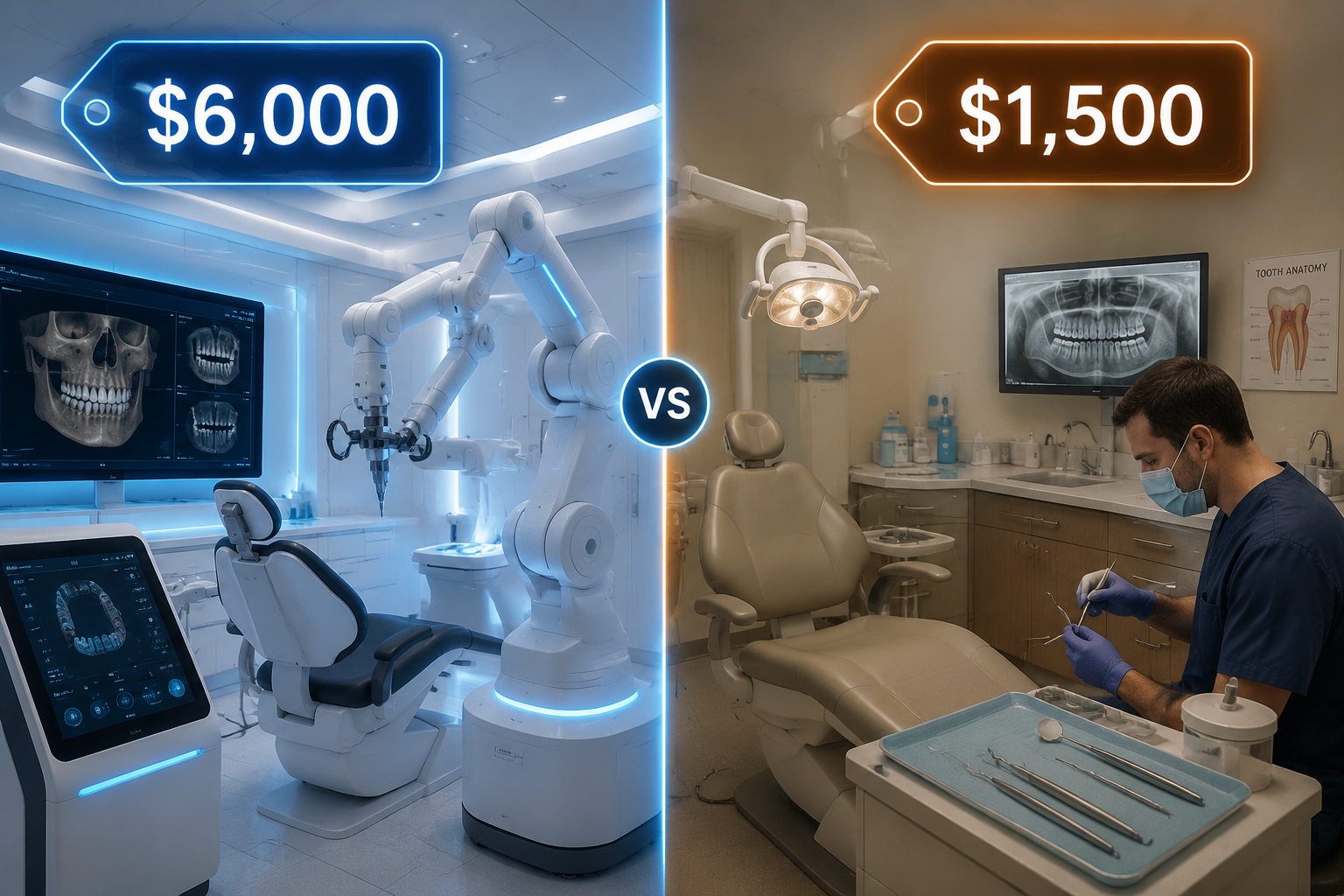
Navigating the landscape of dental implant costs in Dallas can often feel like solving a complex puzzle. Patients frequently report receiving wildly disparate quotes, even for what seems to be the “same” tooth replacement, with prices ranging significantly from $1,500 to $6,000. This wide variation in Same Dentist, Different Price: Why Dental Implant Quotes in Dallas Vary from $1,500 to $6,000 for the ‘Same’ Tooth is a common source of confusion and concern. Understanding the factors that contribute to this extensive price spread is crucial for making an informed decision about your oral health. This article will break down the hidden elements, from treatment plan complexities to material choices, imaging, sedation, and warranty differences, that account for these seemingly contradictory estimates.
Key Takeaways
- Comprehensive Treatment: A dental implant quote isn’t just for the implant itself; it includes surgical planning, adjunctive procedures, and the final restoration.
- Material Matters: The type of implant material (titanium vs. zirconia) and crown material significantly impacts the overall cost and longevity.
- Technology & Expertise: Advanced diagnostic imaging (3D CT scans), guided surgery, and the dentist’s specialized training contribute to precision and can affect pricing.
- Additional Procedures: Bone grafting, sinus lifts, or extractions, when necessary, add to the total cost.
- Sedation Options: Different sedation methods are available, each with its own cost implications, impacting patient comfort.
The Foundation of Variation: Treatment Plan Complexity and Technology
The initial consultation for a dental implant often begins with a simple question: “How much does a dental implant cost?” However, the answer is rarely simple because a dental implant is a multi-stage process, not just a single component. The phrase “Same Dentist, Different Price: Why Dental Implant Quotes in Dallas Vary from $1,500 to $6,000 for the ‘Same’ Tooth” truly highlights the intricacies involved.
Initial Assessment and Diagnostic Imaging
Before any procedure, a thorough evaluation is essential. This includes a comprehensive oral examination, traditional X-rays, and often advanced 3D imaging like a Cone Beam CT (CBCT) scan.
- 2D X-rays: Basic X-rays provide a general view but may not reveal the detailed bone structure necessary for precise implant placement.
- 3D CBCT Scans: These scans offer a detailed, three-dimensional view of your jawbone, nerve pathways, and sinus cavities. This level of detail is critical for precise implant planning, especially for avoiding vital structures and ensuring adequate bone volume. Clinics utilizing this technology invest in expensive equipment and software, which can be reflected in the overall quote. Many Dallas clinics are embracing advanced technology, as highlighted in our article, Understanding the Role of Digital Dentistry in Dental Implant Success.
Surgical Planning and Guided Surgery
The precision of implant placement directly influences its long-term success.
- Traditional (Freehand) Placement: Some dentists may place implants using traditional methods, relying on 2D X-rays and their surgical experience. This can be less costly upfront but carries a higher risk if bone quality or anatomical structures are complex.
- 3D Guided Surgery: This involves using the CBCT data to create a custom surgical guide. This guide ensures the implant is placed at the exact predetermined angle, depth, and position, minimizing risks and improving predictability. While adding to the initial cost, guided surgery can lead to better outcomes and reduce complications, potentially saving money in the long run. Learn more about its benefits here: 3D Guided Dental Implant Surgery Dallas: How Tech Cuts Costs.
“The true cost of a dental implant reflects the investment in precision, safety, and long-term success, not just the physical implant itself.”
Adjunctive Procedures
Many patients require additional procedures before an implant can be successfully placed. These “adjunctive” procedures significantly impact the final cost.
- Tooth Extraction: If the tooth needing replacement is still present, an extraction will be necessary.
- Bone Grafting: If there isn’t enough jawbone to support the implant, a bone graft is needed to build up the site. This can range from minor grafts to more extensive procedures like sinus lifts or block grafts. The material used for the graft (patient’s own bone, cadaver bone, synthetic materials) also affects cost.
- Sinus Lift: For upper jaw implants, if the sinus cavity is too close to the implant site, a sinus lift elevates the sinus floor to create space for bone grafting.
- Soft Tissue Grafting: Sometimes, gum tissue augmentation is required for aesthetic reasons or to protect the implant.
These procedures are integral to ensuring the longevity and stability of the implant and are a primary reason why initial quotes for the “same” tooth can vary so widely. A patient needing extensive bone grafting will naturally have a higher total cost than one with adequate existing bone.
Material Choices, Lab Fees, and Professional Expertise
Beyond the surgical preparation, the components of the dental implant itself and the expertise involved in its creation and placement contribute substantially to the variance in pricing. The question of Same Dentist, Different Price: Why Dental Implant Quotes in Dallas Vary from $1,500 to $6,000 for the ‘Same’ Tooth is often answered by delving into these critical details.
Implant Components: Post, Abutment, and Crown
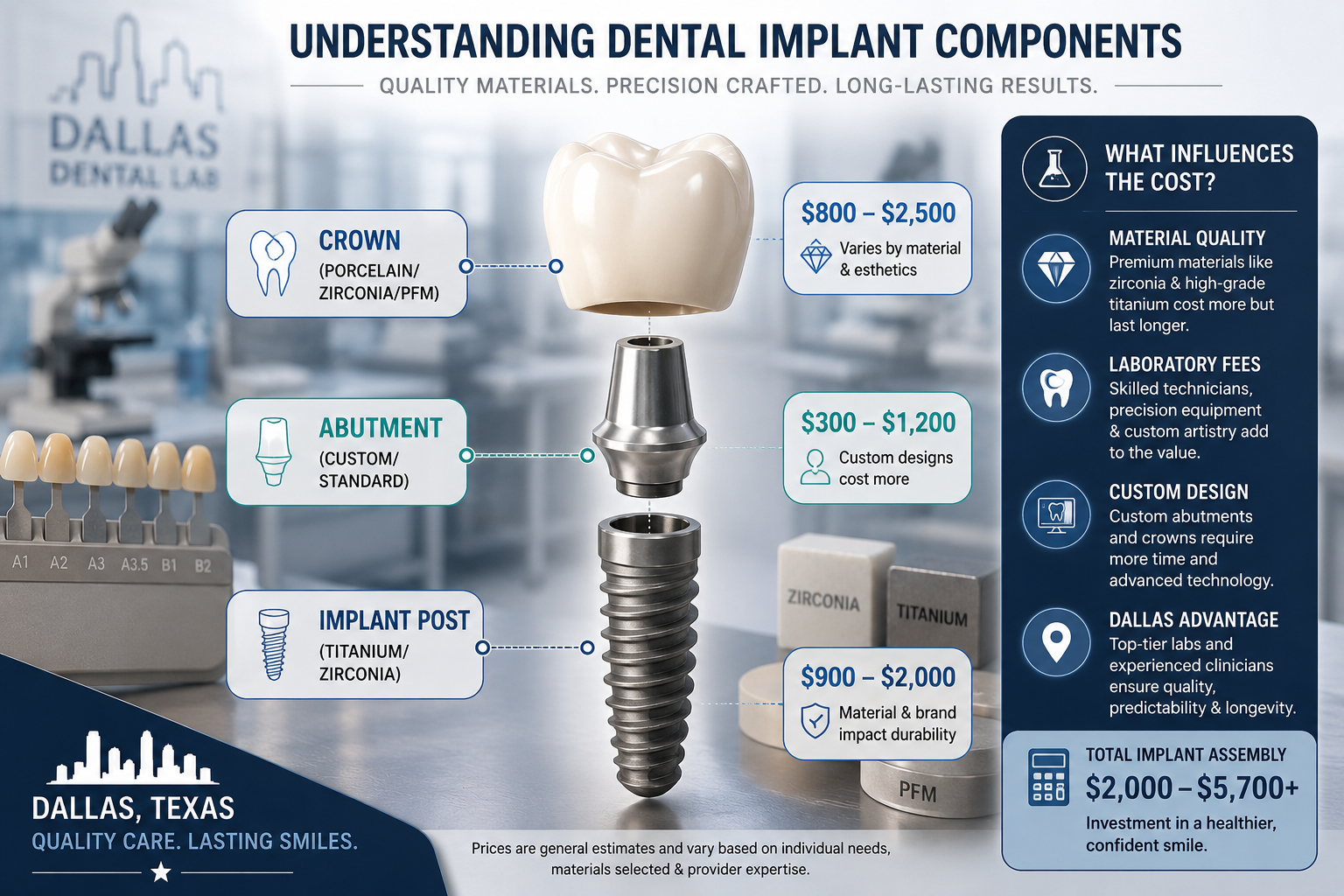
A dental implant system consists of three main parts, each with different material options and associated costs:
- Implant Post (Fixture): This is the screw-shaped titanium or zirconia post surgically placed into the jawbone.
- Titanium Implants: The most common and time-tested material, known for its biocompatibility and strength. Reputable brands (e.g., Nobel Biocare, Straumann, Zimmer Biomet) invest heavily in research and development, resulting in higher quality, more predictable outcomes, and a higher cost. Generic or lesser-known brands may offer lower prices but potentially with less proven long-term success.
- Zirconia Implants: A metal-free, ceramic option preferred by some for aesthetic reasons or metal allergies. Zirconia implants can be more expensive due to material and manufacturing costs. Learn more about Why Zirconia Implants Cost More in Dallas.
- Abutment: This connector attaches to the implant post and extends above the gum line, supporting the dental crown.
- Stock Abutments: Pre-manufactured, standardized abutments are generally less expensive.
- Custom Abutments: These are custom-milled to perfectly fit your gum line and create an ideal emergence profile for the crown, leading to better aesthetics and easier hygiene. Custom abutments, naturally, cost more.
- Dental Crown (Restoration): This is the visible, tooth-like cap placed on the abutment.
- Porcelain Fused to Metal (PFM): A common, durable, and cost-effective option, though it may show a metal edge over time.
- All-Ceramic/Zirconia Crowns: Highly aesthetic, metal-free options that mimic natural tooth translucency. Zirconia crowns are exceptionally strong and are often the preferred choice for long-term durability and appearance. These options are generally more expensive due to materials and the skilled lab work required.
Dental Lab Fees
The quality and craftsmanship of the dental laboratory responsible for creating your custom abutment and crown play a significant role in the overall cost and final aesthetic outcome.
- High-Quality Labs: Premium dental labs employ highly skilled ceramists who use advanced techniques and top-tier materials to create lifelike, durable restorations. Their fees will be higher, but the result is a crown that blends seamlessly with your natural teeth.
- Economy Labs: Some clinics may use labs that offer lower prices, potentially sacrificing some level of customization or material quality.
Dentist’s Experience and Specialization
The practitioner’s level of training, experience, and specialization greatly influences pricing.
- General Dentists: While many general dentists perform implant procedures, some may have less extensive training compared to specialists. Their fees might be on the lower end, reflecting a more basic approach.
- Specialists: Oral surgeons, periodontists, and prosthodontists have undergone years of additional specialized training focused on implant surgery and restoration. Their expertise, advanced techniques, and higher overhead costs (e.g., specialized equipment, highly trained staff) typically result in higher fees. However, their specialized knowledge often leads to more predictable and successful outcomes, especially for complex cases. When considering implant costs, it’s beneficial to know what questions to ask during a consultation to understand the dentist’s experience. You can find more insights on this here: Navigating Dental Implant Consultations in Dallas: Essential.
Sedation Options, Warranty Differences, and Post-Operative Care
Understanding the full scope of a dental implant quote also means looking beyond the immediate procedure to factors like patient comfort, long-term assurance, and aftercare. This contributes significantly to the range observed in Same Dentist, Different Price: Why Dental Implant Quotes in Dallas Vary from $1,500 to $6,000 for the ‘Same’ Tooth.
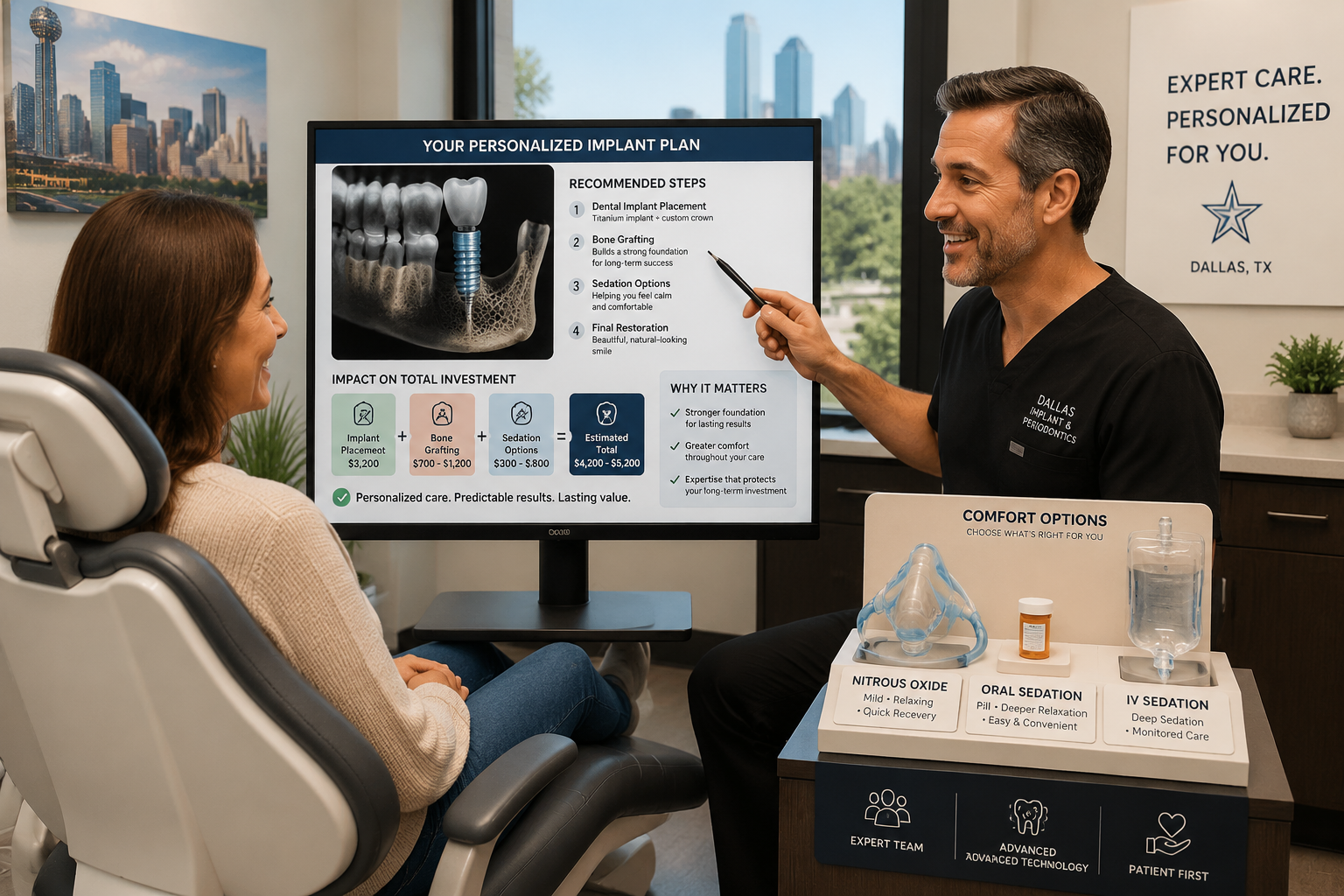
Sedation and Anesthesia
Patient comfort during implant surgery is a priority for many, and different sedation options come with varying costs.
- Local Anesthesia: The most basic form, numbing only the surgical area. This is typically included in the base price.
- Nitrous Oxide (Laughing Gas): Provides mild relaxation and is a relatively inexpensive addition.
- Oral Sedation: A pill taken before the procedure to induce a state of relaxation. Costs are moderate.
- IV Sedation (Conscious Sedation): Administered intravenously by a trained professional (often an anesthesiologist or a dentist with specialized permits), providing a deeper level of relaxation where you remain conscious but are unlikely to remember the procedure. This is a more significant cost but offers a high level of comfort for anxious patients or longer procedures.
- General Anesthesia: Used for extensive cases or patients with extreme anxiety, where you are completely unconscious. This requires an anesthesiologist and is the most expensive option.
The choice of sedation dramatically affects the overall cost and is a key differentiator in quotes. For more information on comfort during the procedure, see our article on Painless Dental Implant Techniques Dallas TX: Sedation Optio.
Warranty and Guarantees
While not all clinics offer explicit warranties, those that do often back the quality of their work and materials.
- No Explicit Warranty: Some clinics may not offer formal warranties, or they may be very limited, potentially contributing to a lower upfront quote.
- Limited Warranty: Covers the implant post or crown for a certain period (e.g., 1-5 years) against material defects or failure, provided the patient adheres to follow-up care.
- Comprehensive Warranty: A more extensive warranty might cover both the components and the labor for a longer duration, often indicating a dentist’s confidence in their materials and technique. This added peace of mind can be factored into a higher price.
It’s crucial to clarify any warranty details during your consultation.
Post-Operative Care and Follow-ups
The care doesn’t end when the implant is placed. Regular follow-up appointments are vital for monitoring healing and ensuring the long-term success of the implant.
- Included Follow-ups: Some clinics include a certain number of post-operative visits in their initial quote.
- Separate Fees: Other clinics may charge for each follow-up appointment, which can add to the total cost over the healing period.
- Maintenance: Long-term success also depends on diligent oral hygiene and regular dental check-ups. Our article on The Link Between Oral Health and Dental Implant Success in Dallas emphasizes this critical connection.
Geographic Location and Clinic Overhead
Even within Dallas, the exact location of a dental practice can influence costs. Prime commercial real estate, specialized equipment, and the overall cost of living and doing business in certain areas can lead to higher overhead for clinics, which may translate to higher prices for services. A clinic in a high-rent district with state-of-the-art facilities and a large support staff will generally have higher operational costs than a smaller practice in a less expensive area.
Understanding the “Same” Tooth
When comparing quotes, it’s vital to ensure you are comparing truly identical or equivalent treatment plans. The “same” tooth might refer to the tooth number, but the underlying oral health conditions, the proposed treatment approach, and the quality of materials can vary drastically.
Consider these questions when comparing quotes:
- Does the quote include all stages: extraction (if needed), bone grafting (if needed), implant placement surgery, abutment, and final crown?
- What brand of implant system is being used?
- What material is the crown made from? Is it custom-made?
- What type of diagnostic imaging and surgical guidance is being utilized?
- Are sedation costs included, and if so, what type of sedation?
- What are the qualifications and experience of the treating dentist?
- Is there a warranty or guarantee on the implant and crown?
- What is the schedule for follow-up appointments, and are they included in the price?
By asking these detailed questions, patients in Dallas can gain a clearer understanding of why there’s a significant difference between a $1,500 quote and a $6,000 quote for what initially appears to be the “same” dental implant. The variation often reflects differences in the quality of care, materials, technology, and comprehensive nature of the treatment plan.
Conclusion
The perception of “Same Dentist, Different Price: Why Dental Implant Quotes in Dallas Vary from $1,500 to $6,000 for the ‘Same’ Tooth” is a widespread phenomenon rooted in the complex, multi-faceted nature of dental implant procedures. A dental implant is a significant investment in your long-term oral health, and its cost encompasses far more than just the physical implant screw. Factors such as the initial diagnostic work-up, necessary adjunctive procedures, the quality and brand of implant components, the craftsmanship of the dental laboratory, the dentist’s specialized expertise, sedation choices, and post-operative care all contribute to the final price.
For residents of Dallas considering dental implants, the key is to prioritize a comprehensive consultation process. Instead of focusing solely on the lowest price, seek detailed explanations of the proposed treatment plan, the materials to be used, the technology involved, and the experience of the dental team. Encourage informed decision-making by asking questions and comparing transparent, itemized quotes from several qualified dental professionals. Your goal should be to choose a treatment plan that offers both predictable long-term success and excellent value, ensuring a healthy and confident smile for years to come.
References
- Misch, C. E. (2008). Contemporary Implant Dentistry. Mosby Elsevier.
- Adell, R., Lekholm, U., Eriksson, B., Brånemark, P. I., Jemt, T., Lindhe, J. (1990). Marginal bone changes around osseointegrated titanium fixtures. A 1-year prospective radiographic study. International Journal of Oral & Maxillofacial Surgery, 19(5), 265-268.
- Al-Sowygh, M., Al-Shamrani, S., & Al-Amri, M. (2013). Cost-Benefit Analysis of Dental Implants. Journal of Oral Health & Community Dentistry, 7(2), 70-74.