
A significant percentage of individuals exploring tooth replacement options with dental implants in Dallas will encounter the need for a bone graft. While often overlooked in initial cost considerations, understanding ‘Bone Graft Cost Dallas’: When It’s Needed for Dental Implants and What to Expect is crucial for comprehensive financial and treatment planning. This preparatory procedure ensures the long-term stability and success of dental implants, making it an essential topic for anyone considering this advanced solution for missing teeth.
Key Takeaways
- A bone graft is often necessary for dental implants when there isn’t enough healthy jawbone to support the implant.
- Factors like tooth loss duration, gum disease, and trauma can lead to insufficient bone volume.
- Various types of bone graft materials exist, each with specific applications and cost implications.
- Bone graft costs in Dallas typically range from $200 to $3,000 per site, depending on complexity and material.
- The procedure adds to the overall dental implant timeline and cost, but is vital for implant success and patient safety.
Understanding Bone Grafts for Dental Implants
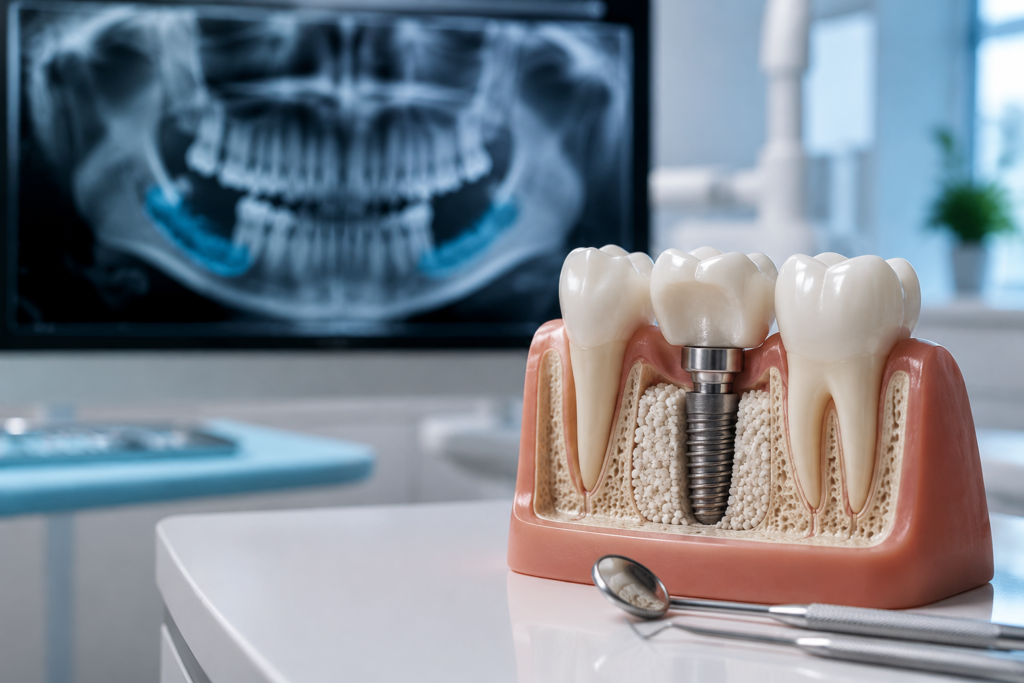
When considering dental implants in Dallas, the health and density of your jawbone are paramount. Dental implants are small, screw-shaped posts, usually made of titanium, that are surgically placed into the jawbone. They act as artificial tooth roots, providing a stable foundation for a crown, bridge, or denture. For these implants to integrate successfully with the bone, a process called osseointegration, there must be sufficient bone volume and quality.
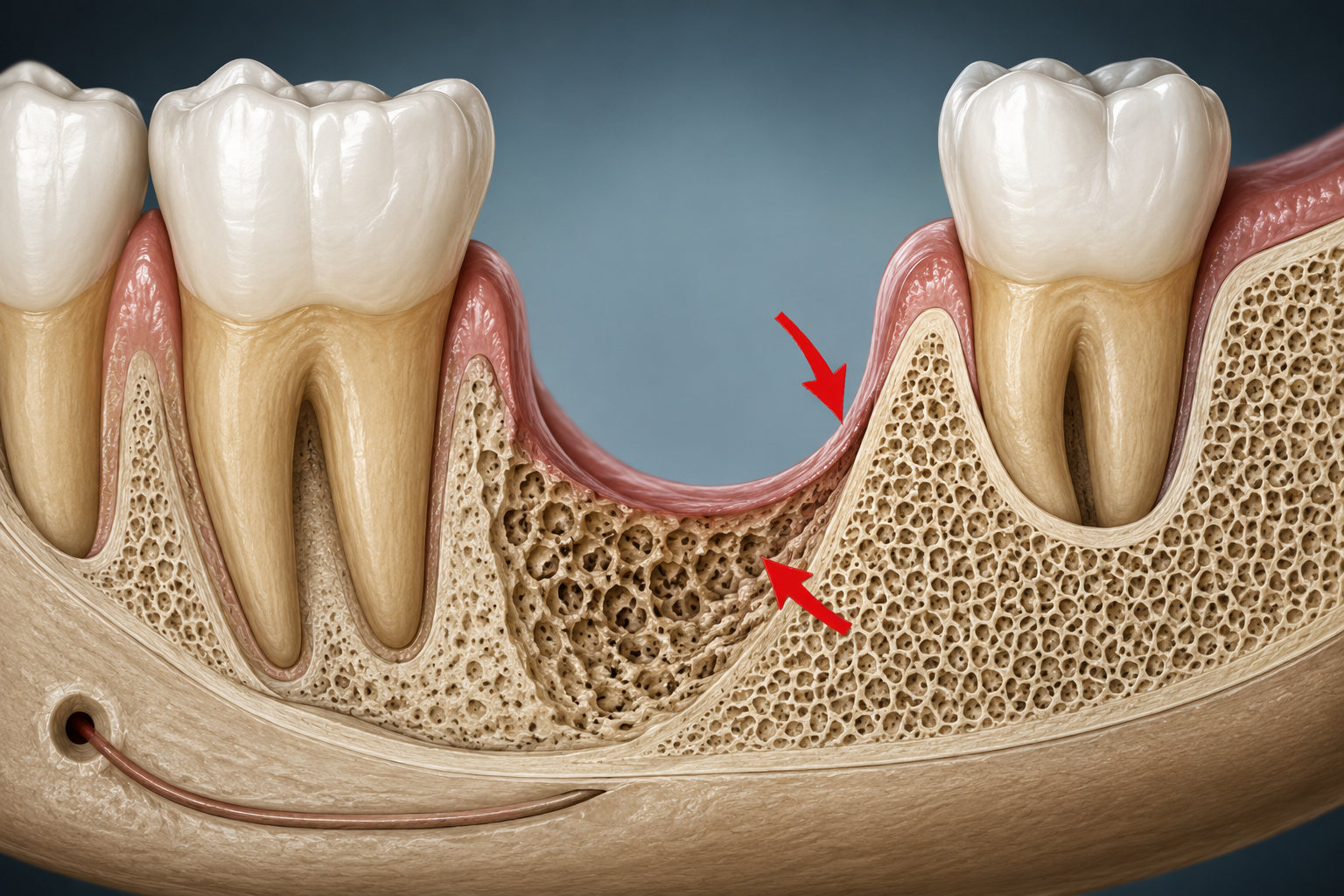
Unfortunately, many individuals who have lost teeth also experience some degree of jawbone deterioration. This bone loss can occur for several reasons:
- Long-term Missing Teeth: When a tooth is lost, the jawbone beneath it no longer receives the stimulation it needs from chewing. Without this stimulation, the bone naturally begins to resorb, or shrink.
- Periodontal (Gum) Disease: Advanced gum disease can destroy the bone supporting the teeth.
- Trauma or Infection: Injuries to the face or severe infections can lead to bone damage.
- Dentures: Wearing dentures for an extended period can accelerate bone loss as they do not stimulate the jawbone in the same way natural teeth or implants do.
If a patient’s jawbone is not thick or dense enough, attempting to place a dental implant directly could lead to implant failure, instability, or even damage to surrounding structures. This is where a bone graft becomes a necessary and critical step in the dental implant procedure.
A bone graft is a surgical procedure that involves adding bone material to areas of the jaw where it is deficient. The goal is to rebuild the bone to create a strong, stable foundation for the dental implant. This procedure allows the body to regenerate new bone, integrating the graft material into the existing jawbone over time.
Why Bone Grafts Are Essential for Long-Term Oral Health
The primary purpose of a bone graft in the context of dental implants is to ensure the implant has adequate support to withstand chewing forces and remain stable for decades. Without sufficient bone, an implant might loosen, fail to integrate, or even cause discomfort and complications. Investing in a bone graft, when needed, is an investment in the long-term success and longevity of your dental implants in Dallas. It directly contributes to patient safety and the overall stability of the implant surgery process. For more information on related procedures, you can explore Sinus Lift and Bone Graft Procedures in Dallas: When They’re.
Types of Bone Grafts and What to Expect from the Procedure
Understanding the different types of bone grafts is an important part of comprehending ‘Bone Graft Cost Dallas’: When It’s Needed for Dental Implants and What to Expect. The choice of graft material depends on the extent of bone loss, the location of the graft, and the patient’s individual circumstances.
Common Types of Bone Graft Materials
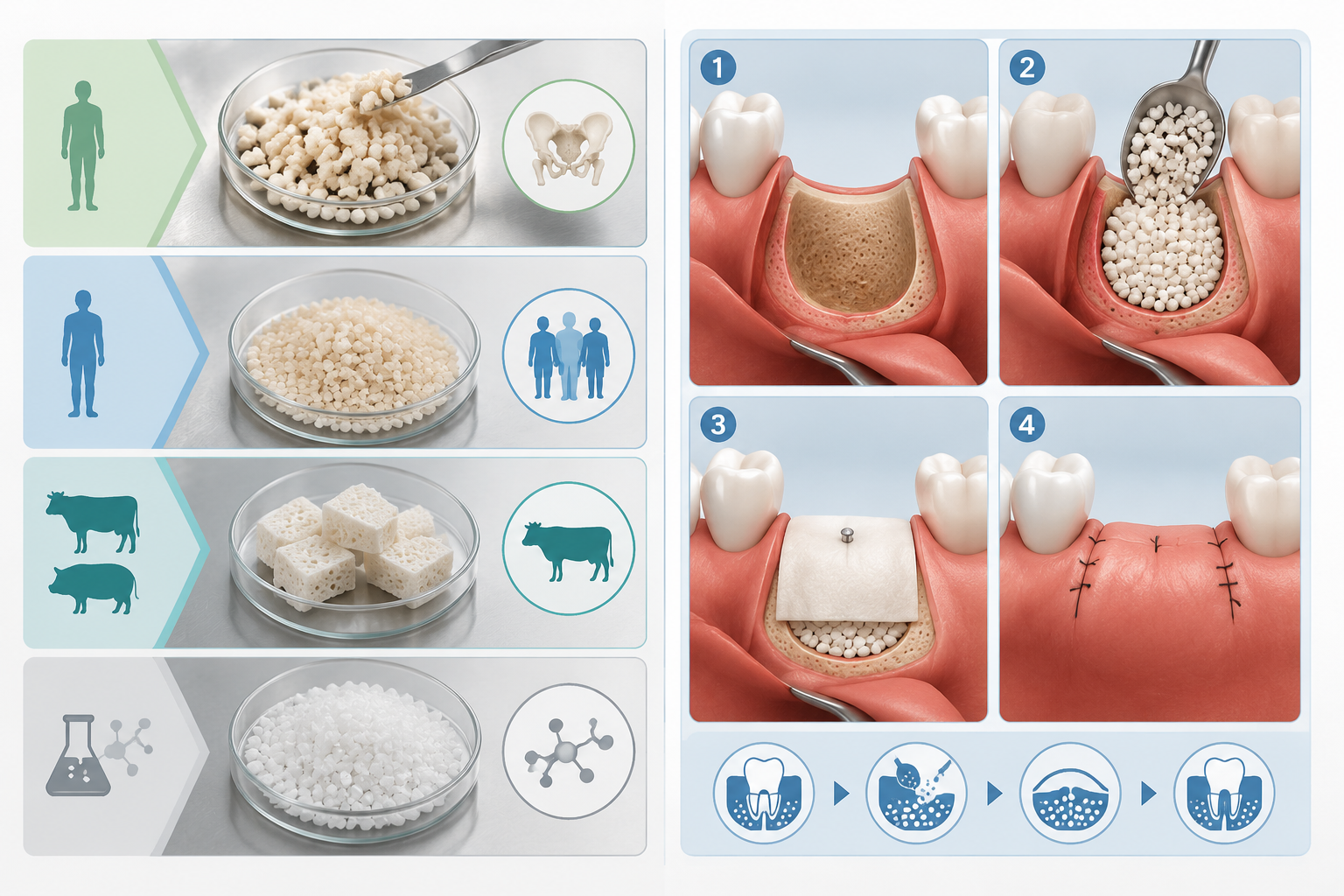
There are several categories of bone graft materials used in dental implant surgery:
- Autograft: This is considered the “gold standard” as it uses bone harvested from the patient’s own body (e.g., from the chin, jaw, hip, or tibia).
- Pros: Excellent compatibility, lower risk of rejection, contains living bone cells that promote healing.
- Cons: Requires a second surgical site for harvesting, which can mean more discomfort and a longer recovery for that site.
- Allograft: This uses bone material from a deceased human donor that has been processed and sterilized to ensure safety.
- Pros: No second surgical site for the patient, readily available.
- Cons: Minor risk of immune reaction (though rare with modern processing), slower integration compared to autograft.
- Xenograft: This material comes from an animal source, typically bovine (cow) bone, which is carefully processed and sterilized.
- Pros: Abundant supply, no second surgical site.
- Cons: Slower integration, risk of immune reaction is very low but present.
- Alloplast: This is a synthetic bone graft material, often made from biocompatible minerals like calcium phosphate.
- Pros: No harvesting site, no risk of disease transmission, readily available.
- Cons: May not stimulate bone growth as effectively as other types, typically used for smaller defects.
The Bone Grafting Procedure
The bone grafting procedure itself typically involves these steps:
- Anesthesia: Local anesthesia is administered to numb the surgical area. Sedation options are also available for patient comfort, which can impact the overall implant cost in Dallas. Our article on Dental Implant Sedation Options Dallas: Costs, Safety & Type provides more details.
- Incision: The gum tissue is gently lifted to expose the underlying jawbone.
- Graft Placement: The chosen bone graft material is carefully placed in the area of bone deficiency. In some cases, a protective membrane may be placed over the graft to help contain the material and promote healing.
- Suturing: The gum tissue is then closed with sutures.
After the procedure, a healing period is necessary for the graft to integrate with the existing bone. This typically takes several months, often between 3 to 9 months, depending on the type and size of the graft. This waiting period is critical for achieving a strong foundation for the dental implant. During this time, patients will receive specific post-operative care instructions.
Specific Bone Graft Techniques
Beyond the material, there are also different techniques:
- Socket Preservation: Done immediately after a tooth extraction to prevent bone loss in the socket.
- Ridge Augmentation: Used to increase the width or height of the jawbone.
- Sinus Lift: A specific procedure for the upper jaw when there isn’t enough bone height in the back of the mouth, often due to the proximity of the maxillary sinuses. This involves lifting the sinus membrane and placing bone graft material beneath it. You can learn more about this in Sinus Lift & Bone Graft Necessity in Dallas: How to Know if.
Understanding ‘Bone Graft Cost Dallas’: When It’s Needed for Dental Implants and What to Expect
When considering the comprehensive cost of dental implants in Dallas, it is crucial to factor in the potential need and cost of a bone graft. The expense of a bone graft is not typically included in the base price of a single dental implant and represents an additional but often essential investment in your long-term oral health.
Factors Influencing Bone Graft Cost in Dallas
The price of a bone graft for dental implants in Dallas can vary significantly based on several factors:
- Type of Graft Material: Autografts, while often yielding the best results, can be more expensive due to the need for a second surgical site. Allografts, xenografts, and alloplasts generally fall into different price ranges.
- Size and Complexity of the Graft: A small graft for socket preservation will naturally cost less than an extensive ridge augmentation or a sinus lift procedure. The more bone material needed and the more intricate the surgical technique, the higher the cost.
- Geographic Location: While this article focuses on Dallas, it’s worth noting that costs can vary regionally. However, Dallas typically offers competitive pricing compared to national averages. For context, you can compare Dallas Dental Implant Costs 2026 vs National Averages: Why T.
- Dentist’s Experience and Fees: Highly experienced oral surgeons or periodontists who specialize in complex bone grafting procedures may have higher fees.
- Diagnostic Imaging: Initial imaging, such as 3D CT scans, is essential to assess bone volume and plan the graft. These costs are often separate. The role of advanced imaging is detailed in The Role of 3D Imaging and Digital Planning in Dallas Dental Implant.
- Anesthesia: The type of anesthesia chosen will also impact the overall cost.
Expected Cost Range in Dallas for Bone Grafts (2026)
Based on data for 2026, patients seeking bone grafts in Dallas can generally expect the following ranges:
| Procedure Type | Estimated Cost Range (Dallas, 2026) | Description |
|---|---|---|
| Socket Preservation | $200 – $500 | Small graft immediately after extraction to prevent bone loss. |
| Minor Site-Specific Graft | $400 – $1,200 | For a single tooth area with moderate bone loss, using allograft or xenograft. |
| Ridge Augmentation | $800 – $2,500 | To increase bone width or height in a specific area. |
| Sinus Lift (Indirect) | $1,500 – $2,500 | Minor lift of sinus membrane to place a small amount of bone. |
| Sinus Lift (Direct/Major) | $2,000 – $3,000+ | More extensive lift requiring significant bone grafting. |
| Autogenous Block Graft | $2,000 – $4,000+ | Uses patient’s own bone for larger defects; includes harvest site fees. |
Note: These are estimated ranges for the bone graft procedure itself and do not include the cost of the dental implant or crown.
Insurance Coverage and Financial Planning
Dental insurance coverage for bone grafts can vary. Some plans may cover a portion if it’s deemed medically necessary or part of a restorative procedure. It is crucial to have a detailed consultation with your dentist and their financial coordinator to understand the total estimated cost, including all related procedures and potential insurance benefits. Many dental offices in Dallas offer financing options or payment plans to help manage the investment in your oral health.

Choosing to proceed with a bone graft, when recommended, is a step towards ensuring the long-term success and stability of your dental implants. It’s a foundational procedure that contributes significantly to the overall health and aesthetics of your smile. Always discuss all aspects of your treatment plan, including costs, with your dentist during your consultation with a dentist.
Conclusion
Understanding ‘Bone Graft Cost Dallas’: When It’s Needed for Dental Implants and What to Expect is a vital part of planning for successful tooth replacement with dental implants. While an additional expense, a bone graft is often a non-negotiable step to provide a strong and stable foundation for your dental implants, ensuring their longevity and your long-term oral health. Factors such as the type of graft material, the complexity of the procedure, and the expertise of your oral health provider all influence the final cost.
We encourage residents of Dallas seeking missing teeth solutions to prioritize thorough diagnostic evaluations and open discussions about their treatment plans. A professional consultation with a dentist specializing in dental implants will provide a precise assessment of your bone health and a transparent breakdown of all associated costs, including any necessary bone grafting procedures. This patient-first approach ensures you can make an informed decision about your dental implant journey with confidence and clarity.