

A bright, confident smile is often seen as a universal symbol of health and vitality. For individuals in Dallas who have invested in dental implants to restore their smile, the desire to ensure their entire dentition shines can lead to questions about teeth whitening. The crucial inquiry often becomes: can you whiten your teeth after receiving dental implants? The short answer is yes, but with important considerations regarding timing, safety, and cost. Understanding the nuances of Teeth Whitening After Dental Implants in Dallas: Timing, Safety, and Cost of Keeping Your New Smile Bright is essential for maintaining both the health and aesthetic appeal of your new smile.
Key Takeaways
- Dental implant crowns, unlike natural teeth, do not change color with whitening agents.
- Whitening natural teeth should ideally occur before implant crown fabrication for a seamless shade match.
- A significant healing period (typically 3-6 months) is required after implant surgery before considering cosmetic procedures.
- Professional consultation with a Dallas dentist is crucial to determine the safest and most effective whitening approach.
- Costs for whitening vary based on method, but ensuring a consistent smile color is an important investment for patients with dental implants in Dallas.
Timing is Everything: When to Consider Teeth Whitening After Dental Implants in Dallas
The decision to whiten your teeth is an important step in achieving your desired aesthetic. When you have dental implants, the timing of this procedure becomes even more critical. Understanding the stages of the dental implant process can help clarify when it’s appropriate to think about brightening your smile.
The Implant Healing Period: A Critical Wait
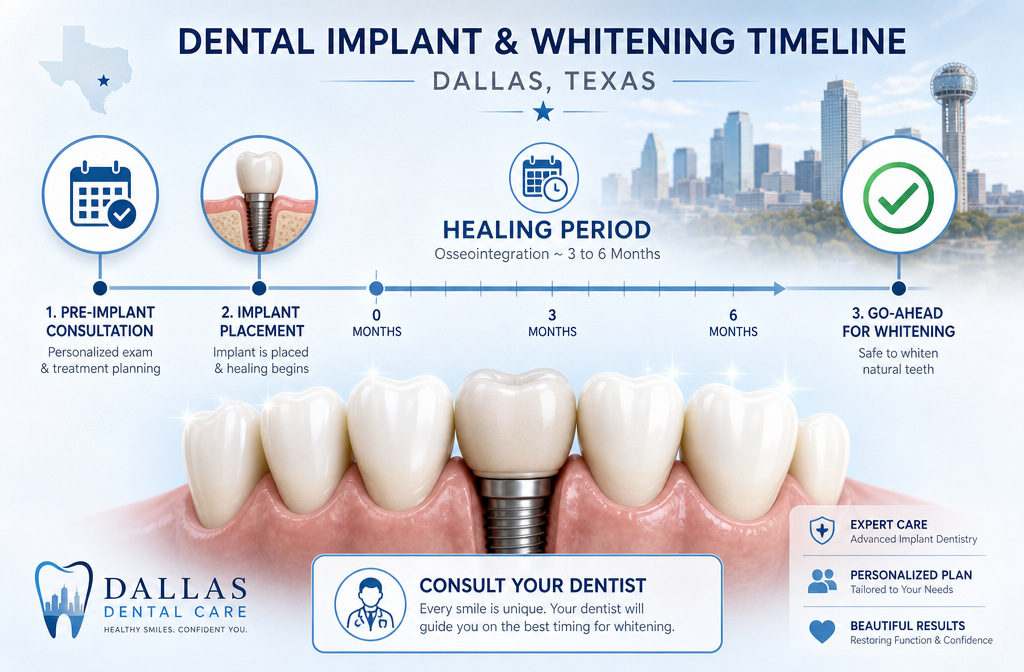
The dental implant journey typically involves several phases. First, the implant fixture, a small titanium post, is surgically placed into the jawbone. This is followed by a crucial period known as osseointegration, where the implant fuses with the bone. This process usually takes 3 to 6 months, sometimes longer, depending on individual healing capabilities and bone density. During this time, the focus is entirely on healing and ensuring the implant integrates successfully.
Attempting any cosmetic procedures, including teeth whitening, during this healing phase is generally not recommended. The tissues around the implant are still recovering, and introducing chemical agents could potentially irritate them or interfere with the healing process. Your dentist will monitor your progress closely during this period. For more details on what to expect during recovery, you might find our guide on Dental Implant Post-Op Care & Maintenance Costs in Dallas helpful.
Whitening Before Crown Placement: The Ideal Scenario
Ideally, if you are planning to whiten your natural teeth, it should be done before your permanent dental implant crown is designed and placed. Here’s why:
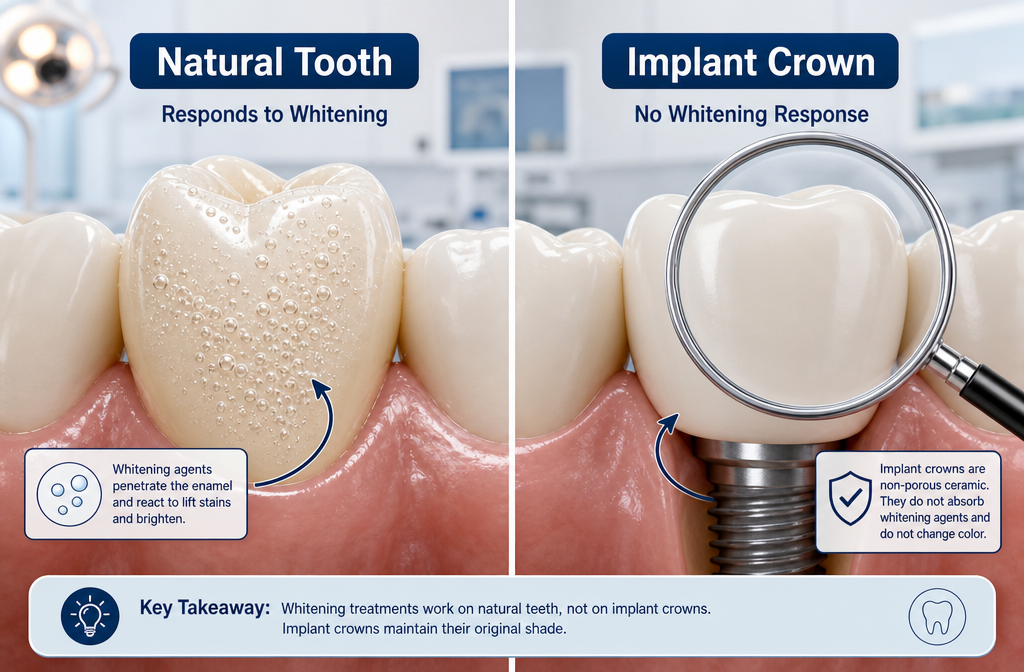
- Implant Crowns Don’t Whiten: Dental implant crowns, whether made of porcelain or zirconia, are non-porous. This means that the whitening agents used on natural tooth enamel will have no effect on their color. They are fabricated to a specific shade and will remain that shade permanently.
- Matching Your New Shade: If you whiten your natural teeth before the implant crown is made, your dentist can then match the crown precisely to your newly brightened smile. This ensures a seamless and natural-looking result across all your teeth.
- Avoiding Discrepancies: If you whiten your natural teeth after your implant crown has been placed, your natural teeth may become noticeably lighter than your implant crown, creating an undesirable color discrepancy. Correcting this would involve replacing the implant crown, which adds significant cost and time.
Therefore, many dentists in Dallas recommend discussing your whitening goals with them early in your implant treatment plan. This allows for proper sequencing of procedures to achieve the best aesthetic outcome.
When Whitening After Implant Placement is Necessary
Sometimes, patients decide to whiten their natural teeth after their dental implant crowns have already been placed. This might occur due to:
- Delayed Decision: A desire for a brighter smile emerges after the implant process is complete.
- Gradual Staining: Natural teeth can gradually darken over time due to diet, lifestyle, or age, making a previously matched crown stand out.
- Previous Whitening Fading: If you whitened your teeth before implant placement, and years later your natural teeth begin to dull, you might want to refresh their brightness.
In these situations, it is still possible to whiten your natural teeth. However, it’s crucial to understand that your implant crowns will not change color. This means careful consideration is needed to manage potential color differences. Your dentist will discuss strategies to minimize this, which might include choosing a slightly less aggressive whitening shade for your natural teeth, or, in some cases, considering replacement of the implant crown if the color discrepancy becomes too significant for your aesthetic preference.
Safety and Considerations for Teeth Whitening After Dental Implants in Dallas
Ensuring the safety of your dental health is paramount, especially when you have invested in a significant procedure like dental implants. When it comes to Teeth Whitening After Dental Implants in Dallas: Timing, Safety, and Cost of Keeping Your New Smile Bright, several safety considerations come into play.
Protecting Your Dental Implants During Whitening
The good news is that professional teeth whitening, when administered by a qualified dentist, is generally considered safe for patients with dental implants. The whitening agents, typically hydrogen peroxide or carbamide peroxide, work by penetrating the enamel of natural teeth to break down stains. Since implant crowns are made of materials like porcelain or zirconia, these agents do not affect the implant itself or the surrounding bone and gum tissue.
However, precautions are always necessary:
- Professional Oversight: Always opt for professional teeth whitening supervised by a dentist. Over-the-counter products might not be as effective, and improper application could lead to uneven results or sensitivity. Your dentist can assess your oral health, including the condition of your implants and surrounding gums, to ensure whitening is appropriate.
- Gum Health: Healthy gums are vital for the long-term success of dental implants. Your dentist will ensure your gums are healthy and free from inflammation or disease before any whitening treatment.
- Sensitivity: Some individuals may experience temporary tooth sensitivity during or after whitening. Your dentist can recommend desensitizing products or adjust the whitening strength to manage this.
- Existing Restorations: Besides implant crowns, any other dental restorations like fillings, veneers, or traditional crowns will also not change color with whitening. Your dentist will evaluate these and discuss how they might affect the overall uniformity of your smile.
Material Differences and Color Stability
Understanding the fundamental difference in how natural teeth and implant crowns react to whitening agents is key.
- Natural Teeth: The enamel of your natural teeth is porous, allowing the peroxide-based whitening gel to break down stain molecules. This changes the inherent shade of the tooth.
- Implant Crowns: Materials like porcelain and zirconia are highly dense and non-porous. They are stain-resistant to a significant degree and, crucially, are not affected by tooth whitening chemicals. Their color is permanent once fabricated. This is a key factor when considering options for Titanium vs Zirconia Dental Implants in Dallas.
This distinction means that while your natural teeth can become brighter, your implant crowns will remain their original shade. This reinforces the recommendation to whiten natural teeth before implant crown placement whenever possible, to allow for the best shade matching. If whitening after implant crown placement, your dentist will help manage expectations and choose the most suitable shade to minimize any visible contrast.
The Cost of Keeping Your New Smile Bright in Dallas
When considering Teeth Whitening After Dental Implants in Dallas: Timing, Safety, and Cost of Keeping Your New Smile Bright, it’s important to understand the financial investment involved. The cost of teeth whitening can vary significantly based on the method chosen, the dental practice, and the number of sessions required.
Professional Whitening Options and Their General Costs
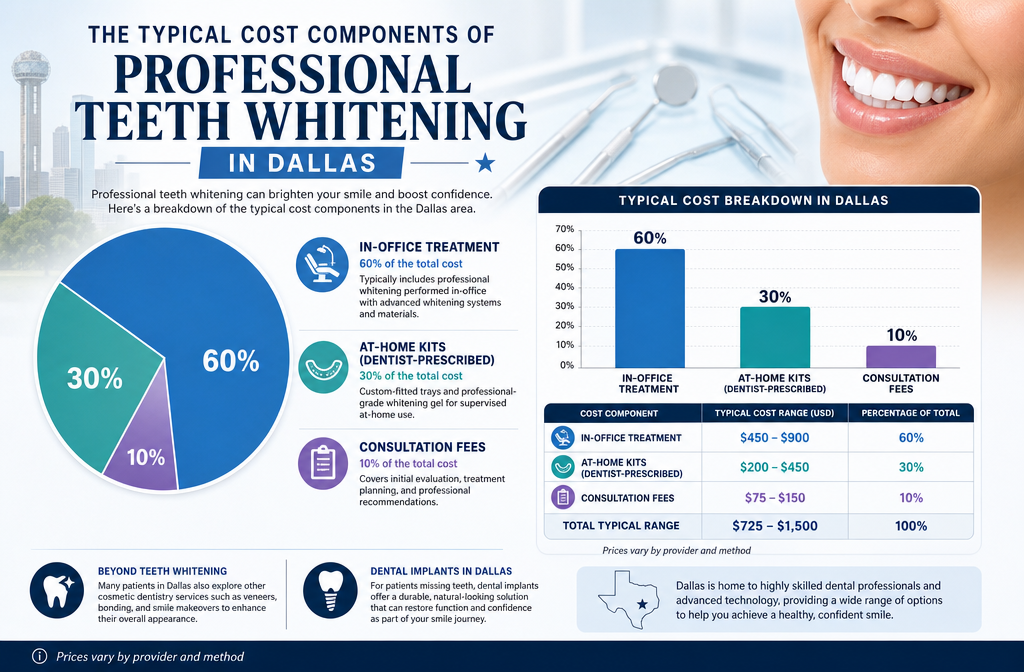
In Dallas, you typically have a few professional options for teeth whitening, each with its own cost range:
In-Office (Chairside) Whitening: This is the fastest method, often achieving noticeable results in a single visit. A high-concentration whitening gel is applied to your teeth, often activated by a special light.
- Typical Cost in Dallas: $400 – $800 per session.
- Pros: Immediate results, professionally supervised, minimal effort.
- Cons: Higher upfront cost, potential for temporary sensitivity.
Custom Take-Home Whitening Kits: Your dentist takes impressions of your teeth to create custom-fitted trays. You’re then provided with a professional-strength whitening gel to apply at home over a period of days or weeks.
- Typical Cost in Dallas: $200 – $500.
- Pros: More affordable than in-office, flexible, good results over time.
- Cons: Requires patient compliance, results are gradual, can still cause sensitivity.
Combination Treatments: Some practices offer a combination of an initial in-office treatment followed by a take-home kit for maintenance.
- Typical Cost in Dallas: $500 – $1000+.
- Pros: Combines immediate results with ongoing maintenance.
It’s important to note that these are general ranges for 2026, and actual prices can vary between dental providers in the Dallas area. These costs generally do not include the cost of replacing an existing implant crown if a shade mismatch becomes unacceptable.
Factors Influencing Whitening Cost in Dallas
Several factors can influence the final cost you pay for teeth whitening:
- Type of Whitening System: Different brands and technologies can have varying price points.
- Number of Applications/Sessions: In-office whitening might require more than one session for severe staining, increasing the total cost. Take-home kits come with a certain amount of gel, and refills might be needed for ongoing maintenance.
- Additional Treatments: If you require pre-whitening treatments like professional cleaning or sensitivity-reducing procedures, these will add to the overall expense.
- Dental Practice Location and Overhead: Practices in prime Dallas locations or those with advanced technology might have higher fees.
- Insurance Coverage: Teeth whitening is generally considered a cosmetic procedure and is rarely covered by dental insurance. However, it’s always wise to check with your specific plan or discuss Dental Implant Financing Dallas options with your dentist’s office.
When discussing the cost of teeth whitening with your Dallas dentist, ensure you get a clear breakdown of all charges. Transparency in pricing helps you make an informed decision about your oral health and aesthetic goals. Remember that while whitening can enhance your natural teeth, maintaining the health of your dental implants is a long-term commitment.
Conclusion
Achieving and maintaining a bright, uniform smile after receiving dental implants in Dallas is a realistic and desirable goal. While dental implants offer an excellent long-term solution for missing teeth, understanding their interaction with cosmetic procedures like teeth whitening is crucial. The key takeaway remains that dental implant crowns are color-stable and will not whiten, making strategic timing essential for a harmonious smile.
For the best results, discuss your aesthetic aspirations, including teeth whitening, with your Dallas dentist early in your implant treatment journey. Whitening your natural teeth before your permanent implant crowns are fabricated allows for precise shade matching, leading to the most seamless outcome. If whitening after implant placement becomes necessary, a professional consultation will guide you safely through the process, managing expectations about the color of your existing restorations.
Prioritizing patient safety and informed decision-making, it is always recommended to seek professional guidance for any cosmetic dental procedure, especially when dental implants are part of your smile. A consultation with a dentist in Dallas can help you determine the optimal timing, the safest approach, and the associated costs for keeping your entire new smile bright and beautiful for years to come. Remember, your long-term oral health and satisfaction are the primary objectives.
References
- American Academy of Cosmetic Dentistry. (n.d.). Tooth Whitening. Retrieved from https://aacd.com/tooth-whitening
- American Dental Association. (n.d.). Statement on the Safety and Effectiveness of Tooth Whitening Products. Retrieved from https://www.ada.org/resources/research/ada-seal-of-acceptance/product-category-information/teeth-whitening-products
- Buser, D., Belser, U. C., & Wismeijer, D. (Eds.). (2017). ITP Implant Therapy: Clinical Approaches and Evidence of Success. Quintessence Publishing.
SEO Meta Title: Teeth Whitening After Dental Implants in Dallas: Guide to a Brighter Smile SEO Meta Description: Learn about timing, safety, and costs of teeth whitening after dental implants in Dallas for a consistently bright smile in 2026. Get expert advice.