Have you ever looked in the mirror and wished your smile was complete? Maybe you’re missing a tooth, or several, and you’re tired of dealing with gaps, discomfort, or the limitations of traditional dentures. If so, you’ve likely heard about dental implants – the gold standard for tooth replacement. They’re strong, look natural, and can last a lifetime. But then comes the big question that stops many people in their tracks: “How much does a dental implant procedure cost?”
I understand that concern completely. Investing in your oral health and your smile is a significant decision, and understanding the financial aspect is crucial. As someone who’s seen countless patients transform their lives with implants, I want to pull back the curtain and give you a clear, honest, and comprehensive look at the dental implant procedure cost in 2025. My goal is to equip you with all the information you need to make an informed decision, demystifying the price tag and helping you understand the incredible value these restorations offer. Let’s dive in!
Key Takeaways
- Dental implant costs vary widely: A single dental implant can range from $3,000 to $6,000 or more, while full-arch solutions like All-on-4 can be $20,000 to $40,000+ per arch in 2025.
- Many factors influence the price: These include the number of implants, the need for pre-procedures (like bone grafting), material choices, geographic location, and the dentist’s experience.
- Implants are a long-term investment: While the initial cost might seem high, dental implants offer durability, improved oral health, and a natural feel that often makes them more cost-effective than other options over time.
- Financing options are available: Don’t let the upfront cost deter you. Many dental practices offer payment plans, and there are other avenues like dental insurance, HSAs, and financing companies to help make implants affordable.
- Get a detailed, personalized quote: The best way to understand your specific dental implant procedure cost is through a comprehensive consultation with a qualified dentist who can assess your unique needs.
What Exactly is a Dental Implant?
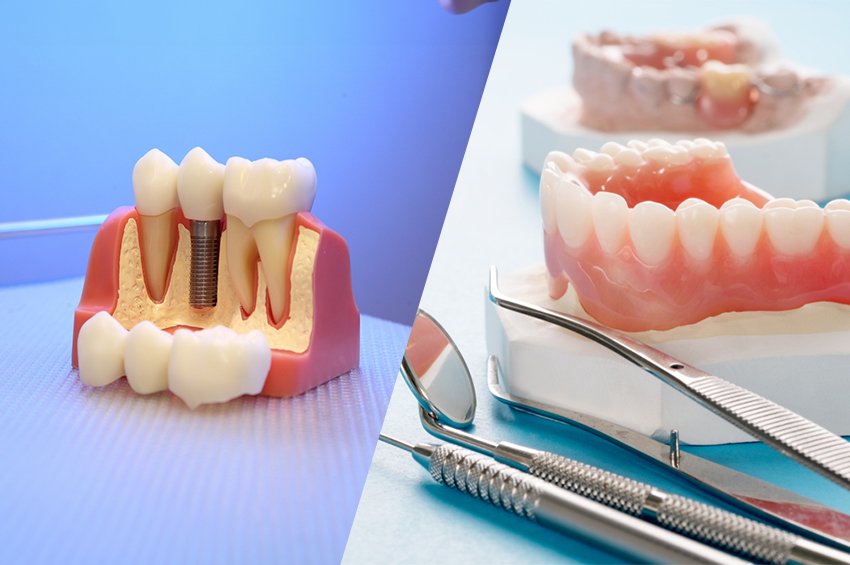
Before we talk about cost, let’s quickly clarify what a dental implant actually is. Imagine a natural tooth: it has a root that anchors it to your jawbone and a crown (the part you see) above the gum line. A dental implant mimics this structure beautifully.
It’s essentially a small, screw-shaped post, usually made of titanium (a biocompatible material), that a dentist surgically places into your jawbone. Over a few months, this post fuses with your bone – a process called osseointegration – becoming a strong, stable foundation. Once integrated, an abutment (a connector) is attached to the implant, and finally, a custom-made crown, bridge, or denture is placed on top. The result? A replacement tooth that looks, feels, and functions almost exactly like your natural teeth. ✨
The Core Question: How Much Do Dental Implants Cost in 2025?
This is the million-dollar question, and frankly, there’s no single, simple answer. The dental implant procedure cost is highly variable, influenced by many factors that we’ll explore in detail. However, I can give you some general ranges for 2025 to help you set expectations.
Single Dental Implant Cost Breakdown
For a single dental implant (replacing one tooth), you can typically expect the total cost to range from $3,000 to $6,000 per tooth. This range usually includes the implant post, the abutment, and the custom crown.
It’s important to understand that this is a broad estimate. Some practices might quote slightly lower, while more complex cases or specialized materials could push the price higher.
Multiple Dental Implants & Full Arch Solutions
When you’re missing several teeth or even an entire arch (upper or lower jaw), the costs will naturally increase, but the per-implant cost might decrease slightly due to economies of scale.
- Multiple Implants with Bridge: Replacing several adjacent teeth often involves two implants supporting a bridge of 3-4 crowns. This could range from $6,000 to $15,000+, depending on the number of implants and the size of the bridge.
- Full-Arch Implants (e.g., All-on-4, All-on-6): These popular solutions involve placing 4 to 6 implants strategically to support a full arch of permanent, non-removable teeth. This is a life-changing procedure, but also a significant investment.
- The typical cost for an All-on-4 or All-on-6 procedure for one arch (either upper or lower) can range from $20,000 to $40,000+ in 2025. This price usually covers the implants, the abutments, and the complete prosthetic arch.
- If you need both upper and lower arches replaced, the total cost could range from $40,000 to $80,000+.
- Zygoma Implants: For patients with severe bone loss in the upper jaw, Zygoma implants are a specialized solution. These are longer implants that anchor into the cheekbones. Due to their complexity and the specialized training required, Zygoma implants are generally more expensive than conventional implants, often adding $5,000-$10,000 per implant to the total cost.
Read Also:-Unveiling Dental Implant Costs in Chicago: Your 2025 Guide to a Brighter Smile
Why such a wide range? This is what we need to explore next. The “cost” isn’t just for the implant itself; it’s for an entire process involving skilled professionals, advanced technology, and high-quality materials.
Factors Influencing Dental Implant Cost
Understanding the various components that contribute to the overall dental implant procedure cost is key to making sense of the estimates you receive. Let’s break them down.
1. Type of Implant Material
While titanium is the most common and well-researched material for dental implants, ceramic (zirconia) implants are also gaining popularity, especially for patients with metal allergies or those who prefer a more aesthetic, metal-free option.
- Titanium Implants: Generally the standard, highly durable, and cost-effective.
- Zirconia Implants: Often slightly more expensive due to the material and specialized manufacturing process, but offer excellent aesthetics and biocompatibility.
2. Number of Implants Needed
This is straightforward: the more implants you need, the higher the total cost. However, as mentioned, the per-implant cost might decrease slightly when multiple implants are placed during the same procedure.
3. Location of the Tooth
The position in your mouth can influence the complexity and, therefore, the cost.
- Front Teeth: Implants in the highly visible front aesthetic zone often require more meticulous planning and surgical skill to ensure a perfect cosmetic outcome. This might involve additional grafting or specialized crown materials, potentially increasing the cost.
- Back Teeth: While still crucial for chewing, the aesthetic demands might be slightly lower, potentially making the procedure less complex in some cases.
4. Complexity of the Case & Need for Pre-Procedures
This is one of the biggest cost drivers. Not everyone has enough healthy jawbone to support an implant immediately. If you’ve been missing a tooth for a while, or if you’ve had gum disease, you might need additional procedures before the implant can be placed.
- Tooth Extraction: If the damaged tooth is still present, its extraction will be an initial cost, typically ranging from $75 to $600, depending on complexity.
- Bone Grafting: This procedure adds bone material to your jaw to create a strong foundation for the implant. Bone grafting can range from $200 to $3,000 or more, depending on the extent of the graft and the type of material used (e.g., synthetic, animal-derived, or your own bone).
- Sinus Lift: If implants are needed in the upper jaw where the sinus cavity is too close to the bone, a sinus lift might be necessary to raise the sinus floor and create more bone height. This is a more complex procedure, often costing between $1,500 and $3,500 per sinus.
- Soft Tissue Grafting: Sometimes, gum tissue needs to be augmented to improve aesthetics or protect the implant site, adding to the cost.
💬 Pull Quote: “Think of pre-procedures like preparing the ground before building a house. While they add to the initial dental implant procedure cost, they are absolutely essential for the long-term success and stability of your implant.”
5. Type of Restoration (Crown, Bridge, Denture)
The final “tooth” that attaches to your implant also comes in different forms and materials, affecting the price.
- Crown: For a single implant, a custom crown is made.
- Material: Porcelain-fused-to-metal (PFM) is common, while all-ceramic (zirconia or EMAX) crowns are often preferred for their superior aesthetics and biocompatibility, though they can be more expensive.
- Cost: Single crowns can range from $800 to $2,500+.
- Bridge: For multiple implants, a bridge can connect several crowns.
- Denture (Fixed or Removable): For full-arch solutions, the prosthetic denture can be made from various materials, from acrylic to zirconia, each with different costs and durability.
6. Geographic Location of the Practice
Just like real estate, dental costs vary significantly by region. A dental implant procedure cost in a major metropolitan area like New York City or Los Angeles will likely be higher than in a smaller town or rural area. This reflects overhead costs, labor rates, and local market demand.
7. Dentist’s Experience and Specialization
An oral surgeon, periodontist, or prosthodontist specializing in dental implants often charges more than a general dentist. This is because they have undergone extensive additional training and have a higher level of expertise, which can translate to better outcomes, especially for complex cases. Paying for experience can be a worthwhile investment in your long-term oral health.
8. Diagnostic Tests
Before any surgery, your dentist needs a clear picture of your oral anatomy. This involves:
- X-rays: Basic X-rays are usually included in consultation fees.
- 3D CT Scans (Cone Beam CT – CBCT): These provide detailed 3D images of your jawbone, nerves, and sinus cavities, crucial for precise implant planning. A CBCT scan can cost $200 to $600.
9. Anesthesia Options
Local anesthesia is typically included, but if you opt for sedation dentistry (e.g., oral sedation, IV sedation, or general anesthesia) to manage anxiety or for complex procedures, there will be additional costs. Sedation can add anywhere from $200 to $1,000+ per appointment, depending on the type and duration.
10. Laboratory Fees
The custom crown, bridge, or denture is fabricated by a dental laboratory. The quality of the lab and the materials used directly impact the final look and durability of your restoration, and these fees are passed on.
11. Follow-up Appointments
Post-operative checks and adjustments are part of the process and are usually included in the overall package price.
Here’s a simplified table summarizing the potential cost components:
| Cost Component | Estimated Range (2025) | Notes |
|---|---|---|
| Initial Consultation | $50 – $250 | Many practices offer free consultations for implants. |
| Diagnostic Imaging (CBCT) | $200 – $600 | Essential for precise planning. |
| Tooth Extraction | $75 – $600 | If required. |
| Bone Grafting | $200 – $3,000+ | Varies greatly by extent and material. |
| Sinus Lift | $1,500 – $3,500+ | If needed for upper jaw implants. |
| Dental Implant Post | $1,500 – $3,000 | The titanium or zirconia screw placed in the bone. |
| Abutment | $300 – $600 | The connector between the implant and the crown. |
| Dental Crown (Per Unit) | $800 – $2,500+ | The visible part of the tooth. Varies by material (PFM, Zirconia, EMAX). |
| Full Arch Prosthesis | $10,000 – $25,000+ | For All-on-4/6 systems (this is for the entire arch of teeth, not per tooth). This is in addition to the implant posts and abutments for a full arch. The total All-on-4 cost is usually quoted as a package. |
| Anesthesia/Sedation | $200 – $1,000+ | If additional to local anesthetic. |
| Follow-up Appointments | Usually included | Post-operative care. |
Note: These are general estimates for 2025 and can vary widely based on individual circumstances and providers.
Breaking Down the Procedure: What Are You Paying For?
When you receive a quote for the dental implant procedure cost, you’re not just paying for a piece of metal. You’re paying for a sophisticated medical-dental procedure that involves multiple stages and highly skilled professionals. Let’s look at the typical steps involved:
1. Initial Consultation & Planning 🧐
This is where it all begins. Your dentist will conduct a thorough examination of your mouth, take X-rays and possibly a 3D CBCT scan, and discuss your medical history. This stage is crucial for determining if you’re a good candidate for implants and for creating a personalized treatment plan. We’ll discuss the number of implants, the type of restoration, and any necessary pre-procedures. This comprehensive assessment ensures the best possible outcome.
2. Pre-Implant Procedures (if needed) 🦴
As discussed, if you lack sufficient bone density or have other issues, procedures like bone grafting or a sinus lift will be performed first. These are separate surgical procedures designed to prepare your jaw for the implant, ensuring a stable and long-lasting foundation. There’s a healing period after these procedures, which can range from a few weeks to several months.
3. Implant Placement Surgery ⚙️
This is the core surgical step. Under local anesthesia (and often with sedation), your dentist or oral surgeon will make a small incision in your gum to expose the bone. A small hole is then precisely drilled into the jawbone, and the titanium implant post is carefully inserted. The gum tissue is then closed over the implant. This step is meticulous, requiring precision and sterile conditions to ensure successful integration.
4. Healing Period (Osseointegration) 🌱
After the implant is placed, there’s a crucial healing period, typically 3 to 6 months. During this time, the implant post gradually fuses with your jawbone, a process called osseointegration. This creates an incredibly strong and stable anchor, similar to a natural tooth root. You might wear a temporary crown or denture during this period.
5. Abutment Placement (if not integrated) 🔩
Once osseointegration is complete, a minor surgical procedure might be needed to expose the top of the implant and attach a small connector piece called an abutment. In some cases, the abutment is attached at the time of implant placement (one-stage procedure).
6. Crown/Restoration Placement 😁
Finally, after the gums have healed around the abutment (if placed separately), impressions are taken of your mouth. These impressions are sent to a dental lab, where your custom-made crown, bridge, or full-arch prosthesis is meticulously crafted to match your natural teeth in shape, size, and color. Once it’s ready, it’s permanently attached to the abutment, completing your new smile!
Each of these steps requires specialized knowledge, equipment, and time. The dental implant procedure cost reflects the expertise, materials, and comprehensive care involved in this multi-stage journey.
Understanding the Value: Why Dental Implants Are Worth the Investment
When considering the dental implant procedure cost, it’s essential to look beyond the initial price tag and understand the long-term value and benefits that dental implants offer. In many cases, they prove to be the most cost-effective solution over a lifetime.
1. Long-Term Solution 🕰️
Unlike bridges or dentures that may need replacement every 5-15 years, dental implants, with proper care, can last a lifetime. The implant post itself is designed to be permanent. This means less worry about future replacement costs, adjustments, and repairs.
💬 Pull Quote: “While the upfront dental implant procedure cost might seem higher, their longevity often makes them a more economical choice in the long run compared to options that require frequent replacement.”
2. Improved Oral Health 🦷
Missing teeth can lead to a cascade of oral health problems, including shifting teeth, bite problems, and further tooth loss. Implants act like natural teeth, keeping adjacent teeth in place and promoting overall oral health. They don’t require altering neighboring healthy teeth, as bridges do.
3. Enhanced Aesthetics ✨
Dental implants look and feel incredibly natural. Because they are custom-made to match your existing teeth, no one will even know you have an implant. This can significantly boost your confidence and allow you to smile freely again.
4. Better Chewing Function 🍎
Implants are anchored directly into your jawbone, providing unparalleled stability. This means you can eat all your favorite foods without worry, just like with natural teeth. Say goodbye to the dietary restrictions often associated with dentures!
5. Preserving Jawbone 🦴
When a tooth is lost, the jawbone in that area can start to shrink or resorb over time because it’s no longer stimulated. This bone loss can lead to a sunken facial appearance. Dental implants are the only tooth replacement option that stimulates the jawbone, preventing bone loss and preserving your facial structure. This is a huge, often overlooked, benefit.
6. Comfort and Convenience 👍
Unlike removable dentures that can slip, click, or cause irritation, implants become a part of you. There’s no need for messy adhesives, and you clean them just like your natural teeth – brushing and flossing.
Navigating Payment: Making Dental Implants Affordable
I know that even with all these benefits, the dental implant procedure cost can still feel daunting. But please don’t let the price prevent you from exploring this life-changing option. There are many ways to make dental implants more affordable.
1. Dental Insurance 💸
This is often the first place people look. The reality is that most dental insurance plans consider implants a “major procedure” and may only cover a small percentage (e.g., 10-50%) of the cost, or they might have an annual maximum benefit that is easily met by implant costs. Some plans may not cover implants at all, especially if they consider them cosmetic.
What to do:
- Check your policy: Carefully review your dental insurance policy or call your provider directly to understand what’s covered for implants, if there’s a waiting period, and your annual maximum.
- Pre-authorization: Ask your dentist to submit a pre-authorization request to your insurance company. This will give you a clear estimate of what they will cover before you commit to treatment.
- Medical insurance: In some rare cases, if tooth loss is due to an accident or a medical condition, a portion of the cost might be covered by your medical insurance. It’s worth asking your dentist if this applies to your situation.
2. Payment Plans & Financing Options 💳
Most dental practices understand the financial investment involved and offer flexible payment options.
- In-house payment plans: Many dentists allow you to pay for your treatment in installments over several months, often interest-free.
- Third-party financing: Companies like CareCredit, LendingClub, or Alphaeon Credit specialize in healthcare financing. They offer various payment plans, including interest-free options for a certain period, followed by low-interest rates. These plans can break down the total cost into manageable monthly payments.
3. Dental Discount Plans 🏷️
These are not insurance but rather membership programs where you pay an annual fee to get discounted rates on dental procedures from participating dentists. Discounts on implants can range from 10% to 50%. It’s important to research these plans carefully to ensure they cover the specific procedures you need and that there are participating dentists in your area.
4. Health Savings Accounts (HSAs) & Flexible Spending Accounts (FSAs) 💰
If you have an HSA or FSA through your employer, these are excellent ways to pay for dental implants with pre-tax dollars. This means you’re essentially getting a discount equal to your tax rate. Make sure you understand the contribution limits and spending deadlines for these accounts.
5. Dental Schools & Community Programs 🎓
Dental schools often offer services at a reduced cost because procedures are performed by students under the close supervision of experienced faculty. While treatment might take longer, it can be a significantly more affordable option for the dental implant procedure cost. Some community dental clinics or non-profit organizations may also offer reduced-cost services, especially for low-income individuals.
6. Traveling for Treatment (Dental Tourism) ✈️
Some people consider traveling to other countries where dental implant costs are significantly lower. While this can offer substantial savings, it’s crucial to weigh the pros and cons carefully:
Pros:
- Lower costs (e.g., Mexico, Costa Rica, Thailand often quoted)
- High-quality care in some reputable clinics
Cons:
- Travel and accommodation expenses
- Language barriers
- Difficulty with follow-up care if complications arise
- Risk of unregulated practices or lower quality materials
- Lack of legal recourse if something goes wrong
If you consider dental tourism, do extensive research, check credentials, and get multiple recommendations.
Questions to Ask Your Dentist About Cost
When you have your consultation, don’t be shy about asking detailed questions. A transparent dentist will be happy to provide a comprehensive breakdown. Here are some key questions I recommend asking:
- “What is the total estimated dental implant procedure cost, including all stages from start to finish?”
- “Does this quote include the implant post, abutment, and final crown/restoration?”
- “Are there any additional costs I should anticipate, such as for diagnostic scans, extractions, or bone grafting?”
- “What are my payment options? Do you offer in-house payment plans or work with third-party financing companies?”
- “Will you help me submit a pre-authorization to my dental insurance, and what percentage do you estimate they might cover?”
- “What type of materials will be used for the implant and the crown?”
- “What is your experience and success rate with dental implant procedures?”
- “What is your warranty policy for the implant and restoration?”
- “How many appointments will be required, and over what timeframe?”
Getting a detailed, written treatment plan and cost estimate is vital. This will help you compare options and ensure there are no surprises.
Conclusion: Making an Informed Decision in 2025
The dental implant procedure cost is a significant investment, but it’s an investment in your health, comfort, and confidence that can truly last a lifetime. In 2025, these advanced solutions offer an unparalleled way to restore your smile and oral function.
I hope this comprehensive guide has helped demystify the financial aspects of dental implants. Remember, the best way to get an accurate understanding of your specific cost is to schedule a consultation with a qualified dental professional. They can assess your unique needs, explain all your options, and provide a personalized treatment plan and detailed cost breakdown.
Don’t let the initial price tag deter you from exploring what could be a life-changing solution. With careful planning and understanding of the available financing options, a healthy, beautiful, and fully functional smile is within your reach. Your future self (and your stomach!) will thank you.