Imagine walking into a dental office with missing or failing teeth and leaving just one day later with a brand-new, functional smile. This isn’t a futuristic dream; it’s the reality offered by 24-hour dental implants, also known as same-day or immediate-load dental implants. For many, the promise of a swift smile transformation is incredibly appealing. However, a common question often arises: “What exactly is the 24-hour dental implants cost?”
In 2025, understanding the financial investment required for such an advanced procedure is crucial. This comprehensive guide will break down everything you need to know about the cost of 24-hour dental implants, exploring the factors that influence pricing, what’s typically included, and how you can plan your budget effectively. Whether you’re considering a single tooth replacement or a full arch restoration, we’re here to shed light on the financial aspects of this life-changing dental solution.
Read Also:- Unlocking Your Smile: A Comprehensive Guide to Dental Implant Procedure Cost in 2025.
Key Takeaways
- Cost Varies Widely: The price of 24-hour dental implants in 2025 depends on factors like the number of implants, materials, additional procedures (e.g., bone grafts), and the clinic’s location and expertise.
- Immediate Function & Aesthetics: While often more expensive upfront than traditional implants, 24-hour implants offer the significant benefit of a new smile and function almost instantly, often within a single day.
- Comprehensive Package: A full quote for 24-hour implants typically includes diagnostic scans, the surgical placement, and a temporary restoration. Permanent restorations or preliminary treatments like extractions may be separate.
- Financing Options Available: Dental insurance often has limitations, but many clinics offer payment plans, and third-party financing or medical credit cards can help manage the investment.
- Consultation is Key: The most accurate cost estimate comes from a personalized consultation with a qualified dental implant specialist who can assess your specific needs and create a tailored treatment plan.
What Are 24-Hour Dental Implants?
Before diving into costs, let’s understand what “24-hour dental implants” truly means. This term refers to a specialized technique where dental implants are placed into the jawbone, and a temporary crown, bridge, or denture is attached to them during the same surgical appointment, or within 24 hours. This allows patients to leave the office with a functional and aesthetically pleasing smile immediately after the procedure.
Unlike traditional dental implants, which often require a healing period of several months before the final restoration can be placed, 24-hour implants provide immediate results. This method is also known as “immediate load,” “same-day implants,” or “teeth in a day.”
How Do They Work? 💡
The process typically involves:
- Thorough Examination: Your dentist will take X-rays, CT scans, and 3D images to assess your jawbone health and plan the exact placement of the implants.
- Tooth Extraction (if needed): Any failing or damaged teeth are removed.
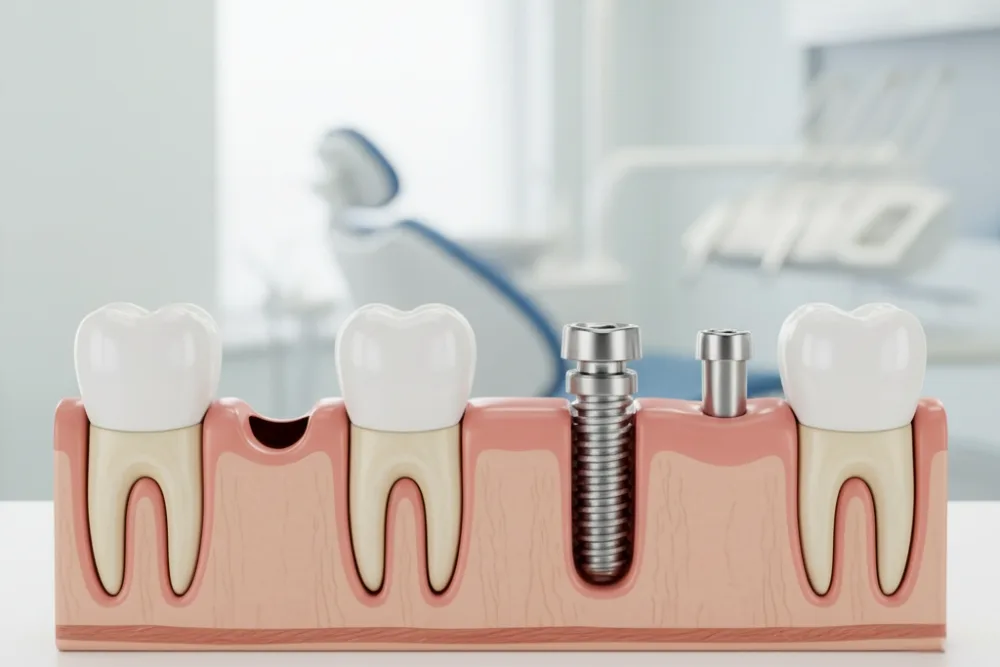
- Implant Placement: Titanium or zirconia posts are surgically inserted into the jawbone.
- Temporary Restoration: A custom-made temporary crown, bridge, or full arch prosthesis is immediately attached to the implants. This allows you to eat, speak, and smile with confidence while the implants heal and integrate with your bone.
- Osseointegration: Over the next few months, the implants fuse with your jawbone in a process called osseointegration.
- Permanent Restoration: Once healing is complete, the temporary restoration is replaced with a durable, custom-designed permanent one.
Benefits of 24-Hour Dental Implants 😁
- Immediate Results: Walk out with a new smile in a single day.
- Convenience: Fewer dental visits compared to traditional methods.
- Improved Aesthetics: Instantly enhances your appearance.
- Restored Function: You can eat and speak more comfortably right away.
- Bone Preservation: Helps prevent jawbone loss that often occurs with missing teeth.
- Boosted Confidence: A full, beautiful smile can significantly improve self-esteem.
Who is an Ideal Candidate?
While highly beneficial, 24-hour dental implants aren’t for everyone. Ideal candidates typically have:
- Good general health.
- Sufficient bone density in their jaw.
- Good oral hygiene habits.
- No active gum disease.
Your dentist will conduct a thorough evaluation to determine if this accelerated treatment option is suitable for your specific case.
Understanding the “24-Hour” Aspect: What It Really Means
The term “24-hour” or “same-day” can sometimes be misunderstood. It doesn’t mean the entire healing process is completed in 24 hours. Instead, it refers to the ability to place the implant and attach a functional, temporary restoration within a single day or very shortly after.
“The immediate gratification of leaving with a functional smile is a major draw for 24-hour dental implants, but patients must understand the full healing journey continues for months.”
The implants still need several months to fully integrate with your jawbone (osseointegration) before the final, permanent restoration can be placed. The temporary teeth serve as a bridge, allowing you to enjoy immediate aesthetics and function while the crucial biological process of bone fusion takes place underneath. This distinction is important for managing expectations and understanding the complete treatment timeline, which impacts the overall cost structure.
Factors Influencing 24-Hour Dental Implants Cost in 2025
The cost of 24-hour dental implants is not a fixed price; it’s a dynamic figure influenced by a multitude of factors. Understanding these elements is key to comprehending the overall investment you’ll be making in 2025.
1. Number of Implants and Teeth Being Replaced
This is perhaps the most significant factor.
- Single Tooth Implant: Replacing one missing tooth will naturally be less expensive than replacing multiple teeth.
- Multiple Implants: If you need several individual implants, the cost will increase with each additional implant and restoration.
- Full Arch Restoration (All-on-4, All-on-6): For patients missing most or all of their teeth in an arch (upper or lower jaw), solutions like All-on-4 or All-on-6 implants are common. These involve placing 4 or 6 implants strategically to support a full arch of teeth. While a significant investment, they are generally more cost-effective than replacing every single tooth with an individual implant.
2. Type of Implant Materials
The materials used for both the implant posts and the restorations play a role in pricing.
- Implant Posts: Most commonly made from medical-grade titanium, known for its biocompatibility and strength. Zirconia implants are also available, offering a metal-free alternative, sometimes at a higher cost.
- Temporary Restoration: Usually made from acrylic or a composite resin, designed for immediate use.
- Permanent Restoration: Can be made from various materials, including:
- Porcelain Fused to Metal (PFM): Durable and aesthetic.
- Full Zirconia: Highly durable, very aesthetic, and often the most expensive option.
- E.max (Lithium Disilicate): Known for its excellent aesthetics, especially for front teeth.
- Acrylic on a Titanium Frame: Common for full arch restorations, balancing durability and cost.
3. Diagnostic Procedures
Before any surgery, thorough diagnostics are essential for precise planning. These costs are typically included in the overall treatment plan.
- X-rays: Standard dental X-rays.
- 3D CT Scans (Cone Beam CT – CBCT): Provides detailed 3D images of your jawbone, nerves, and sinuses, crucial for accurate implant placement and identifying potential issues like insufficient bone.
- Digital Impressions/Scans: Used to create highly accurate models of your mouth for designing restorations.
4. Preliminary Treatments and Additional Procedures
Some patients require preparatory work before implants can be placed, which adds to the total cost.
- Tooth Extractions: If you have failing teeth that need to be removed before implant placement.
- Bone Grafting: If your jawbone isn’t dense enough or has receded, a bone graft might be necessary to build up the bone, providing a stable foundation for the implants. This can involve synthetic bone material or bone taken from another part of your body.
- Sinus Lift: If implants are needed in the upper jaw where the sinus cavity might be too close to the jawbone, a sinus lift procedure raises the sinus floor and adds bone material.
- Gum Grafting: In some cases, to improve gum health around the implant site.
5. Anesthesia Options
Your comfort during the procedure is paramount. The type of anesthesia chosen will impact the cost.
- Local Anesthesia: Numbing the treatment area, usually included.
- Oral Sedation: Pills taken before the procedure to help you relax.
- IV Sedation (Conscious Sedation): Administered intravenously to induce a deeper state of relaxation, often by an anesthesiologist, adding a significant cost.
- General Anesthesia: For complex cases or highly anxious patients, putting you completely to sleep, typically the most expensive option and requires an anesthesiologist.
6. Geographic Location of the Clinic
Dental costs can vary significantly depending on where you live.
- Major Metropolitan Areas: Cities with higher costs of living (e.g., New York, Los Angeles) generally have higher dental fees.
- Suburban or Rural Areas: May offer more competitive pricing.
- Regional Differences: Costs can also vary by state or even within different parts of the same state.
7. Dentist’s Experience and Specialization
The expertise of the dental professional performing the procedure is a crucial factor.
- Oral Surgeons, Periodontists, Prosthodontists: These specialists often have extensive training and experience in implant dentistry, and their fees might reflect their specialized skills and success rates.
- General Dentists with Implant Training: Some general dentists also perform implant procedures. While highly competent, their fees might differ.
- Technology & Equipment: Clinics that invest in state-of-the-art technology (e.g., guided surgery systems, in-house milling machines) may have higher overheads, which can be reflected in their pricing.
8. Aftercare and Follow-up Appointments
A comprehensive treatment plan should include post-operative care.
- Follow-up Visits: To monitor healing and ensure proper integration of the implants.
- Medications: Prescriptions for pain management or antibiotics.
- Adjustments: Minor adjustments to the temporary or permanent restorations.
- It’s important to clarify what aftercare is included in the initial quote and what might incur additional charges.
Average Cost Ranges for 24-Hour Dental Implants in 2025
Providing exact figures for 24-hour dental implants can be challenging due to the many variables. However, we can offer general ranges for 2025 to give you an idea of the financial commitment. These ranges typically include the implant placement, temporary restoration, and necessary diagnostics, but may not always include preliminary procedures like bone grafts or the final permanent restoration.
| Type of 24-Hour Dental Implant | Estimated Cost Range (USD) in 2025 | What’s Typically Included |
|---|---|---|
| Single Tooth Implant | $4,000 – $8,000 per tooth | Implant post, abutment, temporary crown, surgical placement, diagnostics. |
| Multiple Teeth Implants | $8,000 – $25,000+ | Multiple implant posts, abutments, temporary bridge/crowns, surgical placement, diagnostics. Varies greatly by number of teeth. |
| Full Arch (All-on-4/6) | $20,000 – $40,000+ per arch | 4-6 implant posts, surgical placement, temporary full-arch prosthesis, diagnostics. Often does not include the final permanent prosthesis. |
| Full Mouth (Both Arches) | $40,000 – $80,000+ | All components for both upper and lower arches, including temporary prostheses. |
Important Note: These are broad estimates for 2025. Your actual cost could be higher or lower based on your individual case, the clinic’s location, the specific materials used, and whether additional procedures are required. The cost for the final, permanent restoration (which is placed months after the temporary one) is often a separate line item or a significant portion of the total. Always get a detailed, written quote from your dental professional.
Breaking Down the Cost: What’s Included and What’s Not?
When you receive a quote for 24-hour dental implants, it’s essential to understand exactly what that price covers. A comprehensive quote should ideally be transparent about all components.
What’s Typically Included in the Initial 24-Hour Implant Cost:
- Initial Consultation: The first visit to discuss your needs, assess your oral health, and determine if you’re a candidate.
- Diagnostic Imaging: This usually covers X-rays, 3D CT scans, and digital impressions needed for precise treatment planning.
- Surgical Placement of Implants: The actual procedure of inserting the titanium or zirconia posts into your jawbone.
- Abutment: The connector piece that attaches the crown/bridge to the implant post.
- Temporary Prosthesis: The immediate crown, bridge, or full arch of teeth that is attached on the same day or within 24 hours. This allows for immediate function and aesthetics.
- Post-Operative Checks: Follow-up appointments to monitor healing and address any immediate concerns.
- Local Anesthesia: Numbing of the surgical area.
What’s Often NOT Included (and Adds to the Overall Cost):
- Tooth Extractions: If you need teeth removed before implant placement, this is usually a separate charge per tooth.
- Bone Grafting/Sinus Lift: These preparatory surgeries are significant additions to the cost, ranging from hundreds to several thousands of dollars per site.
- Advanced Sedation: While local anesthesia is usually included, options like oral sedation, IV sedation, or general anesthesia will incur extra fees, often billed by an external anesthesiologist.
- The Permanent Restoration: This is a big one! The “24-hour” aspect refers to the temporary teeth. The final, permanent crown, bridge, or full arch prosthesis (which offers superior durability and aesthetics) is typically fabricated and placed several months later. Its cost can be substantial and may be billed separately or as the second major phase of treatment.
- Medications: Prescriptions for pain relief, antibiotics, or anti-inflammatory drugs.
- Warranty/Maintenance Plans: While some clinics offer warranties on their work or implants, extended maintenance plans might be extra.
- Dealing with Complications: While rare, if complications arise that require additional surgery or treatment, these may incur further costs.
“Always request a detailed, itemized breakdown of your treatment plan and associated costs. Don’t be afraid to ask questions until you fully understand every charge.”
Financing Your 24-Hour Dental Implants in 2025
The investment in 24-hour dental implants is significant, but there are several ways to make it more manageable. Don’t let the upfront cost deter you from exploring this life-changing treatment.
1. Dental Insurance 🛡️
- Limitations: Most dental insurance plans view dental implants as a major procedure and may only cover a small portion, if any. Some plans might cover the extraction or bone graft, but not the implant itself or the crown.
- Maximums: Be aware of your annual maximums. Even if implants are covered, you might quickly hit your limit.
- Pre-authorization: Always get a pre-authorization from your insurance provider to understand exactly what they will cover before starting treatment.
2. Payment Plans Offered by Clinics
Many dental offices understand the financial commitment and offer in-house payment plans.
- Interest-Free Options: Some clinics provide interest-free financing for a certain period, especially if you can make a substantial down payment.
- Extended Payment Plans: Others might offer longer payment terms with a low interest rate.
- Flexible Schedules: Discuss your financial situation with the office manager; they may be able to tailor a plan to your budget.
3. Third-Party Dental Financing Companies
Several companies specialize in healthcare financing, such as CareCredit or LendingClub.
- Credit-Based: These plans are essentially medical credit cards or loans, requiring a credit check.
- Promotional Periods: They often offer promotional periods with no interest if the balance is paid within a specific timeframe (e.g., 6, 12, 18, or 24 months).
- Longer Terms: For larger amounts, longer-term plans with fixed interest rates are available.
4. Health Savings Accounts (HSAs) and Flexible Spending Accounts (FSAs)
- Tax Advantages: If you have an HSA or FSA through your employer, you can use these pre-tax dollars to pay for dental implants, effectively saving you money on taxes.
- Use It or Lose It (FSA): Be mindful of FSA deadlines, as funds often need to be used within the plan year. HSA funds roll over year to year.
5. Personal Loans or Home Equity Loans
- Personal Loans: Banks and credit unions offer unsecured personal loans that can be used for any purpose, including medical expenses. Interest rates vary based on your creditworthiness.
- Home Equity Loans/Lines of Credit: If you own a home, you might consider using your home’s equity. These often come with lower interest rates but carry the risk of using your home as collateral.
6. Discount Dental Plans
- These are not insurance but membership plans where you pay an annual fee and get discounts on various dental procedures, including implants, from participating dentists. The savings can be significant, but check if your chosen dentist participates.
It’s wise to explore all these options and discuss them thoroughly with your dental office’s financial coordinator. They often have experience guiding patients through the financing process and can help you find the best solution for your needs.
Benefits of Choosing 24-Hour Dental Implants (Beyond Speed)
While the immediate gratification of a new smile is a major draw, 24-hour dental implants offer several long-term benefits that contribute to their value.
1. Immediate Aesthetics and Functionality ✨
This is the most obvious benefit. You don’t have to endure weeks or months with missing teeth or uncomfortable temporary dentures. You leave the dentist’s office with a stable, functional smile, allowing you to eat, speak, and socialize with confidence right away.
2. Preservation of Bone Structure 🦴
When a tooth is lost, the jawbone beneath it begins to resorb or shrink due to lack of stimulation. Dental implants, especially when placed soon after extraction, act like natural tooth roots, stimulating the jawbone and preventing this bone loss. This helps maintain your facial structure and prevents a sunken appearance.
3. Improved Quality of Life 😄
Missing teeth can significantly impact one’s quality of life, affecting diet, speech, and self-esteem. 24-hour implants restore these functions almost instantly, allowing you to:
- Enjoy a wider variety of foods without discomfort.
- Speak clearly without lisping or whistling.
- Smile, laugh, and interact socially without embarrassment.
4. Long-Term Solution
Dental implants are designed to be a permanent solution for tooth loss. With proper care, they can last a lifetime, far outlasting traditional bridges or dentures that may need replacement every 5-10 years. While the initial investment might be higher, the long-term cost-effectiveness can be significant.
5. Enhanced Oral Health
Unlike bridges, implants don’t require altering adjacent healthy teeth. This preserves your natural tooth structure. They also make it easier to maintain good oral hygiene, as you can brush and floss around them much like natural teeth.
6. Comfort and Stability
Once integrated, dental implants feel and function like your natural teeth. There’s no slipping, clicking, or discomfort often associated with removable dentures. The stability they provide is unmatched.
Potential Drawbacks & Considerations
While 24-hour dental implants offer incredible advantages, it’s also important to be aware of potential drawbacks and considerations before committing to the procedure.
1. Higher Initial Cost 💸
As discussed, 24-hour implants can be more expensive upfront than traditional implant procedures due to the complexity, specialized materials, and immediate restoration. The accelerated timeline often requires more advanced technology and a highly skilled team.
2. Not Suitable for Everyone
The immediate load technique requires specific conditions:
- Sufficient Bone Density: Patients must have adequate, healthy bone structure to ensure the implants can be immediately stabilized. If bone quality is poor, traditional implants with a healing period might be necessary after bone grafting.
- Good General Health: Certain medical conditions (e.g., uncontrolled diabetes, severe autoimmune disorders) or habits (e.g., heavy smoking) can compromise healing and implant success, making immediate loading less advisable.
- Patient Compliance: Strict adherence to post-operative instructions, especially regarding diet (soft foods only for several weeks/months), is crucial for success.
3. Risk of Failure (Though Low)
While dental implants have a very high success rate (over 95%), any surgical procedure carries risks. For immediate load implants, the risk of failure is slightly higher than traditional implants if the initial stability is not optimal or if the patient doesn’t follow post-operative care diligently. Failure can lead to the implant loosening or falling out, requiring removal and potentially a new procedure after a healing period.
4. Need for Meticulous Aftercare and Maintenance
Although they function like natural teeth, implants still require diligent oral hygiene, including regular brushing, flossing, and professional dental check-ups. Neglecting care can lead to peri-implantitis (gum disease around the implant), which can jeopardize its longevity.
5. Multiple Stages of Restoration
While you get temporary teeth immediately, remember that the final, permanent restoration comes later. This means you’ll still have follow-up appointments and a second phase of treatment for the definitive teeth, which also contributes to the overall cost and timeline.
Questions to Ask Your Dentist
Choosing to undergo 24-hour dental implant treatment is a significant decision. To ensure you’re fully informed and comfortable, prepare a list of questions for your dental implant specialist during your consultation in 2025.
- What is the total estimated cost for my specific 24-hour dental implant treatment plan?
- Request a detailed, itemized breakdown.
- What exactly is included in this cost?
- Diagnostic fees (X-rays, CT scans)?
- Surgical fees?
- Temporary prosthesis?
- Abutments?
- Follow-up appointments?
- Are there any additional costs I should anticipate that are NOT included in the initial quote?
- Extractions?
- Bone grafting, sinus lift, or other preliminary procedures?
- Advanced sedation (IV sedation, general anesthesia)?
- The final, permanent restoration (and its cost)?
- Medications?
- What are my payment options and financing plans available through your clinic or third-party providers?
- Do you offer interest-free payment plans?
- What is your experience and success rate with 24-hour (immediate load) dental implants?
- How many of these procedures have you performed?
- What materials will be used for both the temporary and permanent restorations?
- Are there different options, and how do they affect cost and durability?
- What is the expected timeline for the entire treatment, from start to final permanent restoration?
- What are the potential risks or complications associated with my specific case, and how are they managed?
- What are the post-operative care instructions, and what kind of diet will I need to follow?
- Do you offer any warranty on the implants or the restorations?
Asking these questions will empower you to make an informed decision and ensure there are no surprises regarding the 24-hour dental implants cost or the treatment process.
Conclusion
The prospect of restoring your smile and dental function in a single day with 24-hour dental implants is undeniably appealing. In 2025, this advanced treatment offers a remarkable solution for those seeking immediate results and a significant improvement in their quality of life. However, understanding the financial commitment involved is paramount.
While the 24-hour dental implants cost can be a significant investment, it’s crucial to view it as an investment in your long-term health, confidence, and well-being. Factors such as the number of implants, materials used, need for preliminary procedures, and the expertise of your dental team all play a role in the final price.
By seeking a thorough consultation with a qualified dental implant specialist, asking detailed questions, and exploring various financing options, you can navigate the costs effectively. Don’t let the initial price deter you from exploring a solution that could provide you with a durable, beautiful, and functional smile for years to come. Your journey to a renewed smile begins with informed decisions and a clear understanding of the path ahead.