
A striking reality for many considering dental implants in Dallas in 2026 is the potential need for a bone graft, an additional procedure that can significantly impact the overall cost, often adding hundreds to thousands of dollars. While dental implants offer a robust solution for missing teeth, their success critically depends on a strong foundation of healthy jawbone. Without adequate bone volume, the implant simply cannot be secured properly. Understanding bone graft costs in Dallas for 2026, when they are needed for implants, and the average pricing of $500-$3,000, is crucial for patients planning their tooth replacement options. This guide will demystify this common pre-implant procedure, providing insights into its necessity, various types, and factors influencing its cost within the Dallas area.
Key Takeaways
- Bone grafts are often necessary before dental implants if insufficient jawbone density or volume exists.
- Factors like the type of graft material, complexity, and location of the graft significantly influence the cost.
- Average bone graft costs in Dallas for 2026 range from approximately $500 to $3,000 per site, sometimes more for complex cases.
- Preventative measures and understanding the procedure can help manage overall dental implant costs.
- A thorough consultation with a qualified dentist in Dallas is essential to determine if a bone graft is needed and to receive an accurate personalized estimate.
Understanding When Bone Grafts Are Needed for Dental Implants in Dallas 2026
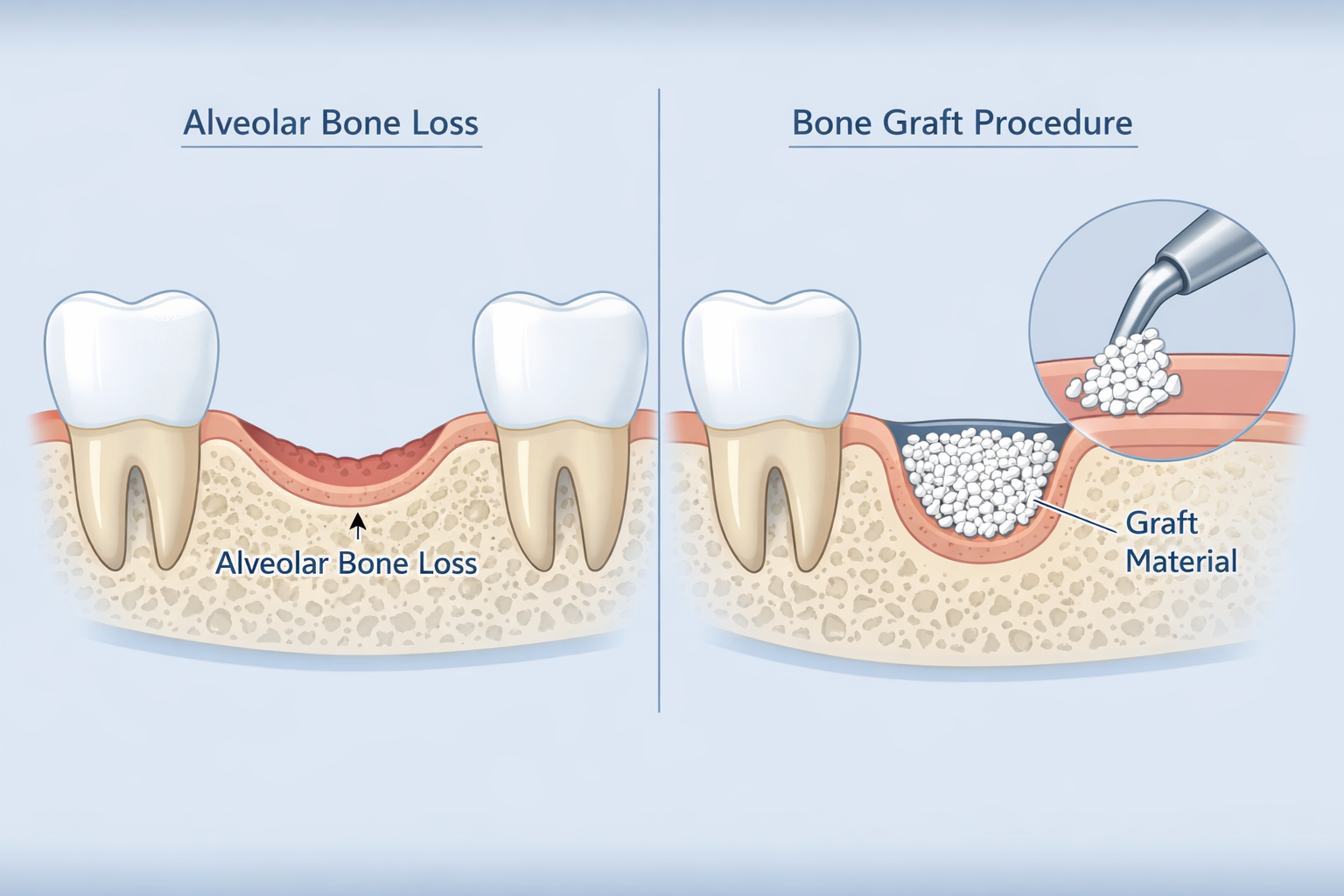
When considering dental implants in Dallas, a stable and sufficient jawbone is paramount for the long-term success of the implant. The titanium implant post needs to fuse with the bone, a process called osseointegration. If the jawbone is too thin, soft, or not tall enough, a bone graft becomes a necessary preliminary step. This ensures the dental implant has the strong, healthy foundation required to function effectively and last for many years.
Several situations commonly lead to the need for a bone graft before dental implant surgery:
- Tooth Extraction: When a tooth is removed, the bone that supported it (the alveolar bone) can begin to resorb or shrink almost immediately. This is particularly true if the extraction site is left open for an extended period. A “socket preservation” graft can be performed at the time of extraction to minimize bone loss.
- Periodontal Disease: Advanced gum disease can destroy the bone supporting the teeth. If significant bone loss has occurred, a graft may be needed to rebuild the area before an implant can be placed.
- Missing Teeth for an Extended Time: If teeth have been missing for months or years, the jawbone in that area naturally deteriorates because it no longer receives the stimulation from chewing. This lack of stimulation signals the body to resorb the bone.
- Trauma or Injury: Accidents or injuries that result in tooth loss or damage to the jawbone can necessitate a graft to restore the bone structure.
- Sinus Augmentation (Sinus Lift): For implants in the upper back jaw, the maxillary sinuses are often too close to the oral cavity, leaving insufficient bone height. A sinus lift procedure raises the sinus floor and places graft material to create adequate bone for implant placement.
- Ridge Augmentation: If the jawbone ridge is too narrow or too short to support an implant, a ridge augmentation procedure adds bone to widen or heighten the ridge.
The Role of Bone Grafts in Successful Dental Implant Procedures
A bone graft serves to regenerate or augment existing bone, creating a solid base for the dental implant. Without this crucial step in cases of insufficient bone, attempting to place an implant could lead to implant failure, instability, or even damage to surrounding structures. It’s a foundational procedure that ensures patient safety and the long-term success of the implant. Dental implant education emphasizes that skipping a necessary graft can compromise the entire implant surgery process. Patients seeking missing teeth solutions in Dallas should be prepared for this possibility.
Types of Bone Graft Materials and Procedures Affecting Bone Graft Costs Dallas 2026
The type of bone graft material used and the specific procedure performed are significant factors influencing bone graft costs in Dallas for 2026. Dentists consider various materials and techniques, each with its own advantages, healing times, and associated expenses.
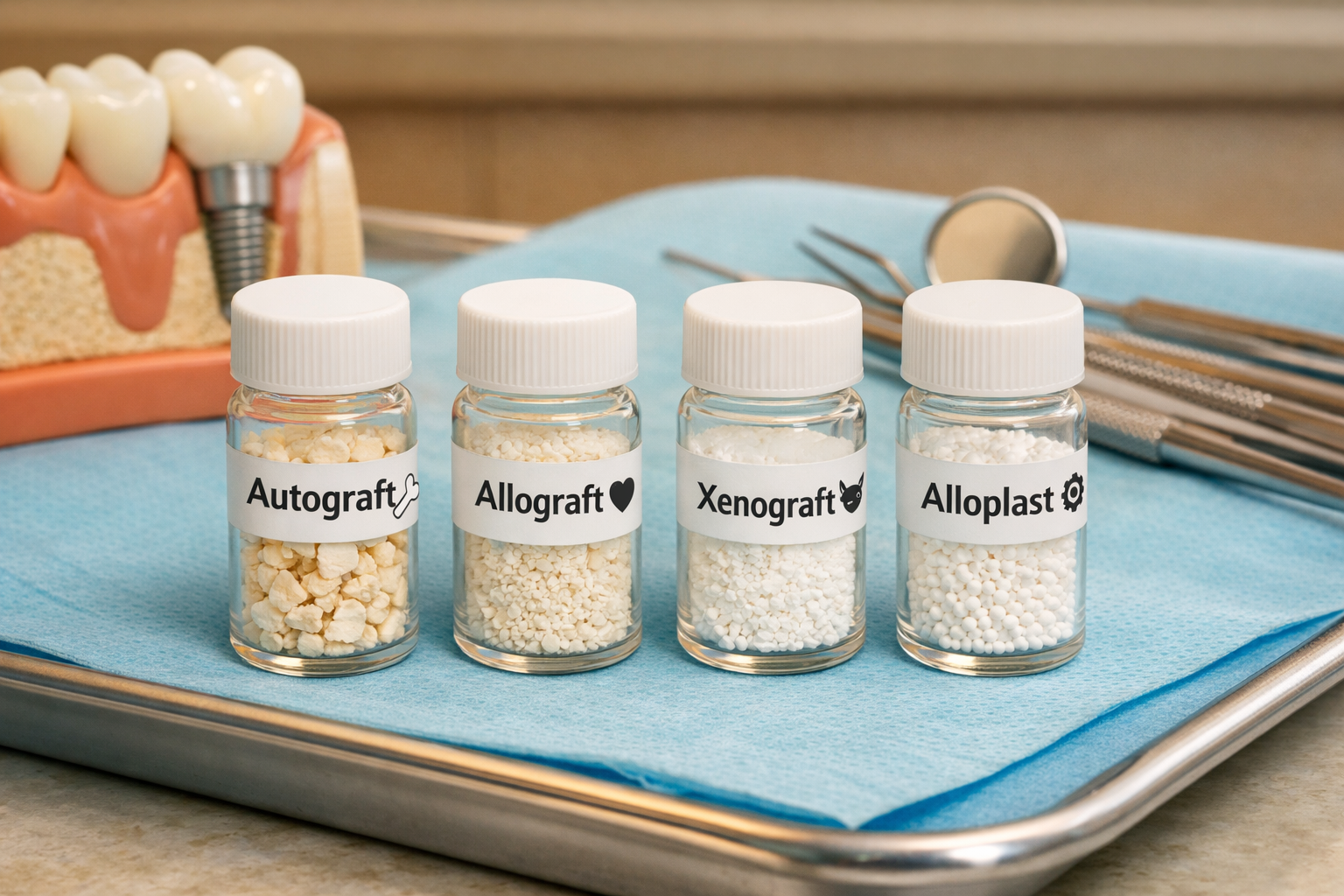
Common Types of Bone Graft Materials:
- Autograft: This type uses bone harvested from the patient’s own body, often from another part of the mouth, hip, or shin. Autografts are considered the “gold standard” because they contain living bone cells and growth factors, minimizing the risk of rejection. However, they require a second surgical site for harvesting, which adds to the procedure’s complexity and cost.
- Allograft: Bone material is sourced from a human donor (cadaver) and processed to ensure sterility and safety. Allografts are readily available and eliminate the need for a second surgical site, which can make them a more convenient and sometimes less expensive option than autografts.
- Xenograft: This graft material comes from an animal source, typically bovine (cow) or porcine (pig) bone. It is also processed for safety and acts as a scaffold for the patient’s own bone to grow into. Xenografts are widely used and effective.
- Alloplast: These are synthetic bone graft materials, often made from biocompatible ceramics like hydroxyapatite. Alloplasts are also used as a scaffold and are a good option for patients who prefer to avoid human or animal-derived materials.
Specific Bone Graft Procedures and Their Impact on Cost:
The extent and location of bone loss determine the type of grafting procedure. Each procedure has varying levels of complexity and material requirements, directly impacting the final Bone Graft Costs Dallas 2026.
- Socket Preservation (Ridge Preservation): This is typically performed immediately after a tooth extraction. Graft material is placed into the empty socket to prevent the jawbone from collapsing and shrinking. This helps maintain the bone volume needed for future implant placement.
- Average Cost Range: $300 – $800
- Ridge Augmentation: If the jawbone ridge has already narrowed or lost height due to long-term tooth loss, this procedure rebuilds the ridge. Graft material is placed to increase the width and/or height of the bone, making it suitable for dental implants.
- Average Cost Range: $800 – $2,500
- Sinus Lift (Sinus Augmentation): This is a specialized procedure for the upper jaw, especially when placing implants in the back teeth area. The maxillary sinus membrane is gently lifted, and bone graft material is placed into the space created beneath it.
- Average Cost Range: $1,500 – $3,000 per sinus, potentially more for complex cases. For more on overall costs, see Implant-Supported Bridges in Dallas 2026: 3-Tooth Solutions.
- Major Bone Grafts: For extensive bone loss, particularly those requiring large amounts of autogenous bone or involving reconstructive surgery, costs can be significantly higher. These are less common for routine dental implant preparation.
- Average Cost Range: $3,000 – $5,000+
It’s important to remember that these are average pricing estimates for the Dallas area in 2026. The actual cost will depend on the individual case, the dentist’s fees, and the specific materials chosen.
Average Pricing for Bone Grafts in Dallas 2026: What to Expect ($500-$3,000)
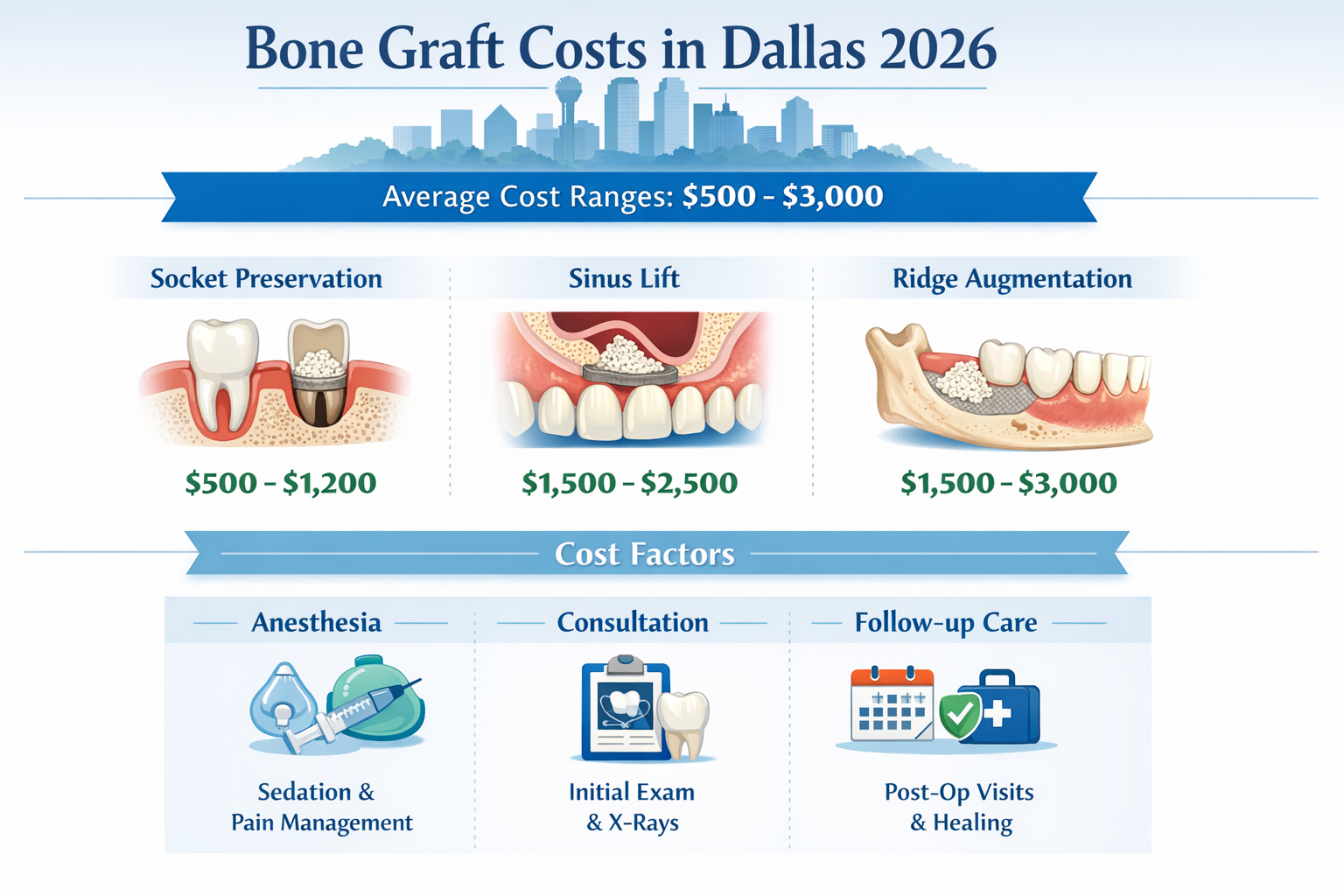
When budgeting for dental implants in Dallas, understanding the additional cost of bone grafting is essential. The average pricing for a bone graft in Dallas in 2026 typically ranges from $500 to $3,000, though this can vary based on several key factors. This range often reflects the complexity of the procedure and the type of material used.
Factors Influencing Bone Graft Costs Dallas 2026:
Several elements contribute to the final cost you might encounter:
- Type of Graft Material: As discussed, autografts (your own bone) can be more expensive due to the need for a second surgical site. Allografts, xenografts, and alloplasts may have different price points based on sourcing and processing.
- Complexity and Size of the Graft: A small socket preservation graft will naturally cost less than a large sinus lift or ridge augmentation procedure that requires more material and surgical skill.
- Location of the Graft: Grafts in hard-to-reach areas or those requiring specialized equipment (like for sinus lifts) may incur higher fees.
- Anesthesia: The type of anesthesia chosen can significantly impact costs. Local anesthesia is usually included, but sedation options like oral sedation, IV sedation, or general anesthesia will add to the total. Learn more about Dental Implant Sedation Options Dallas.
- Surgeon’s Fees: The experience and specialization of the oral surgeon or periodontist performing the graft can influence their fees. Highly experienced specialists might charge more, reflecting their expertise.
- Diagnostic Imaging: Initial X-rays and 3D CT scans are necessary to assess bone volume and plan the graft. These diagnostic costs are usually separate from the graft procedure itself.
- Follow-up Care: Post-operative visits and any necessary medications are typically included in the overall package but can sometimes be billed separately.
- Clinic Location and Overhead: Dental implant cost in Dallas can vary slightly between different clinics based on their operating costs, technology, and location within the metroplex.
Estimated Cost Breakdown (Illustrative, not a guarantee):
| Procedure Type | Average Cost Range (Dallas 2026) | Description |
|---|---|---|
| Socket Preservation | $300 – $800 | Prevents bone loss after extraction, prepares for implant. |
| Ridge Augmentation | $800 – $2,500 | Rebuilds width or height of jawbone where a tooth has been missing. |
| Sinus Lift (Minor) | $1,500 – $2,500 | Lifts sinus membrane and adds bone in upper back jaw for single implant. |
| Sinus Lift (Major) | $2,500 – $3,000+ | More extensive lift for multiple implants or significant bone deficiency. |
Note: These ranges represent the cost of the bone graft procedure itself and typically do not include the cost of the dental implant or crown.
Insurance Coverage for Bone Grafts
Many dental insurance plans consider bone grafting a separate surgical procedure rather than part of the implant, which can sometimes lead to better coverage than for the implant itself. However, coverage varies widely. It is crucial to contact your insurance provider directly to understand your specific benefits for “pre-prosthetic surgery” or “bone augmentation.” Some medical insurance plans might also offer partial coverage if the bone loss resulted from a medical condition or trauma. Always inquire about “hidden fees” that might not be included in initial quotes. For more on what to expect, read about Hidden Fees in Dallas All-on-4 Quotes 2026: Sedation, Grafts.
To get an accurate estimate of bone graft costs for your specific needs, a consultation with a qualified dental professional in Dallas is indispensable. They will perform a thorough examination, including imaging, to determine if a graft is necessary, what type is best, and provide a personalized treatment plan and cost breakdown. This comprehensive approach ensures you are fully informed about all aspects of your dental implant journey, including any necessary bone grafting. For insights into other related costs, consider our article on Single Tooth Implant Cost Dallas 2026: What to Expect for a Molar.
Conclusion
Navigating the journey towards dental implants in Dallas requires understanding all components, and bone grafting is a significant one. Knowing the typical bone graft costs in Dallas for 2026, when these procedures are needed for implants, and the average pricing of $500-$3,000, empowers patients to make informed decisions about their oral health. While it represents an additional investment, a necessary bone graft is not just an added expense; it’s an investment in the long-term success and stability of your dental implants, ensuring a strong foundation for your new teeth.
For anyone considering dental implants in Dallas, especially if bone loss is a concern, the most crucial next step is a professional consultation with a dentist experienced in implant dentistry. During this consultation, your oral health will be thoroughly assessed, and detailed information about whether a bone graft is needed, the specific type, and a personalized cost estimate will be provided. This patient-first approach ensures transparency and helps you plan your treatment journey confidently. Prioritize your long-term oral health by seeking expert advice and exploring all your tooth replacement options.
References
- American Academy of Periodontology. (n.d.). Bone Grafting. Retrieved from https://www.perio.org/consumer/bone-grafting
- Misch, C. E. (2008). Contemporary Implant Dentistry (3rd ed.). Mosby Elsevier. (Though no specific page cited, general reference for implant dentistry principles)
- Oral and Maxillofacial Surgeons of America. (n.d.). Dental Implant Surgery. Retrieved from https://www.aaoms.org/conditions-and-treatments/dental-implant-surgery/
SEO Meta Title: Bone Graft Costs Dallas 2026: Implants & Avg. Pricing $500-$3,000 SEO Meta Description: Explore bone graft costs in Dallas for 2026, when needed for dental implants, average pricing $500-$3,000, and factors influencing the cost for your oral health.