Missing teeth can impact more than just your smile; they can affect your ability to eat, speak clearly, and even your overall confidence. For many, dental implants have emerged as the gold standard for replacing lost teeth, offering a durable, natural-looking, and highly functional solution. But as you consider this life-changing procedure, one of the first questions that likely comes to mind is, “What will it cost?” Specifically, if you’re looking to replace three missing teeth, understanding the financial investment for 3 dental implants is crucial.
I’m here to guide you through the intricacies of dental implant costs in 2025. I understand that navigating dental expenses can feel overwhelming, but my goal is to break down every aspect for you. From the initial consultation to the final crown, we’ll explore the various factors that influence the price, what you can expect, and how to make this important investment manageable. Let’s dive in and demystify the cost of restoring your smile with three dental implants.
Read Also:-Unveiling the Cost of 2 Dental Implants in 2025: Your Comprehensive Guide to a Lasting Smile.
Key Takeaways
- Average Cost Range: The total cost for three individual dental implants, including surgery, abutments, and crowns, can range significantly, typically from $9,000 to $24,000+ in 2025. This wide range depends on many factors.
- Multiple Factors Influence Price: Your specific cost will be affected by geographic location, the dentist’s expertise, the materials used, the need for preparatory procedures like bone grafts, and the type of anesthesia.
- Comprehensive Procedure: A dental implant isn’t just one component; it involves the implant post, an abutment, and a custom crown. Each step and component contributes to the overall expense.
- Financing Options Available: While dental insurance often has limited coverage for implants, many clinics offer payment plans, and third-party financing like CareCredit can make the cost more manageable. HSAs and FSAs are also great tools.
- Long-Term Investment: Dental implants are a long-term solution, often lasting decades. While the initial cost might seem high, their durability, bone health benefits, and improved quality of life often make them a worthwhile investment compared to alternatives that require more frequent replacement or repairs.
Understanding Dental Implants: More Than Just a Tooth
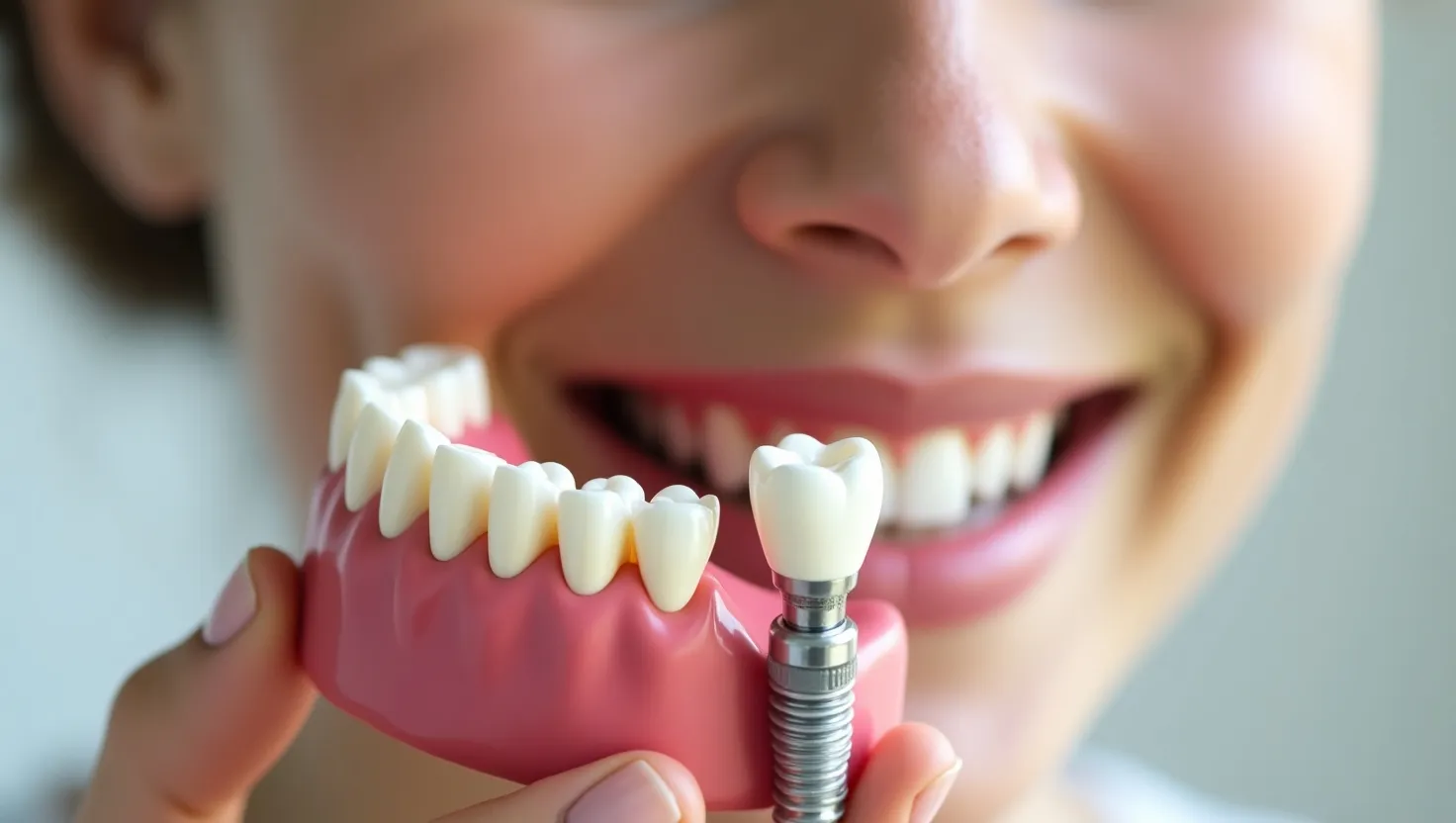
Before we delve into the numbers, let’s quickly review what a dental implant actually is. It’s not just a replacement tooth; it’s a sophisticated system designed to mimic the natural structure of a tooth, from root to crown.
A single dental implant typically consists of three main parts:
- The Implant Post (Fixture): This is a small, screw-shaped post, usually made of titanium or zirconia. It’s surgically placed into your jawbone, acting as an artificial tooth root. Over several months, it fuses with your bone in a process called osseointegration. 🦴
- The Abutment: Once the implant post has healed and integrated with your bone, a small connector piece called an abutment is attached to it. This piece extends above the gum line and serves as the anchor for your new crown.
- The Dental Crown: This is the visible part of your new tooth – a custom-made crown (or cap) that looks and feels like a natural tooth. It’s carefully crafted to match the color, shape, and size of your existing teeth, and it’s securely cemented or screwed onto the abutment. 👑
When we talk about the “cost of 3 dental implants,” we are generally referring to three complete implant systems, each comprising a post, an abutment, and a crown, replacing three individual missing teeth.
Why Choose Dental Implants? 🤔
I often tell my patients that dental implants offer unparalleled benefits compared to other tooth replacement options like bridges or dentures:
- Natural Look and Feel: Implants are designed to blend seamlessly with your natural teeth.
- Improved Oral Health: Unlike bridges, implants don’t require altering adjacent healthy teeth. They also help preserve jawbone density, preventing bone loss that often occurs after tooth extraction.
- Durability: With proper care, dental implants can last a lifetime, making them a highly cost-effective long-term solution.
- Enhanced Functionality: You can eat, speak, and smile with confidence, just as you would with natural teeth. No slipping or discomfort!
- Convenience: Implants are a permanent part of your mouth, eliminating the need for adhesives or removal for cleaning.
Deconstructing the Cost of 3 Dental Implants in 2025
The cost of dental implants is not a one-size-fits-all figure. It’s a complex calculation influenced by numerous factors, and when you’re considering three implants, these factors are multiplied. Let’s break down the components that contribute to the overall expense.
The Average Cost Range for 3 Dental Implants
While providing an exact figure without a personal consultation is impossible, I can give you a realistic range based on current market trends for 2025.
For three individual dental implants, including all stages from surgery to the final crowns, you can expect a total cost that typically ranges from $9,000 to $24,000 or more.
- Low End (e.g., general dentist, average location, no complications): Approximately $3,000 – $5,000 per implant, totaling $9,000 – $15,000 for three.
- Mid-Range (e.g., specialist, moderate location, some minor complexities): Approximately $5,000 – $7,000 per implant, totaling $15,000 – $21,000 for three.
- High End (e.g., highly experienced specialist, high cost-of-living area, complex preparatory procedures, premium materials): Approximately $7,000 – $8,000+ per implant, totaling $21,000 – $24,000+ for three.
This is a wide range, and understanding why it’s so broad is key to managing your expectations and budget.
Factors Influencing the Cost of Your 3 Dental Implants
Several variables play a significant role in determining the final price tag for your three dental implants.
1. Geographic Location 📍
Just like real estate, the cost of dental procedures varies significantly depending on where you live.
- High Cost-of-Living Areas: Major metropolitan areas (e.g., New York City, Los Angeles, San Francisco) and affluent suburbs generally have higher dental fees due to increased overhead costs (rent, salaries, taxes).
- Rural or Less Populated Areas: You might find more competitive pricing in smaller towns or regions with a lower cost of living.
- International Dental Tourism: Some individuals travel to other countries where dental work is significantly cheaper. However, this comes with its own set of considerations regarding quality, follow-up care, and travel expenses.
2. Dentist’s Expertise and Specialization 👩⚕️👨⚕️
The experience and specialization of the dental professional performing your implant procedure will impact the cost.
- General Dentist: Some general dentists are trained to place and restore dental implants. Their fees might be slightly lower.
- Specialists: Oral surgeons, periodontists, and prosthodontists are specialists with extensive training and experience in implant dentistry. While their fees might be higher, their specialized expertise often leads to higher success rates and better outcomes, especially for complex cases or multiple implants.
- Reputation and Technology: Highly reputable practices that invest in advanced technology (e.g., 3D imaging, guided surgery) may also have higher fees, but this often translates to more precise and efficient treatment.
3. Type of Implant Materials and Brand 🏷️
Not all implants are created equal. The material and brand can affect both the cost and the long-term success.
- Implant Post Material:
- Titanium: The most common and well-researched material, known for its biocompatibility and strength. Most implants are titanium.
- Zirconia: A metal-free alternative, sometimes chosen for aesthetic reasons or for patients with metal sensitivities. Zirconia implants can sometimes be more expensive.
- Implant Brand: There are many reputable implant manufacturers (e.g., Nobel Biocare, Straumann, Dentsply Sirona, Zimmer Biomet). Premium brands, often backed by extensive research and development, may have higher costs, but they also tend to have a proven track record and provide excellent support for dentists.
4. Diagnostic Procedures 📸
Before any treatment begins, your dentist needs a clear picture of your oral health and jawbone structure.
- X-rays: Standard 2D X-rays are typically included in the initial consultation.
- 3D CT Scans (Cone Beam CT – CBCT): These advanced scans provide a detailed 3D view of your jawbone, nerves, and sinuses. They are crucial for precise implant planning, especially for multiple implants, and add to the overall cost (typically $200 – $600).
5. Preparatory Procedures (If Needed) 🛠️
This is often where unexpected costs can arise, especially when bone loss or existing dental issues are present. For three implants, if preparatory procedures are needed for all three sites, the costs can quickly add up.
- Tooth Extractions: If you still have teeth that need to be removed before implant placement, this will be an additional cost (typically $75 – $450 per tooth, depending on complexity).
- Bone Grafting: If your jawbone isn’t thick or dense enough to support the implants, a bone graft may be necessary. This is very common, especially if teeth have been missing for a while.
- Socket Preservation: Grafting immediately after extraction to prevent bone loss (often $300 – $800 per site).
- Ridge Augmentation: Adding bone to widen or heighten the jawbone (often $400 – $1,200 per site).
- Sinus Lift: If implants are needed in the upper jaw where the sinus cavity is too close to the bone, a sinus lift procedure raises the sinus floor and adds bone (often $1,500 – $3,000 per side).
- Gum Disease Treatment: Active gum disease must be treated before implant placement to ensure success. This could involve deep cleaning (scaling and root planing) or even periodontal surgery.
6. Type of Abutment and Crown Material 🦷
The final restoration also has cost variations.
- Abutment Material: Can be titanium, zirconia, or even gold. Custom abutments (designed specifically for your mouth) may cost more than stock abutments but often provide a better fit and aesthetic outcome.
- Crown Material:
- Porcelain-Fused-to-Metal (PFM): A metal base with porcelain layered on top. Durable but can sometimes show a metal margin.
- All-Ceramic/Zirconia: Highly aesthetic, strong, and metal-free. Often preferred for front teeth due to their natural appearance, but can be more expensive.
- Dental Lab Fees: The quality and location of the dental lab crafting your custom crowns also play a role. Premium labs with skilled technicians and advanced technology will typically charge more.
7. Anesthesia Options 😴
Your comfort during the procedure is important, and the type of anesthesia affects the cost.
- Local Anesthesia: Numbing the area, typically included in the surgical fee.
- Oral Sedation: A pill to help you relax (additional $100 – $300).
- IV Sedation: Administered intravenously by an anesthesiologist for deeper relaxation (additional $500 – $1,500+ per session).
- General Anesthesia: For very anxious patients or complex cases, often administered in a hospital setting (can be several thousand dollars).
8. Post-Operative Care and Follow-ups 🩹
Many practices include routine follow-up appointments in the overall implant fee. However, some may charge for additional visits or for managing complications, should they arise. Always clarify what’s included.
A Sample Cost Breakdown: One Implant vs. Three Implants (Estimated for 2025)
To give you a clearer picture, let’s look at a hypothetical breakdown for a single implant and then extrapolate for three implants. Please remember, these are estimates and can vary wildly.
| Procedure/Component | Estimated Cost Per Implant (USD, 2025) | Estimated Cost For Three Implants (USD, 2025) | Notes |
|---|---|---|---|
| Initial Consultation & Exam | $50 – $200 | $50 – $200 (usually one fee) | May be credited towards treatment. |
| Diagnostic Imaging (X-rays/CBCT) | $100 – $600 | $100 – $600 (usually one fee) | Crucial for planning. |
| Implant Post (Fixture) | $1,000 – $2,500 | $3,000 – $7,500 | Cost of the titanium/zirconia screw itself. |
| Surgical Placement of Implant | $1,000 – $2,500 | $3,000 – $7,500 | Fee for the surgeon’s time and expertise. |
| Abutment | $500 – $1,000 | $1,500 – $3,000 | Connector piece. Custom abutments cost more. |
| Dental Crown | $1,000 – $2,500 | $3,000 – $7,500 | The visible tooth. Material (porcelain, zirconia) affects cost. |
| Anesthesia (Local usually included) | $0 – $1,500 (for sedation) | $0 – $1,500 (per session for sedation) | Varies greatly based on type (oral, IV, general) and duration. |
| Follow-up Appointments | Often included | Often included | Clarify what’s covered. |
| Subtotal (without prep procedures) | $3,650 – $10,800 | $10,650 – $28,000 | This range is for the core implant process. |
| Potential Preparatory Procedures (Add-ons, if needed) | |||
| Tooth Extraction (per tooth) | $75 – $450 | $225 – $1,350 (if 3 extractions needed) | Simple vs. surgical extraction. |
| Bone Grafting (per site) | $400 – $1,200 | $1,200 – $3,600 (if 3 sites needed) | Socket preservation, ridge augmentation. |
| Sinus Lift (per side) | $1,500 – $3,000 | $1,500 – $6,000 (if both sides needed) | If implants are in the upper jaw. This is usually per side, not per implant site. |
| Total Estimated Range (with potential prep) | |||
| $4,000 – $15,000+ | $12,000 – $35,000+ | This includes a moderate amount of preparatory work. |
Important Note: Some clinics might offer a slight discount when placing multiple implants simultaneously. Always inquire about package deals for three implants.
Understanding the Timeline for 3 Dental Implants ⏳
Getting three dental implants is not a quick fix; it’s a multi-stage process that requires patience but offers lasting rewards. I want you to be fully prepared for the journey ahead.
Here’s a typical timeline:
- Initial Consultation & Planning (1-2 weeks):
- This is where I’ll perform a thorough examination, take X-rays and potentially a 3D CT scan.
- We’ll discuss your medical history, treatment goals, and create a personalized treatment plan.
- This stage is crucial for ensuring the success of your three implants.
- Preparatory Procedures (If Needed) (0-12 months):
- Tooth Extractions: If any teeth need to be removed, this happens first. Healing time is typically a few weeks to a few months.
- Bone Grafting/Sinus Lift: If you need additional bone, these procedures are performed. The bone needs several months (3-9 months, sometimes longer) to heal and integrate with your existing bone before implants can be placed. This can significantly extend the overall timeline.
- Implant Placement Surgery (1 day):
- On the day of surgery, the three titanium posts are carefully placed into your jawbone.
- This is usually an outpatient procedure performed under local anesthesia, often with sedation.
- After placement, the gum tissue is typically closed over the implants.
- Osseointegration (Healing Period) (3-6 months):
- This is the most critical phase where the implant posts fuse with your jawbone. It’s a natural biological process.
- During this time, you’ll likely wear a temporary denture or bridge to fill the gaps in your smile.
- Patience is key here! Rushing this stage can compromise the long-term success of your implants.
- Abutment Placement (1-2 weeks):
- Once osseointegration is complete, a minor surgical procedure might be needed to expose the top of the implants and attach the abutments.
- Some systems use a “one-stage” approach where the abutment is placed at the same time as the implant, or the implant is designed to protrude slightly through the gum, eliminating the need for a second surgery.
- Crown Placement (2-4 weeks):
- After the abutments are in place and your gums have healed (a couple of weeks), impressions of your mouth are taken.
- These impressions are sent to a dental lab where your three custom crowns are meticulously crafted to match your natural teeth.
- Once the crowns are ready, I will fit and permanently attach them to the abutments.
- Follow-up and Maintenance (Ongoing):
- After your crowns are placed, regular check-ups and good oral hygiene are essential to ensure the longevity of your implants.
“Investing in three dental implants is investing in your future oral health and quality of life. The process takes time, but the results – a stable, beautiful smile – are truly transformative.”
Financing Your 3 Dental Implants: Making it Affordable 💰
I know the figures can seem daunting, but please don’t let the initial cost deter you from considering three dental implants. There are several ways to make this investment more manageable.
1. Dental Insurance Coverage
This is often where confusion arises. Most dental insurance plans historically view dental implants as a cosmetic procedure and offer limited or no coverage for the implant post itself. However, this is slowly changing, and some plans are starting to provide partial coverage.
- What might be covered:
- Diagnostic procedures: X-rays, 3D scans, and initial consultations are often covered by standard insurance.
- Preparatory procedures: Tooth extractions, bone grafting, or gum disease treatment might be covered under your medical or dental plan, especially if they are deemed medically necessary.
- The Crown: The final crown (or bridge) portion of the implant might be covered at a similar rate to a traditional crown (e.g., 50%).
- What is often NOT covered (or covered minimally):
- The implant post surgery and the implant post itself.
- The abutment.
My Advice: Always contact your insurance provider directly and ask for a detailed breakdown of your benefits related to “dental implants, surgical placement, abutments, and crowns.” I can also help you submit pre-authorization requests to get a clearer picture of your estimated out-of-pocket costs for your three implants.
2. Payment Plans and Third-Party Financing
Many dental practices understand the financial commitment of implants and offer flexible payment solutions.
- In-House Payment Plans: Some offices allow you to pay for your treatment in installments over several months, often without interest.
- Third-Party Financing: Companies like CareCredit or LendingClub partner with dental offices to offer low-interest or interest-free payment plans for larger treatments. You can apply directly with them and choose a plan that fits your budget. This is a very popular option for patients getting multiple implants.
3. Health Savings Accounts (HSAs) & Flexible Spending Accounts (FSAs)
If you have an HSA or FSA through your employer, these are excellent ways to pay for dental implants.
- Tax Advantages: You contribute pre-tax money to these accounts, which you can then use for qualified medical and dental expenses, including dental implants. This effectively lowers your overall treatment cost by saving you on taxes.
- Use It or Lose It (for FSAs): Be mindful of FSA deadlines, as funds typically need to be used within the plan year. HSAs, on the other hand, roll over year to year.
4. Dental Schools
Dental schools often offer treatments at a reduced cost because procedures are performed by students under the close supervision of experienced faculty. This can be a viable option, especially if cost is a major barrier, but it might involve longer appointment times and a more extended treatment timeline.
5. Personal Loans or Credit Cards
While not ideal due to potentially high interest rates, personal loans or credit cards can be an option if other financing methods aren’t available. Always compare interest rates and repayment terms carefully.
The Long-Term Value of Dental Implants: An Investment, Not Just an Expense 📈
When considering the cost of three dental implants, it’s crucial to look beyond the initial price tag and evaluate the long-term value they provide. In my professional opinion, dental implants are one of the best investments you can make in your oral health and overall well-being.
Durability and Longevity
- Lifespan: Unlike traditional bridges (which typically last 10-15 years) or dentures (which need replacement or relining every 5-7 years), dental implants can last for decades, often a lifetime, with proper care. The crowns themselves might need replacement after 10-15 years, but the implant posts usually remain intact.
- Reduced Future Costs: While the upfront cost is higher, the longevity of implants often means fewer replacement costs, repairs, and adjustments down the road compared to other options. Think of it as a one-time significant investment rather than recurring smaller expenses.
Preserving Jawbone Health
- Preventing Bone Loss: When a tooth is lost, the jawbone beneath it no longer receives stimulation and begins to deteriorate (resorb). This can lead to a sunken facial appearance, shifting of remaining teeth, and difficulties with future restorations. Dental implants are the only tooth replacement option that stimulates the jawbone, preventing this bone loss. For three missing teeth, this bone preservation across multiple sites is incredibly valuable.
- Maintaining Facial Structure: By preventing bone loss, implants help maintain the natural contours of your face and jawline, which can otherwise sag over time.
Improved Quality of Life
- Enhanced Chewing Ability: With three stable implants, you can eat all your favorite foods without worry or discomfort. This greatly improves nutrition and enjoyment of meals.
- Clearer Speech: Missing teeth can affect your ability to pronounce certain words. Implants restore proper speech patterns.
- Boosted Confidence: A complete, natural-looking smile significantly boosts self-esteem and confidence in social and professional interactions. You won’t have to worry about your teeth shifting or falling out.
- Comfort: Implants feel just like natural teeth. There’s no rubbing, slipping, or discomfort often associated with removable dentures.
Comparison to Alternatives
Let’s briefly compare the long-term implications of choosing three dental implants versus alternatives for three missing teeth:
| Feature | 3 Dental Implants | Traditional Bridge (for 3 consecutive teeth) | Partial Denture (for 3 non-consecutive or consecutive teeth) |
|---|---|---|---|
| Initial Cost | High ($9,000 – $24,000+) | Moderate ($3,000 – $7,000 for a 3-unit bridge) | Low ($700 – $2,500) |
| Longevity | 25+ years, often lifetime (implant posts) | 10-15 years | 5-7 years |
| Bone Health | Preserves jawbone | No bone stimulation; bone loss can occur under pontics | No bone stimulation; bone loss can occur |
| Adjacent Teeth | No alteration of healthy teeth | Requires grinding down two healthy adjacent teeth | Clasps can put strain on adjacent teeth |
| Functionality | Excellent; like natural teeth | Good, but can be less stable than implants | Fair; can shift, affect speech/eating |
| Maintenance | Regular brushing, flossing, dental check-ups | Requires special cleaning under bridge; potential for decay on abutment teeth | Daily removal for cleaning; relining/replacement needed |
| Long-Term Value | High; durable, prevents bone loss, excellent quality of life | Moderate; potential for issues with abutment teeth, bone loss | Low; discomfort, limited function, frequent replacement |
As you can see, while the initial cost of three dental implants is higher, the long-term benefits in terms of durability, oral health, and quality of life often outweigh the alternatives, making it a truly sound investment.
“Don’t just look at the price tag; consider the value. Three dental implants offer a lifetime of benefits that far surpass the initial financial outlay.”
Questions to Ask Your Dentist During a Consultation 🗣️
When you’re ready to explore getting three dental implants, a thorough consultation is essential. Here are some key questions I encourage my patients to ask:
- What is the total estimated cost for my three dental implants, including all stages?
- Ask for a detailed, itemized breakdown of all fees.
- What does this cost include?
- Is the initial consultation, X-rays, implant placement, abutments, crowns, and all follow-up visits included?
- Are there any potential hidden costs I should be aware of?
- Are there any preparatory procedures I might need (e.g., extractions, bone grafts, sinus lift), and what are their individual costs?
- What type of implant system (brand, material) will you be using, and why?
- What are my anesthesia options, and what are the associated costs?
- What are your payment options, and do you offer in-house financing or work with third-party financing companies like CareCredit?
- How much of the procedure do you anticipate my dental insurance will cover, and will your office assist with filing claims or pre-authorizations?
- What is your experience with placing dental implants, especially multiple implants? What are your success rates?
- What is the estimated timeline for the entire process, from start to finish?
- What are the potential risks and complications associated with dental implants, and how are they managed?
- What kind of post-operative care and maintenance will be required for my implants?
- What are the warranties or guarantees for the implants and crowns?
Asking these questions will help you feel more informed and confident in your decision-making process.
Conclusion: Investing in Your Smile’s Future in 2025
Deciding to get three dental implants is a significant step towards regaining your oral health, confidence, and overall quality of life. As we’ve explored, the cost of 3 dental implants in 2025 is a multifaceted figure, influenced by everything from your location and the dentist’s expertise to the materials used and any necessary preparatory procedures. While the initial investment can range from $9,000 to $24,000 or more, it’s crucial to view this as a long-term investment rather than just an expense.
I hope this comprehensive guide has shed light on the various aspects of dental implant costs and helped you understand what to expect. Remember, the unparalleled benefits of dental implants – their durability, natural feel, bone health preservation, and the confidence they restore – often make them the most valuable solution in the long run.
Your journey to a complete and healthy smile begins with a personalized consultation. I encourage you to schedule an appointment with a qualified dental professional in your area. They can provide an accurate assessment, a precise cost estimate tailored to your specific needs, and discuss all available financing options. Don’t let the cost deter you from exploring a solution that can truly transform your life. Your healthy, confident smile is worth it! ✨
Meta Title: Cost of 3 Dental Implants in 2025: Your Full Guide
Meta Description: Discover the real cost of 3 dental implants in 2025. I break down factors, financing, and long-term value to help you budget for your new smile.