Have you recently invested in dental implants, or are you considering them as a solution for missing teeth? If so, congratulations! Dental implants are a remarkable advancement in modern dentistry, offering a durable, aesthetically pleasing, and highly functional replacement for natural teeth. They can truly transform your smile and your quality of life. However, just like natural teeth, implants require diligent care and regular professional maintenance to ensure their longevity and prevent complications.
One common question I often hear from my patients is: “What about the dental implant cleaning cost?” It’s a valid and important concern. While the initial investment in implants is significant, understanding the ongoing maintenance costs is crucial for long-term planning and ensuring your beautiful new smile lasts for decades. In this comprehensive guide, I’m going to break down everything you need to know about dental implant cleaning costs in 2025, from what influences the price to what a typical cleaning involves, and how you can manage these expenses. My goal is to equip you with the knowledge to make informed decisions about your oral health and protect your investment.
Read Also:- Costo de Implantes Dentales in 2025.
Key Takeaways
- Professional Cleaning is Essential: Regular professional cleaning by a dental hygienist or dentist is vital for the long-term success and health of your dental implants, preventing complications like peri-implantitis.
- Cost Varies Widely: The cost of dental implant cleaning in 2025 can range significantly, typically from $75 to $300 per implant for a routine cleaning, but can go much higher for specialized or therapeutic treatments.
- Factors Influence Price: Key factors affecting the cost include your geographic location, the type of dental practice, the complexity of your case (number of implants, tissue health), and whether additional services like X-rays or debridement are needed.
- Insurance Coverage is Limited: Many dental insurance plans may not fully cover implant maintenance, often categorizing it differently than natural teeth cleanings. Always check with your provider.
- Prevention Saves Money: Diligent home care combined with regular professional cleanings is the most cost-effective approach, preventing more expensive problems down the line.
Understanding Dental Implants and Why Their Cleaning is Different
Before we dive into costs, let’s briefly touch upon what dental implants are and why their cleaning protocols differ from those for natural teeth. A dental implant is essentially a small, screw-shaped post, usually made of titanium, that is surgically placed into your jawbone to serve as an artificial tooth root. Once integrated with the bone, a connector (abutment) is attached, and then a custom-made crown, bridge, or denture is secured to it. The result is a restoration that looks, feels, and functions very much like a natural tooth. ✨
While implants are incredibly strong and resistant to decay, they are not immune to problems. The primary concern for dental implants is a condition called peri-implantitis. This is an inflammatory disease that affects the soft tissues and bone surrounding a dental implant, similar to gum disease (periodontitis) around natural teeth. If left untreated, peri-implantitis can lead to bone loss around the implant and, eventually, implant failure.
The key difference in cleaning lies in the connection between the implant and the gum tissue. Natural teeth have a ligament that provides a strong, protective seal around the tooth root. Implants, however, have a more delicate “seal” where the gum tissue attaches directly to the implant surface. This makes them more susceptible to bacterial invasion if not meticulously cleaned. Special tools and techniques are required to clean implants effectively without damaging their surfaces or the surrounding delicate tissues.
Why Regular Professional Cleaning is Crucial for Implants
I cannot stress enough the importance of regular professional cleanings for your dental implants. Many patients assume that because implants can’t get cavities, they don’t need the same level of care as natural teeth. This is a dangerous misconception.
Here’s why professional cleaning is non-negotiable for implant owners:
- Preventing Peri-Implantitis: As I mentioned, this is the biggest threat to your implant’s longevity. Professional cleanings remove plaque and tartar buildup that your toothbrush can’t reach, especially below the gum line and around the implant abutment. This significantly reduces the risk of inflammation and infection. 🛡️
- Maintaining Tissue Health: A healthy gum tissue environment is crucial. Professional cleanings help maintain the integrity of the soft tissues surrounding your implant, preventing recession and ensuring the implant remains well-supported.
- Detecting Early Issues: During a professional cleaning, your hygienist and dentist will thoroughly examine your implants and the surrounding tissues. They can spot early signs of trouble, such as inflammation, bone loss, or issues with the implant crown, often before you even notice symptoms. Early detection means simpler, less invasive, and less expensive treatment.
- Protecting Your Investment: Dental implants are a significant financial investment. Regular professional maintenance is the best way to protect that investment and ensure your implants last for many years, potentially a lifetime. Neglecting care can lead to costly repairs or even implant replacement down the road.
“Think of professional implant cleaning as preventative maintenance for a high-performance vehicle. You wouldn’t skip oil changes on an expensive car, would you? Your dental implants deserve the same dedication to long-term health.”
Factors Influencing Dental Implant Cleaning Cost
The cost of dental implant cleaning in 2025 isn’t a fixed price; it’s influenced by a variety of factors. Understanding these can help you anticipate expenses and ask the right questions when you visit your dental provider.
1. Geographic Location 🌎
Just like almost all healthcare services, dental costs vary significantly depending on where you live.
- Urban vs. Rural: Practices in major metropolitan areas or regions with a higher cost of living tend to have higher fees due to increased overhead costs (rent, salaries, etc.).
- Regional Differences: Costs can vary from state to state, or even within different neighborhoods of the same city. For example, dental services in New York City or Los Angeles will generally be more expensive than in a smaller town in the Midwest.
2. Type of Dental Practice 🏥
- General Dentist vs. Specialist: While many general dentists are equipped to perform routine implant maintenance, some cases, especially those involving signs of peri-implantitis, might be referred to a periodontist (gum specialist) or an oral surgeon. Specialists often have higher fees due to their advanced training and specialized equipment.
- Practice Overhead: A high-end practice with state-of-the-art technology, a large staff, and luxurious amenities may have higher prices compared to a more modest practice.
3. Complexity of Your Case 🧑⚕️
- Number of Implants: It’s logical that cleaning one implant will cost less than cleaning multiple implants or a full arch restoration (like an All-on-4 bridge) which involves several implants supporting a single prosthesis.
- Health of Surrounding Tissue: If the tissues around your implant are healthy, a routine maintenance cleaning will suffice. However, if there are signs of inflammation, bleeding, or early peri-implantitis, the cleaning will be more involved, potentially requiring deeper cleaning, specialized irrigation, or even local antibiotic application, which will increase the cost.
- Accessibility: Sometimes, the location or angulation of an implant can make it more challenging to clean, requiring more time and specialized techniques.
4. Type of Cleaning Performed 🧼
This is perhaps one of the most significant cost drivers.
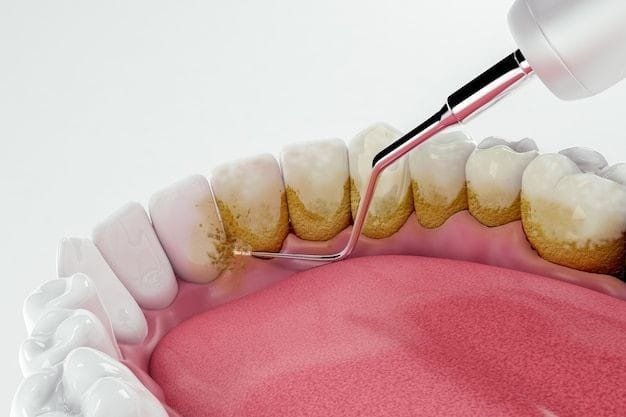
- Routine Maintenance Cleaning: This is the equivalent of a regular check-up and cleaning for natural teeth, but performed with specialized implant-safe tools. It focuses on removing plaque and calculus above and just below the gum line.
- Therapeutic Cleaning/Peri-Implantitis Treatment: If early signs of peri-implantitis are detected, the cleaning becomes more extensive. This might involve:
- Debridement: A deeper cleaning to remove calculus and bacteria from the implant surface and surrounding bone.
- Antimicrobial Irrigation: Using special rinses to reduce bacterial load.
- Local Antibiotics: Placing antibiotic gels or chips directly into the gum pockets around the implant.
- Laser Therapy: In some advanced cases, lasers might be used to decontaminate the implant surface.
These therapeutic treatments are more time-consuming and require more specialized equipment and expertise, leading to higher costs.
5. Additional Services Included 📸
A professional implant cleaning appointment often includes more than just the physical cleaning itself. These additional services can contribute to the overall fee:
- Dental Exam: A thorough check of your overall oral health, including your natural teeth, gums, and bite.
- X-rays: Regular X-rays (often annually) are crucial to monitor the bone level around your implants and detect any changes that might indicate a problem.
- Oral Cancer Screening: A routine check for any suspicious lesions in your mouth.
- Oral Hygiene Instruction: Personalized advice on how to best care for your implants at home.
6. Dental Insurance Coverage 📜
This is a complex area. While many dental insurance plans cover routine cleanings for natural teeth, their coverage for dental implant maintenance can vary greatly.
- Some plans may cover it under a “preventative” category, similar to regular cleanings.
- Others might categorize it as a “major restorative” procedure or have specific limitations on implant-related maintenance.
- You might find that the cleaning is covered, but the X-rays or specialized tools are not, or only partially.
I will delve deeper into insurance coverage later in this article.
7. Technology Used ⚙️
Modern dental practices utilize various technologies that can impact the cost.
- Specialized Implant Scalers: Plastic, titanium, or carbon fiber instruments are used to prevent scratching the implant surface.
- Air-Polishing Systems: Devices that use a fine powder (like glycine) and water spray to gently and effectively remove biofilm from implant surfaces.
- Diagnostic Tools: Advanced imaging or diagnostic tools used to assess implant health.
Average Cost Ranges for Dental Implant Cleaning (2025)
Given the many variables, providing an exact national average for dental implant cleaning costs in 2025 is challenging. However, I can give you a general range based on common practice fees across the United States. Please remember these are estimates, and your actual cost may vary.
Routine Dental Implant Cleaning (Per Implant)
For a standard, preventative cleaning of a single dental implant in a healthy mouth, you can expect to pay:
- Average Range: $75 – $150 per implant 💲
- What’s typically included: Examination of the implant site, gentle removal of plaque and soft deposits using specialized tools, and polishing. This usually assumes healthy gum tissue and no significant issues.
Advanced or Therapeutic Cleaning (Per Implant or Per Visit)
If there are signs of inflammation, early peri-implantitis, or significant calculus buildup around one or more implants, the cost will be higher due to the increased complexity and time required.
- Average Range: $150 – $300+ per implant
- What’s typically included: More extensive debridement, potentially using ultrasonic scalers with implant-safe tips, antimicrobial rinses, and possibly local antibiotic application. This might be billed as a “periodontal maintenance” visit rather than a routine prophylaxis.
- For multiple implants or full-arch restorations (e.g., All-on-4): The cost for cleaning a full arch restoration could range from $300 to $600+ per visit, as it involves cleaning multiple implant sites and a larger prosthetic surface.
Additional Costs to Consider 📊
Remember that the cleaning fee itself might be part of a larger bill. Here are some common additions:
| Service | Estimated Cost Range (2025) | Notes |
|---|---|---|
| Dental Exam (Periodic) | $50 – $100 | Often included with cleaning, but sometimes billed separately. |
| X-ray (Periapical) | $25 – $50 | To check bone level around a single implant. |
| X-ray (Panoramic/FMX) | $100 – $200 | Comprehensive view, often done annually or biennially. |
| Antimicrobial Irrigation | $20 – $50 per site | Used to flush out bacteria. |
| Local Antibiotic Placement | $50 – $100 per site | If infection is present, a medicated gel or chip may be placed in the gum pocket. |
| Consultation with Specialist | $75 – $200 | If you are referred to a periodontist or oral surgeon for a more complex assessment or treatment. |
Please note: These are general estimates for 2025 and can vary widely based on location and practice. Always ask for a detailed breakdown of costs from your dental provider.
What Does a Professional Implant Cleaning Involve?
Let me walk you through what you can expect during a typical professional dental implant cleaning appointment. It’s a precise and gentle process, specifically tailored to protect your valuable implants.
1. Initial Examination and Assessment 🧐
The appointment usually begins with a thorough examination by your dental hygienist or dentist.
- Visual Inspection: They will visually check the implant site(s), surrounding gums, and the implant crown/prosthesis for any signs of inflammation, redness, swelling, or recession.
- Probing: A special, blunt, plastic probe (not a metal one that could scratch the implant) is used to gently measure the gum pockets around the implant. This helps detect any deepening pockets, which can indicate inflammation or bone loss.
- X-rays: If due, current X-rays will be reviewed or taken to assess the bone level around your implant and check for any underlying issues.
2. Gentle Plaque and Tartar Removal (Scaling) 🪥
This is the core of the cleaning. Unlike natural teeth, metal scalers are generally avoided directly on the implant surface or abutment to prevent scratching, which can create microscopic grooves where bacteria can adhere more easily.
- Specialized Tools: Your hygienist will use specialized instruments made of plastic, titanium, or carbon fiber. These are designed to be gentle on the implant surface while effectively removing plaque and soft calculus (tartar).
- Ultrasonic Scalers (with caution): Some practices use ultrasonic scalers with specific, implant-safe tips that are made of plastic or are designed to vibrate at a frequency that is safe for implants.
- Air Polishing: Many modern practices use air-polishing systems with fine powders like glycine. This is a highly effective and gentle method for removing biofilm and stains from implant surfaces and restorations without causing damage.
3. Irrigation and Decontamination 💧
After scaling, the implant sites may be irrigated with an antimicrobial rinse, such as chlorhexidine gluconate. This helps to further reduce the bacterial load, especially in any deeper pockets.
4. Polishing ✨
The implant crown and any accessible implant surfaces are gently polished to create a smooth surface that is less hospitable to plaque buildup. Again, specialized pastes and polishing cups are used to ensure no damage to the implant material.
5. Oral Hygiene Education 📝
A crucial part of your appointment is receiving personalized instructions on how to maintain excellent oral hygiene at home. Your hygienist will often demonstrate proper techniques for:
- Brushing around implants with a soft-bristled toothbrush or an electric toothbrush with a soft head.
- Using specialized floss (e.g., implant floss, superfloss) or interdental brushes.
- The benefits of a water flosser (oral irrigator) for reaching areas around implants that brushing and flossing might miss.
“A professional implant cleaning isn’t just about scrubbing away plaque; it’s a comprehensive health check for your implant, designed to protect your investment and ensure its long-term success.”
Home Care vs. Professional Care: A Dynamic Duo 🤝
It’s tempting to think that if you’re paying for professional cleanings, you can slack off on home care. This couldn’t be further from the truth! Excellent home care and regular professional cleanings are two sides of the same coin – both absolutely essential for implant longevity.
Your Role: Diligent Home Care
Your daily routine is the first line of defense against plaque and bacteria.
- Brush Gently and Thoroughly: Use a soft-bristled toothbrush or an electric toothbrush with a soft head. Pay special attention to the area where the implant crown meets the gum line, angling the bristles gently into the sulcus (gum pocket). Brush at least twice a day.
- Floss Daily: Traditional floss can be tricky with implants, especially if they are splinted together. Your hygienist can recommend specialized implant floss, superfloss, or interdental brushes that are designed to clean around implants effectively.
- Consider a Water Flosser: An oral irrigator (water flosser) is an excellent tool for implant owners. It can effectively flush out food debris and bacteria from around the implant and under the gum line, reaching areas that traditional brushing and flossing might miss.
- Use an Antimicrobial Mouthwash: Your dentist or hygienist might recommend a specific antimicrobial mouthwash to help control bacteria.
- Avoid Abrasive Products: Be cautious with highly abrasive toothpastes or stiff brushes, as these can scratch the implant crown or irritate the surrounding gums.
The Dentist’s Role: Indispensable Professional Care
Even with the most meticulous home care, professional cleanings are indispensable because:
- Removing Hardened Tartar: Once plaque hardens into calculus (tartar), it cannot be removed by brushing or flossing alone. Only professional instruments can safely remove it.
- Accessing Difficult Areas: Implants often have complex geometries or are located in hard-to-reach areas. Dental professionals have the training, tools, and lighting to thoroughly clean these spots.
- Early Detection: As mentioned, your dental team can spot subtle signs of trouble that you might not notice, allowing for early intervention.
- Specialized Knowledge: They understand the unique biology of implants and the specific protocols required for their care.
Insurance Coverage for Implant Cleaning 📜
Navigating dental insurance for implant maintenance can be confusing. Here’s what you need to know about dental implant cleaning cost and insurance in 2025:
- Varies by Plan: There is no universal answer. Coverage for implant cleaning depends entirely on your specific dental insurance plan.
- CPT Codes are Key: Dental procedures are identified by Current Procedural Terminology (CPT) codes. For implant maintenance, common codes might include:
- D1110: Prophylaxis (for natural teeth, sometimes applied to implants if deemed routine)
- D4910: Periodontal Maintenance (often used for patients with a history of gum disease or implants, and generally covers a more thorough cleaning than D1110)
- Specific Implant Maintenance Codes: Some insurance companies are starting to recognize specific codes for implant maintenance, but this is not universal.
- Ask Your Provider: The best course of action is always to contact your dental insurance provider directly. Ask them:
- “Does my plan cover professional cleaning for dental implants?”
- “What CPT codes are covered for implant maintenance (e.g., D1110, D4910, or specific implant codes)?”
- “What percentage is covered, and is there a waiting period or annual maximum?”
- “Are X-rays or other diagnostic services for implants covered?”
- Pre-Authorization: For more extensive treatments or if you’re unsure, your dental office can submit a pre-authorization to your insurance company. This will give you a clear estimate of what your insurance will cover before treatment begins.
- Medical vs. Dental Insurance: In some rare cases, particularly if an implant issue is linked to a medical condition, some procedures might be covered by your medical insurance, but this is highly unusual for routine cleaning.
Be prepared that many standard dental plans might cover only a portion, or sometimes none, of the implant cleaning costs, especially if they categorize it differently from natural tooth cleanings.
Tips for Managing Dental Implant Cleaning Costs
While professional cleaning is a necessity, there are ways to manage the dental implant cleaning cost effectively in 2025.
- Prioritize Preventative Care: This is number one! Excellent home care and regular (typically every 3-6 months, as recommended by your dentist) professional cleanings are the most cost-effective strategy. Preventing peri-implantitis will save you thousands of dollars in potential advanced treatments or implant replacement. 💡
- Understand Your Insurance: As discussed, thoroughly research your dental insurance plan. Know your benefits, limitations, and annual maximums. If you have an HSA or FSA, these are excellent ways to save pre-tax money for dental expenses.
- Ask for a Treatment Plan and Cost Estimate: Before any procedure, always ask your dental office for a detailed treatment plan that includes all anticipated costs. This allows you to budget and understand what you’re paying for.
- Inquire About Payment Plans: Many dental offices offer in-house payment plans or work with third-party financing companies (like CareCredit) that allow you to pay for services over time, often interest-free for a certain period.
- Consider Dental Membership Plans: Some dental practices offer their own in-house membership plans for patients without insurance. These often include a certain number of cleanings, exams, and X-rays per year for a fixed annual fee, along with discounts on other procedures. This can be a great alternative if your insurance coverage is poor.
- Shop Around (Carefully): While cost is a factor, never compromise on quality. A cheaper cleaning might mean less experienced staff or inadequate tools, potentially harming your implant. However, it’s reasonable to compare fees between a few reputable practices in your area.
- Don’t Delay Treatment: If your dentist identifies an issue, address it promptly. Waiting can turn a minor, inexpensive problem into a major, costly one. ⚠️
The Long-Term Value of Investing in Proper Implant Care
When you look at the “dental implant cleaning cost,” it’s easy to focus solely on the immediate expense. However, I urge you to consider it an investment in the long-term success of your dental implants and your overall health.
Dental implants are designed to last for decades, often a lifetime, with proper care. Neglecting regular cleanings and maintenance can lead to:
- Peri-implantitis: Which, if severe, can require complex surgical interventions or even implant removal and replacement. The cost of treating severe peri-implantitis or replacing an implant far outweighs the cost of routine cleanings.
- Damage to the Implant Prosthesis: Poor hygiene can contribute to issues with the crown, bridge, or denture attached to the implant, requiring repairs or replacement.
- Impact on Overall Health: Oral health is intrinsically linked to general health. Untreated infections around implants can contribute to systemic health issues.
By committing to regular professional cleanings and diligent home care, you are actively choosing to protect your investment, maintain your oral health, and ensure your beautiful, functional smile lasts for as long as possible. It’s a small, consistent cost that prevents potentially massive future expenses and discomfort. Your future self (and your wallet!) will thank you. 😊
Conclusion
I hope this comprehensive guide has shed light on the complexities of dental implant cleaning costs in 2025. While the figures can vary, the message remains clear: professional dental implant cleaning is not an option; it’s a necessity. It’s a vital component of protecting your investment, preventing complications like peri-implantitis, and ensuring the long-term health and stability of your beautiful, functional smile.
Remember to prioritize both diligent home care and regular visits to your dental professional. Don’t hesitate to openly discuss costs, insurance coverage, and payment options with your dental team. They are your partners in maintaining your oral health and will work with you to find solutions. Investing in the proper care of your dental implants is an investment in your health, confidence, and quality of life for years to come.
SEO Optimized Meta Title and Meta Description
Meta Title: Dental Implant Cleaning Cost 2025: Your Guide
Meta Description: Discover dental implant cleaning cost in 2025. Learn factors influencing price, average ranges, and tips to manage expenses for your implant care.