Imagine being able to eat your favorite foods without worry, speak clearly, and laugh freely, all with a stable, confident smile. For many who wear traditional dentures, this can feel like a distant dream. While conventional dentures offer a solution for missing teeth, they often come with drawbacks like slipping, discomfort, and difficulty chewing. That’s where dental implants for dentures come in – a revolutionary approach that blends the stability of implants with the convenience of dentures.
If you’re considering this life-changing option, one of the first questions on your mind is undoubtedly, “What’s the average cost of dental implants for dentures?” I understand that investing in your smile is a significant decision, and understanding the financial aspect is crucial. As your guide, I’m here to demystify the costs involved in 2025, breaking down the factors that influence the price, what you can expect, and how to make this transformative treatment a reality. Let’s dive in and explore how you can achieve a more secure, comfortable, and beautiful smile.
Dental Implants for Dentures in 2025-
Key Takeaways
- No Single “Average” Cost: The price of dental implants for dentures varies widely based on factors like the number of implants, type of denture (removable vs. fixed), geographic location, and additional procedures needed.
- Investment in Quality of Life: While the upfront cost can be significant, implant-supported dentures offer superior stability, chewing ability, comfort, and bone preservation compared to traditional dentures, making them a worthwhile long-term investment.
- Understanding the Components: The total cost includes consultation, X-rays, implant surgery, abutments, denture fabrication, anesthesia, and follow-up care. Additional procedures like bone grafts or extractions will add to the overall expense.
- Cost Ranges for Different Solutions: Expect costs to range from $6,000 to $20,000 per arch for removable implant-supported dentures (2-4 implants) and $15,000 to $30,000+ per arch for fixed solutions like All-on-4 or All-on-6.
- Financing Options Available: Don’t let the initial price deter you. Many dental practices offer payment plans, and options like dental insurance (though often limited), third-party financing (CareCredit), and HSAs/FSAs can help manage the cost.
What Exactly Are Dental Implants for Dentures?
Before we talk numbers, let’s clarify what we’re discussing. When I refer to “dental implants for dentures,” I’m talking about a treatment that combines the best aspects of both technologies. Instead of relying solely on suction or adhesives, your denture is securely anchored to a few strategically placed dental implants in your jawbone. These implants act like artificial tooth roots, providing a strong foundation for your denture.
This innovative solution is often called an “implant-supported denture” or “overdenture.” It’s a game-changer for people who struggle with loose, uncomfortable, or ill-fitting traditional dentures.
Why Choose Implant-Supported Dentures Over Traditional Ones? 🤔
The benefits are truly remarkable, and they often outweigh the initial cost for many of my patients.
- Enhanced Stability: No more slipping, sliding, or embarrassing moments! Your denture stays firmly in place.
- Improved Chewing Power: You can eat a wider variety of foods, enjoying apples, corn on the cob, and steaks again. 🍎🥩
- Increased Comfort: With implants, there’s less irritation to your gums, as the denture isn’t constantly rubbing.
- Better Speech: Clearer articulation without the worry of your denture moving.
- Preservation of Jawbone: Implants stimulate the jawbone, preventing the bone loss that typically occurs after tooth extraction. This helps maintain your facial structure and prevents that “sunken” look often associated with long-term denture wear.
- Boosted Confidence: A stable smile means you can laugh, talk, and socialize without self-consciousness. 😁
Types of Implant-Supported Dentures
There are generally two main types of implant-supported dentures, and their differences significantly impact the “average cost of dental implants for dentures”:
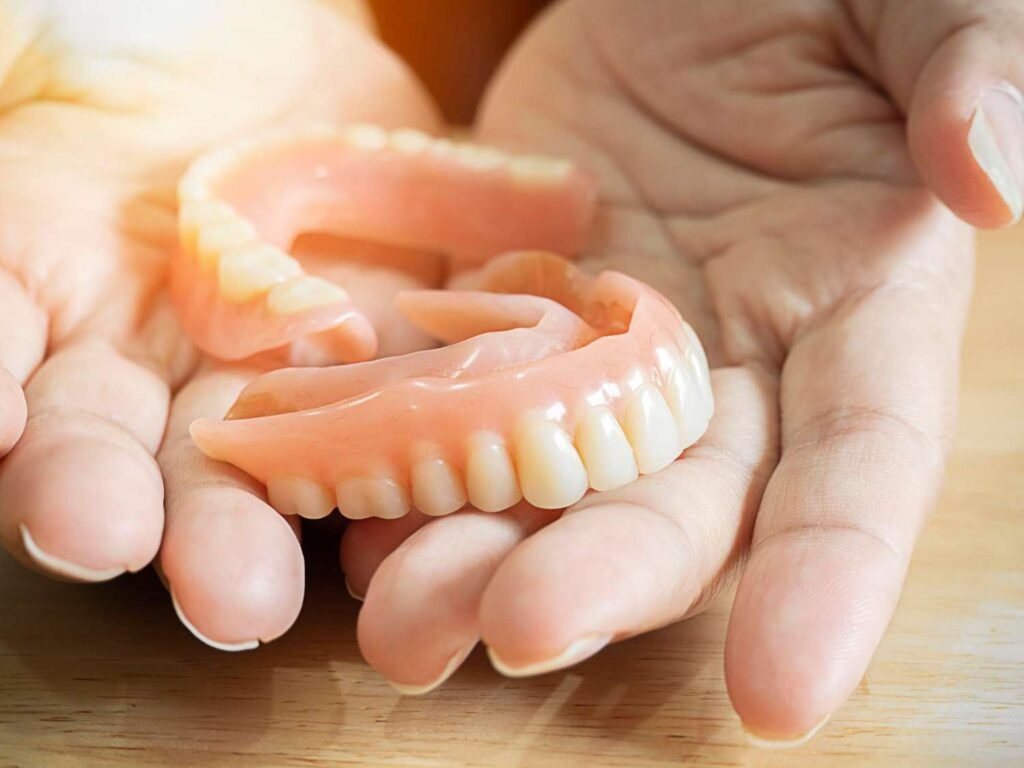
- Removable (Snap-In) Implant-Supported Dentures: These dentures “snap” onto a few implants (typically 2 to 4 per arch) using special attachments (like O-rings or locators). You can remove them for cleaning, much like traditional dentures, but they offer vastly superior stability. This is often the more affordable option.
- Fixed (Permanent) Implant-Supported Dentures: Also known as “All-on-4,” “All-on-6,” or “All-on-X,” these dentures are permanently screwed onto 4, 6, or even 8 implants per arch. Only your dentist can remove them. They feel and function much like natural teeth, offering the highest level of comfort and chewing ability. This option represents a greater investment.
“Choosing between removable and fixed implant-supported dentures is a crucial decision that impacts both functionality and cost. It’s about finding the right balance for your lifestyle and budget.”
The “Average Cost” Explained: Why There’s No Single Number
When you search for the “average cost of dental implants for dentures,” you’ll quickly discover that there isn’t one simple answer. It’s not like buying a loaf of bread! The cost is highly individualized, depending on a multitude of factors unique to your specific situation and the treatment plan developed by your dental professional.
I’ve seen costs vary dramatically, from a few thousand dollars to tens of thousands. Understanding these influencing factors is key to getting a realistic estimate for your treatment in 2025.
Key Factors Influencing the Cost
- Number of Implants Needed: This is perhaps the biggest cost driver.
- 2 implants per arch: Often used for lower removable dentures.
- 4 implants per arch: Common for both upper and lower removable dentures, and the foundation for “All-on-4” fixed dentures.
- 6-8 implants per arch: Typically used for upper fixed dentures (“All-on-6” or “All-on-8”) where bone density might be less, or for maximum stability.
- Rule of thumb: More implants generally mean higher costs.
- Type of Denture (Removable vs. Fixed):
- Removable (Snap-In): Generally less expensive because they require fewer implants and the denture itself might be simpler to fabricate.
- Fixed (Permanent): More costly due to the increased number of implants, the complexity of the denture structure (often made from more durable materials like zirconia or high-quality acrylic with a titanium frame), and the intricate surgical and restorative process.
- Materials Used:
- Implants: Most are titanium, but some are zirconia. While titanium is standard, material choices can affect cost.
- Denture: Materials range from high-impact acrylic to zirconia or porcelain. Zirconia and porcelain are more aesthetic and durable but come at a higher price.
- Geographic Location: Just like real estate, dental costs vary by region. Major metropolitan areas or areas with a higher cost of living tend to have higher dental fees than rural areas. This is a significant factor in 2025, as economic conditions vary across different states and cities.
- Dentist’s Experience and Specialization: Highly experienced oral surgeons, periodontists, or prosthodontists who specialize in implant dentistry may charge more for their expertise. Their advanced training, state-of-the-art equipment, and higher success rates often justify the increased fee.
- Additional Procedures Required: This is a critical, often overlooked, cost factor. Many patients need preparatory work before implants can be placed.
- Tooth Extractions: If you have remaining unhealthy teeth that need to be removed.
- Bone Grafting: If your jawbone has deteriorated (due to long-term tooth loss or periodontal disease), you might need a bone graft to build up enough bone to support the implants. This can add thousands of dollars and several months to the treatment timeline.
- Sinus Lift: For upper jaw implants, if your sinus cavity is too close to the jawbone, a sinus lift procedure might be necessary.
- Gum Disease Treatment: Active gum disease must be treated before implant placement.
- Technology Used: Practices investing in advanced technology like 3D imaging (CBCT scans), computer-guided implant surgery, and in-house milling labs might have higher overheads, which can be reflected in the treatment cost. However, this technology often leads to more precise, safer, and faster procedures.
Cost Breakdown: What’s Included in the Price?
When I provide a cost estimate for implant-supported dentures, it’s not just a single number pulled from thin air. It encompasses several distinct components that contribute to the overall treatment. Understanding these elements can help you evaluate quotes and ask informed questions.
Here’s a typical breakdown of what’s usually included:
- Initial Consultation and Examination: This includes your first visit, a thorough oral examination, discussion of your medical history, and assessment of your dental needs.
- Diagnostic Imaging:
- X-rays: Standard dental X-rays to assess bone structure.
- CBCT Scan (3D Imaging): Crucial for detailed visualization of your jawbone, nerve pathways, and sinus cavities, allowing for precise implant planning. This scan is vital for ensuring safe and effective placement.
- Treatment Planning: The time and expertise required for your dentist to create a customized treatment plan, often involving digital simulations and surgical guides.
- Tooth Extractions (if needed): The cost of removing any remaining unhealthy teeth.
- Bone Grafting/Sinus Lift (if needed): The surgical procedure and materials for augmenting your jawbone.
- Implant Placement Surgery: This is the surgical procedure itself, where the titanium (or zirconia) posts are surgically placed into your jawbone. This cost includes the implant posts themselves.
- Abutments: These are the connectors that attach to the implants and protrude through the gum line, serving as anchors for your denture.
- Denture Fabrication: The cost of designing, manufacturing, and fitting your custom-made denture. This includes lab fees, material costs, and the dentist’s time for adjustments.
- Anesthesia/Sedation: Depending on the complexity of the surgery and your comfort level, local anesthesia, oral sedation, IV sedation, or even general anesthesia might be used.
- Temporary Dentures (if needed): While your implants heal, a temporary denture might be provided so you don’t go without teeth.
- Follow-up Appointments: Post-surgical checks, implant healing assessments, and denture adjustments are typically included.
- Medications: Prescriptions for pain relief or antibiotics post-surgery.
“A comprehensive quote should detail every component of your treatment. Don’t hesitate to ask for a line-item breakdown to understand where your money is going.”
Read Also:-Cost of All-on-4 Dental Implants in 2025.
Estimating the Cost: Different Scenarios in 2025
Now, let’s talk numbers, keeping in mind these are estimates for 2025. The actual cost will depend on all the factors I’ve just discussed, especially your geographic location and specific dental needs. These ranges are for one arch (upper or lower); if you need both, you’ll generally multiply the cost.
Scenario 1: Removable (Snap-In) Lower Denture with 2 Implants
This is often the most economical option for implant-supported dentures, especially for the lower jaw where traditional dentures tend to be the most unstable.
- Number of Implants: 2 (titanium)
- Denture Type: Removable acrylic overdenture
- Typical Cost Range (per arch): $6,000 – $12,000
- What it includes: Consultation, X-rays, 2 implants, abutments, custom removable denture, and follow-up care.
- Considerations: May still have some minor movement, but vastly improved over traditional dentures.
Scenario 2: Removable (Snap-In) Upper or Lower Denture with 4 Implants
Using four implants provides even greater stability and support for a removable denture, distributing the chewing forces more evenly. This is a popular choice for both arches.
- Number of Implants: 4 (titanium)
- Denture Type: Removable acrylic overdenture
- Typical Cost Range (per arch): $10,000 – $20,000
- What it includes: Consultation, X-rays/CBCT, 4 implants, abutments, custom removable denture, and follow-up care.
- Considerations: Offers excellent stability and chewing function.
Scenario 3: Fixed (Permanent) Denture – All-on-4® (or Similar)
The “All-on-4” concept is a popular fixed solution, typically for one full arch. It uses four strategically placed implants to support a full arch of teeth that are permanently attached.
- Number of Implants: 4 (titanium)
- Denture Type: Fixed, full-arch prosthesis (often acrylic over a titanium frame, or zirconia)
- Typical Cost Range (per arch): $15,000 – $30,000+
- What it includes: Comprehensive diagnostics, 4 implants, abutments, custom fixed prosthesis, temporary denture (if needed), all surgeries, and follow-up care.
- Considerations: Feels and functions most like natural teeth, highest level of confidence. Can be significantly higher if using premium materials like full zirconia.
Scenario 4: Fixed (Permanent) Denture – All-on-6 / All-on-8
For some patients, especially in the upper jaw where bone quality can be softer, more implants (6 or 8) might be recommended for maximum stability and longevity of a fixed denture.
- Number of Implants: 6-8 (titanium)
- Denture Type: Fixed, full-arch prosthesis (often zirconia or high-quality acrylic/titanium)
- Typical Cost Range (per arch): $20,000 – $40,000+
- What it includes: Similar to All-on-4, but with more implants and potentially more complex restoration.
- Considerations: Offers the highest level of support and durability, often recommended for upper jaw due to bone density.
Summary Table of Estimated Costs (Per Arch, 2025)
| Treatment Type | Number of Implants | Denture Type | Estimated Cost Range (per arch) | Key Benefit |
|---|---|---|---|---|
| Removable Lower | 2 | Acrylic Overdenture | $6,000 – $12,000 | Most affordable stability |
| Removable Upper/Lower | 4 | Acrylic Overdenture | $10,000 – $20,000 | Enhanced stability and chewing |
| Fixed Full Arch (e.g., All-on-4) | 4 | Fixed Prosthesis | $15,000 – $30,000+ | Feels and functions like natural teeth |
| Fixed Full Arch (e.g., All-on-6/8) | 6-8 | Fixed Prosthesis | $20,000 – $40,000+ | Maximum stability, often for upper jaw |
Note: These ranges are estimates for 2025 and can vary significantly. Always get a personalized quote.
Additional Costs to Consider
Beyond the core components of the implant and denture, there are other potential costs that you should factor into your budget. These can significantly impact the overall “average cost of dental implants for dentures.”
1. Pre-Procedures
As mentioned earlier, many patients require preparatory work.
- Tooth Extractions: If you need multiple teeth removed, this will add to the cost. A single extraction might be a few hundred dollars, but multiple extractions can quickly add up.
- Bone Grafting: This procedure can range from $400 to $3,000 or more per site, depending on the type of graft material and complexity.
- Sinus Lift: A sinus lift can cost anywhere from $1,500 to $3,000 per sinus depending on the technique (internal vs. external) and materials.
- Gum Disease Treatment: If you have active periodontal disease, it must be treated first, which can involve deep cleanings (scaling and root planing) or even gum surgery, adding to your expenses.
2. Temporary Dentures
While your implants heal (a process that can take 3-6 months), you’ll need something to wear. A temporary denture can cost from $500 to $2,000, depending on whether it’s a modification of your existing denture or a new one.
3. Anesthesia and Sedation
While local anesthesia is usually included, if you opt for or require more advanced sedation (like IV sedation or general anesthesia for complex cases), this will be an additional charge, often ranging from $300 to $1,000+ per hour.
4. Maintenance and Repairs
Like any dental restoration, implant-supported dentures require ongoing care.
- Regular Check-ups and Cleanings: Essential for the health of your implants and gums.
- Denture Relining/Rebasing: Over time, your gums and bone can change slightly, requiring adjustments to your removable denture for optimal fit. This might be needed every few years and can cost a few hundred dollars.
- Attachment Replacement: The O-rings or locators in removable dentures wear out and need replacement, usually annually, costing around $50-$100 per attachment.
- Repairs: While durable, accidents happen. A cracked or broken denture will need repair, the cost of which varies depending on the damage.
Financing and Payment Options
I know that looking at these numbers can feel overwhelming. However, I want to assure you that many patients successfully manage the “average cost of dental implants for dentures” through various payment and financing options. Don’t let the initial sticker shock deter you from exploring this life-changing treatment.
Here are some common ways to make implant-supported dentures more affordable:
1. Dental Insurance
This is often the first place people look, but it’s important to have realistic expectations.
- Coverage Limitations: Most dental insurance plans consider implants a “major procedure” and may only cover a small percentage (e.g., 10-50%) of the surgical portion of the implant, not necessarily the entire cost of the denture or associated procedures. Some plans may not cover implants at all.
- Annual Maximums: Dental insurance typically has an annual maximum benefit (e.g., $1,000 – $2,000), which can quickly be exhausted by implant treatment.
- Medical Insurance: In some rare cases, if tooth loss is due to a medical condition or accident, portions of the treatment might be covered by your medical insurance. It’s always worth checking with your provider.
- Action: Always contact your insurance provider directly and ask your dental office to help you understand your specific benefits.
2. Payment Plans and In-House Financing
Many dental practices understand the financial commitment involved and offer flexible payment plans.
- Installment Plans: You might be able to pay for your treatment in monthly installments, often interest-free for a certain period, or with low-interest rates.
- Action: Discuss this directly with your dental office’s financial coordinator.
3. Third-Party Financing Companies
Companies like CareCredit, LendingClub, or Alphaeon Credit specialize in healthcare financing.
- How it Works: They offer credit lines specifically for medical and dental expenses, often with promotional periods of 0% interest if the balance is paid within a certain timeframe (e.g., 6, 12, or 18 months).
- Benefits: Can make large treatment costs manageable with affordable monthly payments.
- Action: Apply directly through their websites or ask your dental office for information.
4. Health Savings Accounts (HSAs) and Flexible Spending Accounts (FSAs)
If you have an HSA or FSA through your employer, these are excellent ways to pay for dental implant treatment.
- Tax Advantages: Contributions are tax-deductible, and withdrawals for qualified medical expenses (including dental implants) are tax-free.
- Action: Check your plan details to see how much you can contribute and how to use these funds.
5. Dental Schools
Dental schools often offer treatment at a reduced cost compared to private practices.
- How it Works: Procedures are performed by supervised dental students or residents.
- Benefits: Significant cost savings.
- Drawbacks: Treatment might take longer due to the teaching environment.
- Action: Research dental schools in your area.
6. Dental Tourism
For significant savings, some individuals consider traveling to other countries where dental work is less expensive.
- Benefits: Potentially much lower costs.
- Drawbacks: Requires travel, potential language barriers, difficulty with follow-up care, and varying standards of care.
- Action: Research thoroughly and understand all risks involved before considering this option.
“Don’t let the price tag of implant-supported dentures discourage you. Most dental offices are committed to helping you find a financial solution that works for your budget.”
Is the Investment Worth It? The Long-Term Value
When evaluating the “average cost of dental implants for dentures,” it’s crucial to look beyond the immediate expense and consider the long-term value and return on your investment. In my professional opinion, for most patients, the answer is a resounding YES! ✅
Here’s why implant-supported dentures are often considered a worthwhile investment in your health and quality of life:
- Unmatched Stability and Comfort: This is perhaps the biggest benefit. No more worrying about your dentures slipping, clicking, or causing sore spots. You’ll experience a level of comfort and security that traditional dentures simply cannot provide. This translates to less stress and more enjoyment in your daily life.
- Superior Chewing Efficiency: With stable implants, your chewing power significantly increases. This means you can confidently eat a wider variety of healthy, fibrous foods that were once off-limits. Proper nutrition is vital for overall health, and implant-supported dentures help you achieve it.
- Preservation of Jawbone: This is a huge, often underestimated, benefit. When teeth are lost, the jawbone naturally begins to resorb (shrink) over time. Traditional dentures do nothing to stop this; in fact, they can accelerate it. Dental implants, however, stimulate the jawbone, helping to preserve its volume and density. This prevents the “sunken” facial appearance associated with long-term tooth loss and denture wear, maintaining your facial aesthetics for years to come.
- Enhanced Speech and Confidence: Loose dentures can lead to slurred speech or whistling sounds. With implant-supported dentures, your speech will be clearer and more natural. This boost in confidence allows you to speak, laugh, and socialize without self-consciousness, positively impacting your personal and professional life.
- Durability and Longevity: Dental implants are designed to last for decades, often a lifetime, with proper care. While the denture itself may need occasional relining or replacement (typically every 5-15 years, depending on materials and care), the implant foundation remains. This makes them a more durable and often more cost-effective solution in the long run compared to continually replacing or adjusting traditional dentures.
- Improved Quality of Life: Ultimately, this treatment is about more than just teeth; it’s about reclaiming your quality of life. The ability to eat what you want, speak clearly, smile confidently, and not worry about your dentures can dramatically improve your overall well-being and happiness.
“Think of dental implants for dentures not as an expense, but as an investment in your health, happiness, and confidence for years to come.”
Choosing the Right Dentist for Your Implant-Supported Dentures
Given the significant investment and the surgical nature of the treatment, selecting the right dental professional is paramount. This isn’t a decision to take lightly. I always advise my patients to do their homework.
Here’s what I recommend looking for:
- Experience and Credentials: Seek out dentists, oral surgeons, periodontists, or prosthodontists with extensive experience in implant dentistry. Ask about their training, certifications, and how many implant cases they’ve successfully completed.
- Advanced Technology: A practice that utilizes 3D imaging (CBCT scans) and computer-guided surgery demonstrates a commitment to precision and safety. This technology allows for more accurate implant placement and better outcomes.
- Patient Reviews and Testimonials: Look at online reviews and ask for patient testimonials. What do others say about their experience, the results, and the overall care provided?
- Before & After Photos: Ask to see examples of their work. This can give you a good idea of their aesthetic and functional results.
- Comprehensive Consultation: A good dentist will offer a thorough initial consultation, involving a detailed examination, diagnostics, and a clear explanation of your treatment options, risks, and expected outcomes. They should take the time to answer all your questions.
- Transparent Pricing: The office should provide a clear, itemized treatment plan with a transparent breakdown of all costs involved. No hidden fees!
- Team Approach: Often, implant treatment involves a team (e.g., an oral surgeon for placement and a general dentist or prosthodontist for restoration). Ensure they have a collaborative approach.
What to Ask During Your Consultation
When you go for your consultation to discuss the average cost of dental implants for dentures, come prepared with a list of questions. This will help you gather all the necessary information and feel confident in your decision.
Here are some questions I recommend asking:
- What are my treatment options for implant-supported dentures (removable vs. fixed)?
- How many implants do you recommend for my case, and why?
- What is the total estimated cost for my specific treatment plan, including all procedures, materials, and follow-up care? Can I get an itemized breakdown?
- Are there any additional procedures (like extractions, bone grafts, or sinus lifts) I might need, and what are their estimated costs?
- What materials will be used for my implants and denture?
- What is the timeline for the entire treatment process?
- What kind of anesthesia or sedation options are available?
- What are your payment plan options or financing solutions? Do you work with third-party lenders like CareCredit?
- What are the potential risks and complications associated with this procedure?
- What is your experience with implant-supported dentures, and can I see before-and-after photos of similar cases?
- What kind of warranty or guarantee do you offer on the implants and denture?
- What are the long-term maintenance requirements, and what are those costs?
Conclusion
Navigating the “average cost of dental implants for dentures” can seem complex, but I hope this comprehensive guide has shed some light on what to expect in 2025. While the investment is significant, the benefits of improved stability, enhanced chewing ability, preservation of your jawbone, and a tremendous boost in confidence are truly priceless.
Remember, there’s no single average cost because every patient’s needs are unique. The price will depend on the number of implants, the type of denture, any necessary preparatory procedures, and your geographic location. However, with various financing options available, this life-changing treatment is more accessible than you might think.
I encourage you to take the first step: schedule a thorough consultation with a qualified dental professional. They can assess your individual situation, provide a precise treatment plan, and give you an accurate, itemized cost estimate. Investing in implant-supported dentures is investing in your health, comfort, and a brighter, more confident smile for years to come. You deserve to eat, speak, and laugh without worry – and with modern dentistry, that dream is well within reach.