
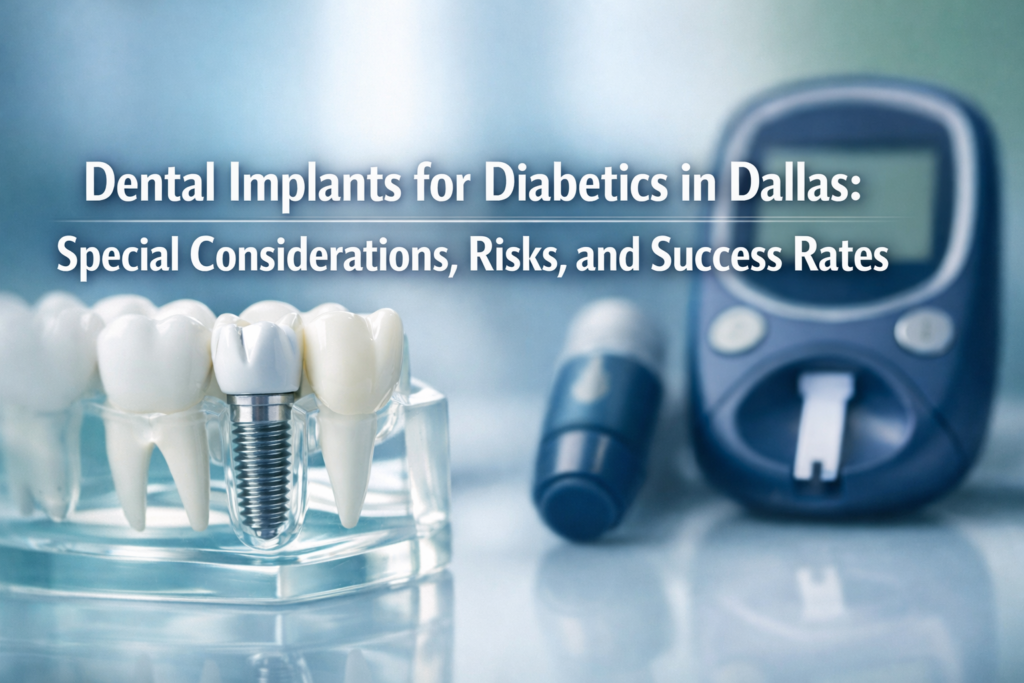
For many individuals living with diabetes, the prospect of undergoing dental procedures, especially those involving surgery like dental implants, can raise important questions and concerns. If you are a diabetic patient in Dallas considering dental implants, it’s crucial to understand the unique factors involved. This article will delve into Dental Implants for Diabetics in Dallas: Special Considerations, Risks, and Success Rates, providing essential information to help you make an informed decision about this effective tooth replacement option.
Diabetes, a chronic condition affecting how your body processes blood sugar, can influence various bodily functions, including wound healing and infection response. However, advancements in dental care and a clearer understanding of diabetes management mean that dental implants are a viable and often highly successful option for many diabetic patients. The key lies in careful planning, meticulous execution, and consistent post-operative care.
Key Takeaways
- Diabetes management is paramount: Well-controlled blood sugar (A1C below 7%) significantly improves the success rate of dental implant procedures for diabetic patients.
- Thorough pre-operative assessment: A comprehensive evaluation by your dental implant specialist in Dallas, in coordination with your physician, is essential to assess your overall health and diabetes status.
- Increased risks, but manageable: Diabetic patients face a slightly higher risk of infection and delayed healing, but these can be mitigated with appropriate medical and dental protocols.
- High success rates are achievable: With proper planning, diligent oral hygiene, and consistent follow-up, success rates for dental implants in diabetics are comparable to those in non-diabetic individuals.
- Lifestyle plays a vital role: Maintaining good oral hygiene, avoiding smoking, and following dietary recommendations are critical for long-term implant success.
Special Considerations for Diabetic Patients Considering Dental Implants in Dallas
When exploring missing teeth solutions like dental implants in Dallas, diabetic patients require a tailored approach. The primary concern with diabetes is its impact on the body’s healing capabilities and immune response. Uncontrolled diabetes can lead to complications such as impaired bone metabolism, reduced blood flow, and a higher susceptibility to infections, all of which can affect the integration of a dental implant with the jawbone, a process known as osseointegration.
The Importance of Blood Sugar Control
The most critical factor for diabetic patients considering dental implants is their blood sugar control. 💡 Key Insight: Patients with well-managed diabetes (typically indicated by an HbA1c level below 7%) generally experience similar dental implant success rates to non-diabetic individuals (American Academy of Periodontology, 2023).
Conversely, poorly controlled diabetes can significantly increase the risk of implant failure. High blood glucose levels can:
- Slow down wound healing after implant surgery.
- Weaken the immune system, making the surgical site more vulnerable to infection.
- Affect bone density and the quality of bone, potentially hindering successful osseointegration.
Therefore, before any dental implant procedure in Dallas, your dental implant specialist will likely request a recent HbA1c test and collaborate with your primary care physician or endocrinologist to ensure your diabetes is optimally managed. This collaborative approach between your medical doctor and your implant dentist is a cornerstone of patient safety and successful outcomes.
Comprehensive Pre-Operative Assessment
A thorough consultation with a dentist specializing in dental implants is essential for all patients, but particularly for those with diabetes. This assessment will involve:
- Detailed Medical History Review: Discussing your diabetes history, medications, and any associated complications.
- Oral Health Examination: Evaluating the health of your gums, remaining teeth, and assessing the quality and quantity of your jawbone, often using 3D imaging like CBCT scans.
- Risk Assessment: Identifying any potential challenges and developing a personalized treatment plan.
- Communication with your Physician: Your Dallas dentist will likely communicate directly with your physician to understand your specific diabetic management plan and receive clearance for the procedure.
- Antibiotic Prophylaxis: Depending on your diabetes severity and other health factors, your dentist may prescribe antibiotics before and after surgery to minimize infection risk.
This meticulous planning ensures that the dental implant procedure is performed under the safest and most favorable conditions possible, maximizing the chances of successful integration and long-term oral health. For more details on the diagnostic process, you might explore our guide on 3D Guided Dental Implant Surgery Dallas: How Tech Cuts Costs.
 {{IMG_SLOT_1}}
Potential Risks and Complications of Dental Implants for Diabetics in Dallas
While dental implants offer an excellent solution for missing teeth, diabetic patients do face certain elevated risks compared to non-diabetic individuals. Understanding these potential complications is part of making an informed decision about your dental implant procedure.
Increased Risk of Infection
Diabetes can compromise the immune system, making diabetic patients more susceptible to infections. After dental implant surgery, the risk of developing an infection at the implant site is slightly higher. This can manifest as:
- Peri-implantitis: An inflammatory condition affecting the tissues surrounding a dental implant, leading to bone loss. Poorly controlled diabetes is a known risk factor for peri-implantitis (Chaushu et al., 2017).
- Delayed Healing: The body’s ability to repair tissues is often slower in individuals with diabetes, which can prolong recovery times and increase the window for potential complications.
To mitigate these risks, your dental implant specialist in Dallas will often implement strict infection control protocols, including pre-operative antibiotics, antiseptic mouth rinses, and meticulous surgical techniques. Maintaining excellent oral hygiene after the procedure is also crucial.
Impaired Osseointegration
Osseointegration, the process where the dental implant fuses with the jawbone, is fundamental to the long-term stability and success of the implant. Diabetes can interfere with this process:
- Bone Metabolism Alterations: Diabetes can affect bone quality and the body’s ability to generate new bone cells, potentially hindering the implant’s integration.
- Reduced Blood Supply: Diabetic microvascular complications can reduce blood flow to the surgical site, impacting nutrient delivery and waste removal, both vital for healing.
While these are valid concerns, it’s important to remember that successful osseointegration is still very much achievable with careful patient selection and management. Advanced techniques, such as bone graft procedures, may be recommended if bone quality is compromised.
Factors Increasing Risk in Diabetic Patients
| Risk Factor | Impact on Dental Implants | Management Strategies |
|---|---|---|
| Poor Blood Glucose Control | Higher infection risk, delayed healing, impaired osseointegration | Physician consultation, strict adherence to diabetes management plan |
| Smoking | Significantly increases risk of implant failure and peri-implantitis | Smoking cessation before and after surgery |
| Poor Oral Hygiene | Accumulation of bacteria, leading to infections | Diligent brushing, flossing, regular dental check-ups |
| Uncontrolled Periodontal Disease | Existing inflammation can spread, affecting implant site | Treatment of gum disease prior to implant placement |
By proactively addressing these factors, diabetic patients can significantly reduce their risk of complications and improve their overall chances of successful dental implant treatment.
 {{IMG_SLOT_2}}
Achieving High Success Rates for Dental Implants in Dallas Diabetics
Despite the special considerations and potential risks, Dental Implants for Diabetics in Dallas: Special Considerations, Risks, and Success Rates ultimately shows a positive outlook. With the right approach, diabetic patients can enjoy success rates comparable to those of non-diabetic individuals. The key factors contributing to high success rates are a combination of patient responsibility and expert dental care.
Pre-Treatment Optimization
The journey to successful dental implants for a diabetic patient begins long before the surgery. This involves:
- Strict Blood Glucose Control: This cannot be overstressed. Working closely with your physician to achieve and maintain stable blood sugar levels (HbA1c below 7%) for several months prior to surgery is crucial.
- Addressing Co-morbidities: Ensuring any other health conditions are well-managed.
- Smoking Cessation: If you smoke, quitting is one of the most impactful steps you can take to improve your implant success. Smoking significantly impairs healing and increases infection risk.
- Excellent Oral Hygiene: A healthy oral environment reduces the bacterial load, minimizing the risk of post-surgical infection. Any existing gum disease or cavities should be treated before implant placement.
Expert Surgical Techniques and Planning
Choosing an experienced dental implant specialist in Dallas is vital. An expert will:
- Utilize advanced imaging and planning software (like 3D CBCT scans) to precisely determine implant placement, avoiding critical anatomical structures and optimizing for bone quality. This relates to how 3D Guided Dental Implant Surgery Dallas can enhance precision.
- Employ minimally invasive dental implant techniques to reduce surgical trauma and promote faster healing. You can learn more about Minimally Invasive Dental Implants Dallas on our blog.
- Select appropriate implant materials and designs that promote optimal osseointegration.
- Provide detailed pre- and post-operative instructions, including antibiotic prescriptions and pain management.
Diligent Post-Operative Care and Maintenance
Once the dental implant procedure is complete, the patient’s role in maintaining long-term oral health becomes even more critical:
- Adherence to Post-Operative Instructions: Following your dentist’s instructions regarding medication, diet, and oral hygiene is paramount during the healing phase.
- Consistent Blood Glucose Monitoring: Continue to monitor and manage your blood sugar diligently.
- Meticulous Oral Hygiene: Daily brushing and flossing are essential to prevent plaque buildup and peri-implantitis. Special brushes or interdental cleaners may be recommended for cleaning around the implants.
- Regular Dental Check-ups: Routine visits to your Dallas dentist are necessary for professional cleanings and to monitor the health of your implants and surrounding tissues. These check-ups are also vital for detecting and addressing any potential issues early. For insights into general implant success, consider reviewing our article on Implant Success Rates in Dallas: Which Factors Determine if.
Success Rates
Multiple studies have shown that dental implants can be highly successful in diabetic patients, with reported success rates often exceeding 90% when diabetes is well-controlled (Fiorellini et al., 2011; Moraschini et al., 2018). This demonstrates that diabetes, while a significant consideration, is not necessarily a contraindication for receiving dental implants. With a comprehensive, patient-centered approach, dental implants can be a life-changing solution for tooth replacement options for diabetics in Dallas.
 {{IMG_SLOT_3}}
Conclusion
Dental Implants for Diabetics in Dallas: Special Considerations, Risks, and Success Rates highlight that while diabetes introduces unique challenges, it does not preclude individuals from benefiting from dental implants. The path to a successful outcome hinges on rigorous planning, meticulous diabetes management, the expertise of your dental implant specialist, and your commitment to diligent post-operative care.
If you are a diabetic patient in Dallas struggling with missing teeth, dental implants offer a durable and aesthetic solution. The key is to engage in an open and honest dialogue with your medical doctor and a qualified dental implant professional. Together, you can create a treatment plan that addresses your specific health needs, minimizes risks, and maximizes the likelihood of achieving a healthy, lasting smile. Do not let diabetes deter you from exploring this effective tooth replacement option; instead, empower yourself with knowledge and seek expert guidance.
References
- American Academy of Periodontology. (2023). Dental Implants & Periodontal Disease. Retrieved from https://www.perio.org/consumer/dental-implants.html
- Chaushu, G., Zhurakovskyy, M., & Chaushu, L. (2017). The effect of diabetes mellitus on osseointegration of dental implants: a literature review. Journal of Oral Maxillofacial Surgery and Pathology, 29(4), 311–316.
- Fiorellini, J. P., Chen, P. K., Miller, J., & Kim, D. M. (2011). The effect of diabetes mellitus on the survival of dental implants: a literature review. Clinical Oral Implants Research, 22(1), 1–7.
- Moraschini, V., de Morais, G. S., & Barboza, E. S. (2018). Implants in uncontrolled diabetic patients: a systematic review and meta-analysis. International Journal of Oral and Maxillofacial Surgery, 47(5), 650–658.