Losing a tooth can be a truly unsettling experience. It impacts not just your smile, but also your ability to chew, speak clearly, and even your self-confidence. For many, dental implants represent the gold standard for replacing missing teeth – a permanent, natural-looking solution that can truly transform your life. However, one of the biggest questions I hear from patients is, “What about the dental implant cost without insurance?” It’s a valid concern, and one that often prevents people from seeking the treatment they need.
I understand that the thought of a significant dental procedure without the safety net of insurance can be daunting. You might be wondering if it’s even possible to afford, or if you’ll have to settle for less ideal solutions. My goal with this comprehensive guide is to demystify the costs associated with dental implants in 2025, especially when you don’t have insurance. We’ll explore everything from average prices to factors that influence the final bill, and most importantly, practical strategies to make this life-changing treatment more accessible. Let’s dive in and empower you with the knowledge to make an informed decision about your oral health and your smile. 😊
Key Takeaways
- Average Cost Varies Widely: A single dental implant without insurance in 2025 can range from $3,000 to $6,000, with full mouth solutions like All-on-4 costing significantly more.
- Many Factors Influence Price: The final cost depends on the type of implant, the materials used, your geographic location, the dentist’s experience, and necessary additional procedures like bone grafts.
- Total Cost Includes Several Components: Beyond the implant itself, you’ll pay for the initial consultation, diagnostics (X-rays, CT scans), the abutment, the crown, and the surgical placement.
- Strategies to Save Money Exist: Explore options like dental schools, payment plans, discount programs, comparing quotes, and even dental tourism to reduce your out-of-pocket expenses.
- Long-Term Value is High: While the upfront cost is significant, dental implants offer a durable, long-lasting solution that preserves bone, improves quality of life, and can be more cost-effective than other options over many years.
What Exactly Are Dental Implants?
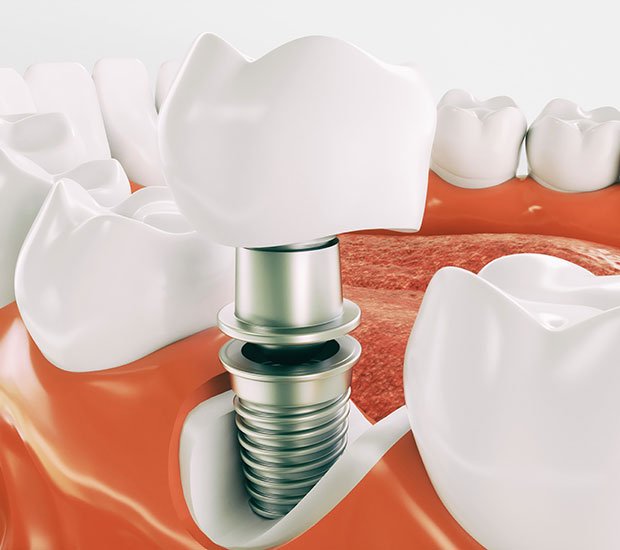
Before we talk about costs, let’s quickly clarify what a dental implant actually is. Many people think it’s just the new tooth, but it’s more comprehensive than that! A dental implant is essentially a small, screw-shaped post, usually made of titanium, that my team or I surgically place into your jawbone. This post acts like the root of a natural tooth.
Once it’s in place and has healed (a process called osseointegration, where the bone fuses with the implant), we then attach a small connector piece called an abutment. Finally, a custom-made crown (the part that looks like a tooth) is placed on top of the abutment. The result? A strong, stable, and incredibly natural-looking replacement tooth that functions just like your original one. It’s truly a marvel of modern dentistry! ✨
The Big Question: What’s the Average Cost of Dental Implants Without Insurance in 2025?
This is often the first question on everyone’s mind, and I wish I could give you one simple number. Unfortunately, the dental implant cost without insurance varies significantly. Based on current trends and what I see in the industry for 2025, here’s a general breakdown:
- Single Dental Implant: For a single tooth replacement, you can expect the total cost to range anywhere from $3,000 to $6,000 per tooth. This includes the implant post, the abutment, and the crown.
- Multiple Dental Implants (Implant-Supported Bridge): If you’re missing several teeth in a row, an implant-supported bridge might be an option. The cost here depends on the number of implants needed and the size of the bridge, but it could range from $6,000 to $20,000 or more.
- Full Arch Implants (All-on-4 or All-on-6): For people missing an entire arch of teeth (either upper or lower), solutions like “All-on-4” or “All-on-6” are popular. These involve placing 4 or 6 implants to support a full set of fixed teeth. The cost for a single arch can range from $15,000 to $30,000, and for a full mouth (both upper and lower), it could be $30,000 to $60,000 or even higher.
It’s important to remember that these are average ranges. Your specific situation might fall outside these numbers. Think of it like buying a car – there’s a base model, and then there are all the upgrades and options that increase the price. Dental implants are similar, with many factors influencing the final bill.
“The upfront cost of dental implants can seem high, but it’s crucial to consider the long-term benefits and the investment you’re making in your health and quality of life.”
Read Also:-Unveiling Dental Implant Costs in Chicago: Your 2025 Guide to a Brighter Smile
Factors That Influence Dental Implant Cost
When I provide a treatment plan to my patients, I always explain that the cost isn’t just pulled out of thin air. Several key factors play a role in determining the final dental implant cost without insurance. Understanding these can help you anticipate expenses and make informed choices.
1. Type of Implant and Number of Implants
As we discussed, replacing a single tooth is different from replacing multiple teeth or an entire arch.
- Single Implant: Generally the least expensive per unit.
- Multiple Implants: Costs increase with each additional implant and the complexity of the restoration (e.g., a bridge).
- Full Arch Solutions (All-on-4/6): While these are a significant investment, they can be more cost-effective than replacing every single tooth individually if you’re missing an entire arch.
2. Location of the Tooth Being Replaced
Believe it or not, where the implant is placed in your mouth can affect the cost.
- Front Teeth: Often require more aesthetic precision and sometimes more complex grafting procedures to ensure a perfect look, which can slightly increase the cost.
- Back Teeth: While perhaps less visible, they need to withstand significant chewing forces, requiring robust solutions.
3. Materials Used
The quality and type of materials used for the implant post and the crown can impact the price.
- Implant Post: Most are high-grade titanium, which is biocompatible and strong. Some newer options include zirconia, which is metal-free and can be more expensive.
- Crown: Crowns can be made from various materials like porcelain, ceramic, or porcelain-fused-to-metal (PFM). All-ceramic crowns are often preferred for their natural appearance but might be pricier.
4. Geographic Location of the Dental Practice
Just like real estate, dental costs can vary significantly depending on where you live.
- Major Metropolitan Areas: Cities with a higher cost of living (e.g., New York, Los Angeles) typically have higher dental fees than smaller towns or rural areas.
- Regional Differences: Even within a state, prices can fluctuate.
5. Dentist’s Experience and Specialization
Highly experienced dentists or specialists (like oral surgeons, periodontists, or prosthodontists) who regularly perform implant procedures might charge more for their expertise. Their advanced training, specialized equipment, and higher success rates often justify the increased fee. When it comes to something as important as a dental implant, I always advise prioritizing skill and experience.
6. Pre-Procedures and Additional Treatments
This is where many patients are surprised by extra costs. Few implant procedures are straightforward. Many require preparatory work:
- Tooth Extraction: If the damaged tooth is still present, it needs to be removed first. Costs typically range from $75 to $600 per tooth, depending on complexity.
- Bone Grafting: This is very common. If your jawbone isn’t thick enough or has receded (which often happens after tooth loss), a bone graft is needed to create a strong foundation for the implant. This can add $200 to $3,000 or more per site.
- Sinus Lift: If implants are needed in the upper jaw and your sinuses are too close to the jawbone, a sinus lift might be required to create space for the implant. This is a more complex type of bone graft and can cost $1,500 to $3,000 per side.
- Gum Disease Treatment: Active gum disease must be treated before implant placement to ensure success.
- Diagnostic Imaging: X-rays and 3D CT scans are essential for precise planning. These can cost $50 to $600.
- Sedation: If you choose or need sedation during the procedure, this will be an additional cost, ranging from $100 to $1,000+ depending on the type and duration.
7. Laboratory Fees
The custom crown that goes on top of your implant is fabricated in a dental lab. These labs charge fees based on the materials and complexity of the restoration, which are factored into your total cost.
As you can see, the “total cost” is a sum of many parts. It’s why I always recommend a thorough consultation to get a precise, itemized estimate. 📋
Breaking Down the Costs: What You’re Paying For (Component by Component)
To give you an even clearer picture of the dental implant cost without insurance, let’s look at the individual components that make up the total price. When you receive a quote from a dentist, it should ideally break down these elements.
1. Initial Consultation and Diagnostics 🕵️♀️
- What it is: Your first visit to discuss your needs, assess your oral health, and determine if you’re a good candidate for implants.
- What it includes:
- Oral examination.
- Standard X-rays (often panoramic).
- Sometimes, a 3D Cone Beam CT (CBCT) scan for detailed imaging of your jawbone, nerves, and sinuses.
- Treatment planning and discussion of options.
- Typical Cost: This can range from $50 to $600, depending on the extent of imaging required. Some offices might offer a free initial consultation, but detailed diagnostics will still have a fee.
2. The Implant Post Itself (The “Root”) 🔩
- What it is: The titanium (or zirconia) screw that is surgically placed into your jawbone. This is the foundation of your new tooth.
- What it includes: The cost of the implant material itself, which is a high-quality, biocompatible medical device.
- Typical Cost: Generally ranges from $1,000 to $2,500 per implant post. This doesn’t include the surgery to place it.
3. Surgical Placement of the Implant 👩⚕️
- What it is: The actual procedure where the implant post is carefully inserted into your jawbone. This is often performed by an oral surgeon or periodontist.
- What it includes: The surgeon’s fee, use of specialized equipment, sterile supplies, and post-operative care instructions.
- Typical Cost: This can range from $1,000 to $3,000 per implant.
4. The Abutment (The Connector) 🔗
- What it is: After the implant has healed and fused with your bone (osseointegration), an abutment is attached to the implant post. This is the connector piece that will hold your new crown.
- What it includes: The cost of the abutment material and the procedure to attach it.
- Typical Cost: Generally ranges from $300 to $600 per abutment.
5. The Crown (The Visible Tooth) 👑
- What it is: This is the custom-made, artificial tooth that is cemented or screwed onto the abutment. It’s designed to match your natural teeth in shape, size, and color.
- What it includes: The cost of the crown material (e.g., porcelain, ceramic), the lab fees for its fabrication, and the dentist’s fee for seating it.
- Typical Cost: This is typically the most variable component, ranging from $1,000 to $3,000 per crown.
6. Follow-up Appointments and Post-Operative Care 🩹
- What it is: Visits after the surgery to monitor healing, remove sutures, and ensure everything is progressing well.
- What it includes: Check-ups, adjustments if needed, and guidance on oral hygiene.
- Typical Cost: Often included in the overall surgical fee, but sometimes separate, ranging from $50 to $200 per visit.
By understanding these individual components, you can better interpret the quotes you receive and ask informed questions about what’s included in your dental implant cost without insurance.
Understanding Different Types of Dental Implants and Their Costs
While we’ve touched on this, let’s elaborate on how different implant solutions impact the cost. It’s not a one-size-fits-all situation!
1. Single Dental Implant 🦷
- Best for: Replacing one missing tooth.
- Process: One implant post, one abutment, one crown.
- Cost Range (without insurance, 2025): Approximately $3,000 – $6,000 per tooth.
- My Insight: This is the most common procedure and offers the most natural feel and appearance for a single missing tooth.
2. Multiple Dental Implants / Implant-Supported Bridge 🌉
- Best for: Replacing several consecutive missing teeth.
- Process: Instead of an implant for every tooth, two or more implants are placed to support a bridge of several artificial teeth. For example, two implants might support a three- or four-unit bridge.
- Cost Range (without insurance, 2025): Generally $6,000 – $20,000 or more, depending on the number of implants and the size of the bridge.
- My Insight: This is a cost-effective solution compared to placing individual implants for every missing tooth in a row, while still offering excellent stability.
3. Full Arch Implants (All-on-4 / All-on-6) 😁
- Best for: Patients missing an entire upper or lower arch of teeth, or those with severely damaged teeth needing full extraction.
- Process: A specific technique using 4 (All-on-4) or 6 (All-on-6) strategically placed implants to support a full set of fixed (non-removable) prosthetic teeth.
- Cost Range (without insurance, 2025):
- Single Arch: $15,000 – $30,000
- Full Mouth (both arches): $30,000 – $60,000+
- My Insight: This is a life-changing solution for many, providing stability far superior to traditional dentures. While the initial cost is high, the long-term benefits in terms of comfort, function, and bone preservation are immense.
4. Mini Dental Implants (MDIs) ✨
- Best for: Stabilizing loose dentures, or for small teeth in areas with limited bone. They are smaller in diameter than traditional implants.
- Process: Less invasive placement, often without needing extensive bone grafting.
- Cost Range (without insurance, 2025): Typically $500 – $1,500 per implant.
- My Insight: MDIs are a more affordable option, but they have specific indications and are not suitable for every situation. They are often used for denture stabilization rather than full tooth replacement. It’s crucial to discuss with your dentist if MDIs are right for you.
Each type of implant addresses different needs, and the cost reflects the complexity, materials, and extent of the treatment.
Why Are Dental Implants So Expensive Without Insurance?
It’s natural to wonder why the dental implant cost without insurance is so high. It’s a question I get all the time! There are several key reasons, and understanding them can help you appreciate the value of the investment.
- High-Quality Materials:
- Biocompatibility: The implant posts are typically made from medical-grade titanium or zirconia, materials that are not only incredibly strong but also biocompatible, meaning your body accepts them without rejection. These materials are expensive to source and manufacture to strict medical standards.
- Precision Engineering: Each component, from the implant screw to the abutment and custom crown, is precision-engineered to fit perfectly and last for decades.
- Specialized Training and Expertise:
- Placing dental implants requires extensive training beyond general dentistry. Oral surgeons, periodontists, and prosthodontists undergo years of additional education and hands-on experience to master the complex surgical and restorative techniques.
- You’re paying for their knowledge, skill, and the high success rates they achieve.
- Advanced Technology and Equipment:
- Successful implant placement relies on cutting-edge technology. This includes 3D CT scanners for accurate diagnosis and treatment planning, specialized surgical tools, and often computer-guided implant placement systems.
- These technologies represent a significant investment for dental practices.
- Complex Surgical Procedure:
- Implant surgery is not a simple filling. It’s a precise surgical procedure that requires careful planning, sterile conditions, and meticulous execution to ensure proper placement and integration with your bone.
- The time involved, the skill of the surgical team, and the post-operative care all contribute to the cost.
- Long-Term Investment:
- Unlike many other dental procedures, implants are designed to last a lifetime with proper care. They are a permanent solution that integrates with your body.
- This longevity and durability, along with their ability to preserve jawbone and maintain oral health, makes them a valuable long-term investment.
“Dental implants are a blend of art and science. You’re investing in cutting-edge materials, advanced surgical skill, and a durable solution that can last decades.”
Strategies to Reduce Dental Implant Cost Without Insurance
Even without insurance, there are several practical ways you can make dental implants more affordable in 2025. Don’t feel discouraged; with a little research and planning, you can find a solution that fits your budget.
1. Dental Schools 🎓
- How it works: Many university dental schools offer treatment at a reduced cost. Procedures are performed by supervised dental students or residents under the watchful eye of experienced faculty dentists.
- Pros: Significantly lower costs, high-quality care due to strict oversight, access to the latest techniques and technology.
- Cons: Appointments might take longer, and there could be a waiting list.
- My Advice: Search for dental schools near you that have postgraduate programs in oral surgery, periodontics, or prosthodontics.
2. Payment Plans and Financing Options 💰
- In-House Payment Plans: Many dental offices understand the financial burden and offer their own payment plans, allowing you to pay in installments over several months or even a year. Always ask if this is an option.
- Third-Party Medical Financing: Companies like CareCredit and LendingClub specialize in healthcare financing. They offer various plans, including interest-free periods if you pay within a certain timeframe (e.g., 6, 12, or 18 months).
- Personal Loans: You might consider a personal loan from a bank or credit union, though these typically come with interest rates.
- My Advice: Explore these options thoroughly. An interest-free payment plan can make a huge difference in managing the upfront dental implant cost without insurance.
3. Dental Discount Plans (Not Insurance!) 🏷️
- How it works: These are membership programs where you pay an annual fee (e.g., $100-$200) and in return, you get discounts (typically 10-60%) on dental services from participating dentists.
- Pros: Immediate discounts, no waiting periods, no annual maximums.
- Cons: You must use a dentist within their network, and the discount percentage can vary.
- My Advice: This isn’t insurance, but it can provide significant savings on major procedures like implants. Research reputable plans and check if your preferred dentist is a participant.
4. Shopping Around and Getting Multiple Quotes 📊
- How it works: Don’t settle for the first quote you receive. Consult with a few different dentists or specialists in your area.
- Pros: You can compare prices, treatment plans, and dentist’s approaches. This helps you find the best value and ensure you’re comfortable with the chosen provider.
- Cons: Requires time and effort for multiple consultations.
- My Advice: When getting quotes, ask for a detailed, itemized breakdown of all costs, including any potential pre-procedures. This will make comparisons much easier.
5. Traveling for Treatment (Dental Tourism) ✈️
- How it works: Some people choose to travel to other countries (like Mexico, Costa Rica, or certain Eastern European nations) where dental procedures are significantly cheaper.
- Pros: Potentially huge cost savings.
- Cons: Requires travel expenses, time off work, and careful research to ensure quality and safety standards. Follow-up care might be difficult. Language barriers can also be an issue.
- My Advice: If considering this, do extensive research on the clinic, dentist’s credentials, and patient reviews. Understand the risks and benefits before committing.
6. Government Programs or Non-Profit Organizations 🤝
- How it works: While rare for full dental implant coverage, some state or local health programs, or non-profit organizations, might offer grants or assistance for comprehensive dental care, especially if there’s a medical necessity or a significant financial hardship.
- Pros: Can significantly reduce costs if you qualify.
- Cons: Eligibility is often very strict, and funding is limited.
- My Advice: Research local resources or ask your dentist if they are aware of any such programs.
7. Negotiating with Your Dentist 🗣️
- How it works: Sometimes, especially if you’re paying in cash or can pay a large portion upfront, you might be able to negotiate a slight discount with your dental office.
- Pros: Direct cost reduction.
- Cons: Not all offices are open to negotiation, and it’s not always a substantial discount.
- My Advice: It never hurts to politely ask if there’s any flexibility, especially if you’re ready to proceed with treatment.
By exploring these options, you can significantly reduce the burden of the dental implant cost without insurance and make your dream smile a reality in 2025.
The Long-Term Value of Dental Implants: Why They’re Worth the Investment
When you look at the upfront dental implant cost without insurance, it can feel like a huge expense. However, it’s crucial to shift your perspective and consider dental implants as a long-term investment in your health, comfort, and quality of life. In my experience, the value they provide often far outweighs the initial cost.
1. Unmatched Durability and Longevity 🕰️
- Unlike dentures or bridges that may need replacement every 5-15 years, dental implants are designed to last for 20 years, often a lifetime, with proper care and oral hygiene.
- This means fewer future dental visits and replacement costs, making them more cost-effective over time.
2. Bone Preservation and Facial Structure Support 🦴
- When a tooth is lost, the jawbone underneath begins to shrink (resorb) because it’s no longer stimulated. This can lead to a sunken facial appearance over time.
- Implants are the only tooth replacement option that stimulates the jawbone, preventing bone loss and maintaining your natural facial structure.
3. Improved Chewing Efficiency and Diet 🍎
- Implants function just like natural teeth, allowing you to eat all your favorite foods without worry. No more avoiding crunchy apples or steak!
- This leads to better nutrition and overall health, as you can enjoy a varied diet.
4. Enhanced Speech Clarity 🗣️
- Missing teeth or ill-fitting dentures can affect your speech, leading to lisps or slurring. Implants provide a stable, natural foundation, helping you speak clearly and confidently.
5. Boosted Confidence and Self-Esteem 😄
- A complete, beautiful smile significantly impacts your self-confidence. Implants look and feel so natural that you might even forget you ever lost a tooth.
- This psychological benefit is often priceless, improving social interactions and overall well-being.
6. Protection for Adjacent Teeth 🌱
- Unlike traditional bridges, which require altering (grinding down) healthy adjacent teeth to support the bridge, implants stand alone. This means your natural teeth remain untouched and healthy.
Let’s do a quick comparison of long-term costs:
| Feature | Dental Implants | Traditional Bridge | Full Denture (Removable) |
|---|---|---|---|
| Initial Cost (2025) | High (e.g., $3,000-$6,000 per tooth) | Moderate (e.g., $2,000-$5,000 for 3 units) | Low (e.g., $1,000-$3,000 per arch) |
| Longevity | 20+ years, often lifetime | 5-15 years | 5-10 years |
| Replacement Costs | Minimal (crown may need replacement after 10-15 yrs) | Required every 5-15 years (full replacement) | Required every 5-10 years (relining/replacement) |
| Bone Preservation | Yes 👍 | No 👎 | No 👎 |
| Impact on Adjacent Teeth | None | Adjacent teeth ground down to support bridge | Can accelerate bone loss and gum recession |
| Comfort & Stability | Excellent, feels like natural teeth | Good, but can put stress on supporting teeth | Can slip, cause soreness, requires adhesives |
| Chewing Power | Excellent | Good | Limited (10-25% of natural teeth) |
| Overall Value | Excellent long-term investment | Good short-to-medium term solution | Affordable short-term solution, long-term issues |
When you weigh the durability, health benefits, and quality of life improvements, the dental implant cost without insurance becomes a truly worthwhile investment for your future.
Is Dental Insurance Ever Helpful for Implants? (Even Without Coverage)
It’s a common misconception that if your insurance doesn’t cover the implant itself, it’s completely useless. That’s not always the case! Even if your dental insurance plan explicitly states it doesn’t cover “dental implants,” it might still help with parts of the overall procedure.
Here’s what I advise my patients to check with their insurance providers:
- Diagnostic Procedures: Many insurance plans will cover a portion of the initial X-rays, CT scans, and even the consultation fee, as these are considered diagnostic, regardless of the final treatment.
- Tooth Extraction: If you need a tooth removed before implant placement, the cost of the extraction is often covered by insurance, as it’s a separate procedure.
- Bone Grafting/Sinus Lift: Some insurance policies may cover these preparatory procedures, especially if they are deemed medically necessary for overall oral health, even if the implant itself isn’t covered. It’s worth checking if they categorize these as “major restorative” or “surgical” procedures.
- The Crown: The final crown that goes on top of the implant is often covered under the “major restorative” category of many dental plans, similar to how they’d cover a crown on a natural tooth.
My Personal Advice: Always call your insurance provider directly and ask for a detailed breakdown of what they will and won’t cover. Use specific codes (which your dental office can provide) to get accurate information. Even if it only saves you a few hundred dollars, every bit helps when managing the dental implant cost without insurance!
My Personal Advice: Don’t Let Cost Be the Only Factor
I understand that the dental implant cost without insurance is a significant concern. It’s important to be financially savvy and explore all your options. However, I want to emphasize a crucial point: do not let the lowest price be the sole determinant of your choice.
Choosing a dental implant provider is one of the most important decisions you’ll make for your oral health. This is a surgical procedure that requires immense skill, precision, and experience. A poorly placed implant can lead to complications, pain, and even failure, ultimately costing you more in the long run to fix.
Here’s what I recommend looking for, beyond just the price tag:
- Experience and Credentials: Look for a dentist or specialist (oral surgeon, periodontist, prosthodontist) with extensive experience in implant dentistry. Ask about their training, how many implants they’ve placed, and their success rates.
- Reputation and Reviews: Check online reviews, testimonials, and ask for referrals. A reputable practice will have a track record of satisfied patients.
- Advanced Technology: Does the office use 3D imaging (CBCT scans), digital planning, and other modern technologies that ensure precise and safe implant placement?
- Comprehensive Consultation: A good dentist will perform a thorough examination, discuss all your options, clearly explain the entire treatment process, and provide a detailed, itemized treatment plan. They should answer all your questions without rushing you.
- Quality of Materials: Ask about the brand of implants they use. Reputable brands have years of research and high success rates behind them.
- Post-Operative Care: Understand what kind of follow-up care is included and what to expect during the healing process.
Remember, your health and well-being are paramount. While finding an affordable solution is important, ensuring you receive high-quality care from a skilled and trustworthy professional will lead to a successful, long-lasting outcome and prevent future headaches. Invest wisely in your smile! 😊
Conclusion
Navigating the dental implant cost without insurance in 2025 can seem overwhelming at first glance. However, as we’ve explored, understanding the various components, factors influencing the price, and the numerous strategies available to make treatment more affordable can empower you to pursue this life-changing solution.
Dental implants are more than just a cosmetic fix; they are a vital investment in your long-term oral health, preserving your jawbone, restoring full function, and significantly boosting your confidence and quality of life. While the upfront cost is a consideration, their unparalleled durability and benefits often make them the most cost-effective solution over many years.
I encourage you to take the first step: schedule a consultation with a qualified dental professional. Discuss your specific needs, get a detailed treatment plan, and explore all the financial options available to you. Don’t let the lack of insurance deter you from achieving the healthy, beautiful smile you deserve. With careful planning and research, a permanent smile solution is well within your reach! ✨