
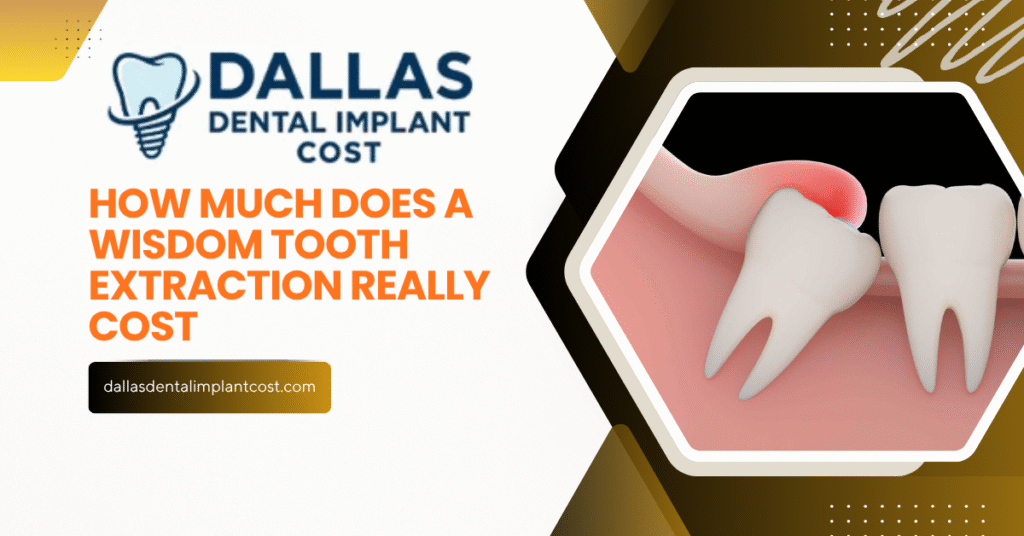
The thought of getting your wisdom teeth out can be daunting enough – dealing with potential pain, recovery, and the general unease of a dental procedure. But for many, the biggest question lurking in the back of their minds is often, “How much does a wisdom tooth extraction cost?” It’s a completely valid concern, as dental procedures can sometimes come with a hefty price tag.
As someone who understands the ins and outs of dental care, I’m here to shed some light on this common question. In this comprehensive guide, we’ll break down the various factors that influence the price of wisdom tooth removal in 2025, from the type of impaction to your insurance coverage, and even explore ways to make it more affordable. My goal is to equip you with all the information you need to confidently navigate the process and understand the financial commitment involved.
Read Also:-Unveiling the Smile: How Much Does a Front Tooth Implant Cost in 2025?
How Much Does a Wisdom Tooth Extraction Really Cost in 2025?
Key Takeaways
- Cost Varies Widely: The price of wisdom tooth extraction can range from a few hundred dollars to several thousand, depending on complexity, anesthesia, and location.
- Complexity is Key: Simple extractions are much cheaper than surgically removing impacted wisdom teeth (those stuck in the jawbone).
- Anesthesia Adds Up: While local anesthesia is usually included, options like IV sedation or general anesthesia significantly increase the overall cost.
- Insurance Matters: Dental insurance can cover a substantial portion of the cost, but understanding your plan’s deductibles and annual maximums is crucial.
- Explore Payment Options: If you don’t have insurance, look into payment plans, dental schools, or discount programs to make the procedure more affordable.
Understanding Wisdom Teeth and Why They Need Removal
Before we dive into the numbers, let’s briefly touch upon what wisdom teeth are and why they often need to be removed.
Wisdom teeth are the last set of molars to erupt, typically appearing between the ages of 17 and 25. While some people have enough room in their mouth for these teeth to come in without problems, many others don’t. When there isn’t enough space, wisdom teeth can become “impacted,” meaning they are trapped beneath the gum line or jawbone.
Here are some common reasons why wisdom teeth often require extraction:
- Impaction: The most frequent reason. Impacted wisdom teeth can grow at awkward angles, pushing against other teeth or remaining fully or partially trapped.
- Pain and Discomfort: Impaction can lead to severe pain, swelling, and tenderness in the jaw.
- Infection (Pericoronitis): When a wisdom tooth only partially erupts, food particles and bacteria can get trapped under the gum flap, leading to painful infections.
- Damage to Adjacent Teeth: Impacted wisdom teeth can push against the neighboring molars, causing damage, cavities, or even shifting of your other teeth.
- Cysts or Tumors: In rare cases, impacted wisdom teeth can lead to the formation of cysts or tumors that can damage the jawbone and surrounding structures.
- Crowding: Even if not fully impacted, wisdom teeth can contribute to overall tooth crowding, undoing years of orthodontic work.
When these issues arise, a dentist or oral surgeon will usually recommend extraction to prevent further complications and maintain your oral health. It’s a very common procedure, and millions of extractions are performed every year.
The Million-Dollar Question: How Much Does a Wisdom Tooth Extraction Cost in 2025?
Alright, let’s get to the heart of the matter. You’re probably wondering, “How much does a wisdom tooth extraction cost?” The honest answer is: it varies significantly. Just like buying a car or renovating a house, there’s no single fixed price because so many factors come into play.
However, I can give you some general ranges to help you prepare. In 2025, the cost for a single wisdom tooth extraction can range anywhere from $75 to $250 for a simple eruption to $200 to $600 or more for an impacted tooth. If you need all four wisdom teeth removed, especially if they are all impacted, the total cost can easily range from $600 to $2,500 or even upwards of $4,000, particularly if IV sedation or general anesthesia is required.
These figures are broad estimates and do not always include the cost of initial consultations, X-rays, or anesthesia, which can add hundreds of dollars to the final bill.
Let’s break down the main factors that will influence the price you ultimately pay.
Factors Influencing the Cost of Wisdom Tooth Extraction
Understanding these variables is key to getting an accurate estimate for your specific situation.
1. The Complexity of the Extraction
This is perhaps the biggest determinant of cost. The easier a tooth is to remove, the less expensive it will be.
- Simple Extraction (Erupted Tooth): If your wisdom tooth has fully erupted through the gum line, is easily accessible, and has straightforward roots, it’s considered a simple extraction. A general dentist can often perform this, and the cost is on the lower end, typically $75 – $250 per tooth. 🦷
- Soft Tissue Impaction: The tooth has erupted through the bone but is still covered by gum tissue. This requires a small incision to expose the tooth before removal. The cost is moderate, usually $200 – $450 per tooth.
- Partial Bony Impaction: Part of the tooth is still covered by the jawbone, and part is covered by gum tissue. Removing it requires cutting away some bone and making an incision. This is more complex and costs more, often $250 – $550 per tooth.
- Full Bony Impaction: The tooth is completely encased within the jawbone. This is the most complex type of extraction, requiring significant surgical intervention to remove bone and sometimes section the tooth before removal. This is the most expensive type, typically $300 – $600+ per tooth. 🦴
The more intricate the procedure, the more time, skill, and resources are required, driving up the cost.
2. Type of Anesthesia Used
Your comfort during the procedure is paramount, and the type of anesthesia you choose (or need) will significantly impact the price.
- Local Anesthesia: This is the most basic and common option, numbing only the area around the tooth. It’s often included in the extraction fee or is a minimal separate charge. You’ll be awake but won’t feel pain.
- Nitrous Oxide (Laughing Gas): Often used in conjunction with local anesthesia, nitrous oxide helps you relax. It’s an additional cost, usually $50 – $150. 😄
- Oral Sedation: You take a pill before the procedure to make you drowsy and relaxed. This is also an added cost, typically $150 – $300.
- IV Sedation (Conscious Sedation): Administered intravenously, this puts you into a “twilight sleep” where you’re awake but deeply relaxed and may have little memory of the procedure. This is a more significant cost, often $300 – $800 per hour, and requires an oral surgeon and a trained assistant to monitor you.
- General Anesthesia: You are completely unconscious during the procedure. This is usually reserved for very complex cases or patients with extreme anxiety. General anesthesia requires an anesthesiologist and specialized equipment, making it the most expensive option, often $500 – $1,500 or more, depending on the duration. 😴
The choice of anesthesia is often made in consultation with your dentist or oral surgeon, considering the complexity of the extraction and your personal comfort level.
3. Geographic Location
Where you live can play a big role in the cost. Dental care, like most services, tends to be more expensive in major metropolitan areas and regions with a higher cost of living compared to rural areas. For example, an extraction in New York City might cost more than the same procedure in a small town in the Midwest.
4. Dentist vs. Oral Surgeon
- General Dentist: For simple, fully erupted wisdom teeth, your regular dentist might be able to perform the extraction. Their fees are generally lower than those of specialists.
- Oral Surgeon (Oral and Maxillofacial Surgeon): For impacted wisdom teeth, especially those involving bone removal or requiring IV/general anesthesia, an oral surgeon is usually recommended. These specialists have advanced training and expertise in surgical procedures of the mouth and jaw, and their fees reflect that specialization. Expect to pay more when an oral surgeon is involved. 👨⚕️
5. Pre-Operative and Post-Operative Costs
Don’t forget about the expenses surrounding the actual extraction!
- Consultation Fee: Before any extraction, you’ll need an initial consultation with the dentist or oral surgeon. This often includes an examination and discussion of your treatment plan, typically costing $50 – $150.
- X-rays: Detailed X-rays (like panoramic X-rays) are essential to assess the position of your wisdom teeth, their roots, and their proximity to nerves. These can cost $30 – $150.
- Prescription Medications: After the extraction, you’ll likely need prescriptions for pain medication and possibly antibiotics to prevent infection. The cost of these medications will be a separate expense.
- Follow-up Appointments: Some offices include a follow-up visit in the initial fee, while others may charge a small fee for it.
6. Dental Insurance Coverage
This is a massive factor for many people. Your dental insurance plan can significantly reduce your out-of-pocket expenses. However, coverage varies wildly.
- Deductibles: The amount you have to pay yourself before your insurance starts covering costs.
- Co-pays/Co-insurance: The percentage of the cost you’re responsible for after your deductible is met.
- Annual Maximums: The maximum amount your insurance will pay in a given year.
- Waiting Periods: Some plans have waiting periods before they cover major procedures like extractions.
I’ll dive deeper into insurance in a bit, but always check with your provider to understand your specific benefits for wisdom tooth extraction in 2025.
“Understanding the type of impaction and your chosen anesthesia are the two most critical pieces of information when estimating the total cost of your wisdom tooth extraction.”
Breaking Down the Costs: A Detailed Look
To give you a clearer picture, let’s look at some estimated cost ranges for different scenarios in 2025. Please remember these are general estimates and your actual costs may vary.
| Type of Extraction | Estimated Cost Per Tooth (Without Insurance) | Anesthesia Options & Additional Costs (Estimated) |
|---|---|---|
| Simple Eruption | $75 – $250 | Local Anesthesia (often included) |
| Soft Tissue Impaction | $200 – $450 | Local Anesthesia + Nitrous Oxide ($50-$150) |
| Partial Bony Impaction | $250 – $550 | Local Anesthesia + Oral Sedation ($150-$300) |
| Full Bony Impaction | $300 – $600+ | IV Sedation ($300-$800/hr) or General Anesthesia ($500-$1500+) |
| Pre-Op X-rays/Consultation | $80 – $300 (one-time fee) | |
| Post-Op Medications | $20 – $100 (separate pharmacy cost) |
Example Scenario (Full Bony Impaction with IV Sedation for 4 teeth):
Let’s imagine you need all four wisdom teeth removed, and they are all fully bony impacted, requiring IV sedation for a 1.5-hour procedure.
- 4 x Full Bony Impaction: 4 x $450 = $1,800
- IV Sedation (1.5 hours): $600 (assuming $400/hour)
- X-rays & Consultation: $200
- Medications: $50
- Total Estimated Cost (without insurance): $2,650
This illustrates how quickly costs can add up, especially for complex cases with advanced anesthesia.
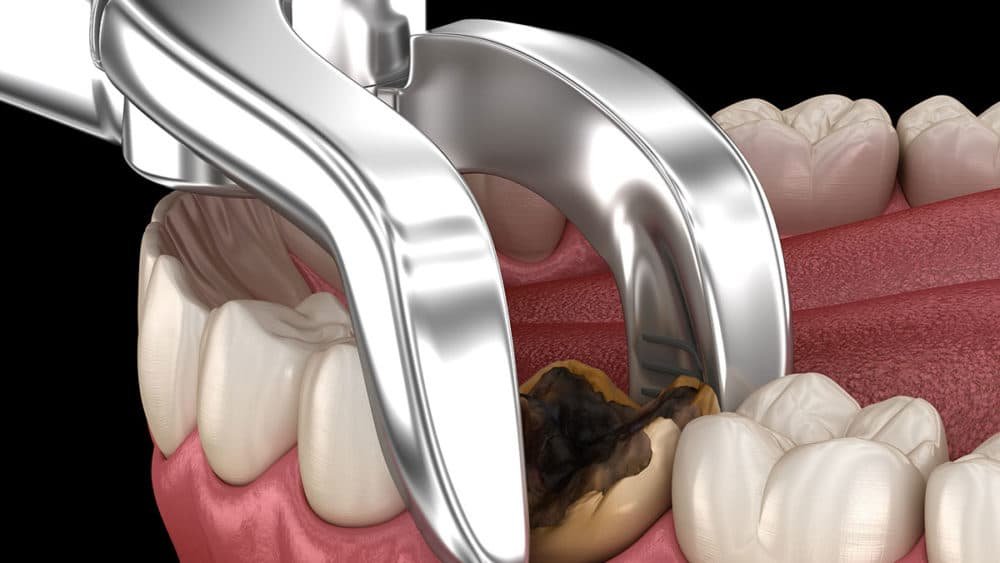
Understanding Your Dental Insurance and Wisdom Tooth Extraction
Navigating dental insurance can feel like a maze, but it’s crucial for managing extraction costs. Here’s what you need to know:
How Dental Insurance Typically Works
Most dental insurance plans categorize procedures into different tiers, with varying levels of coverage:
- Preventive Care (e.g., cleanings, exams): Often covered at 80-100%.
- Basic Procedures (e.g., fillings, simple extractions): Usually covered at 50-80%.
- Major Procedures (e.g., crowns, bridges, surgical extractions): Typically covered at 30-50%.
Wisdom tooth extractions, especially impacted ones, usually fall under “major procedures,” meaning your insurance might cover a smaller percentage of the cost.
Medical vs. Dental Insurance
Sometimes, if a wisdom tooth extraction is deemed medically necessary (e.g., due to severe infection, cyst formation, or nerve damage), a portion of the cost might be covered by your medical insurance, especially if performed in a hospital setting or by an oral surgeon. This is less common for routine extractions but worth investigating. Your oral surgeon’s office will often help you determine if medical insurance might apply.
Key Terms to Know:
- Deductible: The amount you must pay out-of-pocket before your insurance begins to pay. For dental plans, this is typically $50-$150 per year.
- Co-insurance: After you meet your deductible, this is the percentage of the remaining cost you’re responsible for. For example, if your plan covers major procedures at 50%, you’ll pay 50% of the bill, and the insurance pays the other 50%.
- Annual Maximum: Most dental plans have an annual limit on how much they will pay in a calendar year, often ranging from $1,000 to $2,000. If your wisdom tooth extraction is expensive, you might hit this maximum quickly.
- Waiting Periods: Some plans have waiting periods (e.g., 6-12 months) for major procedures. If you just got your insurance, you might have to wait before it covers your extraction.
Getting a Pre-Authorization and Detailed Estimate
This is perhaps the most important step if you have insurance. Before your procedure, ask your dentist or oral surgeon’s office to submit a pre-authorization to your insurance company. This is essentially asking the insurance company to review the proposed treatment plan and tell you exactly what they will cover and what your out-of-pocket costs will be.
The office should provide you with a detailed estimate that breaks down:
- The total cost of the procedure.
- The estimated amount your insurance will cover.
- Your estimated out-of-pocket responsibility (deductibles, co-pays, amounts above annual maximums).
Always verify this information directly with your insurance provider as well. Sometimes, there can be discrepancies between what the dental office estimates and what the insurance company actually pays.
“Never assume your insurance will cover everything. Always get a detailed estimate and a pre-authorization to avoid financial surprises.”
What If You Don’t Have Dental Insurance? Strategies to Manage Costs
If you’re among the many people without dental insurance, don’t despair! There are still several strategies you can employ to make wisdom tooth extraction more affordable in 2025.
1. Payment Plans Directly with the Office
Many dental and oral surgery offices understand the financial burden of procedures and offer in-house payment plans. This allows you to pay for the extraction in installments over several months, often without interest. Don’t hesitate to ask about this option.
2. Dental Schools and University Clinics
Dental schools often provide services at a reduced cost because they are teaching facilities. The procedures are performed by supervised dental students or residents, ensuring high-quality care at a fraction of the price you’d pay at a private practice. The downside might be longer appointment times or waiting lists.
3. Community Health Centers and Public Clinics
Some community health centers or public dental clinics offer reduced-cost services to low-income individuals or those without insurance. These are often funded by government programs or non-profits. Check with your local health department for resources in your area.
4. Dental Discount Plans
These are not insurance but rather membership programs where you pay an annual fee (e.g., $100-$200) and receive discounts (typically 10-50%) on various dental procedures from participating dentists. If you anticipate needing multiple procedures or have a large family, this could be a cost-effective option.
5. Medical Credit Cards (e.g., CareCredit)
Services like CareCredit offer special financing options for healthcare expenses. You can get a credit card specifically for medical bills, often with promotional periods of 0% interest if the balance is paid within a certain timeframe (e.g., 6, 12, 18, or 24 months). Be sure to understand the terms and interest rates if you don’t pay it off on time.
6. Negotiate Cash Prices
If you’re paying entirely out-of-pocket, some dental offices may be willing to offer a discount for cash payment upfront, as it reduces their administrative burden of dealing with insurance claims. It never hurts to ask! 💰
7. Health Savings Accounts (HSAs) or Flexible Spending Accounts (FSAs)
If you have an HSA or FSA through your employer, you can use these tax-advantaged accounts to pay for wisdom tooth extraction. These accounts allow you to set aside pre-tax money for healthcare expenses, effectively saving you money.
8. Shop Around (Carefully!)
While it’s not always easy, especially for complex cases, if you have multiple oral surgeons in your area, you could get consultations and estimates from a couple of different offices. Just be sure you’re comparing apples to apples in terms of the proposed procedure, anesthesia, and included services. Don’t base your decision solely on price; reputation and experience are also very important.
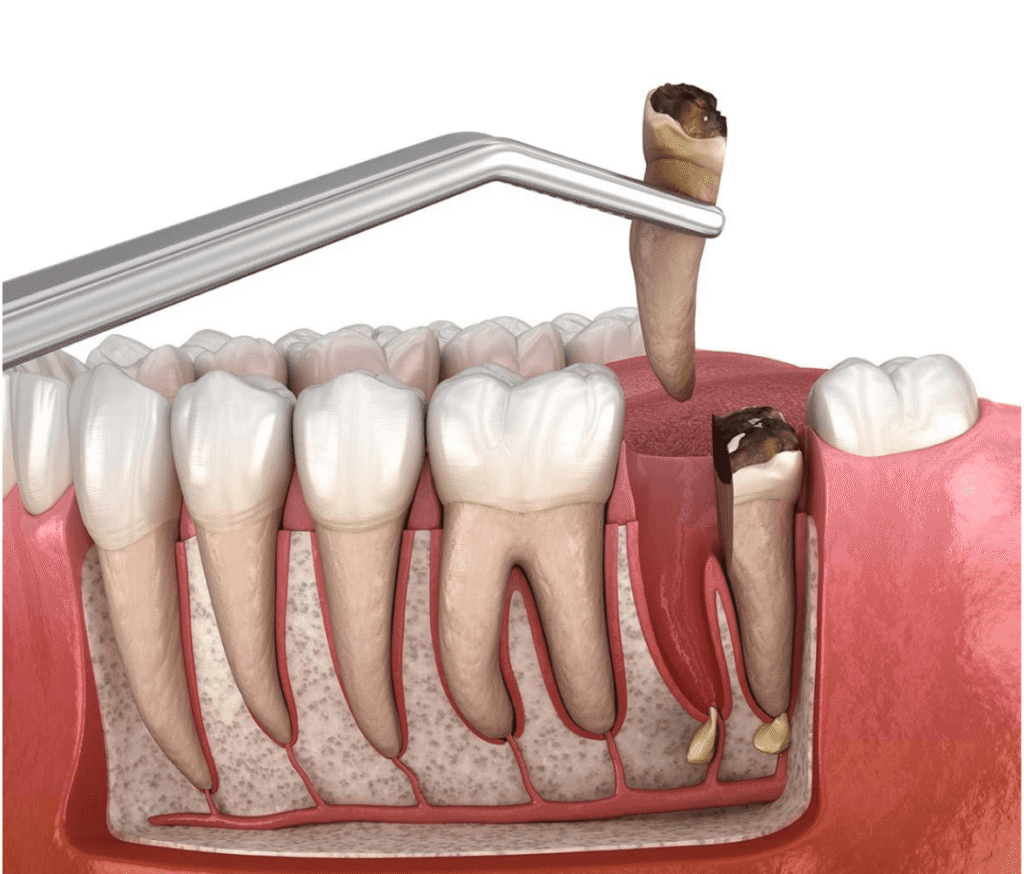
The Extraction Process: What to Expect
To ease your mind, let’s briefly go over the typical extraction process. Knowing what’s involved can make the experience less intimidating.
- Initial Consultation & X-rays: You’ll meet with the dentist or oral surgeon. They’ll examine your mouth and take detailed X-rays (usually panoramic) to assess the position of your wisdom teeth, their roots, and their relationship to nerves and sinuses.
- Treatment Plan Discussion: The dentist or surgeon will explain why extraction is necessary, outline the procedure, discuss anesthesia options, and provide a cost estimate.
- The Procedure Day:
- You’ll receive the chosen anesthesia (local, nitrous, oral sedation, IV sedation, or general anesthesia).
- For impacted teeth, the surgeon will make an incision in the gum and may remove bone covering the tooth.
- Sometimes, the tooth is sectioned into smaller pieces for easier removal.
- Once the tooth is out, the area is cleaned, and stitches are often used to close the gum. Gauze is placed to control bleeding.
- Recovery: You’ll receive detailed post-operative instructions on managing pain, swelling, diet, and oral hygiene. Recovery typically takes a few days to a week. 🩹
Potential Complications and Their Costs
While wisdom tooth extraction is generally safe, complications can occur, potentially adding to your overall expense.
- Dry Socket (Alveolar Osteitis): This happens when the blood clot that forms in the empty tooth socket dislodges or dissolves prematurely, exposing the underlying bone and nerves. It’s painful and requires a follow-up visit for cleaning and dressing, which may incur additional fees.
- Infection: Although antibiotics are often prescribed to prevent this, an infection can still develop, requiring further treatment and medication.
- Nerve Damage: In very rare cases, the inferior alveolar nerve (which runs through the jawbone) can be bruised or damaged during extraction, leading to temporary or, in extremely rare instances, permanent numbness in the lip, chin, or tongue. While follow-up care for this might be covered by the initial fee, extensive treatment for permanent damage could be costly.
- Excessive Bleeding: While some bleeding is normal, persistent heavy bleeding might require additional intervention.
Choosing an experienced oral surgeon for complex extractions can help minimize the risk of these complications.
Is It Worth the Cost? The Long-Term Value of Extraction
Given the potential costs, it’s natural to wonder if wisdom tooth extraction is truly worth it. From my perspective, and that of most dental professionals, the answer is a resounding yes in most cases where extraction is recommended.
Ignoring problematic wisdom teeth can lead to a cascade of more severe and expensive issues down the road:
- Chronic Pain: Living with persistent pain is debilitating and affects your quality of life.
- Repeated Infections: Untreated infections can spread and become dangerous, potentially requiring emergency care or hospitalization, which are far more costly than an extraction.
- Damage to Healthy Teeth: An impacted wisdom tooth can push against the second molar, causing cavities, root damage, or even bone loss, potentially leading to the need for root canals, crowns, or even extraction of the healthy tooth.
- Cysts and Tumors: While rare, these can cause significant damage to the jawbone and require extensive, expensive surgery.
- Orthodontic Relapse: If you’ve invested in braces, impacted wisdom teeth can undo that work, leading to misaligned teeth and potentially needing further orthodontic treatment.
Investing in a wisdom tooth extraction now can save you from far greater pain, discomfort, and financial strain in the future. It’s an investment in your long-term oral health and overall well-being.
Tips for Getting an Accurate Cost Estimate for Your Wisdom Tooth Extraction in 2025
To ensure you’re as prepared as possible for the financial aspect of your wisdom tooth extraction, follow these steps:
- Schedule a Comprehensive Consultation: This is non-negotiable. You need an oral surgeon or dentist to examine your mouth and take X-rays to accurately diagnose the situation.
- Request a Detailed Itemized Estimate: Don’t just ask for a lump sum. Ask for a breakdown of all costs, including:
- Fee per tooth (specifying simple vs. impacted type)
- Anesthesia fees
- X-ray fees
- Consultation fees
- Any other potential charges (e.g., post-operative pack, follow-up visit).

- Clarify What’s Included: Ask if prescriptions, follow-up visits, or addressing minor complications (like dry socket treatment) are included in the initial fee.
- Verify Insurance Coverage (If Applicable): Provide your insurance information to the dental office and ask them to submit a pre-authorization. Then, call your insurance company yourself to confirm the coverage details, your deductible, co-insurance, and annual maximums.
- Inquire About Payment Options: Ask about payment plans, discounts for upfront payment, or financing options like CareCredit.
- Don’t Be Afraid to Ask Questions: This is your health and your money. Make sure you understand every aspect of the cost and the procedure.
By following these steps, you’ll gain a clear understanding of how much your wisdom tooth extraction will cost in 2025 and be better prepared for the financial commitment.
Conclusion
The question “how much does a wisdom tooth extraction cost” doesn’t have a simple, one-size-fits-all answer. As we’ve seen, the price is influenced by a multitude of factors, from the complexity of your specific case and the type of anesthesia you receive to your geographic location and, crucially, your dental insurance coverage.
While the cost can seem significant, remember that wisdom tooth extraction is a common and often necessary procedure that prevents more serious, painful, and ultimately more expensive problems down the line. By understanding the factors involved, exploring your insurance benefits, and investigating various payment options, you can approach your wisdom tooth removal with confidence and financial clarity in 2025. Don’t let cost deter you from seeking the care you need for a healthy, pain-free smile. Always consult with a qualified dental professional to get an accurate assessment and a personalized cost estimate for your situation. Your oral health is worth the investment!
SEO Meta Title:
Wisdom Tooth Extraction Cost Guide 2025 | Get Estimates
SEO Meta Description:
Wondering “how much does a wisdom tooth extraction cost” in 2025? Get a detailed breakdown of prices, factors affecting cost, insurance tips, and payment options in our comprehensive guide.