Losing a tooth can be a challenging experience, impacting not just your smile but also your ability to eat and speak comfortably. Perhaps you’re looking in the mirror right now, noticing that gap, and dreaming of a permanent solution that feels and looks just like your natural teeth. You’ve likely heard about dental implants, the gold standard for tooth replacement, and now you’re wondering about the practicalities, especially the cost. “How much for one tooth implant?” is one of the most common and important questions I get asked, and it’s a perfectly valid one.
As a dental professional, I understand that the financial aspect is a significant consideration for many people. It’s not a simple, one-size-fits-all answer, as the cost can vary widely based on several factors. However, my goal with this comprehensive guide is to break down everything you need to know about the cost of a single tooth implant in 2025, helping you understand what you’re paying for and how to make this life-changing investment more manageable. Let’s dive in!
Read more:-Unpacking the Price: What is the Cost of a Dental Implant Tooth in 2025? Your Complete Guide.
Key Takeaways
- Average Cost Range: In 2025, a single tooth implant typically ranges from $3,000 to $6,000, but this doesn’t always include necessary preparatory procedures like extractions or bone grafts.
- Variable Factors: The total price is heavily influenced by geographic location, the dentist’s experience, the materials used, and crucial preparatory treatments such as bone grafting or tooth extraction.
- Long-Term Investment: While the upfront cost can seem high, dental implants offer a durable, long-lasting solution that preserves bone health and provides a natural look and feel, often making them more cost-effective over time than alternatives.
- Insurance & Financing: Most dental insurance plans may not fully cover the implant post but might contribute to the crown or preparatory procedures. Various financing options, like payment plans and third-party lenders, can help make treatment affordable.
- Consultation is Key: The most accurate cost estimate for your specific situation will come from a personalized consultation with a qualified dental professional, who can assess your oral health needs.
What Exactly is a Dental Implant?
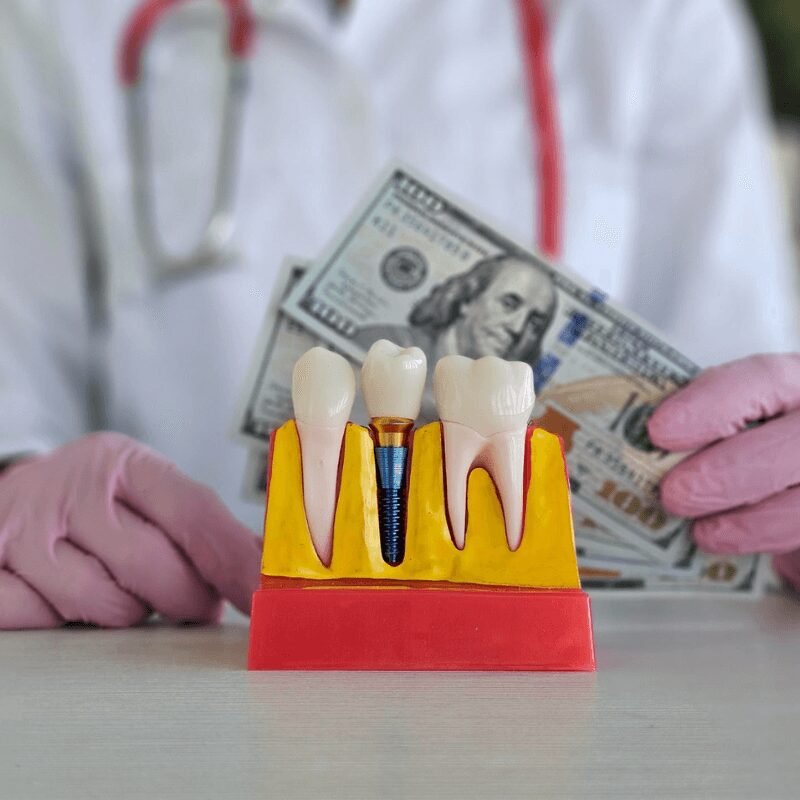
Before we delve into the numbers, let’s quickly clarify what a dental implant is. When I talk about a “dental implant,” I’m referring to a sophisticated, three-part system designed to replace a missing tooth from root to crown:
- The Implant Post (Fixture): This is a small, screw-shaped post, usually made of titanium (or sometimes zirconia), that is surgically placed into your jawbone. It acts as an artificial tooth root, providing a stable foundation. Over several months, it fuses with your bone in a process called osseointegration.
- The Abutment: Once the implant post has fully integrated, a small connector piece called an abutment is attached to it. This piece extends above the gum line and serves as the anchor for your new tooth.
- The Dental Crown: This is the visible part of your new tooth, custom-made to match the color, shape, and size of your natural teeth. It’s typically made of porcelain or ceramic and is cemented or screwed onto the abutment.
Together, these three components create a replacement tooth that looks, feels, and functions remarkably like a natural tooth. This innovative solution is why implants are considered the gold standard for tooth replacement in 2025.
The Million-Dollar Question: How Much for One Tooth Implant?
Alright, let’s get to the heart of the matter. When patients ask me, “How much for one tooth implant?” I typically tell them that the cost for a single tooth implant, including the implant post, abutment, and crown, can generally range from $3,000 to $6,000 in 2025.
However, it’s crucial to understand that this is a broad estimate. This range often doesn’t include additional procedures that might be necessary before the implant can even be placed. Think of it like buying a car: the sticker price is one thing, but then you might need to add accessories, pay for registration, or even get a special garage built. The same principle applies to dental implants.
“The cost of a single tooth implant isn’t just about the implant itself. It’s an investment in a complete solution that might require preliminary work to ensure its long-term success.”
Understanding the factors that influence this price will give you a clearer picture of what your specific treatment plan might entail.
Factors That Influence the Cost of a Single Tooth Implant
The total price you’ll pay for a single tooth implant is a dynamic figure, influenced by a variety of elements. Let’s break down the most significant contributors:
1. Geographic Location 🌍
Just like real estate, dental costs vary significantly depending on where you live.
- Major Metropolitan Areas: Cities with a higher cost of living and greater demand for specialized dental services often have higher prices. For example, an implant in New York City or Los Angeles might be more expensive than in a smaller town in the Midwest.
- Rural vs. Urban: You might find slightly lower prices in rural areas, but the trade-off could be fewer specialist options.
2. Dentist’s Experience and Specialization 👨⚕️
The skill and experience of the dental professional performing your implant procedure play a significant role in the cost.
- General Dentist: Some general dentists perform implant placements, often at a slightly lower fee.
- Specialists: Oral surgeons and periodontists are specialists with extensive training and experience in surgical procedures like implant placement. Their expertise often comes with a higher fee, but it can also lead to better outcomes, especially in complex cases. Maxillofacial prosthodontists are specialists in the restorative phase (crown and abutment) and can also charge higher fees.
3. Type of Implant Material and Brand
The materials used for the implant post and the brand can affect the cost.
- Titanium: This is the most common material due to its biocompatibility and strength. Most implants are made from a medical-grade titanium alloy.
- Zirconia: A newer, metal-free option, zirconia implants are gaining popularity for patients with metal allergies or those who prefer an aesthetic, white post. They can sometimes be more expensive.
- Brand Reputation: There are many implant manufacturers (e.g., Nobel Biocare, Straumann, Dentsply Sirona). Premium brands, often backed by extensive research and long-term success rates, may cost more than generic or lesser-known brands.
4. Diagnostic Procedures
Before any treatment begins, your dentist needs a clear picture of your oral health and bone structure.
- X-rays: Standard dental X-rays are typically included in the initial consultation.
- 3D CT Scans (Cone Beam CT – CBCT): A crucial diagnostic tool for implants, a CBCT scan provides a detailed 3D view of your jawbone, nerves, and sinuses. This helps the dentist plan the precise placement of the implant, minimizing risks. These scans can add $150 – $500 to the initial cost.
5. Anesthesia Type 😴
The type of anesthesia used during the implant placement procedure will also influence the total cost.
- Local Anesthesia: This is typically included in the procedure cost and numbs only the area where the implant is placed.
- Sedation Dentistry: For patients with anxiety or those undergoing more complex procedures, options like oral sedation, nitrous oxide (laughing gas), or IV sedation might be offered. These can add $200 – $1,000+ to the bill, depending on the type and duration.
6. Preparatory Procedures (The Biggest Variable!)
This is often where the biggest cost variations come into play. Many patients require additional procedures to create a healthy and stable foundation for the implant.
- Tooth Extraction: If the damaged tooth is still present and needs to be removed, an extraction will be necessary.
- Simple Extraction: $75 – $300
- Surgical Extraction (e.g., impacted tooth): $150 – $600+
- Bone Grafting: This is a very common procedure. If you’ve had a missing tooth for a while, the jawbone underneath can resorb (shrink) due to lack of stimulation. A bone graft adds bone material to the area, creating enough volume and density to support the implant.
- Cost: $200 – $1,200+ per site, depending on the type of graft material (patient’s own bone, cadaver bone, synthetic) and the extent of the graft.
- Socket Preservation: Often done immediately after an extraction, this involves placing bone graft material into the empty tooth socket to prevent bone loss. This can save you from more extensive grafting later.
- Sinus Lift: If you need an implant in the upper back jaw and there isn’t enough bone between your jaw and the maxillary sinus, a sinus lift might be required. This procedure involves lifting the sinus membrane and adding bone graft material.
- Cost: $1,500 – $2,500+ per side, as it’s a more complex surgical procedure.
- Gum Grafting: In cases where there isn’t enough healthy gum tissue around the implant site, a gum graft might be needed to ensure proper healing and aesthetics.
- Cost: $300 – $1,000+ per site.
7. Type of Crown Material 👑
The final visible tooth (crown) can also vary in cost based on its material.
- Porcelain-Fused-to-Metal (PFM): These crowns have a metal base with porcelain layered over it. They are durable but can sometimes show a thin metal line at the gum line.
- All-Ceramic (Zirconia, E-max): These are entirely metal-free, offering superior aesthetics and translucency, especially for front teeth. They are often more expensive but provide the most natural look.
8. Abutment Material 🔗
Similar to the implant post, abutments can be made from titanium or zirconia. Custom abutments, which are designed specifically for your unique gum line and bite, typically cost more than stock (pre-fabricated) abutments but can provide better aesthetic results and fit.
9. Lab Fees 🔬
The dental lab plays a crucial role in fabricating your custom abutment and crown. These fees are usually included in the overall cost of the crown but can vary based on the lab’s quality and the complexity of the restoration.
10. Follow-up Appointments 🗓️
Post-operative checks to monitor healing and ensure the implant is integrating properly are essential. These are often included in the overall treatment cost but it’s always good to confirm.
Breaking Down the Cost Components: A Hypothetical Example (2025)
To give you a clearer picture, let’s look at a hypothetical breakdown for a single tooth implant. Remember, these are estimates and can vary significantly.
| Procedure Component | Estimated Cost Range (2025) | Notes |
|---|---|---|
| Initial Consultation & X-rays | $50 – $250 | Often applied towards treatment if you proceed. |
| 3D CT Scan (CBCT) | $150 – $500 | Highly recommended for precise planning. |
| Tooth Extraction (if needed) | $75 – $600 | Varies based on complexity (simple vs. surgical). |
| Bone Grafting (if needed) | $200 – $1,200 | Crucial if bone density is insufficient. Cost depends on material and extent. |
| Sinus Lift (if needed) | $1,500 – $2,500+ | For upper back jaw implants with insufficient bone. |
| Implant Post Placement (Surgery) | $1,500 – $3,000 | This is the surgical placement of the titanium or zirconia screw. |
| Abutment | $300 – $800 | The connector piece between the implant and the crown. Custom abutments are usually at the higher end. |
| Dental Crown | $1,000 – $2,500 | The visible tooth. Cost varies by material (PFM vs. all-ceramic) and lab fees. |
| Follow-up Appointments | Often included | Post-operative checks. |
| Total Estimated Range (without major preparatory work) | $3,000 – $6,000 | This range is for the implant post, abutment, and crown, assuming no complex extractions or bone grafts are needed. |
| Total Estimated Range (with preparatory work) | $4,000 – $8,000+ | This range includes common preparatory procedures like extraction and minor bone grafting, which are often necessary. Complex cases can exceed this. |
As you can see, the final cost can easily vary by thousands of dollars depending on your individual needs. This is why a thorough examination and personalized treatment plan are indispensable.
Is a Tooth Implant Worth the Investment? The Undeniable Benefits ✨
When faced with a significant cost, it’s natural to question the value. I firmly believe that dental implants, despite the upfront investment, offer unparalleled benefits that make them a worthwhile choice for most people in 2025.
Here’s why they are considered the best long-term solution:
- Permanent Solution: Unlike dentures or bridges that may need replacement every 5-15 years, implants can last a lifetime with proper care. This often makes them more cost-effective in the long run.
- Preserves Jawbone Health: When a tooth is lost, the jawbone underneath begins to resorb (shrink) because it’s no longer stimulated. Implants are the only tooth replacement option that stimulates the jawbone, preventing bone loss and maintaining facial structure.
- Natural Look and Feel: Implants are custom-made to match your existing teeth, blending seamlessly into your smile. They feel just like natural teeth, allowing you to eat your favorite foods and speak confidently.
- Improved Chewing Efficiency: Implants are anchored securely in your jaw, providing superior stability and chewing power compared to removable dentures.
- No Impact on Adjacent Teeth: Unlike dental bridges, which require grinding down healthy adjacent teeth for support, implants stand alone, preserving the integrity of your natural teeth.
- Enhanced Self-Confidence: A complete, healthy smile can significantly boost your self-esteem and quality of life.
- Easy Maintenance: You care for implants just like your natural teeth – with regular brushing, flossing, and dental check-ups.
“Investing in a dental implant is investing in your oral health, overall well-being, and confidence for decades to come.”
Comparing Implants to Alternatives
To truly appreciate the value of an implant, it helps to briefly compare it to other tooth replacement options:
- Removable Partial Dentures: These are the least expensive option upfront. However, they are removable, can feel bulky, may shift while eating or speaking, and do not prevent bone loss. They typically last 5-10 years.
- Dental Bridges: A bridge involves crowning the teeth on either side of the gap and using them to support an artificial tooth (pontic) in between. While they are fixed, they require grinding down healthy adjacent teeth, which can make them more susceptible to decay or sensitivity. Bridges usually last 5-15 years and do not prevent bone loss under the missing tooth.
While dentures and bridges have lower initial costs, their shorter lifespan and potential for future dental issues often lead to higher costs over time. Implants, with their longevity and bone-preserving benefits, often prove to be the most economical choice in the long run.
Navigating Payment Options and Making Implants More Affordable
The cost of a single tooth implant can be a significant investment, but there are several ways to make it more manageable. Don’t let the initial price tag deter you from exploring this excellent solution!
1. Dental Insurance Coverage 🛡️
This is often the first question patients ask. The reality is:
- Limited Coverage for Implant Post: Many traditional dental insurance plans in 2025 still consider the implant post (the screw placed in the bone) a cosmetic procedure and may not cover it.
- Coverage for Related Procedures: However, your insurance might cover portions of the treatment. For example, they may cover:
- The initial consultation and X-rays.
- The tooth extraction.
- Bone grafting (often classified as a “major restorative” procedure).
- The dental crown (often covered under “major restorative” benefits, similar to a regular crown).
- PPO vs. HMO: PPO plans typically offer more flexibility in choosing your dentist and may provide better coverage for specialized procedures.
- Max Out-of-Pocket: Be aware of your annual maximums and deductibles.
- Medical Insurance: In rare cases, if the tooth loss is due to an accident or a medical condition, some medical insurance plans might offer partial coverage.
My Advice: Always contact your insurance provider directly and ask for a detailed breakdown of what they cover for dental implants (using specific CDT codes provided by your dentist).
2. Payment Plans and Financing Options 💳
Many dental offices understand the financial strain and offer solutions:
- In-House Payment Plans: Some practices provide their own interest-free payment plans, allowing you to pay in installments over several months.
- Third-Party Medical Financing: Companies like CareCredit or LendingClub offer specialized healthcare credit cards or loans with low or no-interest options for qualifying patients, usually for 6-24 months.
- Personal Loans: You might consider a personal loan from a bank or credit union, though interest rates can vary.
3. Health Savings Accounts (HSAs) & Flexible Spending Accounts (FSAs) 💰
If you have an HSA or FSA through your employer, these are excellent ways to pay for dental implants with pre-tax dollars.
- HSA: Funds roll over year to year and can be invested.
- FSA: Funds are typically “use it or lose it” within the plan year.
Both allow you to set aside money tax-free for qualified medical and dental expenses.
4. Dental Schools 🎓
Dental schools with postgraduate implant programs often offer services at a reduced cost compared to private practices. The procedures are performed by students under the close supervision of experienced faculty members. The trade-off is often longer appointment times and a potentially slower treatment timeline.
5. Dental Tourism ✈️
Some individuals consider traveling to other countries where dental procedures, including implants, might be significantly cheaper. While this can offer cost savings, it comes with potential risks:
- Quality Control: Standards of care and material quality can vary greatly.
- Follow-up Care: If complications arise after you return home, getting follow-up care can be challenging and costly.
- Travel Expenses: Factor in flights, accommodation, and time off work.
6. Ask About Discounts or Package Deals
It never hurts to ask your dentist if they offer any discounts for upfront payment in full, or if they have any package deals that could reduce the overall cost if you need multiple procedures.
What to Ask Your Dentist During a Consultation 🗣️
When you go for your initial consultation, be prepared with questions to ensure you get a clear understanding of the costs and the treatment plan. I encourage all my patients to ask these questions:
- “What is the total estimated cost for my single tooth implant, including all parts (implant, abutment, crown)?”
- “Are there any preparatory procedures I’ll need, such as tooth extraction or bone grafting? If so, what are their individual costs?”
- “What diagnostic tests are required, and what do they cost?”
- “What type of implant material and brand do you recommend, and why?”
- “What type of crown material will be used, and how does it affect the cost?”
- “What are the payment options available? Do you offer in-house financing or work with third-party lenders?”
- “How much of this treatment do you anticipate my dental insurance will cover? Can your office help me submit claims?”
- “What is the estimated timeline for the entire implant process, from start to finish?”
- “What is your experience and success rate with dental implants?”
- “Are there any potential hidden costs I should be aware of?”
Getting these answers upfront will help you make an informed decision and budget accordingly.
The Implant Journey: What to Expect 🗺️
Understanding the typical steps involved in getting a single tooth implant can also help you appreciate the investment. The process usually involves several stages over a few months:
- Initial Consultation & Planning: I’ll perform a comprehensive oral exam, take X-rays and potentially a 3D CT scan, and discuss your medical history and treatment goals. We’ll create a personalized treatment plan.
- Preparatory Procedures (if needed): If you need a tooth extraction, bone graft, or sinus lift, these will be performed first. There’s usually a healing period of several weeks to months after these procedures.
- Implant Placement Surgery: The implant post is surgically placed into your jawbone. This is typically done under local anesthesia, sometimes with sedation. After placement, the implant is usually left to heal and integrate with the bone for 3-6 months. This is a critical period called osseointegration.
- Abutment Placement (sometimes combined): Once the implant has fully fused with the bone, a small abutment is attached to it. Sometimes, the abutment is attached at the same time as the implant post, depending on the case. A short healing period follows.
- Crown Placement: Impressions of your mouth are taken to custom-fabricate your permanent dental crown. Once ready, the crown is cemented or screwed onto the abutment, completing your new tooth! 🎉
- Follow-up Care: Regular check-ups are essential to ensure the implant remains healthy and functional.
Each stage requires precision, skill, and time, contributing to the overall cost and the long-term success of your implant.
Maintenance and Longevity of Your Implant 🚿
Once your single tooth implant is in place, caring for it is straightforward and crucial for its longevity. Think of it as caring for a natural tooth:
- Brush Twice Daily: Use a soft-bristled toothbrush and non-abrasive toothpaste.
- Floss Daily: Special implant-specific floss or interdental brushes can help clean around the implant.
- Regular Dental Check-ups: Continue to visit your dentist and hygienist for professional cleanings and examinations, usually twice a year. They will monitor the health of your implant and surrounding tissues.
- Avoid Hard/Sticky Foods: While implants are strong, just like natural teeth, avoid excessively hard candies, ice, or sticky foods that could potentially damage the crown or surrounding teeth.
- Address Issues Promptly: If you notice any pain, swelling, or looseness around your implant, contact your dentist immediately.
With proper oral hygiene and regular professional care, a dental implant can last for decades, often a lifetime. This incredible longevity is a key reason why many consider it a superior investment compared to other tooth replacement options.
Conclusion
Understanding “how much for one tooth implant” in 2025 involves looking beyond a single number. It’s about recognizing the value of a comprehensive, custom-tailored solution that restores your smile, preserves your oral health, and offers a lifetime of benefits. While the initial investment might seem substantial, the long-term advantages in terms of durability, comfort, aesthetics, and bone preservation often outweigh the costs of alternative, less permanent solutions.
I hope this detailed guide has demystified the cost of a single tooth implant for you. My strongest recommendation is to schedule a personal consultation with a qualified dental professional. Only through a thorough examination of your specific oral health needs can we provide you with an accurate, personalized treatment plan and a precise cost estimate. Don’t let a missing tooth hold you back from enjoying life to the fullest – a beautiful, functional, and healthy smile is within reach!
SEO Meta Title:
How Much for One Tooth Implant in 2025? Your Cost Guide
SEO Meta Description:
Discover the true cost of a single tooth implant in 2025. Get a detailed breakdown of factors influencing price, payment options, and why implants are a wise investment.