
Navigating healthcare coverage as a senior can be a complex journey, especially when considering elective procedures like dental implants. For Dallas seniors seeking to restore their smiles, understanding Medicare & Medicaid Dental Implant Coverage in Texas: What Dallas Seniors Need to Know is crucial. Many assume that government-sponsored health programs will cover all their medical and dental needs, but the reality for dental implants often presents a different picture. This article aims to provide a clear, comprehensive guide to help you understand what to expect from Medicare and Medicaid regarding dental implant coverage in Texas, and explore viable alternatives to achieve long-term oral health.
Dental implants represent a significant advancement in tooth replacement options, offering a durable and natural-looking solution for missing teeth. However, their cost can be a barrier for many, making insurance coverage a primary concern. Here in Dallas, we believe in patient-first oral health education, ensuring you have all the facts to make informed decisions about your implant surgery process and overall dental care.
Key Takeaways
- Traditional Medicare Generally Does Not Cover Dental Implants: Standard Medicare Part A and Part B typically exclude routine dental care, including most dental implant procedures.
- Medicare Advantage (Part C) Plans May Offer Some Coverage: Some Medicare Advantage plans include dental benefits, which can sometimes cover a portion of dental implants, but coverage varies widely.
- Medicaid Dental Coverage in Texas is Limited for Adults: Texas Medicaid offers very limited dental benefits for adults, usually restricted to emergency care or procedures deemed medically necessary, rarely including dental implants.
- Alternative Financing and Payment Options are Essential: Dallas seniors should explore private dental insurance, dental discount plans, financing options, and local programs to help manage the cost of dental implants.
- Consultation with a Dentist is Key: A thorough dental implant consultation with a qualified dental implant specialist in Dallas is vital to understand treatment plans and explore all financial avenues.
Unpacking Medicare Dental Coverage for Implants in Texas
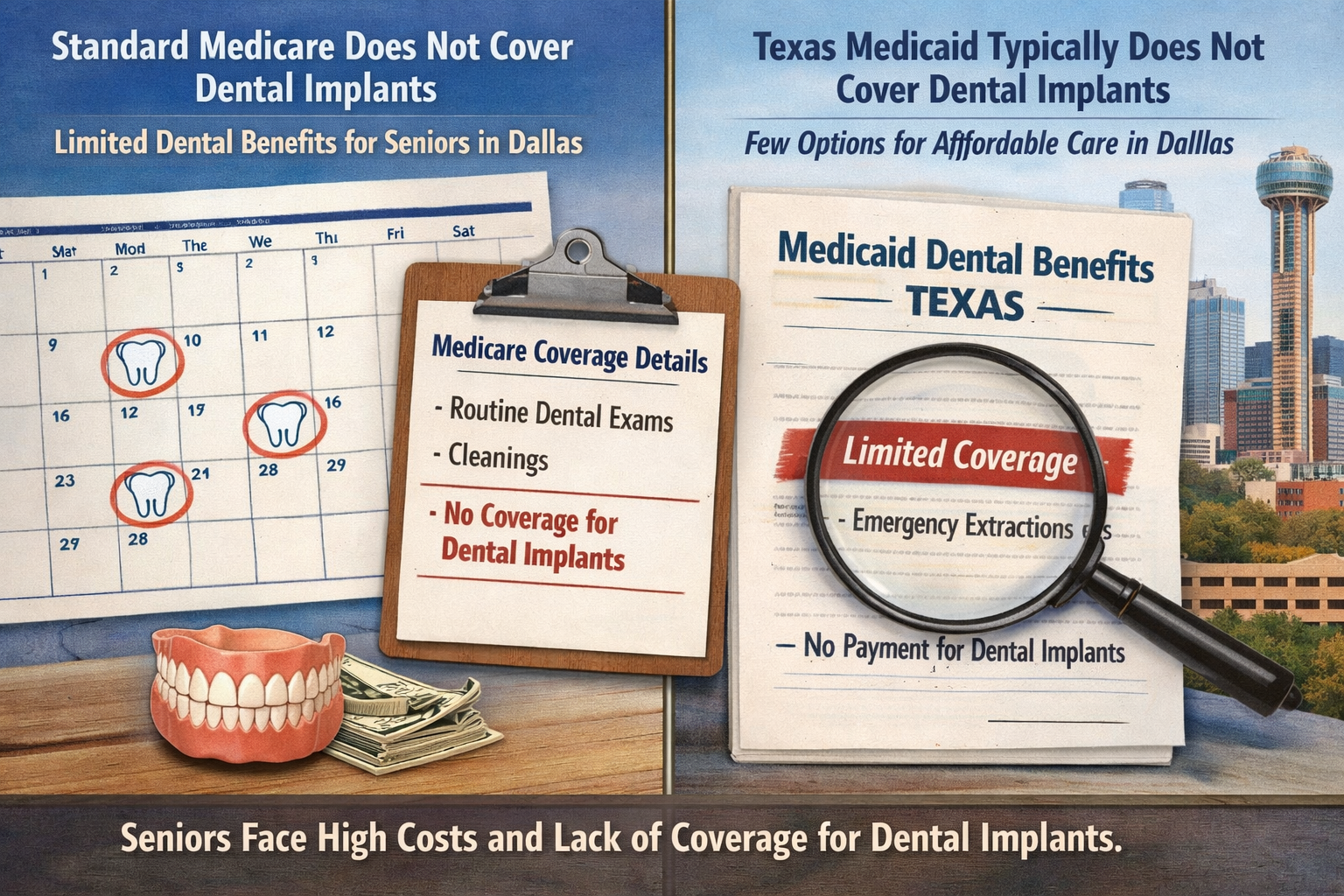
For Dallas seniors considering dental implants, one of the first questions is often, “Does Medicare cover this?” The simple answer, unfortunately, is generally no. Traditional Medicare (Parts A and B) is not designed to cover routine dental care, which includes most dental procedures like cleanings, fillings, extractions, dentures, and crucially, dental implants. This is a common misconception, and it’s vital for individuals to understand these limitations when planning for their oral health.
Traditional Medicare (Parts A & B) and Dental Implants
Medicare Part A (Hospital Insurance) primarily covers inpatient hospital stays, skilled nursing facility care, hospice care, and some home health care. Medicare Part B (Medical Insurance) covers certain doctor’s services, outpatient care, medical supplies, and preventive services. Neither of these parts typically covers dental procedures, unless they are directly related to a covered medical procedure or emergency.
For instance, if you require a hospital stay due to a severe dental infection that is impacting your overall health, Medicare Part A might cover the hospital portion of your care. However, the actual dental work, such as an extraction or a dental implant procedure, would likely not be covered. The regulations are very specific: Medicare covers services incident to a medical event, not the dental services themselves.
Why the Exclusion? The exclusion of routine dental care from traditional Medicare dates back to the program’s inception. It was largely based on the idea that dental care was more about aesthetics and maintenance rather than essential medical treatment, a perspective that many now challenge, given the strong links between oral health and overall systemic health. For example, poor oral health can contribute to heart disease, diabetes complications, and other serious conditions. Despite this growing understanding, the foundational structure of traditional Medicare remains unchanged regarding routine dental benefits.
This means that for most seniors in Dallas, the cost of dental implants, which can range significantly depending on the complexity and the number of implants, would be an out-of-pocket expense if relying solely on traditional Medicare. Understanding why dental implants are so expensive in Dallas often leads to exploring alternative funding options.
Medicare Advantage Plans (Part C) and Dental Implants
While traditional Medicare leaves a significant gap in dental coverage, Medicare Advantage Plans (Part C) offer a potential avenue for some assistance. Medicare Advantage plans are offered by private insurance companies approved by Medicare, and they bundle Part A, Part B, and usually Part D (prescription drug coverage), often including extra benefits that traditional Medicare doesn’t cover. These additional benefits can sometimes include dental, vision, and hearing care.
What to Look For in Medicare Advantage Plans:
- Varying Coverage: The level of dental coverage offered by Medicare Advantage plans varies widely from one plan to another. Some plans may offer basic dental benefits like cleanings and X-rays, while others might extend to more comprehensive services, potentially including partial coverage for procedures like crowns, bridges, or even dental implants.
- Limitations and Caps: Even if a Medicare Advantage plan does cover dental implants, there are almost always limitations. These can include:
- Annual Maximums: A cap on the total amount the plan will pay for dental services within a year (e.g., $1,000 to $2,000). Given the average price of a dental implant per tooth in Dallas, this maximum may only cover a small portion of the total cost.
- Waiting Periods: A period after enrollment during which certain procedures (like implants) are not covered.
- Copayments and Coinsurance: You will likely be responsible for a percentage of the cost after your deductible is met.
- Network Restrictions: You might be required to see dentists within the plan’s specific network.
- Medical Necessity Clause: Similar to traditional Medicare, some plans might only cover dental work if it is deemed “medically necessary.” While dental implants are medically necessary for restoring function and preventing further oral health deterioration, plans often interpret this narrowly, focusing on immediate health risks rather than long-term tooth replacement options.
Recommendations for Dallas Seniors: If you are a Dallas senior with a Medicare Advantage Plan, or are considering enrolling in one, it is imperative to:
- Review the Summary of Benefits: Carefully read the plan’s summary of benefits or contact the plan administrator directly to understand their specific dental coverage.
- Ask Direct Questions: Inquire specifically about coverage for “dental implants” or “major dental services.”
- Compare Plans: Don’t assume all Medicare Advantage plans are the same. Compare several plans in your Dallas area to find one that best suits your oral health needs and budget. For more information on comparing costs, refer to our guide on cheap dental implants Dallas: Medicare Guide & Cost Options 2025.
Understanding these nuances is essential for any Dallas senior hoping to utilize Medicare for their dental implant journey. The complexity highlights the need for thorough research and, often, looking beyond government programs for full financial coverage.
Medicaid Dental Implant Coverage in Texas: What Dallas Seniors Need to Know
When it comes to Medicare & Medicaid Dental Implant Coverage in Texas: What Dallas Seniors Need to Know, the landscape for Medicaid is even more restrictive than for Medicare, particularly concerning adult dental benefits. Medicaid is a joint federal and state program that provides health coverage to low-income individuals and families. While federal law mandates comprehensive dental benefits for children under Medicaid (EPSDT), adult dental benefits are largely optional for states, and Texas has historically chosen to offer very limited coverage for adults.
Texas Medicaid Adult Dental Benefits
For adults aged 21 and over in Texas, Medicaid dental coverage is severely restricted. Generally, it covers only emergency dental services necessary to alleviate pain or treat acute infections. This typically means services like:
- Emergency extractions: To remove an infected tooth causing severe pain.
- Limited palliative care: To manage pain or immediate infection.
Procedures considered routine, cosmetic, or restorative, such as fillings, crowns, dentures, and especially dental implants, are generally not covered for adults under Texas Medicaid. This policy is primarily due to budget constraints and the state’s discretion in defining adult dental benefits.
The “Medically Necessary” Hurdle: Even in cases where a dental procedure might be considered “medically necessary” in a broader health context, Texas Medicaid’s interpretation for adults is very narrow. Dental implants, while crucial for long-term oral health, digestion, speech, and overall quality of life, are rarely, if ever, deemed medically necessary for coverage under adult Medicaid in Texas. The program typically prioritizes addressing immediate threats to life or severe pain over comprehensive restorative solutions.
Impact on Dallas Seniors: For low-income seniors in Dallas who rely on Medicaid, this means that securing coverage for dental implants through this program is highly improbable. This lack of coverage can exacerbate oral health issues, as missing teeth can lead to further bone loss, shifting teeth, and difficulties eating and speaking, ultimately impacting overall health and well-being.
“Many seniors face the difficult choice between living with missing teeth or finding alternative ways to fund essential tooth replacement options like dental implants, given the limited scope of government programs.”
Exploring Exceptions and Limited Scenarios
While direct coverage for dental implants through Texas Medicaid is rare, there might be extremely narrow, case-by-case exceptions or specific scenarios where some related services could indirectly be covered, although this is not common. These might include:
- Trauma-Related Incidents: In very specific instances, if a dental injury is the direct result of a covered medical emergency, some initial treatment might be covered. However, even then, the restorative phase involving implants would likely be excluded.
- Specific Medical Conditions: Occasionally, if a patient has a severe underlying medical condition that is directly exacerbated by a specific dental issue and a dental procedure is deemed absolutely critical to treat the medical condition (and no other alternative exists), a limited procedure might be considered. This is a very high bar to meet and does not typically extend to dental implants.
It is crucial for Dallas seniors to understand that these exceptions are rare and do not typically apply to the elective placement of dental implants for common tooth loss. The best approach is to assume that Texas Medicaid for adults will not cover dental implants and to explore other financial avenues proactively.
Alternative Funding and Support for Dental Implants in Dallas

Given the significant limitations of both Medicare and Texas Medicaid regarding dental implant coverage, Dallas seniors often need to explore alternative funding and support options to make their tooth replacement solutions a reality. Investing in dental implants in Dallas is an investment in long-term oral health, and while the initial cost can seem substantial, numerous strategies can help manage the financial burden.
Private Dental Insurance and Dental Discount Plans
Many seniors opt for private dental insurance plans designed to supplement Medicare. These plans vary widely in terms of premiums, deductibles, annual maximums, and coverage for major procedures like dental implants.
Private Dental Insurance:
- Pros: Can cover a portion of major procedures.
- Cons: Higher premiums, waiting periods for major procedures (often 6-12 months), annual maximums that may not cover the full cost of extensive work. It’s important to compare what different plans offer for procedures like dental implants versus other tooth replacement options.
- Actionable Advice: Research plans carefully, pay attention to the “major services” category, and clarify what percentage of implant-related costs (surgery, abutment, crown) they cover. For insights into cost of dental implants with insurance in 2025, review our dedicated guide.
Dental Discount Plans (or Dental Savings Plans):
- How they work: You pay an annual membership fee and receive discounted rates (typically 10-60%) on dental services from participating dentists. These are not insurance plans.
- Pros: No annual maximums, no waiting periods for most procedures, often include major services.
- Cons: You pay the discounted rate directly to the dentist; may require you to switch dentists if your current one isn’t in their network.
- Actionable Advice: A good option for seniors who need significant work and want immediate savings without waiting periods.
Financing Options and Payment Plans
Most dental practices in Dallas understand the financial challenges of dental implant cost and offer various financing solutions.
- In-Office Payment Plans: Many dental implant providers offer flexible payment schedules directly through their office. This allows patients to pay for their treatment in installments over several months or even years.
- Third-Party Medical Financing: Companies like CareCredit, LendingClub, or Alphaeon Credit specialize in healthcare financing. They offer credit lines specifically for medical and dental procedures, often with low-interest or interest-free periods for qualified applicants.
- Actionable Advice: Research interest rates, repayment terms, and promotional offers. Always ensure you understand the full terms before committing.
Dental Schools and Research Programs
Sometimes, dental schools or dental research programs can offer treatment at a reduced cost, as procedures are performed by students under the close supervision of experienced faculty.
- Pros: Significantly lower costs.
- Cons: Longer appointment times, potential for multiple appointments, limited availability, and you might not get to choose your specific provider.
- Actionable Advice: The nearest reputable dental school is typically outside of Dallas but within Texas. It’s worth researching if this is a viable option for your specific case and if the travel is manageable.
Local Charities and Assistance Programs
Various non-profit organizations and charities may offer assistance for dental care to low-income seniors.
- Programs to look for: Search for local Dallas-area charities that focus on senior health or dental assistance. Organizations like United Way or specific local foundations sometimes have grants or programs.
- Eligibility: These programs often have strict income guidelines and other eligibility criteria.
- Actionable Advice: Inquire with local community centers, senior centers, or local dental societies for information on available programs in the Dallas area.
Maximizing Your Benefits and Savings
- Pre-Authorization: If you have any form of private dental insurance, always seek pre-authorization for dental implant procedures. This clarifies what will be covered and prevents unexpected bills.
- Itemized Quotes: Get a detailed, itemized quote for your entire dental implant procedure, including the implant, abutment, and crown. This allows you to understand each component’s cost and compare across different providers if necessary. For more on the cost of upper dental implants in 2025 or the dental implant and crown cost, detailed breakdowns are crucial.
- Negotiation: Don’t be afraid to discuss costs and payment options with your dental practice. Many are willing to work with patients to make treatment more affordable.
By exploring these various avenues, Dallas seniors can piece together a financial plan that makes obtaining dental implants more achievable, ensuring they receive the high-quality care necessary for long-term oral health.
Navigating Your Dental Implant Journey in Dallas
Embarking on the dental implant journey requires careful consideration, not just of financial aspects but also of the procedure itself, patient safety, and finding the right dental implant specialist. For Dallas seniors, understanding each step is vital for a successful outcome and to ensure long-term oral health.
The Dental Implant Procedure: What to Expect
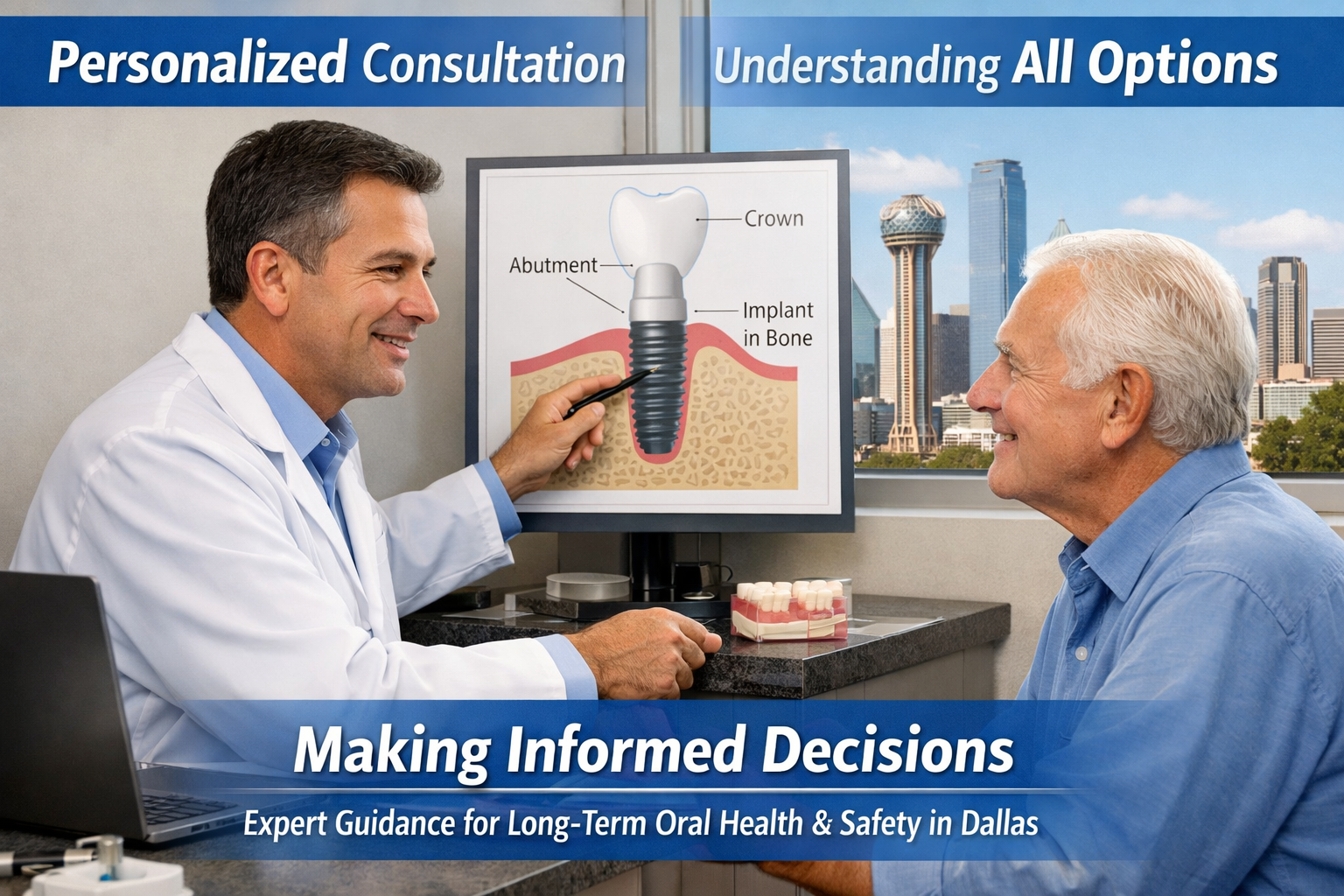
Dental implants are titanium posts surgically placed into the jawbone beneath the gums, serving as artificial tooth roots. Once integrated with the bone, they provide a stable foundation for replacement teeth (crowns, bridges, or dentures). The overall dental implant procedure typically involves several stages:
- Initial Consultation and Assessment: This crucial first step involves a comprehensive oral examination, 3D imaging (like CT scans), and a review of your medical history. The dentist will assess your bone density, gum health, and overall suitability for implants. This is also where you discuss your specific needs and goals for tooth replacement options.
- Bone Grafting (if necessary): If you don’t have sufficient jawbone to support an implant, a bone grafting procedure may be required. This adds bone to the jaw, providing a solid foundation for the implant. Bone grafting adds to the overall timeline and cost. Understanding decoding bone grafting costs for dental implants is key.
- Implant Placement Surgery: The dental implant, a small titanium post, is surgically placed into the jawbone. This procedure is typically done under local anesthesia, sometimes with sedation for patient comfort.
- Healing and Osseointegration: After implant placement, a healing period of several months is required. During this time, the implant fuses with the jawbone in a process called osseointegration. This ensures the implant is stable and ready to support a prosthetic tooth. For seniors, senior dental implant healing time might vary.
- Abutment Placement: Once osseointegration is complete, a small connector post called an abutment is attached to the implant. This piece will eventually hold your new tooth.
- Crown/Prosthetic Placement: Finally, a custom-made crown, bridge, or denture is attached to the abutment, completing your new smile. The final restoration is designed to match your natural teeth in color, shape, and size. You can learn more about dental implant crown replacement cost Dallas 2026 guide.
The Importance of a Qualified Dental Implant Specialist in Dallas
Choosing the right professional for your implant surgery process is paramount. A skilled and experienced dental implant specialist can significantly impact the success and longevity of your dental implants.
- Expertise and Training: Look for dentists or oral surgeons in Dallas who have extensive experience and specialized training in implant dentistry. This often includes advanced certifications and ongoing education.
- Reputation and Reviews: Research their reputation, read patient testimonials, and check for before-and-after photos of their work. A reliable specialist will have a strong track record of successful outcomes and positive patient experiences.
- Comprehensive Care: A good specialist will offer comprehensive care, from the initial assessment through surgery and follow-up. They should also clearly explain all aspects of the procedure, including potential dental implant complications Dallas and how to avoid them.
- Patient-First Approach: The best specialists prioritize patient safety and comfort, ensuring you feel informed and at ease throughout the entire process. They should be transparent about the implant cost in Dallas and discuss all available options without pressure. For a list of highly-rated professionals, explore our top 10 dental implant specialists Dallas TX guide.
Long-Term Oral Health and Maintenance
Dental implants, while incredibly durable, require proper care to ensure their longevity.
- Regular Dental Check-ups: Continue with routine dental check-ups and cleanings, even with implants. Your Dallas dentist will monitor the health of your implants, gums, and remaining natural teeth.
- Excellent Oral Hygiene: Brush and floss daily, paying special attention around your implants. Your dentist or hygienist can recommend specific tools or techniques for effective cleaning.
- Avoid Harmful Habits: Refrain from habits like chewing on ice, biting hard objects, or using your teeth as tools, which can damage both natural teeth and implants. If you grind your teeth, a dental implant night guard may be recommended.
By partnering with a knowledgeable Dallas dental professional and committing to excellent home care, seniors can enjoy the full benefits of their dental implants for decades, significantly improving their quality of life. The investment in missing teeth solutions truly pays off in terms of comfort, function, and confidence.
Conclusion
Understanding Medicare & Medicaid Dental Implant Coverage in Texas: What Dallas Seniors Need to Know reveals that while these government programs offer essential healthcare support, comprehensive dental implant coverage is generally not among their benefits. Traditional Medicare (Parts A & B) largely excludes routine dental care, and Texas Medicaid for adults provides only very limited emergency dental services. While some Medicare Advantage (Part C) plans may offer supplemental dental benefits, these typically come with annual maximums and limitations that may only cover a fraction of the total implant cost.
For Dallas seniors considering dental implants, this means a proactive approach to exploring alternative financing and support is crucial. Options such as private dental insurance, dental discount plans, flexible payment plans, and third-party medical financing can significantly alleviate the financial burden. Additionally, seeking out dental schools or local charity programs might provide further cost reductions.
The journey to restoring your smile with dental implants is an investment in your long-term oral health and overall well-being. It is essential to engage in thorough oral health education and consult with a highly qualified dental implant specialist in Dallas who can provide a personalized treatment plan and help you navigate the financial landscape. By making informed decisions and exploring all available avenues, Dallas seniors can confidently move forward with obtaining the missing teeth solutions they need for a healthy, confident smile in 2026 and beyond.
References
- Centers for Medicare & Medicaid Services. (2024). Medicare & You 2024 Handbook. U.S. Department of Health & Human Services.
- Texas Health and Human Services. (2024). Texas Medicaid Healthcare Partnership Dental Benefits.
- American Academy of Periodontology. (2023). Dental Implants: Patient Information.
- Maddox, G. (2018). The Evolution of Medicare: A Story of Political Will and Enduring Values.