
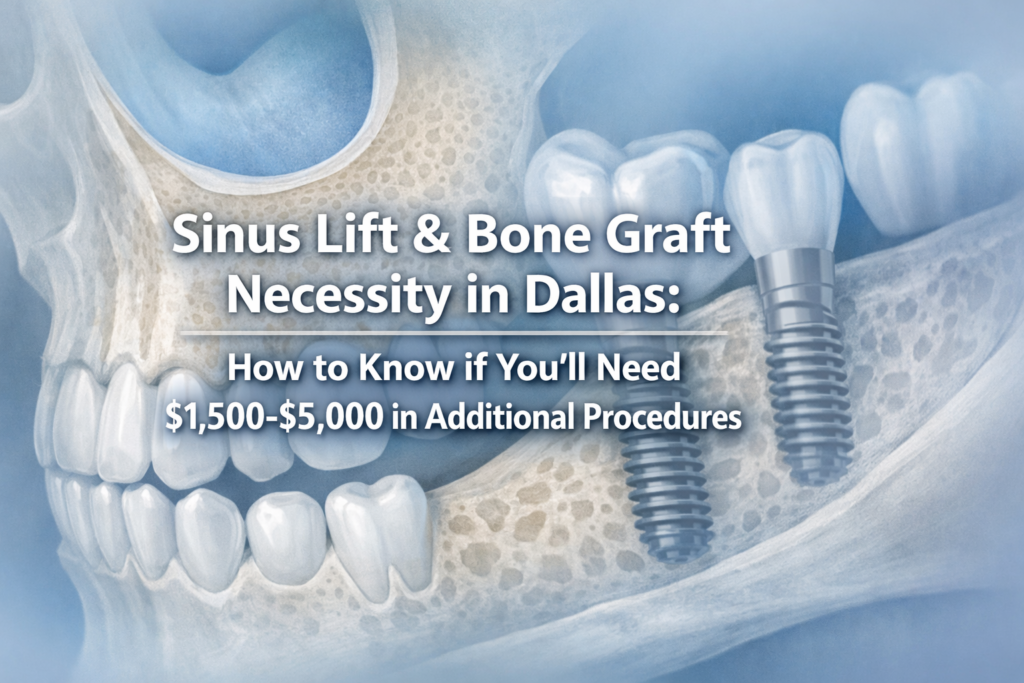
Many Dallas patients pursuing permanent solutions for missing teeth are surprised mid-treatment when their dentist recommends a sinus lift or bone graft. These vital preliminary procedures are often essential for the long-term success of dental implants, but they also represent additional costs and healing time. Understanding the Sinus Lift & Bone Graft Necessity in Dallas: How to Know if You’ll Need $1,500-$5,000 in Additional Procedures is key to a well-informed treatment journey.
At Dental Implant Education – Dallas TX, we believe in empowering our patients with clear, concise, and medically responsible information. This comprehensive guide aims to demystify these procedures, explaining why they might be needed, how their necessity is determined, and what to expect regarding costs, which can typically range from $1,500 to $5,000 per procedure in the Dallas area in 2026. Our goal is to help you navigate your options for dental implants in Dallas with confidence and a full understanding of the process.
Key Takeaways
- Bone Density is Crucial: Successful dental implants require sufficient bone volume and density in the jaw. Bone loss, often due to missing teeth or periodontal disease, can prevent implant placement.
- Sinus Lifts for Upper Jaw: A sinus lift is typically needed for dental implants in the upper back jaw when the maxillary sinus is too close to the jawbone, lacking adequate bone height.
- Bone Grafts for All Areas: Bone grafting adds volume and density to areas of the jawbone that have atrophied, preparing them to securely hold dental implants.
- Pre-treatment Assessment is Key: A thorough examination, including 3D imaging (CBCT scans), by a qualified dental professional in Dallas is the only way to accurately determine if a sinus lift or bone graft is necessary.
- Additional Costs & Time: These procedures add to the overall implant cost in Dallas, typically ranging from $1,500 to $5,000 each, and require several months of healing before implants can be placed.
Understanding Sinus Lift and Bone Graft Procedures
When considering tooth replacement options like dental implants, it’s common to focus on the implant itself. However, the foundation for these implants – your jawbone – is just as critical. Many patients in Dallas find that their jawbone isn’t quite ready to support an implant without some preliminary work. This is where procedures like sinus lifts and bone grafts come into play.
What is a Sinus Lift?
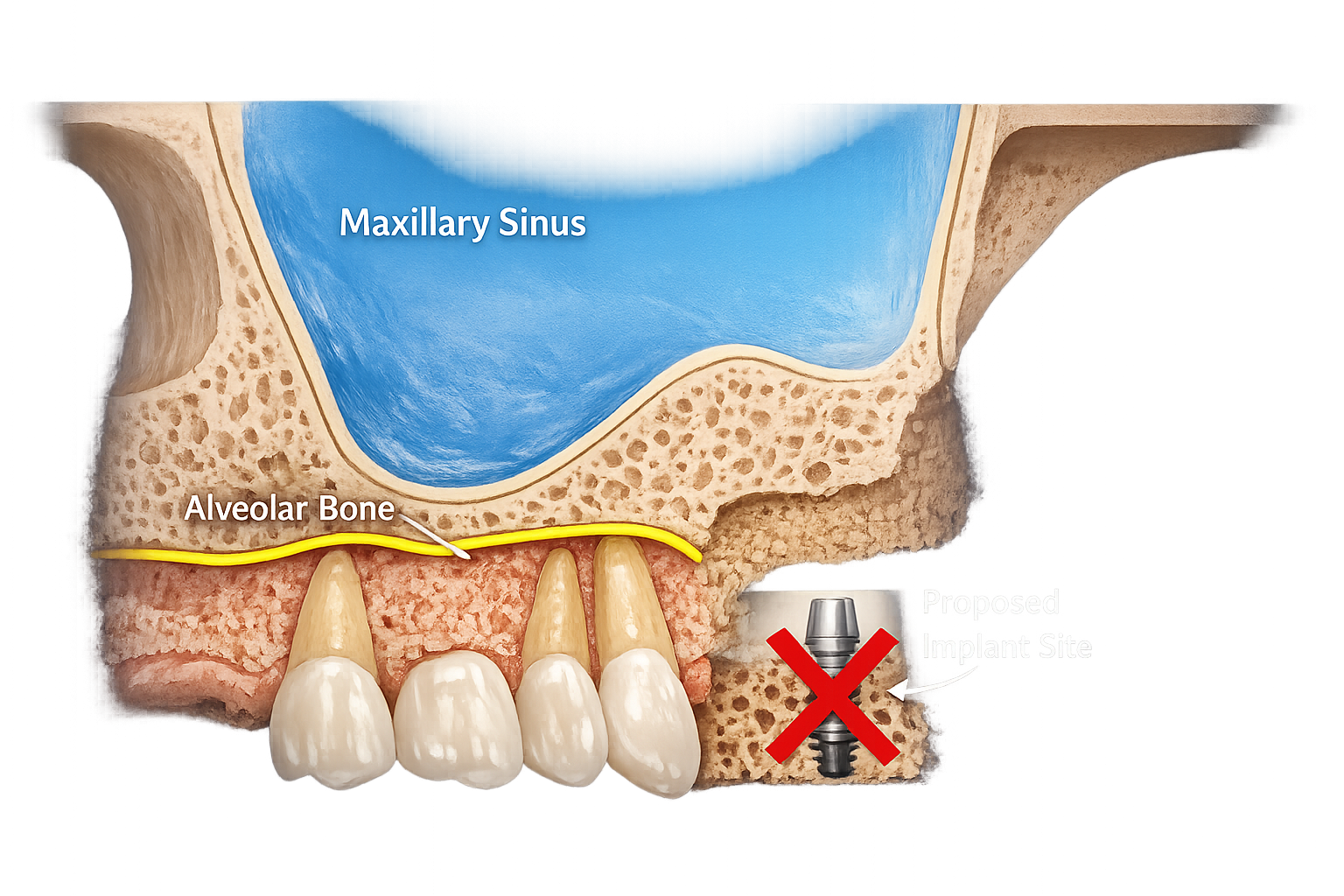
A sinus lift, also known as a sinus augmentation, is a surgical procedure performed when there isn’t enough bone in the upper jaw, particularly in the back, to support dental implants. Above your upper back teeth are your maxillary sinuses, which are air-filled cavities. When upper back teeth are lost, especially for a prolonged period, the bone underneath the sinus often shrinks, and the sinus floor can expand downward. This leaves insufficient bone height between the top of the jawbone and the sinus cavity for an implant to be safely placed.
During a sinus lift, a highly trained dental surgeon gently lifts the membrane lining the sinus cavity. The space created between the jawbone and the lifted sinus membrane is then filled with bone graft material. Over several months, this material integrates with your natural bone, creating a solid foundation for future dental implants.
Types of Sinus Lifts:
- Lateral Window Sinus Lift (Open Sinus Lift): This is the most common approach for significant bone augmentation. A small window is created in the bone on the side of the upper jaw, and the sinus membrane is lifted through this opening.
- Crestal Sinus Lift (Internal Sinus Lift): This method is used when only a small amount of bone augmentation is needed. The bone is accessed through the same hole that will eventually hold the dental implant.
What is a Bone Graft?
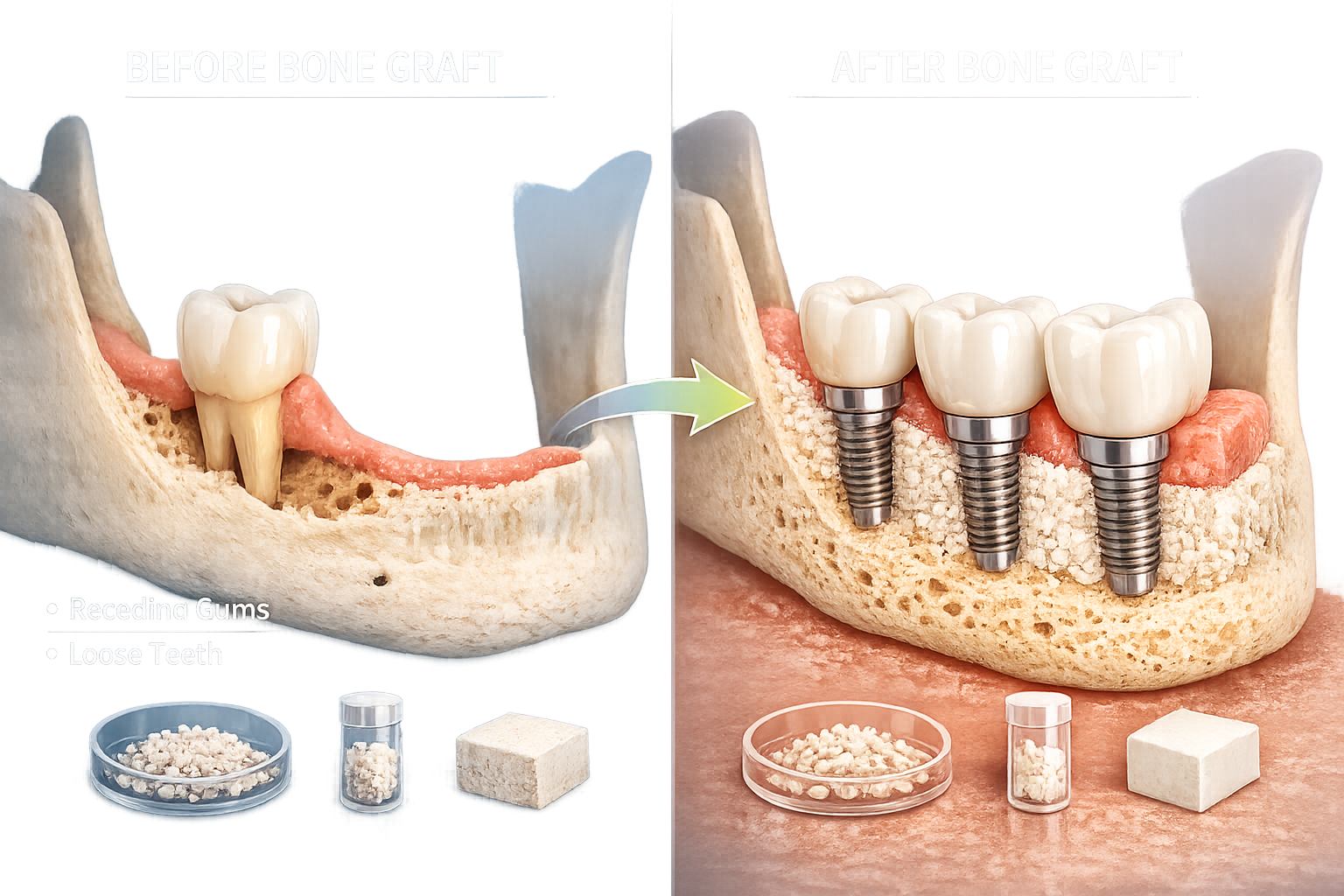
A bone graft is a surgical procedure used to add volume and density to an area of the jawbone that has deteriorated or is naturally thin. The purpose of a bone graft is to regenerate lost bone, providing a stable and strong base for dental implants or to preserve the jawbone after tooth extraction.
Why is bone grafting necessary?
When a tooth is lost, the jawbone in that area no longer receives the stimulation it needs from chewing. This lack of stimulation leads to a process called bone resorption, where the bone tissue gradually shrinks and deteriorates. Over time, this bone loss can become significant, making it impossible to place a dental implant without additional bone. Bone grafts restore the necessary bone volume, ensuring the dental implant procedure can be successfully completed and providing long-term oral health benefits.
Types of Bone Graft Materials:
- Autograft: Bone taken from your own body (e.g., chin, hip, tibia). This is often considered the “gold standard” because it contains living bone cells and growth factors, leading to excellent integration.
- Allograft: Bone material sourced from a human donor, processed to ensure safety and sterility.
- Xenograft: Bone material derived from an animal source, typically bovine (cow) or porcine (pig), also processed for safety.
- Alloplast: Synthetic bone graft materials, often made from biocompatible minerals like calcium phosphate.
The choice of bone graft material depends on the extent of bone loss, the location, and the individual patient’s health and preferences. Your dental implant specialist in Dallas will discuss the most suitable option for your specific case. For more details on healing after this procedure, explore our guide on Bone Graft Healing for Dental Implants: Your 2026 Timeline.
Sinus Lift & Bone Graft Necessity in Dallas: How to Determine If You’ll Need These Procedures
Determining the Sinus Lift & Bone Graft Necessity in Dallas: How to Know if You’ll Need $1,500-$5,000 in Additional Procedures is a critical step in the dental implant process. It’s not something you can self-diagnose; rather, it requires a thorough evaluation by a qualified dental professional.
When are These Procedures Necessary?
These procedures become necessary when there isn’t enough healthy, dense bone to securely hold a dental implant. Implants need to be firmly anchored in bone to withstand the forces of chewing and to prevent failure.
Factors Leading to Insufficient Bone:
- Long-Term Missing Teeth: When a tooth is extracted, the jawbone in that area no longer receives stimulation. Without this stimulation, the bone naturally begins to resorb or shrink. The longer a tooth has been missing, the more significant the bone loss is likely to be.
- Periodontal (Gum) Disease: Advanced gum disease can destroy the bone supporting the teeth. Even if the tooth is saved, the remaining bone might be too compromised for an implant.
- Trauma or Injury: Accidents that result in tooth loss or damage to the jawbone can lead to bone deficiencies.
- Developmental Defects: In some rare cases, individuals may naturally have insufficient bone volume.
- Anatomical Factors (Upper Jaw): Specifically for the upper jaw, the maxillary sinuses can expand over time into the space where bone used to be, reducing the available bone height for implants. This is the primary reason for a sinus lift.
- Infections: Infections around the roots of teeth or existing implants can lead to localized bone destruction.
Signs that may indicate bone loss (but require professional confirmation):
- Receding gums: While not always bone loss, severe recession can be a sign.
- Loose or shifting teeth: A clear indicator of compromised bone support.
- Changes in facial structure: Severe bone loss, especially in the front of the jaw, can lead to a ” sunken” appearance over time.
- Difficulty with dentures: If dentures no longer fit well, it could be due to jawbone shrinkage.
It’s important to remember that these are general observations. The definitive diagnosis comes from a dental professional.
The Diagnostic Process in Dallas
A comprehensive diagnostic process is essential to determine your suitability for dental implants and whether preliminary procedures like sinus lifts or bone grafts are needed.
Initial Consultation and Oral Examination: Your journey begins with a detailed consultation with a dental implant specialist in Dallas. They will review your medical and dental history and perform a thorough oral examination. This initial assessment helps identify potential issues and discuss your overall oral health.
Advanced Imaging: The CBCT Scan: The most crucial diagnostic tool for assessing bone quality and quantity is a Cone Beam Computed Tomography (CBCT) scan. Unlike traditional 2D X-rays, a CBCT scan provides detailed, three-dimensional images of your jawbone, teeth, nerves, and sinus cavities.
What a CBCT Scan Reveals:
- Bone Height and Width: Precisely measures the available bone, indicating if there’s enough room for an implant without encroaching on sensitive structures.
- Bone Density: Assesses the quality and strength of the bone, which is vital for implant integration.
- Location of Nerves and Sinuses: Maps the exact position of the mandibular nerve (in the lower jaw) and the maxillary sinuses (in the upper jaw), helping the surgeon plan the implant placement to avoid these critical areas.
- Pathology: Can detect any hidden infections, cysts, or other abnormalities that might affect treatment.
Your Dallas dentist or oral surgeon will analyze these 3D images to create a precise surgical plan. This detailed imaging allows them to accurately determine:
- Whether a sinus lift is required for upper back implants due to low sinus floor.
- Whether bone grafting is needed in any area due to insufficient bone height or width.
- The optimal size and position for your dental implants.
Treatment Planning and Discussion: Based on the CBCT scan and your oral examination, your dentist will present a comprehensive treatment plan. This plan will clearly outline:
- The necessity of any preliminary procedures (sinus lift, bone graft).
- The specific type of procedure recommended.
- The timeline for treatment, including healing periods.
- The estimated costs for all stages of your dental implant journey.
This is your opportunity to ask questions and ensure you fully understand the recommendations. Encouraging informed decision-making and professional consultation is a cornerstone of our patient-first approach. For a broader understanding of overall implant costs, see our article on Factors Affecting Implant Cost in Dallas | Complete Pricing Guide.
Sinus Lift & Bone Graft Necessity in Dallas: Cost Expectations ($1,500-$5,000) and What Affects Pricing
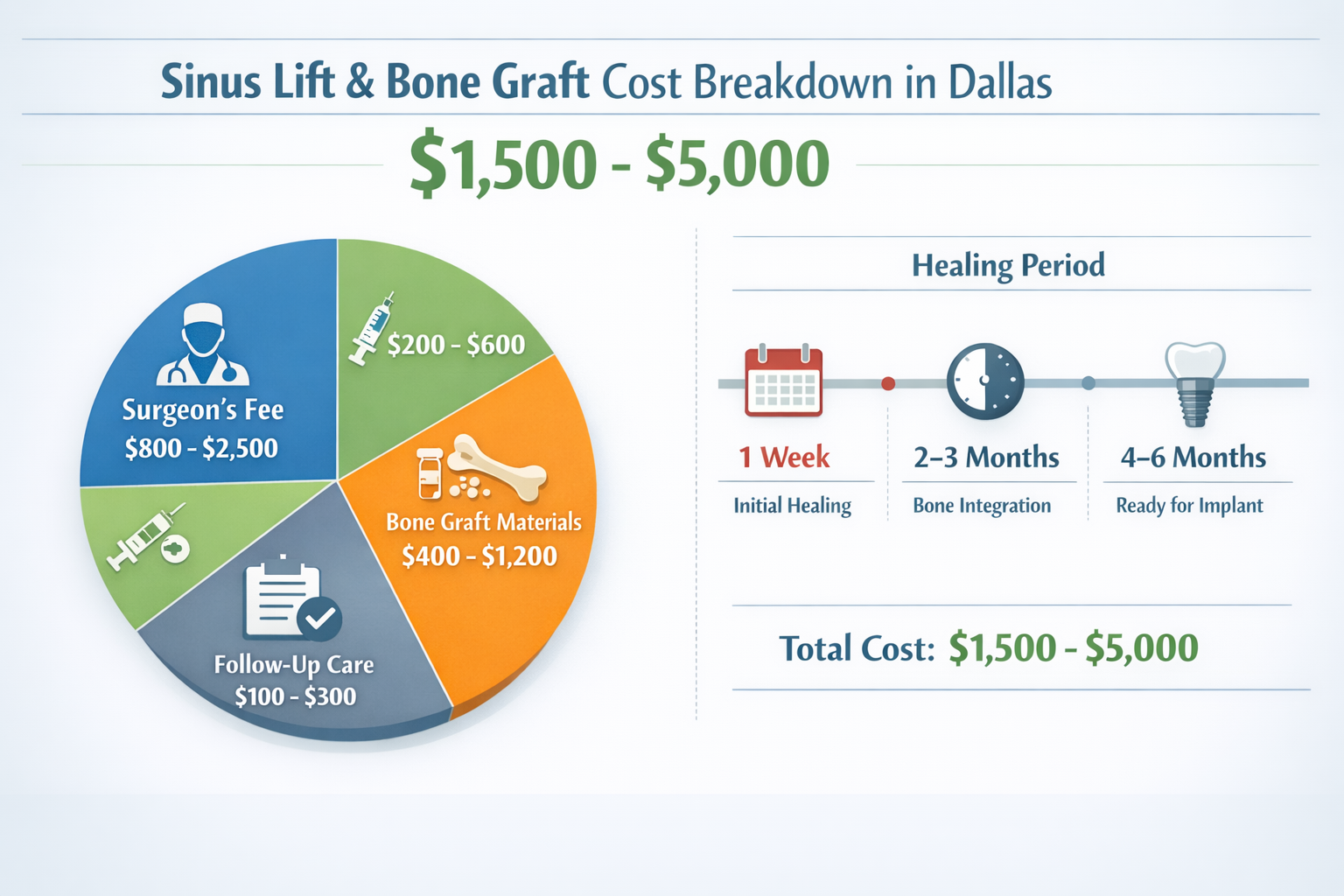
Understanding the financial aspect of preliminary procedures like sinus lifts and bone grafts is a significant concern for many patients considering dental implants in Dallas. While these procedures are crucial for the success and longevity of your dental implants, they do represent an additional investment. The typical range for these procedures in Dallas in 2026 can be anywhere from $1,500 to $5,000 per procedure, depending on several influencing factors.
Breakdown of Cost Factors
The cost of a sinus lift or bone graft isn’t fixed; it varies based on the complexity and scope of the procedure. Here’s what contributes to the overall price:
Type and Extent of the Procedure:
- Sinus Lift: A crestal (internal) sinus lift, which is less invasive and addresses minor bone deficiencies, typically falls on the lower end of the cost spectrum. A lateral window (external) sinus lift, which is more complex and involves a larger area, will generally be more expensive.
- Bone Graft: The amount of bone graft material needed and the surgical complexity play a significant role. A small graft to preserve an extraction site (socket preservation) will be less costly than a large block graft to reconstruct a severely deficient jawbone.
Type of Bone Graft Material:
- Autograft (your own bone): While it avoids the cost of purchasing donor material, it involves a second surgical site for bone harvesting, which adds to the surgical time, anesthesia, and recovery, thus increasing the overall cost.
- Allograft, Xenograft, Alloplast (donor or synthetic): These materials are purchased, and their cost varies based on the type, brand, and quantity required.
Anesthesia Used:
- Local anesthesia is usually included. However, if you require or prefer sedation dentistry (such as oral sedation, IV sedation, or general anesthesia) for comfort during the procedure, this will add to the total cost. The fees for an anesthesiologist, if one is required, are separate from the surgeon’s fee.
Surgeon’s Fees and Expertise:
- The experience and specialization of the dental professional performing the procedure can influence the cost. Highly experienced oral surgeons or periodontists who specialize in advanced bone regeneration techniques may have higher fees.
- These fees cover the surgeon’s time, skill, and overhead associated with their practice.
Geographic Location (Dallas Market):
- Costs for dental procedures, including sinus lifts and bone grafts, can vary by region. Dallas, as a major metropolitan area, will have pricing influenced by local economic factors, practice overheads, and the prevailing rates for specialized dental services.
Pre- and Post-Operative Care:
- This includes the initial consultation, diagnostic imaging (like the CBCT scan), necessary prescriptions (antibiotics, pain relievers), and follow-up appointments to monitor healing. While some of these might be bundled, it’s essential to clarify what’s included.
What to Expect Regarding Payment and Insurance
It’s important to have a clear discussion about costs and payment options during your consultation.
- Insurance Coverage: Dental insurance coverage for sinus lifts and bone grafts can vary significantly. Many policies consider these procedures “medically necessary” when they are prerequisites for dental implants, which themselves may have limited coverage. It is vital to contact your insurance provider directly to understand your specific benefits, deductibles, and annual maximums. Your dental office in Dallas can often help you submit pre-authorization requests to get a more accurate estimate of coverage.
- Payment Plans and Financing: Most dental practices in Dallas understand that these procedures are a significant investment and offer various payment solutions. These may include in-house payment plans, third-party financing options (like CareCredit), or accepting major credit cards. Don’t hesitate to discuss these options with the administrative staff.
- Itemized Quotes: Always request a detailed, itemized treatment plan and cost estimate upfront. This document should clearly list all anticipated fees for the sinus lift, bone graft, anesthesia, and any associated appointments. This transparency helps you plan your finances without surprises.
“Transparency in pricing is a fundamental aspect of patient-first care. Always request a detailed, itemized quote for any recommended procedure, especially when significant investments like dental implants are involved.”
For a deeper dive into the overall expenses, check out our article on Dental Implants Dallas TX: Costs, Procedure & Top Specialists 2025. Understanding the financial aspects of your implant surgery process is crucial for long-term oral health and peace of mind.
What Happens After the Sinus Lift or Bone Graft?
The journey doesn’t end once the sinus lift or bone graft procedure is complete. These procedures are preparatory steps, meaning there’s a crucial healing period that must occur before dental implants can be placed.
Healing and Integration
The primary goal of a sinus lift or bone graft is to create new, healthy bone. This process takes time, as your body needs to integrate the graft material and grow new bone cells around it.
- Healing Timeframe: The typical healing period for a sinus lift or a significant bone graft can range from 4 to 9 months, or sometimes even longer in complex cases. The exact duration depends on the individual’s healing capacity, the size and type of the graft, and the specific site of the procedure. During this time, the graft material acts as a scaffold, encouraging your body’s natural bone cells to migrate into the area and form new, strong bone.
- Monitoring Progress: Your dental specialist will schedule follow-up appointments and may take X-rays or even another CBCT scan to monitor the healing process and confirm that sufficient, dense bone has regenerated. Only when the bone is deemed adequately healed and strong can the next phase – the actual placement of the dental implant – proceed.
- Post-Operative Care: Following your procedure, you will receive detailed instructions for post-operative care. This typically includes guidelines for pain management, diet, oral hygiene, and activity restrictions. Adhering to these instructions is vital for successful healing and to minimize complications. You may experience some swelling, bruising, and discomfort, which are normal parts of the recovery process.
The Next Steps: Dental Implant Placement
Once the healing period is complete and your Dallas dental professional confirms that enough bone has formed, you can proceed with the dental implant surgery.
- Implant Placement: The dental implant, a small titanium post, is surgically placed into the newly formed, robust bone. This is generally a less involved procedure than the initial bone graft or sinus lift, especially if the bone is well-prepared.
- Osseointegration: After the implant is placed, another healing period begins, typically lasting 3 to 6 months. During this phase, the implant fuses directly with the surrounding jawbone in a process called osseointegration. This creates the incredibly strong and stable foundation that makes dental implants so successful.
- Abutment and Crown Placement: Once osseointegration is complete, an abutment (a small connector piece) is attached to the implant. Finally, a custom-made crown, bridge, or denture is secured to the abutment, completing your tooth replacement.
Understanding this staged approach is essential for patients considering dental implants in Dallas. While preliminary procedures like sinus lifts and bone grafts add time and cost, they are investments in the long-term success and stability of your new smile. Without a proper foundation, even the best dental implants cannot provide the desired outcomes. Patient safety and long-term oral health are always the top priorities in this process.
Conclusion
Navigating the journey to restore your smile with dental implants can sometimes involve unexpected but crucial preliminary procedures like sinus lifts and bone grafts. For many individuals in Dallas, understanding the Sinus Lift & Bone Graft Necessity in Dallas: How to Know if You’ll Need $1,500-$5,000 in Additional Procedures is a vital part of planning their treatment and managing expectations.
We’ve explored why these procedures are essential: to ensure your jawbone has the necessary volume and density to securely support dental implants, preventing potential failure and ensuring long-term oral health. We’ve detailed how a thorough diagnostic process, particularly using advanced 3D imaging like CBCT scans, allows your dental professional to accurately assess your bone structure and determine if these additional steps are needed. Furthermore, we’ve shed light on the cost implications, noting that these procedures can add an estimated $1,500-$5,000 per procedure to your overall dental implant cost in Dallas in 2026, depending on various factors.
At Dental Implant Education – Dallas TX, our commitment is to provide you with clear, unbiased, and comprehensive information. We emphasize a patient-first approach, ensuring you are well-informed at every stage of your dental implant procedure. While the prospect of additional procedures and costs might seem daunting, remember that a strong foundation is paramount for the success and longevity of your dental implants.
Actionable Next Steps
If you are considering dental implants to address missing teeth solutions, here are your next steps:
- Schedule a Comprehensive Consultation: The most crucial step is to consult with a qualified and experienced dental implant specialist in Dallas. During this initial visit, they will conduct a thorough examination and discuss your specific needs and concerns.
- Undergo Advanced Imaging: Be prepared for a CBCT scan. This 3D imaging is indispensable for accurately assessing your bone health and determining the necessity of a sinus lift or bone graft.
- Discuss Your Treatment Plan: Ensure your chosen specialist provides a detailed treatment plan, clearly outlining all recommended procedures, the associated timelines, and a transparent, itemized cost estimate. Don’t hesitate to ask questions about every aspect of your treatment.
- Inquire About Financing: Discuss insurance coverage and available payment options to understand the financial commitment and make an informed decision.
Making an informed decision about your oral health is empowering. By understanding the potential need for sinus lifts and bone grafts upfront, you can approach your dental implant journey in Dallas with confidence and clarity, leading to a successful and lasting smile.