
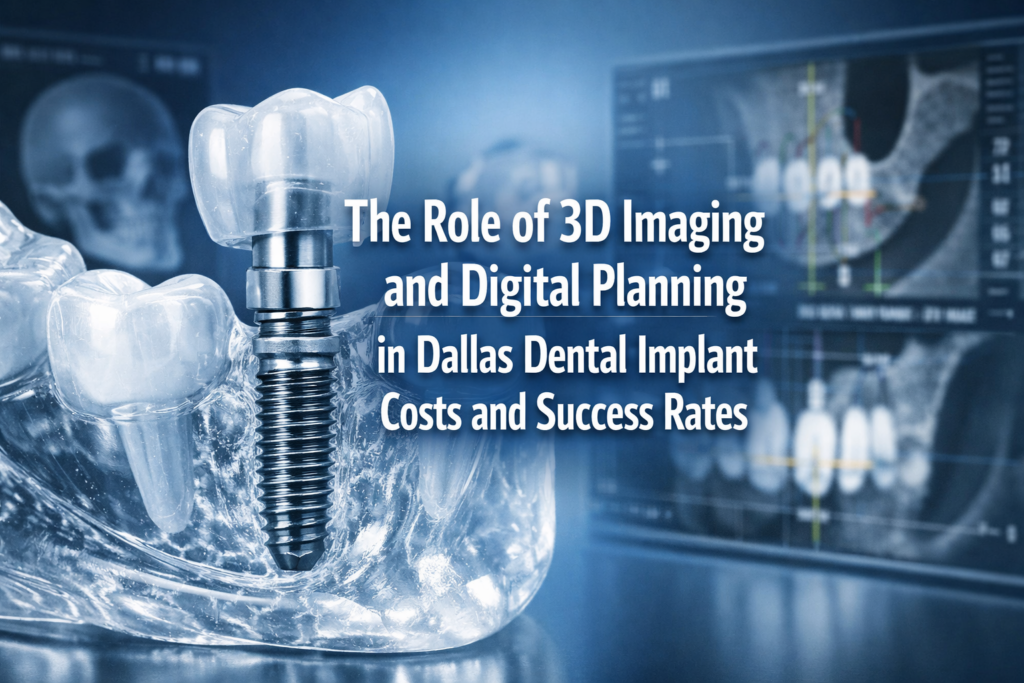
For individuals in Dallas considering dental implants as a solution for missing teeth, understanding the underlying technology that contributes to the procedure’s success and cost is crucial. In 2026, modern dentistry leverages advanced tools like 3D imaging and digital planning to revolutionize the dental implant procedure. This article will investigate how these cutting-edge technologies are influencing both the cost and success rates of dental implant procedures in Dallas, highlighting the immense value of modern dentistry for patient safety and long-term oral health.
Dental implants represent a significant investment in restoring function and aesthetics, making informed decision-making essential. The integration of 3D imaging and digital planning has become a cornerstone of contemporary implantology, offering unparalleled precision and predictability.
Key Takeaways
- Enhanced Precision: 3D imaging (CBCT) provides comprehensive anatomical details, allowing for highly accurate implant placement and avoiding critical structures.
- Improved Success Rates: Digital planning minimizes human error and reduces complications, contributing to higher long-term success rates for dental implants in Dallas.
- Predictable Outcomes: Patients benefit from a clearer understanding of the procedure and more predictable results, leading to greater satisfaction.
- Cost Considerations: While initial costs might be slightly higher due to technology, reduced complications and increased longevity can lead to significant long-term savings.
- Patient Safety: Detailed pre-surgical planning ensures optimal placement, enhancing patient safety throughout the implant surgery process.
Understanding 3D Imaging: The Foundation of Precision Dental Implant Planning
The journey to a successful dental implant begins with a thorough understanding of the patient’s oral anatomy. Traditional X-rays offer limited two-dimensional views, which can sometimes leave critical details hidden. This is where 3D imaging, primarily through Cone Beam Computed Tomography (CBCT) scans, makes a significant difference.
CBCT technology provides a detailed, three-dimensional view of the jawbone, nerves, sinuses, and surrounding structures. Unlike conventional CT scans, CBCT uses a lower radiation dose, making it a safer option for dental applications. For anyone considering dental implants in Dallas, a CBCT scan is an invaluable diagnostic tool.
What 3D Imaging Reveals
- Bone Density and Quality: Crucial for determining if the jawbone can adequately support an implant. This insight helps dentists identify if a bone graft might be necessary. Learn more about Bone Graft Costs for Dental Implants in Dallas.
- Nerve Pathways: Precise mapping of nerve locations helps prevent injury during implant surgery, enhancing patient safety.
- Sinus Cavity Location: Essential for planning upper jaw implants to avoid sinus penetration, a common concern in traditional methods.
- Available Bone Volume: Allows for optimal implant size and position selection, ensuring stability and longevity.
- Existing Teeth and Roots: Provides a clear picture of adjacent teeth, preventing damage and aiding in restoration planning.
By providing such comprehensive data, 3D imaging transforms the diagnostic phase, moving it from educated guesswork to precise, data-driven planning. This fundamental shift significantly impacts both the safety and potential success of the dental implant procedure.
Digital Planning: Charting the Course for Optimal Implant Placement
Once the detailed 3D images are acquired, the next step involves digital planning. This stage utilizes specialized software to virtually perform the implant surgery before any incisions are made. This process is where the true power of “The Role of 3D Imaging and Digital Planning in Dallas Dental Implant Costs and Success Rates” becomes evident.
Dentists can manipulate the 3D models on screen, precisely determining the ideal depth, angle, and position for each dental implant. This digital blueprint then serves as the foundation for creating a surgical guide.
The Digital Planning Process
- Virtual Implant Placement: The dental professional digitally places implants into the 3D model, optimizing their position based on bone availability, proximity to nerves/sinuses, and future prosthetic needs.
- Prosthetic-Driven Planning: The planned implant position is integrated with the design of the final restoration (crown, bridge, or denture) to ensure aesthetic and functional success. This ensures the implant supports the tooth replacement effectively.
- Surgical Guide Fabrication: A custom surgical guide, often 3D-printed, is created based on the digital plan. This guide fits over the patient’s existing teeth or gum line and has exact sleeves that direct the drill during surgery.
- Minimally Invasive Surgery: The use of a surgical guide allows for highly precise, often flapless, implant placement. This can mean less swelling, reduced post-operative pain, and faster healing times for patients.
This meticulous planning minimizes the risk of complications, making the implant surgery process more efficient and predictable. For those seeking 3D Guided Dental Implants Dallas 2026: Precision Benefits, Cost Premium, Accuracy Rates, the value lies in this heightened level of control and foresight.
The Impact on Dental Implant Costs and Success Rates in Dallas
The integration of 3D imaging and digital planning significantly influences both the financial aspect and the long-term viability of dental implants. While these advanced technologies may initially appear to add to the overall implant cost in Dallas, their contribution to higher success rates and reduced complications can translate into substantial savings over time.
How Digital Technologies Affect Costs
- Initial Investment: The equipment for 3D imaging and sophisticated planning software represents a significant investment for dental practices. This can contribute to a slightly higher upfront cost for procedures utilizing these technologies.
- Reduced Need for Ancillary Procedures: By providing precise information, 3D planning can sometimes help avoid or simplify complex ancillary procedures like extensive bone grafting or sinus lifts, if early intervention is planned, thereby managing overall expenses.
- Fewer Complications & Re-treatments: The precision offered by guided surgery drastically reduces the likelihood of implant failure, nerve damage, or other complications that would require costly corrective procedures down the line. This long-term value helps mitigate the initial expense.
- Efficiency: Streamlined planning and a more predictable surgical process can reduce chair time and the overall number of appointments, which can indirectly impact cost.
Enhancing Dental Implant Success Rates
The correlation between advanced planning and success is strong. According to studies by entities like the Journal of Oral & Maxillofacial Surgery, computer-guided implant placement has shown significantly higher accuracy and lower complication rates compared to freehand techniques (Al-Nawas et al., 2012).
Here’s how these technologies boost success:
- Optimal Osseointegration: Precise placement into adequate bone volume promotes better osseointegration – the crucial fusion of the implant with the jawbone.
- Reduced Surgical Trauma: Guided surgery often allows for smaller incisions and less invasive techniques, leading to faster healing and reduced risk of infection.
- Prevention of Critical Structure Damage: Exact mapping of nerves and sinuses virtually eliminates the risk of damage during drilling, safeguarding patient health and implant longevity.
- Improved Long-Term Stability: Implants placed in ideal positions are subjected to more favorable bite forces, reducing the risk of implant overload and ensuring greater long-term stability. This is a critical factor for the longevity of your missing teeth solutions.
The investment in advanced technology ultimately serves the patient by delivering more predictable, safer, and longer-lasting results. When considering implant success rates in Dallas, the presence of 3D imaging and digital planning should be a key factor in your decision-making. These technologies provide a robust framework for delivering superior patient care and optimizing outcomes for those seeking to restore their oral health.
Patient-First Approach: Informed Decision-Making in Dallas
At Dental Implant Education – Dallas TX, our brand voice emphasizes a patient-first approach. Understanding “The Role of 3D Imaging and Digital Planning in Dallas Dental Implant Costs and Success Rates” empowers patients to make informed decisions about their dental care. When you consult with a dentist about tooth replacement options, inquire about the technologies they employ.
A reputable dental implant clinic in Dallas will readily explain their diagnostic and planning processes. Choosing a provider that utilizes 3D imaging and digital planning demonstrates a commitment to precision, patient safety, and optimal outcomes. While some patients may initially focus on the cheapest dental implants Dallas, it is important to weigh the potential long-term benefits of advanced technology against upfront costs. Investing in a procedure with a higher success rate can ultimately save money and provide greater peace of mind. For a deeper dive into the technologies and expertise of various providers, consider exploring resources like our guide to Top Dallas Dental Implant Clinics 2026: Reviews, Success Rates, Cost Comparisons.
Conclusion
The evolution of dental implantology in 2026 is profoundly shaped by the integration of 3D imaging and digital planning. For patients in Dallas, these technologies are not merely advancements but essential components that contribute to safer, more predictable, and ultimately more successful dental implant procedures. While they represent an investment, the value they add in terms of precision, reduced complications, and enhanced long-term oral health is undeniable.
Choosing a dental professional who embraces these modern techniques is a crucial step towards ensuring the best possible outcome for your dental implants. Always prioritize a thorough consultation with a dentist, ask about their diagnostic and planning methods, and seek clear explanations regarding the entire dental implant procedure, including how technology impacts both cost and success. Your journey to restored oral health and a confident smile in Dallas deserves the highest standard of care that modern dentistry can offer.
References
Al-Nawas, B., et al. (2012). “Systematic review of the clinical effectiveness of computer-guided implant placement versus conventional freehand placement.” Journal of Oral & Maxillofacial Surgery, 70(Supplement 1), S48-S59.