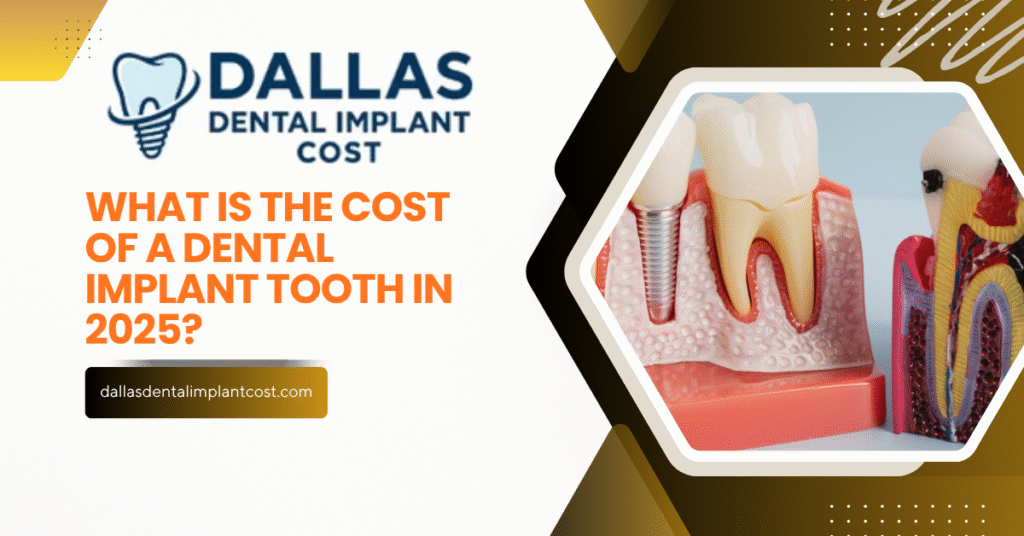
Losing a tooth can be a challenging experience, impacting not just your smile but also your confidence, ability to eat, and overall oral health. For many, dental implants have emerged as the gold standard solution, offering a durable, natural-looking, and highly functional replacement. But as you start exploring this option, one of the first questions that likely comes to mind is: “What is the cost of an implant tooth?” 🤔
I understand that navigating the world of dental procedures and their associated costs can feel overwhelming. It’s not a simple, one-size-fits-all answer, and the price tag can vary significantly based on numerous factors. My goal with this comprehensive guide is to demystify the cost of a single dental implant in 2025, breaking down every component so you can make an informed decision about your oral health investment.
Read Also:-Unmasking the Night: Why Do People Wear Mouth Tape for Better Sleep and Health in 2025?
What is the Cost of a Dental Implant Tooth in 2025?
Key Takeaways
- Average Cost Range: A single dental implant can cost anywhere from $3,000 to $6,000 or more in 2025, but this often excludes critical additional procedures like extractions or bone grafts.
- Multiple Cost Factors: The total price is influenced by the implant type, surgical fees, abutment and crown materials, the dentist’s experience, geographic location, and necessary preparatory procedures.
- Ancillary Procedures are Common: Many patients require additional treatments like bone grafting or sinus lifts, which can add hundreds to thousands of dollars to the overall cost.
- Long-Term Investment: While the upfront cost may seem high, dental implants offer exceptional longevity and prevent further oral health issues, often making them a more cost-effective solution over time compared to alternatives.
- Financing Options Exist: Dental insurance typically covers only a portion, but various financing plans, HSAs/FSAs, and dental schools can help manage the expense.
What Exactly is a Dental Implant? The Foundation of Your Smile 🦷
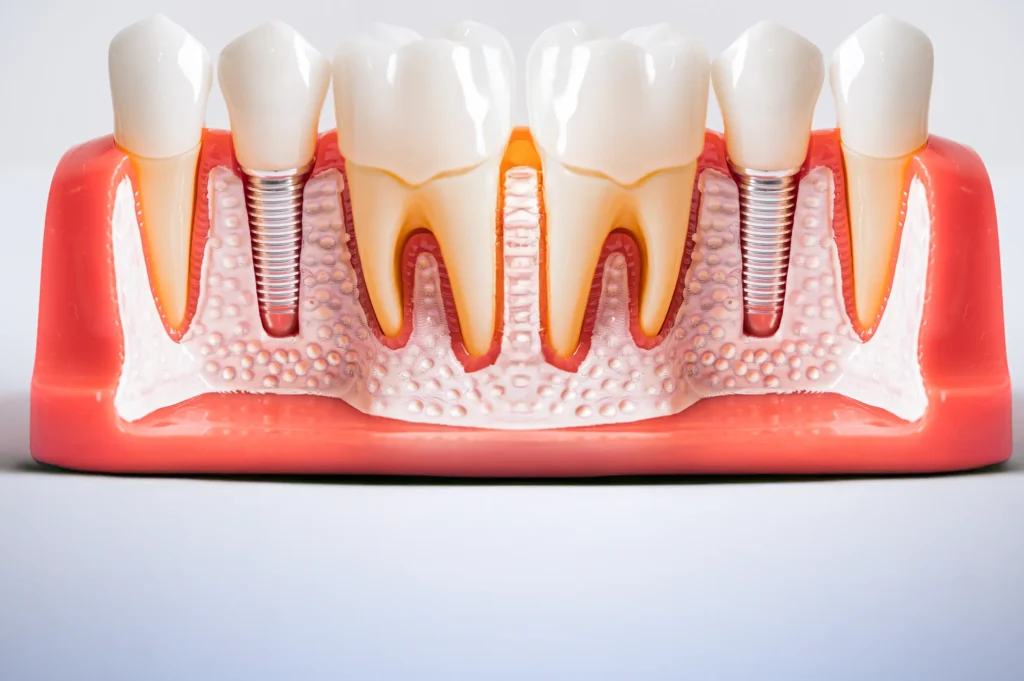
Before we dive into the numbers, let’s quickly clarify what a dental implant actually is. A dental implant is essentially a sophisticated replacement for a missing tooth’s root. It’s a small, screw-shaped post, typically made of biocompatible titanium (or sometimes zirconia), that is surgically placed into your jawbone. Over several months, this post fuses with the bone in a process called osseointegration, creating a strong and stable foundation.
Once the implant has healed and integrated, a small connector piece called an abutment is attached to it. Finally, a custom-made dental crown (the visible part of the tooth) is placed on top of the abutment, completing your new, functional, and natural-looking tooth.
Why Are Dental Implants So Popular?
Dental implants have become the preferred choice for tooth replacement for several compelling reasons:
- Natural Look and Feel: They look, feel, and function just like your natural teeth.
- Durability and Longevity: With proper care, implants can last a lifetime.
- Preservation of Bone: They stimulate the jawbone, preventing the bone loss that often occurs after tooth extraction.
- No Impact on Adjacent Teeth: Unlike dental bridges, implants don’t require altering healthy neighboring teeth.
- Improved Oral Health: Easier to clean than bridges, reducing the risk of gum disease and cavities.
The Big Question: What is the Cost of a Single Dental Implant in 2025?
Let’s get straight to the point. When you ask “what is the cost of an implant tooth,” you’re looking at a broad range. In 2025, the cost for a single dental implant, including the implant post, abutment, and crown, can typically range from $3,000 to $6,000 per tooth. However, it’s crucial to understand that this figure often does not include preparatory procedures that many patients need.
“Think of a dental implant as an investment in your oral health and overall well-being. The initial cost can be significant, but the long-term benefits often outweigh the alternatives.”
This initial estimate is just the starting point. To truly understand the full financial commitment, we need to break down all the potential components that contribute to the final price tag.
Deconstructing the Cost: What Influences the Price Tag? 🧐
The overall cost of a dental implant is a complex puzzle with many pieces. Here, I’ll walk you through the primary factors that influence the final price you’ll pay.
1. The Implant Component Itself
The actual implant post is a significant part of the cost.
- Type of Implant:
- Standard Implants: These are the most common and what we’re generally discussing.
- Mini Implants: Smaller, less invasive, and generally cheaper (often used for denture stabilization), but not suitable for all single-tooth replacements.
- Zygomatic Implants: Much longer implants anchored in the cheekbone, used for severe bone loss in the upper jaw. These are highly specialized and far more expensive.
- Material:
- Titanium: The industry standard due to its strength, biocompatibility, and proven success rate. Most implants are titanium.
- Zirconia: A ceramic alternative for patients with metal sensitivities or those who prefer a metal-free option. Zirconia implants can sometimes be slightly more expensive due to specialized manufacturing.
- Brand/Manufacturer: Just like cars, there are premium implant brands (e.g., Nobel Biocare, Straumann, Dentsply Sirona) and more budget-friendly options. Premium brands often have extensive research, long-term data, and specific design features that can command a higher price.
2. Surgical Procedure Fees
This is where the expertise comes in. The fees associated with the actual surgical placement of the implant are a major cost driver.
- The Dentist/Specialist’s Fee:
- Oral Surgeons and Periodontists: These specialists often perform implant surgeries. Their fees can be higher due to their advanced training, specialized equipment, and extensive experience.
- General Dentists: Some general dentists complete additional training to place implants. Their fees might be slightly lower than specialists, but ensure they have the necessary experience and track record.
- Experience Matters: Highly experienced and reputable practitioners in desirable locations will generally charge more.
- Anesthesia:
- Local Anesthesia: Included in most procedures, numbs the area.
- Sedation:
- Oral Sedation (Pill): Adds a moderate cost.
- IV Sedation (Intravenous): Administered by an anesthesiologist, significantly increases the cost (potentially $500 – $1,500+) due to the specialist’s fee and monitoring.
- General Anesthesia: Rarely used for single implants, but if required, it’s the most expensive option.
- Imaging and Diagnostics:
- X-rays: Standard dental X-rays are typically required.
- 3D CBCT Scans (Cone Beam Computed Tomography): Crucial for detailed planning, showing bone density, nerve pathways, and sinus location. This scan alone can add $200 – $500 to the cost.
- Diagnostic Models: Impressions of your teeth for planning purposes.
- Surgical Guides: Sometimes, a custom 3D-printed guide is used during surgery for precise implant placement, adding to the cost but improving accuracy.
3. Abutment and Crown Costs
Once the implant is integrated, the “tooth” part needs to be fabricated.
- Abutment: The connector piece between the implant and the crown.
- Material: Can be titanium, zirconia, or sometimes gold.
- Custom vs. Stock: A custom abutment is designed specifically for your mouth, providing a more natural emergence profile and better aesthetics, but it costs more than a prefabricated “stock” abutment. Custom abutments are generally preferred.
- Crown Material: The visible part of your new tooth.
- Porcelain-Fused-to-Metal (PFM): A metal base with porcelain layered over it. Durable but can sometimes show a gray line at the gumline.
- All-Ceramic (Zirconia, E-max): Highly aesthetic, strong, and mimic natural tooth translucency. These are often the preferred choice for front teeth and can be more expensive.
- Laboratory Fees: Dental labs custom-fabricate the abutment and crown based on your dentist’s specifications. These fees are included in the overall cost of the crown and abutment and vary based on the lab’s quality and complexity of the work.
4. Ancillary Procedures: Often Necessary, Always Add to Cost 💸
This is where many patients are surprised by additional expenses. It’s rare for a patient to only need the implant, abutment, and crown. Many require preparatory procedures to ensure the implant’s success.
- Tooth Extraction: If the damaged or decayed tooth is still present, it needs to be removed first. A simple extraction can cost $75 – $300, while a surgical extraction (e.g., impacted tooth) can be $150 – $650 or more.
- Bone Grafting: This is extremely common. If you’ve had a missing tooth for a while, or if you have gum disease, your jawbone may not be thick or dense enough to support an implant. Bone grafting involves adding bone material to rebuild the jaw.
- Types of Grafts:
- Socket Preservation: After an extraction, a graft is placed immediately to prevent bone collapse. Cost: $200 – $500.
- Minor Bone Graft: For small defects. Cost: $300 – $800+.
- Major Bone Graft: For significant bone loss, potentially requiring bone from another part of your body (autogenous graft). Cost: $1,000 – $3,000+ per site.
- Material: Autogenous (your own bone), allograft (human donor bone), xenograft (animal bone), alloplast (synthetic). The material chosen affects the cost.
- Types of Grafts:
- Sinus Lift (Sinus Augmentation): If an implant is needed in the upper jaw (maxilla) and there isn’t enough bone height due to the maxillary sinus being too close to the jaw, a sinus lift procedure is performed. This involves lifting the sinus membrane and adding bone graft material. This is a complex procedure and can add $1,500 – $2,500+ per side to the total cost.
- Gum Grafting: If you have receding gums around the implant site, a gum graft might be needed to ensure proper tissue coverage and aesthetics. Cost: $300 – $1,500+.
- Temporary Restorations: While your implant is healing, you might want a temporary solution to fill the gap.
- Flipper: A removable acrylic partial denture. Cost: $200 – $500.
- Essix Retainer with a Tooth: A clear plastic retainer with a prosthetic tooth. Cost: $200 – $400.
- Temporary Crown: A temporary crown can sometimes be placed on the implant if immediate loading is an option, or on an adjacent tooth. Cost: $300 – $600+.
- Healing Abutment: A small cap placed on the implant after initial surgery to help the gum tissue heal correctly and shape around where the final crown will be. This is usually a standard part of the procedure and included in the overall fee, but sometimes listed separately.
5. Post-Procedure Care and Follow-ups
- Medications: Prescriptions for pain relief and antibiotics.
- Follow-up Visits: Several appointments are needed to monitor healing and ensure everything is progressing as planned. These are usually included in the overall surgical fee but confirm with your provider.
Here’s a simplified breakdown of potential costs for a single implant (excluding major grafts):
| Component | Estimated Cost Range (2025) | Notes |
|---|---|---|
| Dental Implant Post | $1,000 – $2,500 | Titanium, brand, type |
| Abutment | $300 – $700 | Custom vs. stock, material |
| Dental Crown | $800 – $2,500 | Material (porcelain, zirconia), lab fees |
| Subtotal (Implant) | $2,100 – $5,700 | This is often the quoted “implant cost” |
| Surgical Placement Fee | $500 – $1,500 | Dentist/specialist’s fee, anesthesia (local) |
| Diagnostics (X-rays, CBCT) | $200 – $500 | Essential for planning |
| Total Basic Implant | $2,800 – $7,700 | This range aligns with the earlier $3k-$6k, plus diagnostic/surgical |
| Common Add-ons: | ||
| Tooth Extraction | $75 – $650 | If needed |
| Bone Graft (minor) | $200 – $800 | Socket preservation or small defect |
| Bone Graft (major) | $1,000 – $3,000+ | Significant bone loss, sinus lift |
| IV Sedation | $500 – $1,500 | If chosen for comfort |
| Temporary Restoration | $200 – $500 | Flipper, Essix, or temporary crown |
As you can see, the final bill can easily climb, especially with necessary preparatory procedures. It’s why getting a detailed, itemized treatment plan is so important!
Understanding the Payment Landscape: Insurance and Financing Options 🤝
Given the significant investment, many people wonder how to make dental implants affordable.
Dental Insurance Coverage
This is often a point of confusion. Most standard dental insurance plans do not fully cover dental implants.
Here’s what you can typically expect in 2025:
- Limited Coverage: Some plans may cover a small percentage (e.g., 10-20%) of the surgical placement.
- Coverage for Components: Your insurance might cover parts of the procedure that they would cover for other treatments, such as:
- Tooth Extraction: Often covered at 50-80%.
- Bone Grafting: Sometimes covered, as it’s considered a necessary part of preparing the jaw.
- The Crown: Often covered at 50% or more, as it’s considered a restorative procedure.
- Maximums: Most plans have an annual maximum (e.g., $1,000 – $2,000), which can quickly be met by implant costs.
- Medical Insurance: In very specific cases, if the tooth loss is due to a severe accident or a medical condition, your medical insurance might cover a portion of the surgical component. It’s rare but worth checking.
My Advice: Always contact your insurance provider directly and ask for a detailed explanation of their implant coverage. Provide them with the ADA codes for the procedures your dentist recommends.
Other Financial Avenues
- Payment Plans through the Clinic: Many dental offices offer in-house payment plans or work with third-party medical financing companies like CareCredit or LendingClub. These allow you to spread the cost over several months or years, often with low or no-interest options for a promotional period.
- Health Savings Accounts (HSAs) & Flexible Spending Accounts (FSAs): If you have an HSA or FSA through your employer, you can use these tax-advantaged accounts to pay for dental implants. This can save you a significant amount as the money is tax-free.
- Dental Discount Plans: These are not insurance but membership programs where you pay an annual fee and get reduced rates on dental services from participating providers. The savings can be substantial, especially for major procedures.
- University Dental Schools: Dental schools often offer treatments at a reduced cost because procedures are performed by students under the supervision of experienced faculty. The trade-off can be longer appointment times and a slower pace.
- Personal Loan: You could consider a personal loan from a bank or credit union, but carefully compare interest rates.
Why is the Investment Worth It? The Long-Term Value of Dental Implants ✨
While the upfront cost of a dental implant might seem daunting, it’s essential to look at it as a long-term investment in your health, comfort, and confidence. When you compare implants to other tooth replacement options, their value truly shines.
- Durability and Longevity: This is perhaps the biggest advantage. With proper oral hygiene and regular dental check-ups, dental implants can last 20 years to a lifetime.
- Contrast: Dental bridges typically last 5-15 years and often require replacement, incurring costs multiple times over your lifetime. Dentures may need relining or replacement every 5-10 years.
- Preservation of Jawbone: When a tooth is lost, the jawbone underneath begins to resorb (shrink) because it’s no longer stimulated. This can lead to a sunken facial appearance and can compromise adjacent teeth. Implants act like natural tooth roots, stimulating the bone and preventing this bone loss. No other tooth replacement option offers this crucial benefit.
- Improved Oral Health: Implants don’t require grinding down adjacent healthy teeth, as bridges do. This preserves the integrity of your natural teeth. They are also easier to clean than bridges, reducing the risk of cavities and gum disease.
- Enhanced Aesthetics and Function: Implants look, feel, and function exactly like natural teeth. You can eat all your favorite foods without worry, speak clearly, and smile with full confidence. There’s no slipping or clicking, as can sometimes happen with dentures.
- Quality of Life: The psychological benefits are immense. Restoring your smile and bite can significantly boost your self-esteem and overall quality of life.
Implants vs. Alternatives: A Quick Comparison
| Feature | Dental Implant | Dental Bridge | Partial Denture |
|---|---|---|---|
| Cost (Single Tooth) | High ($3,000 – $7,000+ in 2025) | Moderate ($2,000 – $5,000 for 3-unit bridge) | Low ($700 – $2,000) |
| Longevity | 20+ years, often lifetime | 5-15 years | 5-10 years |
| Bone Preservation | Yes, prevents bone loss | No, bone loss can continue | No, bone loss can continue |
| Impact on Adjacent Teeth | None | Requires grinding down healthy adjacent teeth | Clasps may put stress on adjacent teeth |
| Comfort/Feel | Most natural, like own tooth | Good, but not as natural as implant | Can feel bulky, may shift or click |
| Cleaning | Easy, like natural teeth | More difficult, requires special tools | Must be removed daily for cleaning |
| Food Restrictions | None | Few, but caution with very hard/sticky foods | Many, can be difficult to chew certain foods |
When you consider the long-term benefits and the potential for avoiding future dental problems, the investment in a dental implant often makes financial and health sense.
Finding a Qualified Professional and Getting an Accurate Estimate ✅
Choosing the right dental professional is paramount to the success and cost-effectiveness of your dental implant procedure.
- Seek Experienced Professionals: Look for dentists, oral surgeons, or periodontists with extensive experience and specialized training in dental implantology. Don’t hesitate to ask about their success rates, how many implants they place annually, and to see before-and-after photos.
- Ask for a Comprehensive Consultation: A thorough consultation should include:
- A detailed examination of your mouth.
- X-rays and potentially a 3D CBCT scan.
- Discussion of your medical history and specific needs.
- An explanation of all treatment options.
- Get an Itemized Treatment Plan: This is crucial! A reputable dentist will provide a written, itemized breakdown of all anticipated costs. This plan should clearly list:
- The cost of the implant post.
- The cost of the abutment.
- The cost of the crown.
- All surgical fees.
- Costs for any necessary preparatory procedures (extraction, bone graft, sinus lift).
- Anesthesia fees.
- Follow-up appointments.
- Crucially, it should state what is and is not included in the total.
- Don’t Be Afraid to Get a Second Opinion: For such a significant procedure, getting a second opinion can provide peace of mind and help you compare treatment plans and costs.
Pitfalls to Avoid: Red Flags and Hidden Costs 🚩
Be wary of situations that seem too good to be true.
- Unusually Low Prices: If a clinic advertises dental implants at a significantly lower price than others in your area, proceed with caution. This could indicate:
- They are only quoting the implant post itself, not the abutment, crown, or surgery.
- They use lower-quality materials or less experienced practitioners.
- They don’t include necessary preparatory procedures.
- Lack of Transparency: If a clinic is unwilling to provide a detailed, itemized cost breakdown, or pressures you to make a decision quickly, it’s a red flag.
- No Diagnostic Imaging: A dentist who proposes implant surgery without a thorough 3D CBCT scan is cutting corners, which can lead to complications.
- “All-on-4” or “Full Mouth Implants” for a Single Tooth Price: Be extremely skeptical of ads that seemingly offer full mouth restorations for the price of a single implant. These are marketing ploys.
Conclusion: Investing in Your Smile’s Future in 2025 🌟
Understanding “what is the cost of an implant tooth” requires looking beyond a single number. It’s a complex equation influenced by many variables, from the specific materials used to the expertise of your dental team and any necessary preparatory procedures. While the investment can be substantial, especially in 2025, the long-term benefits of dental implants—their durability, natural feel, and ability to preserve your oral health—make them an incredibly valuable solution for tooth replacement.
I encourage you to take the time to research, consult with experienced professionals, and get a clear, itemized treatment plan. Don’t let the initial cost deter you from exploring this life-changing option. With proper planning and understanding, a beautiful, healthy, and functional smile is within your reach. Your future self (and your jawbone!) will thank you.