Losing a molar can be more than just a cosmetic concern; it can significantly impact your ability to chew, speak, and even affect the alignment of your remaining teeth. When faced with a missing back tooth, many people naturally wonder about the best long-term solution, and dental implants often come up as the gold standard. But then comes the big question: “How much is a dental implant molar?”
I understand this is a significant investment, and it’s completely natural to want a clear picture of the costs involved before making such an important health decision. My goal with this comprehensive guide is to demystify the pricing of molar dental implants in 2025, breaking down what you can expect, what influences the final bill, and why this procedure is often considered a worthwhile investment in your oral health and overall well-being. Let’s dive in!
Read also:-How Much for One Tooth Implant in 2025?
How Much Does a Dental Implant Molar Cost–
Key Takeaways
- Average Cost Range: In 2025, a single molar dental implant in the U.S. typically ranges from $3,000 to $6,000 per tooth, but this can vary widely based on individual needs and location.
- Components of the Cost: The total price includes the implant post, abutment, and crown, plus surgical fees, diagnostic imaging, and any necessary preparatory procedures like bone grafting or tooth extraction.
- Factors Influencing Price: Key variables impacting the cost are geographic location, the dentist’s experience, materials used, the complexity of your case, and whether additional procedures are required.
- Long-Term Investment: While the upfront cost may seem high, dental implants offer a durable, long-lasting solution that prevents bone loss, preserves adjacent teeth, and restores full chewing function, often making them more cost-effective than alternatives over time.
- Insurance & Financing: Dental insurance typically offers limited coverage for implants, but many clinics provide flexible payment plans and financing options to help make treatment more affordable.
Understanding Dental Implants for Molars
Before we delve into the numbers, let’s clarify what a molar dental implant actually is. A dental implant is essentially a sophisticated replacement for a missing tooth root. It’s a small, screw-shaped post, usually made of titanium, that is surgically placed into your jawbone. Over time, this post fuses with your bone in a process called osseointegration, creating a strong and stable foundation.
Once the implant has integrated, a connector piece called an abutment is attached, and finally, a custom-made crown (the visible part of the tooth) is placed on top. For molars, these crowns are specifically designed to withstand the immense chewing forces in the back of your mouth, ensuring durability and full functionality.
Why Molars are So Important
Molars play a crucial role in chewing and grinding food, making them essential for proper digestion and nutrition. Losing a molar can lead to several problems:
- Difficulty chewing: You might find it hard to properly break down food, leading to digestive issues.
- Shifting teeth: Adjacent teeth can drift into the gap, causing misalignment and bite problems.
- Bone loss: Without the stimulation of a tooth root, the jawbone in that area can start to shrink, affecting facial structure.
- Impact on speech: While less common with molars than front teeth, a missing tooth can sometimes affect articulation.
Replacing a missing molar with an implant addresses all these issues, restoring both function and health.
The Components of a Molar Dental Implant and Their Costs
When you get a quote for a dental implant, it’s not just one price tag for a “tooth.” It’s a combination of several distinct components and procedures. Understanding these parts will help you grasp why the cost can vary so much.
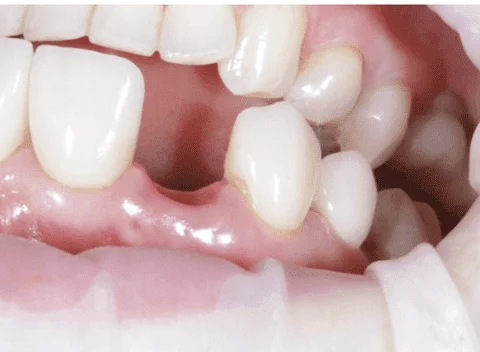
1. The Implant Post (Fixture)
This is the titanium screw that’s surgically placed into your jawbone. It acts as the new tooth root. The cost of the implant post itself can range from $1,000 to $3,000. Factors affecting this price include the brand of the implant, its material (most are titanium, but zirconia options exist), and the specific design chosen by your dentist.
2. The Abutment
This is the connector piece that screws into the implant post and extends above the gum line. It serves as the base for the crown. Abutments can be standard or custom-made, with custom abutments often providing a better fit and aesthetic, especially for molars where chewing forces are high. The cost for an abutment typically falls between $300 and $600.
3. The Crown (Restoration)
This is the visible, tooth-shaped cap that is cemented or screwed onto the abutment. For molars, crowns are usually made from durable materials like porcelain-fused-to-metal (PFM) or all-ceramic (zirconia being a popular choice for molars due to its strength). The cost of the crown can range from $1,000 to $2,500, depending on the material, the lab used, and the complexity of its design.
“Understanding that an implant is a three-part system – the post, the abutment, and the crown – helps you see why the total cost isn’t just for ‘a tooth’.”
So, just for the hardware itself (implant, abutment, crown), you’re already looking at a range of $2,300 to $6,100 before any surgical fees or additional procedures.
Average Cost of a Molar Dental Implant in 2025
Based on data and trends observed across the United States in 2025, the average cost for a single molar dental implant, including the implant post, abutment, and crown, along with the surgical placement, typically ranges from $3,000 to $6,000 per tooth.
It’s crucial to understand that this is a broad average. Many factors can push the price higher or lower, and I’ll explore those in detail next. This average also generally includes the surgical placement of the implant and the components mentioned above. However, it often does not include preparatory procedures like extractions or bone grafts, which can significantly add to the total cost.
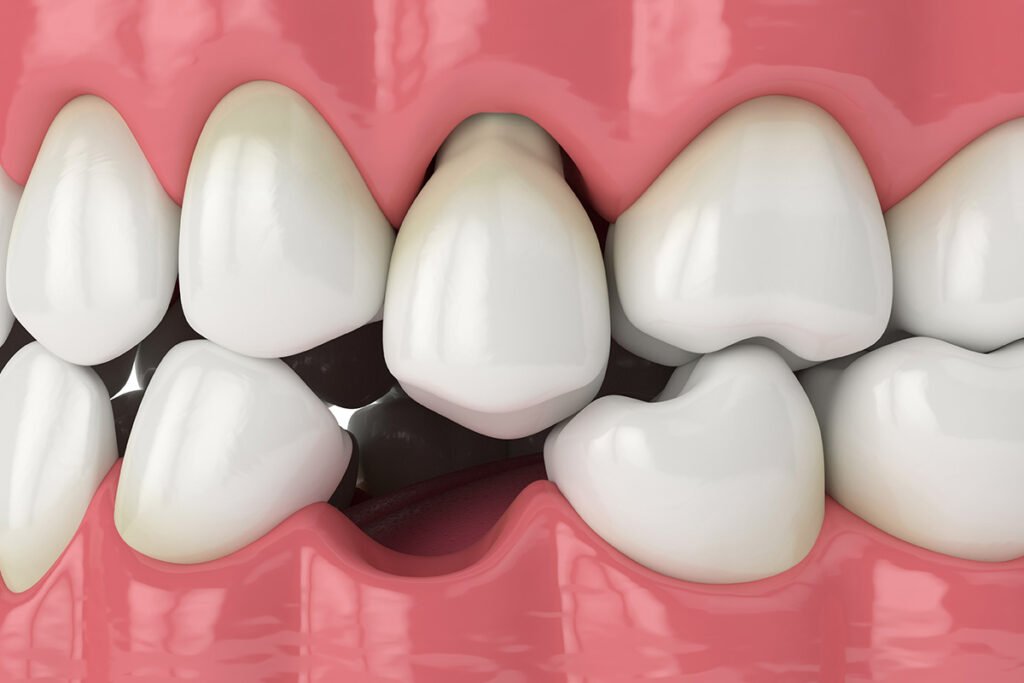
Why Molars Can Be on the Higher End
Molars, especially upper molars, can sometimes be more complex to implant than front teeth. Here’s why:
- Bone Density: The bone in the back of the mouth, particularly the upper jaw near the sinuses, can sometimes be less dense or have insufficient height, requiring bone grafting procedures.
- Chewing Forces: Molar implants need to withstand incredible chewing forces, meaning the implant placement must be precise, and the crown material must be exceptionally strong.
- Accessibility: Working in the very back of the mouth can be more challenging for the dentist, potentially requiring more specialized techniques or instruments.
Factors Influencing the Cost of a Molar Dental Implant
Now let’s break down the specific variables that will determine where your molar implant cost falls within or even outside the average range.
1. Geographic Location 🌎
Just like real estate, dental costs vary significantly by region. Major metropolitan areas and coastal cities (e.g., New York, Los Angeles, San Francisco) tend to have higher dental fees compared to rural areas or states with a lower cost of living. This is due to differences in overhead costs for dental practices, such as rent, salaries, and laboratory fees.
2. Dentist’s Experience and Specialization 👩⚕️👨⚕️
The experience and specialization of the dental professional performing your implant surgery play a significant role.
- General Dentists: Some general dentists are trained and certified to place implants. Their fees might be slightly lower.
- Oral Surgeons or Periodontists: These specialists have advanced training in surgical procedures and gum health, respectively. They often handle more complex cases, and their expertise can come with higher fees. Their specialized knowledge can be invaluable, especially for challenging molar implant cases.
3. Materials Used for the Implant and Crown ✨
The quality and type of materials used directly impact the cost.
- Implant Post: While titanium is standard, some higher-end brands or specialized zirconia implants (for those with metal allergies or specific aesthetic preferences) can be more expensive.
- Abutment: Custom-milled abutments generally cost more than stock abutments but can offer a superior fit and support for the crown.
- Crown: For molars, strength is key.
- Porcelain-fused-to-metal (PFM): Durable and often more affordable.
- All-ceramic (Zirconia): Very strong, highly aesthetic, and often preferred for molars due to their durability, but typically more expensive.
4. Additional Procedures (The Hidden Costs) 💸
This is where the total cost can increase substantially beyond the basic implant components. Many patients require one or more of these preparatory procedures:
- Tooth Extraction: If the damaged molar is still present, it needs to be extracted first. A simple extraction might cost $75 – $300, while a surgical extraction can be $150 – $650.
- Bone Grafting: If your jawbone isn’t thick or dense enough to support an implant, a bone graft is necessary. This is very common for molars, especially in the upper jaw.
- Socket Preservation: Often done immediately after an extraction to prevent bone loss, costing $200 – $500.
- Ridge Augmentation: To rebuild bone width or height, ranging from $800 – $2,000 or more.
- Sinus Lift: Specifically for upper molars when the sinus cavity is too close to the jawbone. This is a more complex procedure and can cost $1,500 – $3,000 per side.
- Gum Disease Treatment: If you have active gum disease, it must be treated before implant placement to ensure the implant’s success. Costs vary widely depending on the severity.
- Diagnostic Imaging: X-rays (panoramic, periapical) and 3D Cone Beam CT (CBCT) scans are essential for planning. A CBCT scan can cost $250 – $500.
- Temporary Crown/Denture: While the implant heals, some patients opt for a temporary restoration, which adds to the cost.
“Many people overlook the cost of preparatory procedures like bone grafting, which can significantly impact the final price of a molar implant.”
5. Type of Anesthesia 😴
The type of anesthesia used during the implant placement surgery can also influence the cost.
- Local Anesthesia: Typically included in the surgical fee.
- Sedation (Oral, IV): For anxious patients or longer procedures, sedation dentistry offers a more relaxed experience but comes with an additional fee, ranging from $200 to $800+ depending on the type and duration.
6. Technology and Equipment Used 💻
Some clinics use advanced technology like 3D guided implant surgery, which involves planning the implant placement with extreme precision using computer software. While this can lead to safer and more predictable outcomes, it might add to the overall cost due to the specialized equipment and software.
7. Post-Operative Care and Follow-ups 🩹
Most implant packages include initial follow-up appointments to monitor healing. However, extensive complications or additional unexpected visits might incur extra charges. Always clarify what’s included in your initial quote.
Breaking Down the Cost: A Sample Scenario for 2025
To give you a clearer idea, here’s a hypothetical breakdown of what a molar dental implant might cost in 2025 for a patient needing an extraction and a minor bone graft.
| Item/Procedure | Estimated Cost Range (2025) |
|---|---|
| Initial Consultation | $50 – $200 (often applied to treatment) |
| Diagnostic Imaging (X-rays, CBCT) | $250 – $500 |
| Tooth Extraction (Surgical) | $200 – $600 |
| Bone Graft (Socket Preservation/Minor Ridge Augmentation) | $300 – $800 |
| Implant Post | $1,000 – $3,000 |
| Implant Placement Surgery | $500 – $1,500 |
| Abutment | $300 – $600 |
| Molar Crown (Zirconia) | $1,200 – $2,500 |
| Follow-up Appointments | Included in surgical fee (usually) |
| Total Estimated Cost | $3,800 – $9,700+ |
Please remember, this table provides a broad estimate. Your actual costs will depend on your specific needs, your dentist’s fees, and your geographic location.
As you can see, the final cost can vary significantly depending on whether you need additional procedures.
Is a Molar Dental Implant Worth the Investment? 🤔
When you look at the numbers, it’s easy to focus on the upfront cost. However, it’s essential to view a dental implant as a long-term investment in your health and quality of life. Let’s compare it to alternatives and consider the benefits.
Benefits of Dental Implants for Molars:
- Longevity: Dental implants are designed to last a lifetime with proper care. Unlike bridges or dentures, which may need replacement every 5-15 years, implants are a permanent solution.
- Preservation of Bone: Implants stimulate the jawbone, preventing the bone loss that naturally occurs when a tooth is missing. This maintains your facial structure and keeps adjacent teeth stable.
- Restored Chewing Function: A molar implant restores nearly 100% of your natural chewing ability, allowing you to enjoy all your favorite foods without restriction.
- Protection of Adjacent Teeth: Unlike dental bridges, implants do not require altering or grinding down healthy adjacent teeth.
- Improved Oral Health: Implants are easier to clean than bridges and don’t contribute to gum irritation like partial dentures can.
- Aesthetics: While molars are in the back, a missing tooth can still affect your smile and confidence. An implant looks and feels just like a natural tooth.
- Comfort and Convenience: Implants are fixed in place, so there’s no need to remove them for cleaning or worry about them slipping, unlike dentures.
Alternatives and Their Hidden Costs:
- Dental Bridge:
- Cost: $2,000 – $5,000 per bridge (for 3 units).
- Drawbacks: Requires grinding down healthy adjacent teeth for support. Does not prevent bone loss in the missing tooth area. Typically lasts 5-15 years and may need replacement.
- Hidden Costs: Potential for decay in supporting teeth, need for future replacement.
- Removable Partial Denture:
- Cost: $700 – $1,800.
- Drawbacks: Less stable, can shift while eating or speaking. Does not prevent bone loss. Can irritate gums and accumulate food particles. Needs to be removed for cleaning.
- Hidden Costs: Discomfort, potential for bone loss, impact on quality of life, eventual need for replacement.
“While the initial cost of a molar implant might seem higher, its long-term benefits and durability often make it the most cost-effective and beneficial solution over a lifetime.”
When you factor in the potential need for replacement of bridges or dentures, the ongoing maintenance, and the impact on your oral health and quality of life, dental implants often prove to be the superior and more economical choice in the long run.
Navigating the Cost: Tips for Affordability 💡
I understand that even with all the benefits, the cost of a molar dental implant can be a significant financial hurdle. Here are some strategies to help make treatment more accessible:
1. Dental Insurance Coverage 🛡️
Many dental insurance plans consider implants a “major procedure” and may offer some coverage, typically 10-50% of the cost, often capped at an annual maximum (e.g., $1,000 – $2,000). However, some plans still classify implants as cosmetic and offer no coverage.
- Key Tip: Always have your dentist’s office submit a pre-treatment estimate to your insurance company. This will give you a clear idea of what your plan will cover before you commit. Remember, insurance rarely covers the entire cost.
2. Payment Plans and Financing Options 💳
Most dental practices understand the financial burden and offer various payment solutions:
- In-house Payment Plans: Many offices allow you to pay in installments over several months.
- Third-Party Financing: Companies like CareCredit or LendingClub offer specialized healthcare credit cards with low or no-interest financing options for qualified patients over a set period.
3. Dental Schools 🎓
Dental schools often provide services at a reduced cost because they are teaching institutions. The procedures are performed by students under the close supervision of experienced faculty members. This can be a more affordable option, though it might involve longer appointment times.
4. Discount Dental Plans 📉
These are not insurance but membership plans where you pay an annual fee and get reduced rates on dental procedures from participating dentists. They can offer significant savings on implants.
5. Ask About Package Deals 📦
Some dental practices offer package deals that bundle the implant, abutment, and crown together at a slightly reduced price compared to paying for each component separately. It never hurts to ask!
6. Health Savings Accounts (HSAs) and Flexible Spending Accounts (FSAs) 💰
If you have an HSA or FSA through your employer, you can use these tax-advantaged accounts to pay for dental implant procedures.
7. Phased Treatment 🗓️
If immediate full payment isn’t feasible, discuss with your dentist whether the treatment can be phased over time. For example, you might have the extraction and bone graft done first, then the implant placement a few months later, and finally the crown after healing. This spreads out the cost.
What to Expect During the Molar Implant Process
Knowing the steps involved can help you feel more prepared and understand the timeline associated with the cost.
- Initial Consultation & Planning: I’ll start by thoroughly examining your mouth, taking X-rays and often a 3D CBCT scan. This helps me assess your bone quality, identify vital structures (like nerves and sinuses), and create a precise treatment plan tailored to your molar. We’ll discuss all your options and the estimated costs.
- Tooth Extraction (if needed): If the damaged molar is still present, it will be carefully removed. Depending on your bone health, a socket preservation graft might be placed immediately to prevent bone loss.
- Bone Grafting (if needed): If you don’t have enough bone, a separate bone grafting procedure will be performed. This can take several months to heal and integrate before the implant can be placed.
- Implant Placement Surgery: This is when the titanium implant post is surgically placed into your jawbone. This procedure is typically done under local anesthesia, sometimes with sedation.
- Osseointegration (Healing Period): After placement, the implant needs time to fuse with your jawbone. This process, called osseointegration, usually takes 3 to 6 months. During this time, a temporary restoration might be provided.
- Abutment Placement: Once the implant has fully integrated, a small connector piece called an abutment is attached to the implant post. Sometimes, the abutment is placed during the initial surgery.
- Crown Fabrication & Placement: Impressions are taken to create your custom molar crown. Once fabricated by a dental lab, the crown is then permanently attached to the abutment, completing your new tooth!
- Follow-up & Maintenance: Regular dental check-ups and good oral hygiene are crucial to ensure the long-term success of your implant.
The entire process, from initial consultation to final crown, can take several months to over a year, especially if extensive bone grafting is required.
Questions to Ask Your Dentist 🗣️
When discussing molar dental implants, don’t hesitate to ask your dentist these important questions:
- What is the total estimated cost, including all components and procedures?
- Can you provide a detailed breakdown of the fees for each step?
- Are there any potential additional costs I should be aware of?
- What type of implant and crown materials do you recommend for a molar, and why?
- What is your experience and success rate with molar dental implants?
- Do I need any preparatory procedures (like extraction or bone graft)? If so, what are their costs?
- What are my payment options or financing plans?
- How does my dental insurance apply to this procedure? Can you submit a pre-treatment estimate?
- What is the expected timeline for the entire treatment process?
- What kind of aftercare and maintenance will be required?
- What are the risks and benefits specific to my case?
Asking these questions will help you feel more informed, confident, and prepared for your molar dental implant journey in 2025.
Conclusion
Investing in a molar dental implant is a significant decision, both for your health and your finances. While the cost can seem substantial, ranging from $3,000 to $6,000 or more per tooth in 2025, it’s crucial to look beyond the initial price tag. A molar dental implant offers a durable, long-lasting solution that restores full chewing function, prevents bone loss, and protects your remaining teeth – benefits that far outweigh the costs of temporary alternatives over time.
I hope this comprehensive guide has shed some light on “how much is a dental implant molar” and helped you understand the various factors that influence the final price. Remember, every patient’s situation is unique. The best way to get an accurate cost estimate and a personalized treatment plan is to consult with a qualified dental professional. They can assess your specific needs and guide you toward the best solution for your smile and your budget. Don’t let a missing molar compromise your health or your confidence any longer!