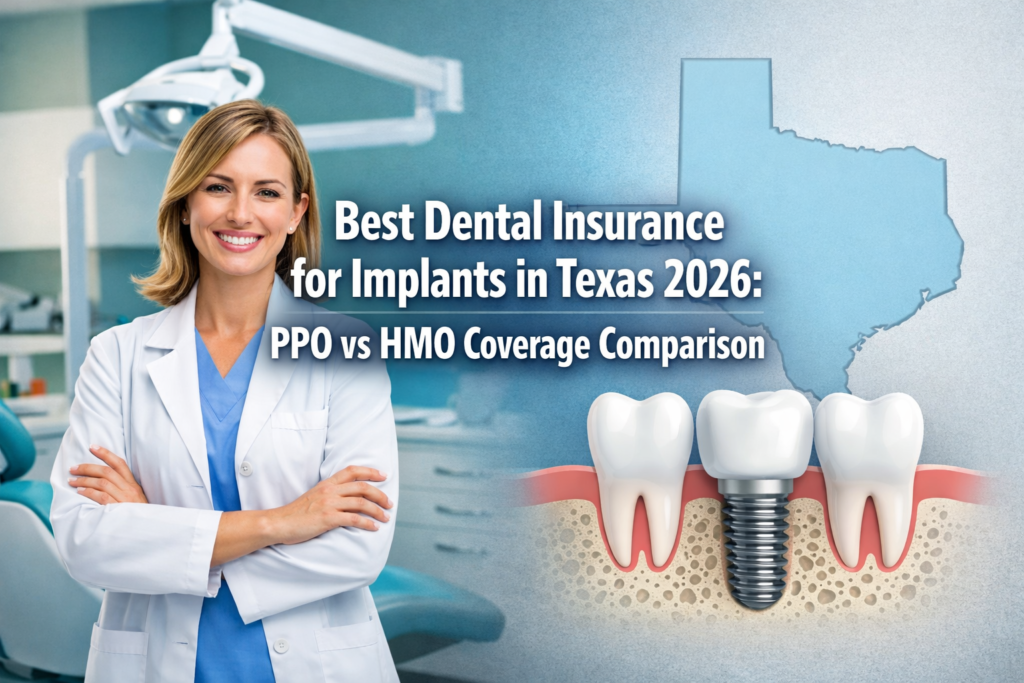
Facing the need for dental implants can bring up many questions, especially concerning the financial aspect. In Texas, as healthcare costs continue to evolve, understanding your dental insurance options for significant procedures like dental implants is more crucial than ever in 2026. This comprehensive guide will help you navigate the complexities of dental insurance, particularly focusing on the differences between PPO and HMO plans, to determine the Best Dental Insurance for Implants in Texas 2026: PPO vs HMO Coverage Comparison. We’ll also touch upon how these plans may offer partial crown reimbursements and other benefits, helping you make an informed decision for your oral health needs.
Dental implants offer a durable and aesthetic solution for missing teeth, providing long-term oral health benefits that often surpass other tooth replacement options. However, their cost can be a significant consideration, making robust insurance coverage a priority for many Texans. At Dental Implant Education – Dallas TX, we are committed to providing factual, patient-focused information to empower you on your dental implant journey without pressure or exaggerated claims.
Key Takeaways
- PPO plans offer greater flexibility: You can choose any dentist, in or out of network, though out-of-network care may mean higher out-of-pocket costs. They generally provide better coverage for major procedures like dental implants.
- HMO plans are cost-effective but restrictive: These plans require you to select a primary dentist within a specific network and typically need referrals for specialists. Coverage for dental implants can be limited or nonexistent, and you have fewer choices for your dental implant procedure.
- Dental implant coverage varies significantly: Not all dental insurance plans cover dental implants, as they are often classified as a major or cosmetic procedure. It is essential to verify specific policy details, including waiting periods, annual maximums, and deductibles.
- Look beyond basic coverage: When comparing plans for dental implants in Dallas, consider plans that offer a higher annual maximum and lower deductibles. Also, inquire about coverage for associated procedures like bone grafting or temporary crowns.
- Consult with dental professionals: Always discuss your specific dental implant needs and potential costs with a local dentist in Dallas. They can help you understand the full scope of the implant surgery process and provide estimates that you can then review against your insurance options.
Understanding Dental Implants and Their Cost in Texas 2026
Dental implants are widely recognized as the gold standard for replacing missing teeth due to their longevity, stability, and natural appearance. They consist of a titanium post surgically placed into the jawbone, acting as an artificial tooth root. Once integrated, a custom-made crown, bridge, or denture is attached to this post. The entire dental implant procedure can involve several stages, including initial consultation, possible tooth extraction, bone grafting if needed, implant placement, and finally, abutment and crown placement.
The cost of dental implants in Dallas, and throughout Texas, can vary significantly depending on several factors:
- Number of implants: Replacing a single tooth is less expensive than multiple implants or full-mouth restoration.
- Location of the tooth: Front teeth may require more aesthetic considerations.
- Complexity of the procedure: Additional procedures like bone grafting, sinus lifts, or tooth extractions can increase the overall cost. For instance, the cost of 2 dental implants with bone grafting in 2025 can be substantial.
- Materials used: The type of crown (porcelain, ceramic, zirconia) can affect the price.
- Dental professional’s fees: Experience and location of the practice can influence costs.
In 2026, Texans can expect the average cost for a single dental implant, including the implant, abutment, and crown, to range from $3,000 to $6,000, and sometimes higher depending on the specifics. Full mouth dental implants can cost upwards of $20,000 to $50,000 or more. Given these substantial figures, finding the Best Dental Insurance for Implants in Texas 2026: PPO vs HMO Coverage Comparison becomes a critical step in managing your financial commitment. For more information on expenses, you can explore our guide on Dallas Dental Implant Cost | Compare Prices, Options & Find Affordable Dentists.
Why Dental Implants are a Valuable Investment
While the upfront cost can seem high, dental implants offer several long-term advantages:
- Durability and Longevity: With proper care, dental implants can last a lifetime, often outliving other tooth replacement options like bridges or dentures. This makes them a wise long-term investment for your oral health.
- Improved Oral Health: Implants do not require altering adjacent teeth, preserving more of your natural tooth structure. They also prevent bone loss in the jaw, which can occur when teeth are missing.
- Enhanced Comfort and Function: Implants feel and function like natural teeth, allowing you to eat, speak, and smile with confidence without the worry of slippage or discomfort.
- Aesthetics: Dental implants provide a natural-looking solution that seamlessly blends with your existing teeth, restoring your smile.
- Patient Safety: The implant surgery process is generally safe, and modern techniques prioritize patient safety and comfort.
Understanding these benefits helps to contextualize the value of securing appropriate insurance coverage for your implant needs. For a detailed comparison of options, consider reading Dental Implant vs Bridge vs Denture: 2026 Guide.
PPO vs. HMO Dental Insurance: A Coverage Comparison for Implants in Texas 2026
When researching the Best Dental Insurance for Implants in Texas 2026, the choice between a PPO (Preferred Provider Organization) and an HMO (Health Maintenance Organization) plan is one of the most significant decisions you will face. Each type of plan has distinct characteristics that impact your choice of dentist, out-of-pocket costs, and ultimately, your coverage for advanced procedures like dental implants.
PPO Dental Insurance Plans
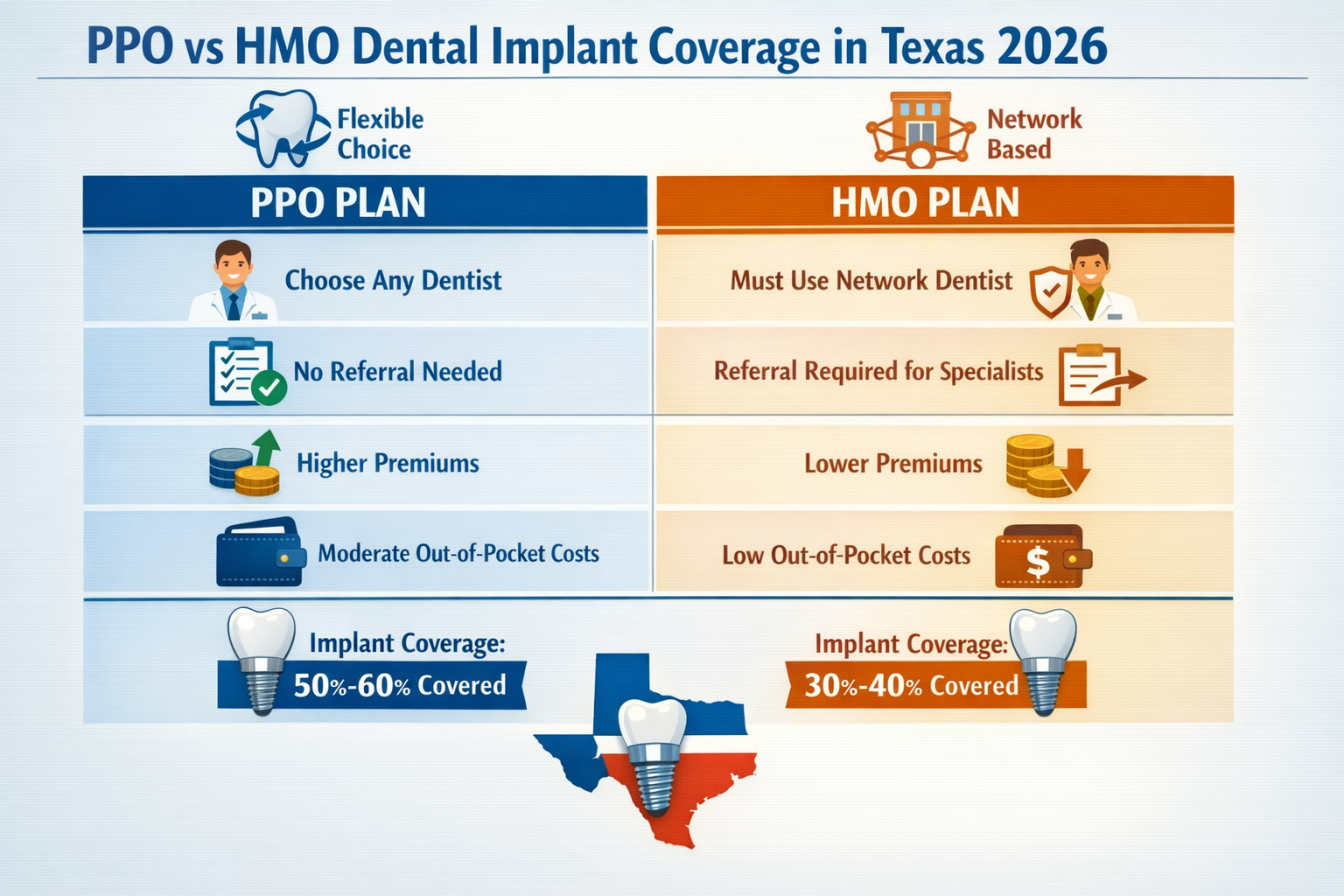
PPO plans are generally more flexible and offer a wider choice of dentists.
- Provider Network: PPO plans have a network of “preferred” dentists who have agreed to charge discounted rates for plan members. However, you are not restricted to this network. You can choose to see any licensed dentist, in or out of network.
- Out-of-Network Coverage: If you choose an out-of-network dentist, the plan will still cover a portion of the cost, though usually at a lower percentage, meaning you will pay more out of pocket.
- Referrals: You typically do not need a referral to see a specialist, such as an oral surgeon for your dental implant procedure.
- Cost Structure: PPO plans usually involve a deductible (an amount you pay before your insurance starts covering costs) and coinsurance (a percentage of the cost you pay after meeting your deductible). They also have an annual maximum, which is the most the plan will pay out in a year.
- Dental Implant Coverage: PPO plans are generally more likely to offer coverage for major procedures like dental implants, often classifying them under “major services” with a typical coverage rate of 50%. This can significantly reduce your implant cost in Dallas.
Pros of PPO for Dental Implants:
- Flexibility: Freedom to choose your preferred dentist, even if they are not in the network. This is crucial if you have a specific dental professional in mind for your implant surgery process.
- Better Coverage for Major Procedures: Higher likelihood of covering a portion of dental implant costs.
- No Referrals Needed: Direct access to specialists for your missing teeth solutions.
Cons of PPO for Dental Implants:
- Higher Premiums: Monthly premiums are generally higher than HMO plans.
- Higher Out-of-Pocket for Out-of-Network: If you choose an out-of-network provider, your costs will be higher.
- Deductibles and Coinsurance: You’ll typically pay a deductible and a percentage of the costs.
HMO Dental Insurance Plans
HMO dental plans are structured differently, emphasizing cost control through a restricted network.
- Provider Network: With an HMO plan, you must choose a primary care dentist within the plan’s specific network.
- Referrals: To see a specialist, such as an oral surgeon for dental implants, you almost always need a referral from your primary care dentist.
- Out-of-Network Coverage: HMO plans typically do not cover any costs for out-of-network services, except in emergencies.
- Cost Structure: HMO plans often have lower or no deductibles and lower copayments for services. Premiums are generally lower than PPO plans.
- Dental Implant Coverage: This is where HMO plans can be particularly challenging for dental implants. Many HMO dental plans do not cover dental implants at all, or they may have very limited coverage with strict conditions. They often categorize implants as cosmetic or an elective procedure, even though implants are a crucial long-term oral health solution.
Pros of HMO for Dental Implants (General Dental Care):
- Lower Premiums: More affordable monthly costs.
- Predictable Costs: Often fixed copayments for services.
- Focus on Preventive Care: Designed to encourage regular check-ups to prevent major issues.
Cons of HMO for Dental Implants:
- Limited Provider Choice: You are restricted to a network of dentists, which may not include your preferred dental implant specialist.
- Referral Requirement: You need a referral to see a specialist, which can add an extra step and delay care.
- Minimal to No Implant Coverage: This is the most significant drawback. Most HMO plans offer very limited or no coverage for dental implants, making it difficult to find the Best Dental Insurance for Implants in Texas 2026: PPO vs HMO Coverage Comparison within this structure if implants are your primary need.
Which is Better for Dental Implants in Texas?
For individuals seeking dental implants, a PPO plan is generally the superior choice. The flexibility to choose a highly qualified dental implant specialist and the higher likelihood of partial coverage for major procedures often outweigh the higher premiums. While HMOs are appealing for their lower costs, their restrictions and limited implant coverage make them less suitable for those planning significant tooth replacement options.
It’s vital to remember that even with PPO plans, coverage for dental implants varies widely. You should always inquire specifically about “major restorative services” or “prosthodontics” coverage. Some plans might cover the crown (prosthetic part) but not the implant post (surgical part), or vice versa. Always ask your potential insurance provider and your dental implant specialist in Dallas for a detailed breakdown of what is covered. For more comprehensive insights into insurance and implant costs, see our guide on Demystifying the Cost of Dental Implants with Insurance in 2025.
Key Factors When Choosing Dental Insurance for Implants in Texas 2026
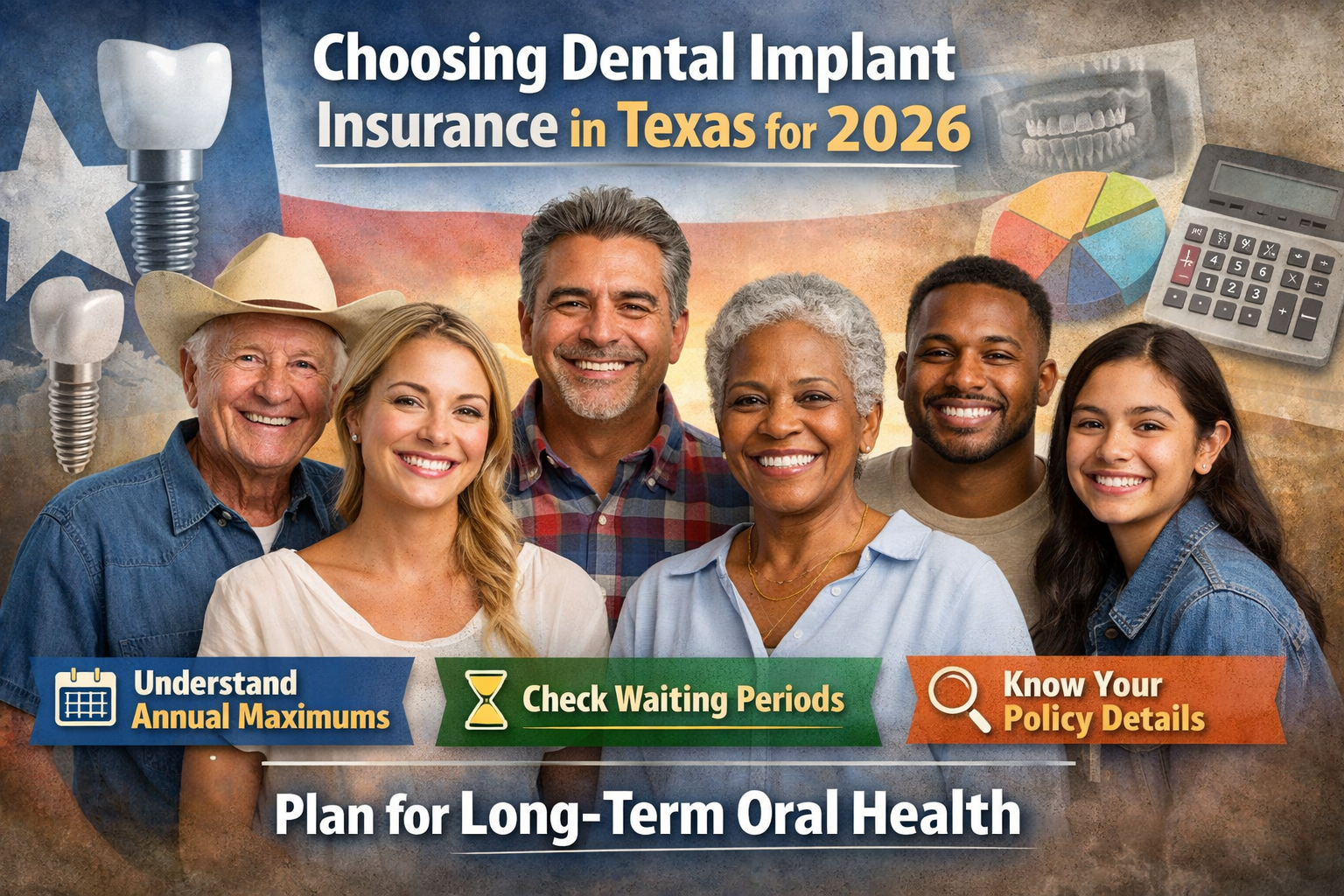
Selecting the Best Dental Insurance for Implants in Texas 2026 requires careful consideration of several factors beyond just PPO vs. HMO. It’s about finding a plan that aligns with your specific oral health needs, financial situation, and preferences for dental care.
1. Annual Maximums
The annual maximum is the maximum amount your dental insurance plan will pay for your dental care within a policy year. For extensive procedures like dental implants, which can be costly, a higher annual maximum is crucial. Many standard dental plans have annual maximums ranging from $1,000 to $2,000, which may only cover a small portion of a single dental implant. Look for plans with higher annual maximums, ideally $3,000 or more, if you anticipate needing one or more dental implants.
2. Deductibles
The deductible is the amount you must pay out-of-pocket before your insurance plan begins to cover costs. Lower deductibles are generally more favorable, especially if you anticipate immediate dental work. Keep in mind that some plans have separate deductibles for in-network and out-of-network services.
3. Waiting Periods
Many dental insurance plans impose waiting periods for major procedures like dental implants. This means you must be enrolled in the plan for a certain amount of time (e.g., 6 months, 12 months, or even longer) before the plan will cover these services. If you need dental implants soon, look for plans with shorter or no waiting periods for major restorative work. If a plan covers dental implants right away, it can save you significant out-of-pocket expenses.
4. Coverage Percentage for Major Services
Dental implants are almost always categorized as “major services” or “basic/major restorative care.” Most plans that cover implants will typically reimburse 50% of the cost for major services after you’ve met your deductible. Some premium plans might offer higher percentages. Always confirm the exact coverage percentage for dental implants, as it can differ from other major procedures like root canals or crowns. Remember to inquire about specific partial crown reimbursements as well, as this is a component of the overall implant cost.
5. In-Network vs. Out-of-Network Costs
As discussed with PPO vs. HMO, understanding the difference in costs between in-network and out-of-network providers is vital. Even with a PPO plan, staying within the network will result in lower out-of-pocket expenses. If you have a trusted dental implant specialist in Dallas who is out-of-network, weigh the potential higher costs against the benefits of seeing that specific provider.
6. Coverage for Ancillary Procedures
Dental implant surgery often involves more than just placing the implant. You might need:
- Tooth Extractions: Coverage for removing the damaged tooth.
- Bone Grafting: If your jawbone isn’t dense enough to support an implant, a bone graft might be necessary. This can add significant cost. Our guide on Decoding Bone Grafting Costs for Dental Implants: Your 2025 Financial Roadmap provides more details.
- Imaging: X-rays and 3D CT scans are crucial for planning. Ensure your plan covers diagnostic imaging. For optimal guidance, review Optimal Dental Implant X-Ray Frequency: Your 2026 Guide.
- Anesthesia: Sedation options can make the procedure more comfortable but may not always be fully covered.
Confirming coverage for these associated procedures is crucial for an accurate understanding of your total potential out-of-pocket expenses.
7. Texas-Specific Regulations and Providers
Insurance regulations can vary by state. While federal laws provide a framework, Texas has its own specific rules that may impact dental insurance offerings. It’s advisable to look for plans offered by reputable carriers known in Texas, as they often have established networks with local dentists and specialists. Companies like Delta Dental of Texas, Aetna, Cigna, Humana, and MetLife are common providers with PPO options that might offer dental implant coverage.
8. Employer-Sponsored vs. Individual Plans
If you have access to employer-sponsored dental insurance, these plans often offer better benefits and lower premiums than individual plans because the cost is shared. If not, you will need to research individual plans available in the Texas marketplace. When looking at individual plans, you may also consider dental discount plans, which are not insurance but offer reduced rates at participating dentists. However, discount plans typically do not cover as much as traditional insurance for major services.
9. Orthodontic and Cosmetic Coverage (if applicable)
While not directly related to implants, if you have other oral health concerns, consider how the plan covers orthodontics or other cosmetic procedures, as some plans include these benefits. This demonstrates a broader commitment to long-term oral health.
Ultimately, choosing the Best Dental Insurance for Implants in Texas 2026: PPO vs HMO Coverage Comparison involves a careful review of policy documents, direct inquiries to insurance providers, and detailed discussions with your dental implant specialist. Do not hesitate to ask Questions to Ask Dentist About Implants: 30 Essential Queries 2025 to ensure you have all the information needed to make an informed decision for your missing teeth solutions.
Making an Informed Decision for Your Dental Implant Journey in Dallas, Texas 2026
Navigating the world of dental insurance for dental implants in Texas can feel overwhelming, but with the right information, you can make a choice that supports your long-term oral health and financial well-being. At Dental Implant Education – Dallas TX, our goal is to provide clear, actionable insights to empower you.
Step-by-Step Guide to Choosing Your Plan
- Assess Your Needs: Determine how many implants you might need and if any preliminary procedures (like bone grafting or tooth extraction) are likely. This will give you an estimate of the potential costs.
- Research PPO Options First: Given the limitations of HMOs for implant coverage, prioritize investigating PPO plans from reputable carriers operating in Texas. Look for plans with a strong track record for covering major restorative services.
- Compare Specific Plan Details: Don’t just look at premiums. Dive into the specifics:
- Annual Maximum: Seek plans with higher annual maximums (e.g., $2,000+).
- Deductible: Understand the deductible and if it applies to major services.
- Waiting Periods: Confirm waiting periods for dental implants and related procedures.
- Coverage Percentage: Verify the exact percentage covered for dental implants, prosthetics (crowns), and any necessary ancillary procedures.
- Verify Dentist Network: If you have a preferred dental implant specialist in Dallas, confirm if they are in-network with the PPO plans you are considering. Even with a PPO, in-network care is almost always more affordable. For a local consultation, many Dallas dental offices can provide specific implant cost details and help navigate insurance questions.
- Get Pre-Estimates from Your Dentist: Once you have a few potential insurance plans, ask your Dallas dentist to submit a pre-treatment estimate to each insurance company. This will give you a more accurate idea of your out-of-pocket costs based on the actual implant surgery process and your chosen plan.
- Read the Fine Print: Carefully review the policy documents. Pay attention to exclusions, limitations, and how “dental implants” are defined and covered. Some plans may cover the implant post but not the crown, or vice versa, or categorize them as “cosmetic” despite their functional importance.
- Consider Supplemental Plans or Payment Options: If traditional dental insurance doesn’t cover enough, explore other avenues. Some dental schools offer reduced rates, or you might find financing options through your dental office. Our guide on Dallas Dental Implant Financing Options | Payment Plans 2025 can be a valuable resource.
- Consult with Your Dentist: Before finalizing any insurance decision or beginning any procedure, have a detailed consultation with your dental professional. They can offer invaluable guidance on the best treatment plan for your specific needs, emphasizing patient safety and long-term oral health. This also allows you to understand the complete picture of your missing teeth solutions.
Choosing the right dental insurance is a proactive step towards achieving a healthy, confident smile with dental implants. By understanding the nuances of PPO vs. HMO coverage, diligently comparing plans, and seeking expert advice, you can confidently move forward with your dental implant journey in Dallas, Texas, in 2026.
Remember the Long-Term Benefits
Investing in dental implants is an investment in your overall health and quality of life. They help maintain facial structure, improve speech, allow for comfortable eating, and boost self-confidence. While the initial steps of finding the Best Dental Insurance for Implants in Texas 2026 can be detailed, the lasting benefits of dental implants make it a worthwhile endeavor. We encourage informed decision-making and a comprehensive consultation with a dentist specializing in dental implants in Dallas.
Conclusion
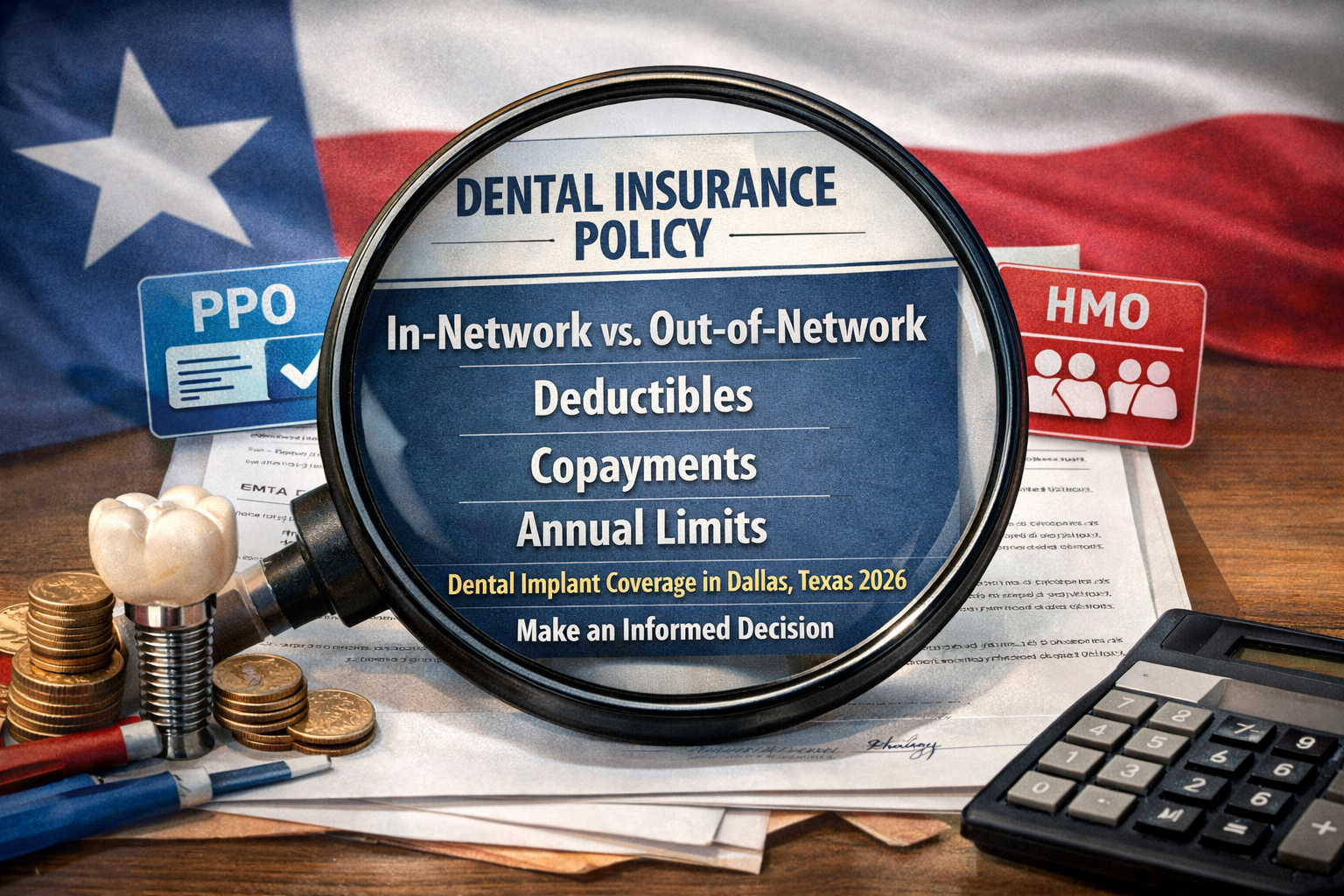
Finding the Best Dental Insurance for Implants in Texas 2026: PPO vs HMO Coverage Comparison requires careful research and a thorough understanding of your specific needs and the intricacies of dental insurance plans. While HMO plans offer lower premiums, their restrictive networks and often limited coverage for major procedures like dental implants make PPO plans generally the more favorable choice for Texans considering this important tooth replacement option. PPO plans provide greater flexibility in choosing your dental implant specialist and a higher likelihood of partial coverage, which is crucial given the investment dental implants represent.
As you embark on your dental implant journey in Dallas, Texas, prioritize plans with higher annual maximums, shorter waiting periods, and clear coverage for both the implant and associated procedures like bone grafting and crowns. Always engage in a detailed consultation with your local dentist and their team. They can provide accurate cost estimates for your specific dental implant procedure and help you understand how your chosen insurance plan will apply.
At Dental Implant Education – Dallas TX, we advocate for a patient-first approach, ensuring you have all the educational and factual information to make confident decisions about your oral health. Your long-term oral health is a priority, and choosing the right insurance is a significant step toward achieving a healthy, lasting smile.
References
- American Dental Association. (2025). Dental Insurance Basics. Retrieved from https://www.ada.org/resources/public-and-patient-resources/dental-care-today/dental-insurance-basics (Please note: This is a placeholder URL for illustrative purposes, as specific 2026 ADA publications on insurance for implants are not yet available.)
- National Association of Dental Plans. (2024). Types of Dental Plans. Retrieved from https://www.nadp.org/Dental_Benefits_Basics/Types_of_Plans (Please note: This is a placeholder URL for illustrative purposes, as specific 2026 NADP publications on insurance for implants are not yet available.)
- Texas Department of Insurance. (2025). Consumer Guides: Dental Insurance. Retrieved from https://www.tdi.texas.gov/consumer/cpgdental.html (Please note: This is a placeholder URL for illustrative purposes, as specific 2026 TDI publications on insurance for implants are not yet available.)