
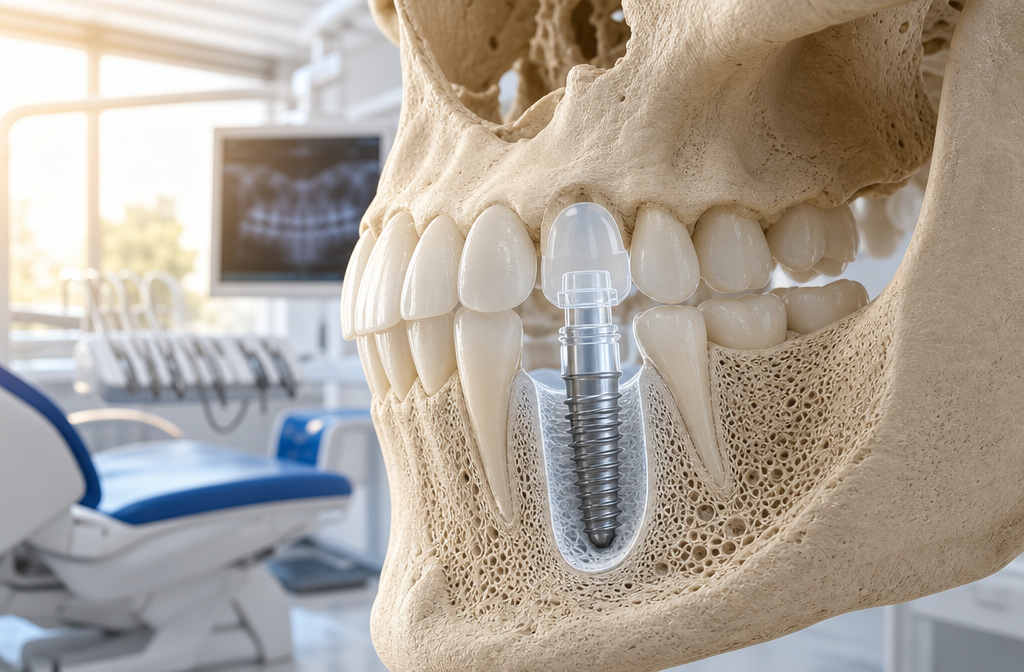
For many individuals considering permanent solutions for missing teeth, dental implants offer a remarkable path to restored oral health and confidence. However, the success of dental implants in Dallas, as anywhere else, hinges significantly on a crucial factor: the availability of sufficient healthy jawbone. Without adequate bone volume and density, the implant cannot integrate properly, leading to potential failure. This is where bone grafts become essential. Understanding the role of bone grafts in Dallas dental implant success: costs, types, and when they’re necessary is vital for anyone exploring tooth replacement options in 2026. This article aims to provide clear, factual information to help patients make informed decisions about their long-term oral health.
Key Takeaways
- Bone grafts are often necessary to ensure a stable foundation for dental implants, particularly when jawbone has deteriorated due to tooth loss, disease, or trauma.
- There are several types of bone grafts—autograft, allograft, xenograft, and alloplast—each with distinct sources and applications.
- The necessity of a bone graft is determined by a thorough examination, including advanced imaging, conducted by a qualified dental professional in Dallas.
- Costs for bone grafts in Dallas can vary significantly based on the type of graft, the extent of the procedure, and the dental practice, typically ranging from a few hundred to several thousand dollars per site.
- Choosing an experienced dentist and understanding the entire dental implant procedure, including any required bone grafts, is key to successful and predictable outcomes.
Why Bone Grafts Are Critical for Dental Implant Success in Dallas
Dental implants function by integrating directly with your jawbone, a process known as osseointegration. This strong, stable connection allows the implant to act like a natural tooth root, supporting a crown, bridge, or denture. However, if the jawbone is too thin, soft, or lacks sufficient height, it cannot securely hold the implant.
One common reason for insufficient bone is prolonged tooth loss. When a tooth is extracted, the bone that once supported it no longer receives the stimulation from chewing, leading to a natural process of bone resorption (shrinkage). This can result in a significant loss of bone volume over time. Other factors such as gum disease, trauma, or developmental issues can also contribute to bone deficiency.
When evaluating patients for dental implants in Dallas, dentists carefully assess bone quality and quantity using X-rays, 3D scans, and other diagnostic tools. If bone deficiency is identified, a bone graft procedure becomes a necessary prerequisite for implant placement. Without it, the dental implant procedure would likely fail, leading to wasted time, expense, and potential complications. Therefore, the role of bone grafts in Dallas dental implant success: costs, types, and when they’re necessary is fundamental to achieving a durable and functional tooth replacement.
Types of Bone Grafts and Their Application in Dallas
The specific type of bone graft chosen depends on the individual patient’s needs, the location of the graft, and the extent of bone loss. Dental professionals in Dallas utilize several common types of bone graft materials:
1. Autografts (Autogenous Bone Grafts)
An autograft uses bone taken from the patient’s own body, typically from another part of the mouth (like the chin or jaw), hip, or tibia.
- Pros: Considered the “gold standard” because the bone is living tissue, containing cells that promote new bone growth, and carries no risk of disease transmission or immune rejection.
- Cons: Requires a second surgical site to harvest the bone, which can mean more discomfort and a longer recovery period.
- Application: Often used for larger bone defects or when the highest predictability of success is desired.
2. Allografts (Allogeneic Bone Grafts)
An allograft uses bone from a deceased human donor. This bone is processed and sterilized to ensure safety and prevent disease transmission.
- Pros: Eliminates the need for a second surgical site on the patient, reducing surgical time and recovery.
- Cons: While safe, it lacks the living cells found in autografts.
- Application: Commonly used for moderate bone deficiencies.
3. Xenografts (Xenogeneic Bone Grafts)
A xenograft uses bone derived from an animal source, most commonly bovine (cow) bone. Like allografts, these materials are highly processed to ensure safety and compatibility.
- Pros: Readily available and eliminates the need for a second surgical site. It acts as a scaffold for the body’s natural bone growth.
- Cons: Does not contain living cells.
- Application: Effective for creating a framework for new bone formation, often in smaller defects or sinus lift procedures.
4. Alloplasts (Synthetic Bone Grafts)
Alloplasts are synthetic bone graft materials made from biocompatible materials such as calcium phosphate or hydroxylapatite.
- Pros: Eliminates the need for a donor site or human/animal donor material, making it a safe and convenient option.
- Cons: Primarily acts as a scaffold; may not promote bone growth as actively as autografts.
- Application: Suitable for minor bone defects and as a filler material.
For procedures like a sinus lift, which addresses bone loss in the upper jaw near the sinus cavities, a combination of graft materials might be used. You can learn more about Sinus Lift and Bone Graft Procedures in Dallas: When They’re Needed, Costs, and Impact on Implant Timeline for a detailed understanding.
When Are Bone Grafts Necessary for Dental Implants in Dallas?
Determining the necessity of a bone graft begins with a comprehensive evaluation by an experienced dental professional. This typically involves:
- Visual Examination: The dentist will assess your oral health, looking for signs of gum disease, bone loss, or existing dental issues.
- Dental X-rays: Traditional X-rays provide an initial view of bone structure.
- 3D Cone Beam CT Scans: These advanced imaging techniques provide detailed, three-dimensional views of your jawbone, allowing the dentist to precisely measure bone height, width, and density. This is crucial for planning successful dental implant surgery.
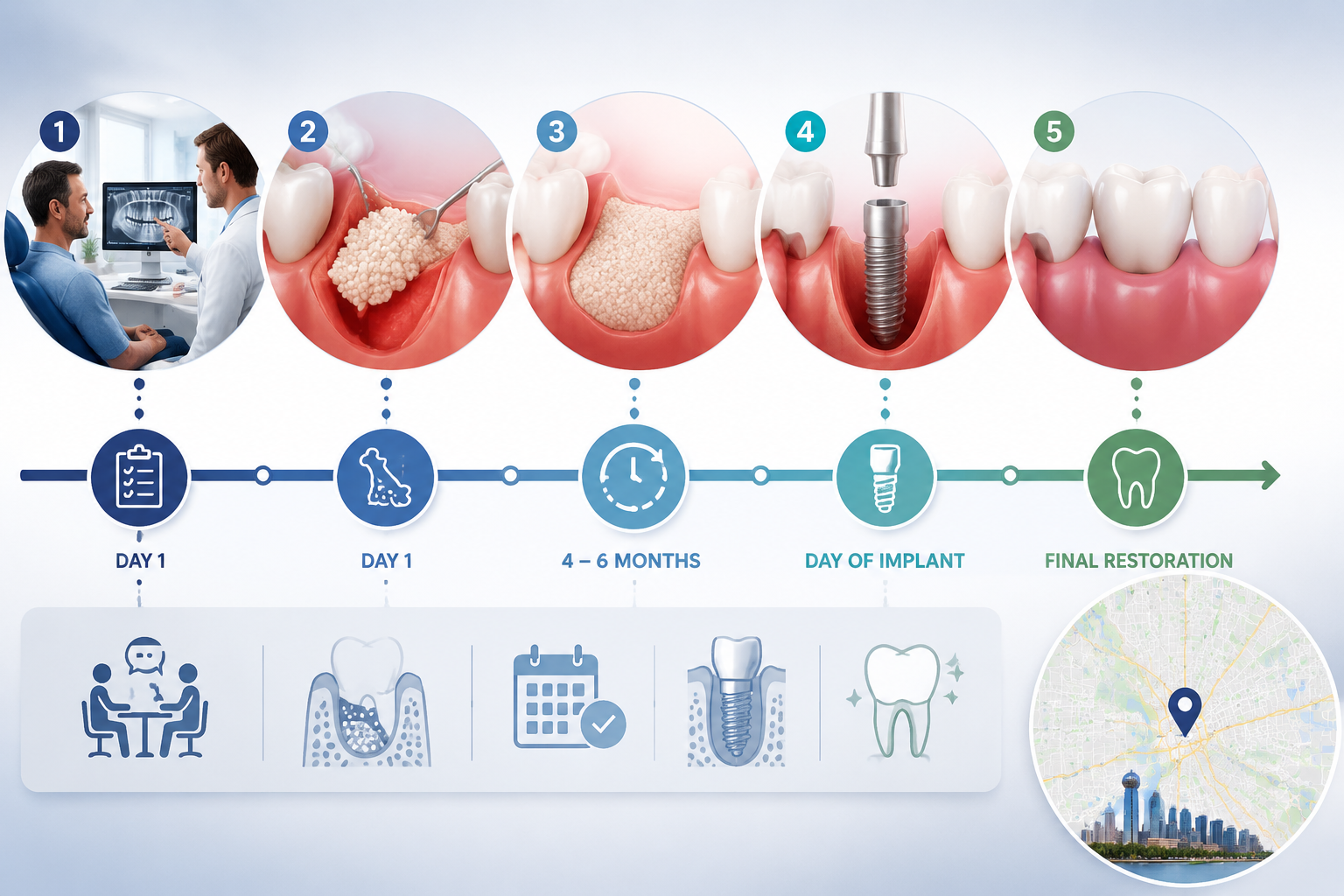
Bone grafts are generally necessary in the following situations:
- Insufficient Bone Volume: If the jawbone is not thick or wide enough to completely surround and support the dental implant.
- Insufficient Bone Height: If there isn’t enough vertical bone to anchor the implant securely without impacting nearby anatomical structures, such as the maxillary sinuses in the upper jaw or nerves in the lower jaw.
- Post-Extraction Bone Loss: When a tooth has been missing for an extended period, the bone naturally resorbs. A socket preservation graft immediately after extraction can often prevent significant bone loss, reducing the need for more extensive grafting later.
- Gum Disease or Trauma: Periodontal disease or injuries can lead to significant bone destruction, requiring grafting to rebuild the necessary support for implants.
During your Navigating Dental Implant Consultations in Dallas: Essential Questions to Ask for Transparent Pricing and Treatment Plans, your dentist will explain if a bone graft is needed, why, and what type of graft is recommended for your specific situation. This ensures you have a clear understanding of your treatment plan.
The Bone Graft Procedure and Recovery Timeline
The bone graft procedure itself is an outpatient surgery performed in the dental office, often under local anesthesia, sometimes with sedation for patient comfort. The steps generally include:
- Anesthesia: The area is numbed with local anesthetic. Sedation options are also available for those who prefer them.
- Incision: A small incision is made in the gum tissue to expose the jawbone.
- Graft Placement: The chosen bone graft material is carefully placed into the area of bone deficiency.
- Membrane Placement (Optional): A protective membrane (resorbable or non-resorbable) may be placed over the graft to contain the bone material and guide new bone growth, preventing soft tissue from growing into the graft site.
- Sutures: The gum tissue is then closed with sutures.
Recovery and Healing
After the bone graft procedure, a crucial healing period is required. This allows your body to integrate the graft material and generate new, strong bone. This process can take anywhere from 4 to 9 months, or sometimes longer, depending on the extent of the graft and individual healing capabilities. During this time, the graft material acts as a scaffold, stimulating your body’s natural bone-forming cells to grow into the area.
Once sufficient new bone has formed and integrated, your dentist will confirm readiness for the next stage of the dental implant procedure: the surgical placement of the dental implant. It’s important to understand that this healing period is vital for the long-term success of your dental implants. Patient safety and predictable outcomes are prioritized throughout this multi-stage process.
Costs Associated with Bone Grafts in Dallas
Understanding the financial aspect of bone grafts is an important part of exploring dental implants in Dallas. The cost of a bone graft can vary significantly based on several factors, including:
- Type of Graft Material: Autografts, which require a second surgical site for harvesting, can sometimes be more expensive due to additional surgical time. Synthetic materials or allografts may have different price points.
- Extent of Grafting Required: A small socket preservation graft will cost less than a larger bone augmentation for significant bone loss or a sinus lift.
- Anesthesia and Sedation: The type of anesthesia used (local, oral sedation, IV sedation) will influence the overall cost.
- Dental Professional’s Fees: Fees vary among dentists and oral surgeons based on their experience, specialization, and practice location within Dallas.
- Diagnostic Imaging: The cost of 3D CT scans, which are crucial for planning, may be included in the overall treatment plan or billed separately.
Generally, the cost for a single bone graft procedure in Dallas can range from $300 for a minor socket preservation to $1,500 – $3,000 for a more extensive ridge augmentation, and a sinus lift procedure can range from $1,500 to $5,000 per side, depending on complexity and materials. These figures are estimates for 2026 and can change.
It is important to discuss all potential costs with your dental provider during your consultation. Many clinics offer financing options to help manage the cost of dental implants in Dallas. For a broader perspective on costs, you can compare Dallas Dental Implant Cost vs National Averages 2026: Why Texas Saves You Thousands.
Ensuring Long-Term Oral Health with Bone Grafts and Dental Implants
The decision to undergo a bone graft as part of your dental implant journey is an investment in your long-term oral health. When performed correctly and given adequate healing time, bone grafts provide the essential foundation needed for dental implants to be successful and durable. This proactive approach helps prevent future complications and ensures the longevity of your new teeth.
Choosing the right dental professional for your dental implant and bone graft procedures in Dallas is paramount. Look for a dentist or oral surgeon with extensive experience in implant dentistry and advanced grafting techniques. A skilled practitioner will accurately diagnose your needs, recommend the most appropriate graft type, and meticulously plan your treatment to achieve optimal results.
Remember that good oral hygiene practices and regular dental check-ups are critical after implant placement and for maintaining overall long-term oral health. By understanding the role of bone grafts in Dallas dental implant success: costs, types, and when they’re necessary, you are better equipped to navigate your treatment options and achieve a healthy, confident smile.
Conclusion
Bone grafts play a fundamental and often critical role in the success of dental implants for many patients in Dallas. By rebuilding or enhancing the jawbone, these procedures create the stable and robust foundation necessary for implants to integrate and function effectively for years to come. While they add an additional step and cost to the overall dental implant process, the investment in a bone graft is often essential for achieving predictable, long-lasting results and safeguarding your oral health.
If you are considering dental implants for missing teeth solutions, especially if you have experienced tooth loss for some time, a consultation with a qualified dental professional in Dallas is the crucial first step. They can assess your individual bone structure, explain if a bone graft is necessary, discuss the specific type of graft best suited for you, and provide a clear breakdown of the implant cost in Dallas, including any grafting procedures. Prioritizing informed decision-making and professional consultation ensures the best possible outcome for your journey to a restored smile.
References
- American Academy of Implant Dentistry. (2023). Bone Grafting. Retrieved from https://www.aaid.com/dental-implants/bone-grafting.html
- Misch, C. E. (2008). Contemporary Implant Dentistry (3rd ed.). Mosby Elsevier.
- Wang, H. L., & Tsao, Y. P. (2012). Bone graft materials for dental implant applications: a review. Journal of Biomedical Materials Research Part B: Applied Biomaterials, 100(6), 1605-1616.
Meta Title: Bone Grafts & Dallas Dental Implants: Costs, Types, Necessity 2026 Meta Description: Learn the essential role of bone grafts in Dallas dental implant success in 2026, including costs, types, and when they’re necessary for strong, lasting results.