For individuals in Dallas seeking to restore their smile and oral health, dental implants offer a robust and long-lasting solution for missing teeth. As we look at 2026, two primary materials dominate the discussion: titanium and zirconia. Understanding the fundamental differences in Titanium vs Zirconia Dental Implants in Dallas 2026: Cost, Durability & Allergy Benefits is crucial for making an informed decision about your tooth replacement options. This comprehensive article will break down the material differences, explore the latest pricing updates in Dallas, discuss their longevity and suitability, and highlight specific allergy benefits, guiding you toward the best choice for your long-term oral health.
Key Takeaways
- Titanium implants are the long-standing gold standard, known for their exceptional strength, proven track record, and cost-effectiveness.
- Zirconia implants offer a metal-free, aesthetically superior alternative, often preferred for their hypoallergenic properties and natural appearance.
- In Dallas for 2026, zirconia implants typically carry a higher initial cost than titanium, though prices can vary significantly between clinics.
- Both materials offer excellent durability and long-term success rates, but zirconia’s relative newness means titanium has a more extensive clinical history.
- Patients with metal sensitivities or those prioritizing a completely white, natural aesthetic may find zirconia more appealing.
Understanding the Materials: Titanium vs. Zirconia Dental Implants
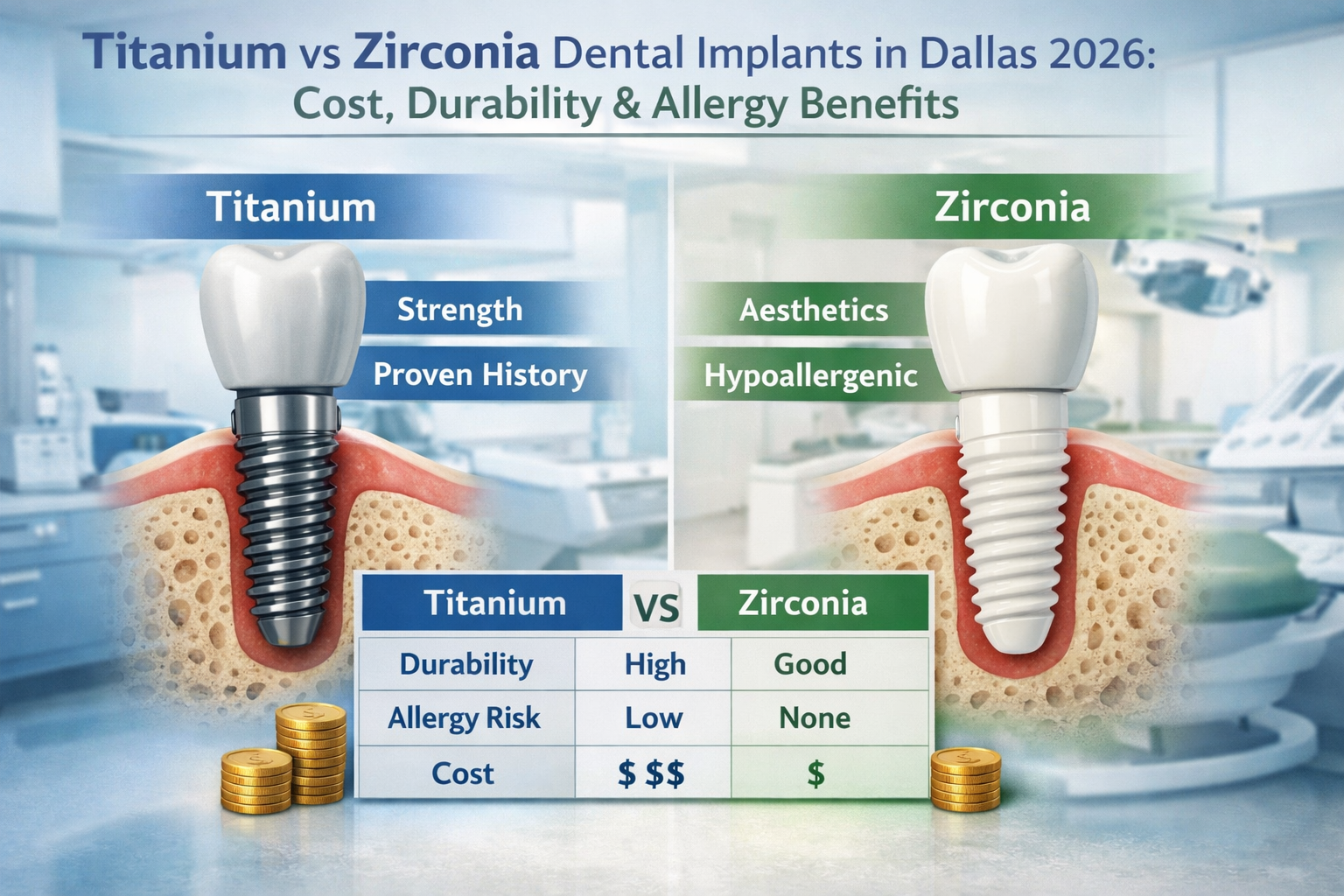
When considering dental implants in Dallas, the material choice for the implant post itself is a significant factor. Both titanium and zirconia are biocompatible, meaning they are well-tolerated by the human body and integrate effectively with bone tissue – a process called osseointegration. However, their distinct properties lead to different benefits and considerations for patients.
Titanium Dental Implants: The Established Standard
Titanium has been the material of choice for dental implants for decades, with a robust clinical history dating back to the 1960s (Branemark et al., 1977). This metal is renowned for its exceptional strength-to-weight ratio and ability to fuse seamlessly with bone.
- Composition and Biocompatibility: Titanium is a strong, lightweight metal. It forms a passive oxide layer when exposed to air or bodily fluids, which is highly resistant to corrosion and is key to its biocompatibility. This layer allows the bone to grow directly onto the implant surface, creating a stable foundation.
- Durability and Longevity: Titanium implants boast impressive durability, capable of withstanding the significant chewing forces exerted in the mouth. With proper oral hygiene and regular dental check-ups, titanium implants can last a lifetime, making them a highly reliable long-term oral health solution.
- Clinical Track Record: The extensive research and successful long-term outcomes associated with titanium implants have solidified their position as the industry standard. Dentists and oral surgeons in Dallas have vast experience working with titanium, contributing to predictable treatment outcomes.
Zirconia Dental Implants: The Esthetic Alternative
Zirconia, a ceramic material, has gained popularity as an alternative to titanium, particularly for patients seeking a metal-free option. It was first introduced for dental implants in the early 2000s and has since advanced significantly (Kohal & Klaus, 2004).
- Composition and Biocompatibility: Zirconia is a crystalline oxide of zirconium, often referred to as “ceramic steel” due to its impressive strength. Its white, tooth-like color is a major aesthetic advantage, especially for implants placed in highly visible areas. Like titanium, zirconia is highly biocompatible and osseointegrates well with bone.
- Allergy Benefits and Metal-Free: One of the most compelling benefits of zirconia is its completely metal-free nature. While true titanium allergies are rare, they can occur. For patients with known metal sensitivities, or those who prefer to avoid metals in their body, zirconia offers a hypoallergenic alternative. It also eliminates concerns about galvanic currents that can sometimes arise with multiple metal restorations in the mouth.
- Aesthetics: The white color of zirconia eliminates the risk of a gray line showing through the gums, which can sometimes occur with titanium implants, particularly in patients with thin gum tissue. This makes zirconia an excellent choice for achieving a highly natural-looking smile.
Titanium vs Zirconia Dental Implants in Dallas 2026: Cost, Durability & Allergy Benefits
When making decisions about dental implants in Dallas, patients frequently weigh the financial investment against the long-term benefits and suitability for their individual needs. Let’s delve into the specific aspects of cost, durability, and allergy considerations for both implant types in the current year, 2026.
Cost Comparison in Dallas 2026 💰
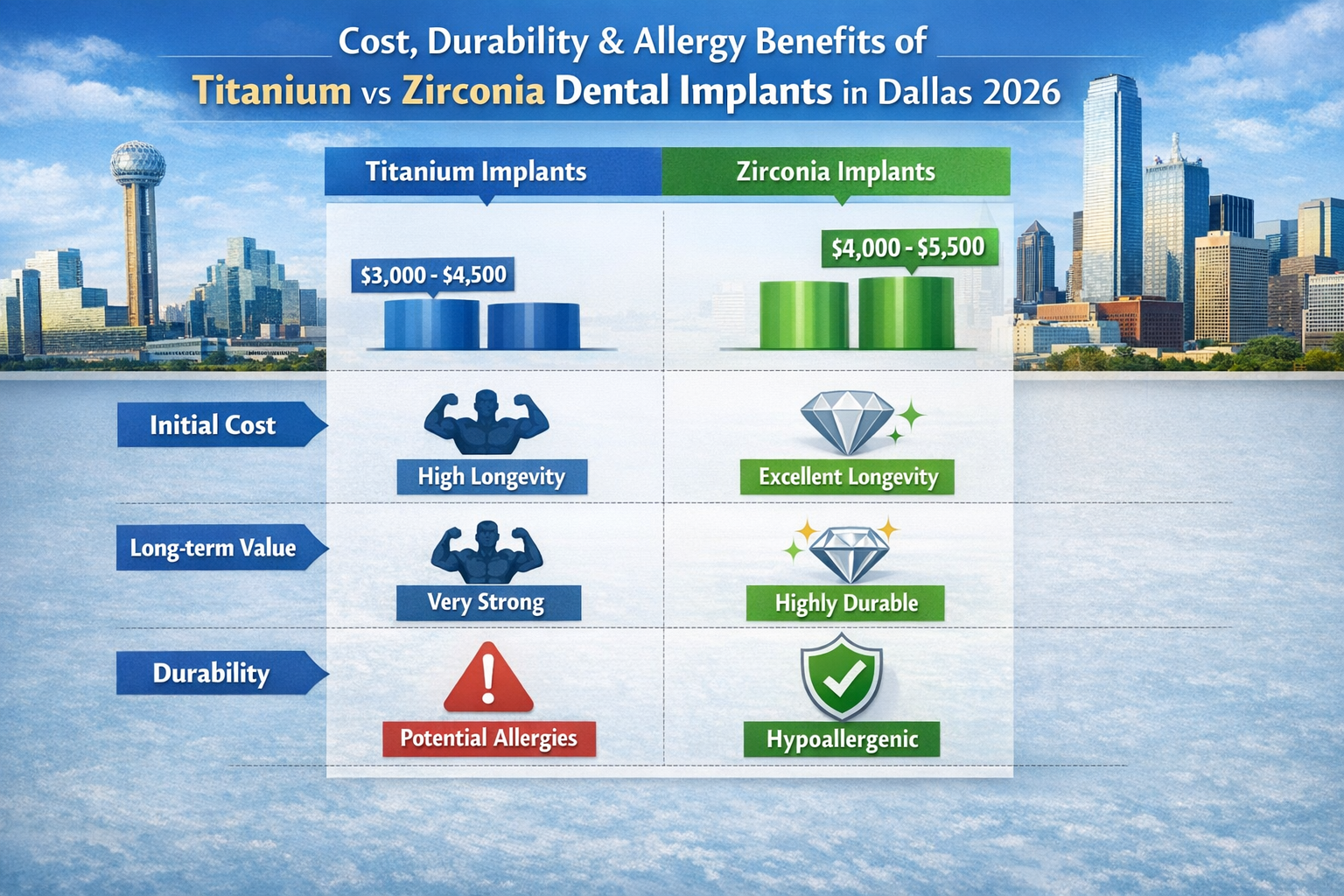
The cost of dental implants can vary widely based on the complexity of the case, the need for supplementary procedures like bone grafting or sinus lifts, the dentist’s experience, and the specific materials used. In Dallas for 2026, here’s a general overview of how titanium and zirconia typically compare:
- Titanium Implant Costs: Titanium implants often present a more cost-effective entry point for tooth replacement in Dallas. The established manufacturing processes and wider availability contribute to their comparatively lower price.
- Average Single Titanium Implant Cost in Dallas (2026): While prices vary, a single titanium implant post in Dallas might range from $1,500 to $3,000, not including the abutment and crown.
- For a comprehensive breakdown, including the crown and abutment, patients can expect total costs for a single titanium implant to range from $3,000 to $6,000 or more, depending on the specifics. For more insights into single implant pricing, refer to our guide on Single Tooth Implant Costs in Dallas 2026: What Patients Pay.
- Zirconia Implant Costs: Zirconia implants generally command a higher price tag than titanium. This is largely due to the specialized manufacturing processes for ceramics and their more recent adoption in the market.
- Average Single Zirconia Implant Cost in Dallas (2026): For the implant post alone, zirconia might range from $2,000 to $4,000.
- Including the abutment and crown, a single zirconia implant could range from $4,000 to $7,500 or more in Dallas.
- It’s important to note that these are estimates, and a consultation with a dentist is essential for accurate pricing. Discover more about overall implant costs by visiting our Demystifying Dental Implant Costs: A 2025 Guide to Average Prices & Value.
Factors Influencing Cost:
- Ancillary Procedures: Procedures like bone grafts or sinus lifts can add significantly to the overall cost, regardless of the implant material.
- Clinic Location and Expertise: Premier dental implant clinics in Dallas with highly experienced specialists may have higher fees.
- Insurance Coverage: Most dental insurance plans do not fully cover dental implants, often classifying them as cosmetic. However, some plans may cover a portion of diagnostic services or preparatory procedures. Explore options like Medicare Dental Implant Coverage Texas 2026 for potential assistance.
- Financing Options: Many Dallas dental practices offer financing plans to make implants more accessible. See our guide on Dallas Dental Implant Financing Options for details.
Durability and Success Rates 💪
Both titanium and zirconia implants boast high success rates and excellent long-term durability.
- Titanium Durability: With decades of clinical data, titanium implants have a proven success rate exceeding 95% over 10 years (Adell et al., 1981). Their strength makes them highly resistant to fracture, especially beneficial for posterior teeth that endure heavy chewing forces. The connection between the implant and abutment (the piece connecting the implant to the crown) is also very strong and well-researched for titanium systems.
- Zirconia Durability: Zirconia implants are remarkably strong and resistant to fracture, despite being a ceramic. They have a success rate comparable to titanium in available studies, typically in the high 90s (Gahlert et al., 2012). However, as a newer material, the ultra-long-term data (beyond 10-15 years) is not as extensive as with titanium. Zirconia implants are often designed as a one-piece unit (implant and abutment combined), which can eliminate the micro-gap found in two-piece titanium systems, potentially reducing bacterial accumulation.
Allergy Benefits and Biocompatibility (Metal-Free vs. Metal) 🛡️
This is where zirconia truly shines for a specific patient demographic.
- Titanium and Allergies: While titanium is highly biocompatible, a very small percentage of the population may exhibit sensitivity or allergic reactions to titanium or its alloys, though these are exceedingly rare in a clinical dental setting (Sicilia et al., 2008). Symptoms, if they occur, might include localized inflammation, discomfort, or persistent gingivitis around the implant site.
- Zirconia and Allergies: Zirconia is an inert ceramic material, making it entirely metal-free and inherently hypoallergenic. For patients with diagnosed metal allergies, autoimmune disorders, or those who simply prefer to avoid any metal in their body for health or personal philosophy reasons, zirconia is the preferred choice. It offers peace of mind regarding potential sensitivities. Furthermore, zirconia is considered more biologically inert, potentially reducing plaque accumulation around the implant due to its smooth surface and resistance to bacterial adhesion.
Making an Informed Decision: Consultation and Personalized Care in Dallas
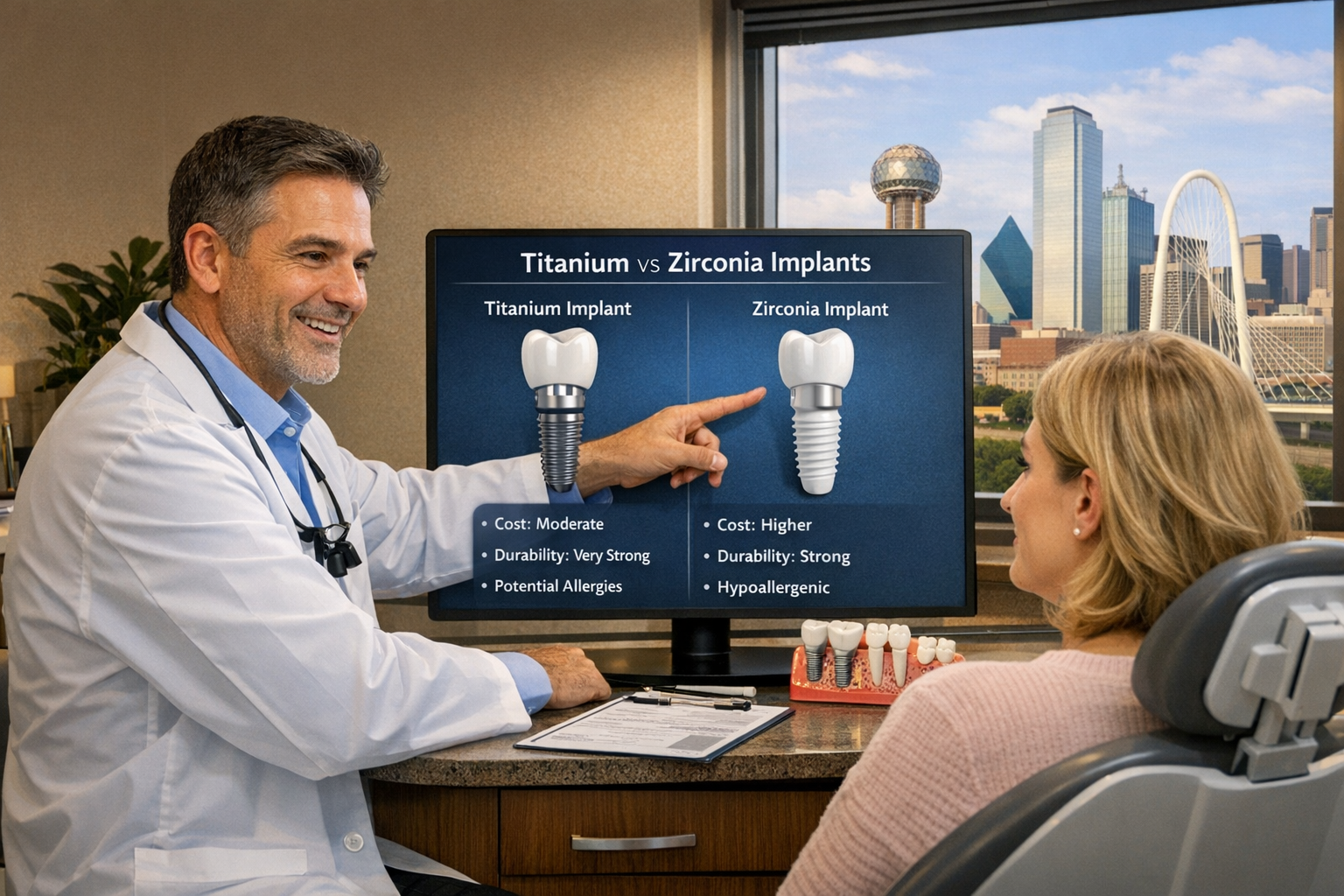
Choosing between titanium and zirconia dental implants is a personal decision that should be made in close consultation with a qualified dental professional in Dallas. While this article provides a comprehensive overview of Titanium vs Zirconia Dental Implants in Dallas 2026: Cost, Durability & Allergy Benefits, your unique oral health situation, aesthetic goals, and budget will ultimately guide the recommendation.
What to Discuss During Your Consultation
When you meet with a Dallas dentist or oral surgeon, be prepared to discuss the following:
- Medical History: Disclose any known allergies (especially metal allergies), autoimmune conditions, or chronic diseases. This is crucial for assessing your suitability for different materials.
- Oral Health Status: Your dentist will evaluate your bone density, gum health, and overall oral hygiene. These factors influence the success of any implant.
- Aesthetic Goals: If your missing tooth is in a highly visible area and you have thin gum tissue, the aesthetic advantage of zirconia’s white color might be a priority.
- Budget and Insurance: Understand the full cost of the procedure, including all components (implant, abutment, crown), and discuss payment plans or financing options available. For more information on overall dental implant procedure cost, read our guide to Unlocking Your Smile: A Comprehensive Guide to Dental Implant Procedure Cost in 2025.
- Dentist’s Recommendation: Trust your dentist’s expertise. They will recommend the material they believe is best suited for your specific case based on their clinical assessment and experience.
“Choosing the right dental implant material is a partnership between the patient and their dental care provider. It’s about combining advanced clinical knowledge with individual patient needs and preferences for the best possible long-term outcome.”
– Dental Implant Education – Dallas TX
The Importance of a Qualified Dallas Dental Professional
Regardless of whether you choose titanium or zirconia, the success of your dental implant procedure hinges significantly on the expertise of the dental team performing the surgery. Look for a dentist in Dallas who:
- Has extensive experience with dental implant surgery and has completed specialized training in implantology.
- Utilizes advanced diagnostic tools, such as 3D CT scans, for precise treatment planning.
- Provides clear, transparent information about all aspects of the procedure, including risks, benefits, and costs.
- Offers comprehensive follow-up care and guidance for long-term implant maintenance.
Taking the time for a thorough consultation with a reputable professional in Dallas is the best way to ensure you make the most informed decision for your smile and overall oral health.
Conclusion
Both titanium and zirconia dental implants offer excellent, long-lasting solutions for missing teeth, providing significant improvements in chewing function, speech, and aesthetic appeal. For Dallas residents in 2026, the choice between them often comes down to a balance of cost, specific health considerations like allergies, and aesthetic preferences.
Titanium remains the well-established, durable, and generally more affordable option with a vast body of long-term research. Zirconia, while typically costing more, provides a metal-free, hypoallergenic, and highly aesthetic alternative that is increasingly favored by those with specific sensitivities or a strong desire for a completely natural-looking restoration.
Ultimately, the best path forward involves a personalized assessment and a detailed discussion with a skilled dental implant specialist in Dallas. By understanding the unique advantages of each material, you can confidently choose the solution that best fits your individual needs, ensuring a healthy, beautiful smile for years to come. Schedule a consultation with a dentist today to explore which tooth replacement option is ideal for your long-term oral health journey.
References
- Adell, R., Lekholm, U., Branemark, P. I., & Eriksson, B. (1981). A 15-year study of osseointegrated implants in the treatment of the edentulous jaw. International Journal of Oral Surgery, 10(6), 387-416.
- Branemark, P. I., Hansson, B. O., Adell, R., Breine, U., Lindstrom, J., Hallen, O., & Ohman, A. (1977). Osseointegrated implants in the treatment of the edentulous jaw. Experience from a 10-year period. Scandinavian Journal of Plastic and Reconstructive Surgery. Supplementum, 16, 1-132.
- Gahlert, M., Gahlert, B., & Eichhorn, S. (2012). Clinical performance of zirconia dental implants: a meta-analysis. International Journal of Oral and Maxillofacial Implants, 27(5), 1167-1175.
- Kohal, R. J., & Klaus, G. (2004). A zirconia implant-abutment interface design that allows for cement-free restorations. Clinical Oral Implants Research, 15(5), 629-631.
- Sicilia, A., Cuesta, S., Coma, G., Arregui, I., Galvan, J., Pablo, G., … & Guitian, F. (2008). Titanium allergy in dental implantology: a review and proposal of a biological test for diagnosis. International Journal of Oral and Maxillofacial Implants, 23(5).