
Losing a tooth can have far-reaching consequences beyond just aesthetics. One of the most significant impacts is the potential for bone loss in the jaw, which can complicate future tooth replacement options, particularly dental implants. For individuals considering dental implants in Dallas, understanding the relationship between dental implants and bone loss: prevention, solutions, and how it impacts cost in Dallas is crucial. This article provides a comprehensive overview, designed to educate patients and help them make informed decisions about their long-term oral health.
Dental implants are a highly effective and durable solution for missing teeth, offering stability and functionality that mimics natural teeth. However, successful implant integration relies heavily on the presence of adequate, healthy jawbone. When a tooth is lost, the bone that once supported it no longer receives stimulation, leading to a process called bone resorption, where the bone tissue gradually deteriorates. Addressing this bone loss is often a critical step in the dental implant procedure, directly influencing the complexity and overall cost of treatment.
Key Takeaways
- Bone loss occurs naturally after tooth extraction or loss, potentially complicating dental implant placement.
- Preventative measures like prompt tooth replacement and good oral hygiene are vital.
- Solutions for existing bone loss, such as bone grafting and sinus lifts, can create the necessary foundation for implants.
- These bone augmentation procedures significantly impact the overall implant cost in Dallas.
- A thorough consultation with an experienced Dallas dentist is essential to assess bone density and determine the most appropriate treatment plan and associated expenses.
Understanding Bone Loss and Its Impact on Dental Implants in Dallas
The jawbone plays a foundational role in supporting teeth. When a tooth is extracted or lost due to injury, decay, or gum disease, the body no longer receives the signals to maintain the bone in that area. This leads to a reduction in bone volume and density, known as alveolar bone resorption. This process can begin almost immediately after tooth loss and can progress significantly over time.
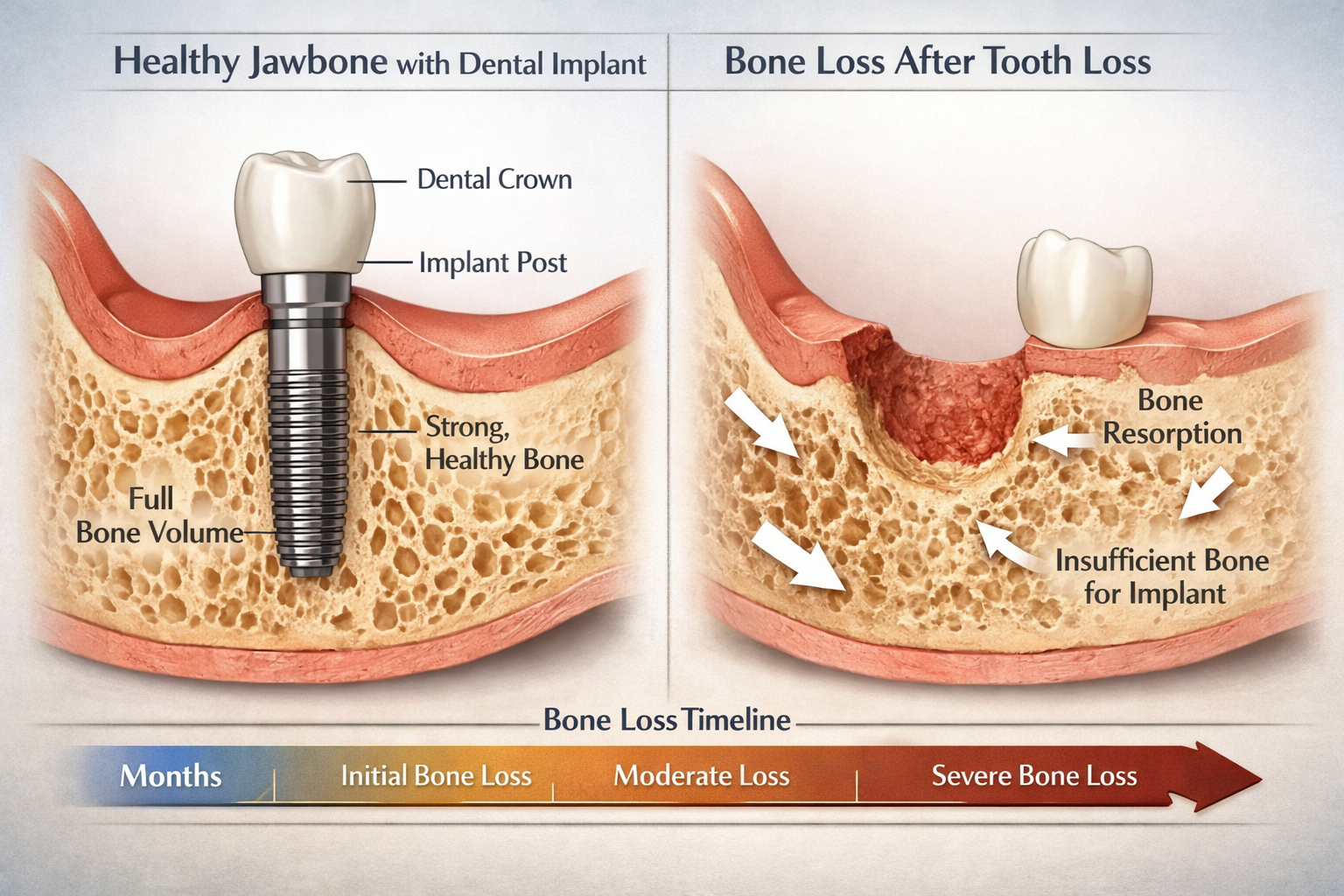
For patients seeking dental implants in Dallas, sufficient bone quality and quantity are paramount. A dental implant, which is a small, screw-shaped post, needs to integrate directly with the jawbone (a process called osseointegration) to provide a stable anchor for a crown, bridge, or denture. If there isn’t enough bone, the implant may not be securely placed, leading to instability or even failure.
Causes of Jawbone Loss
Several factors contribute to jawbone loss:
- Tooth Extraction: The most common cause. The bone supporting the tooth begins to resorb once the tooth is gone.
- Periodontal (Gum) Disease: Chronic gum infections can erode the bone supporting the teeth.
- Trauma: Injuries that result in tooth loss or bone damage can lead to resorption.
- Dentures and Bridges: While they replace missing teeth, traditional dentures and bridges do not stimulate the jawbone, which can lead to continued bone loss underneath them.
- Infections: Abscesses or severe dental infections can destroy bone tissue.
- Developmental Defects or Systemic Conditions: In rare cases, certain medical conditions or congenital issues can contribute to bone density problems.
Understanding these causes is the first step in addressing dental implants and bone loss: prevention, solutions, and how it impacts cost in Dallas.
Prevention and Solutions for Bone Loss Before Dental Implants
Fortunately, there are various strategies for both preventing further bone loss and regenerating lost bone to create a suitable foundation for dental implants.
Preventing Bone Loss
The best approach to bone loss is prevention.
- Prompt Tooth Replacement: Replacing a missing tooth as soon as possible, ideally with a dental implant, helps preserve the jawbone. Implants act like natural tooth roots, stimulating the bone and preventing resorption. Our guide on Dental Implants After Tooth Extraction Dallas: Timing, Costs offers more insights.
- Excellent Oral Hygiene: Regular brushing, flossing, and professional dental check-ups help prevent gum disease, a major contributor to bone loss.
- Addressing Gum Disease: Early and effective treatment of periodontal disease can halt its progression and prevent further bone deterioration.
- Avoiding Smoking and Excessive Alcohol: These habits can negatively impact oral health and impede healing, exacerbating bone loss.
Solutions for Existing Bone Loss
When bone loss has already occurred, several advanced procedures can rebuild the jawbone, making dental implants a viable option.
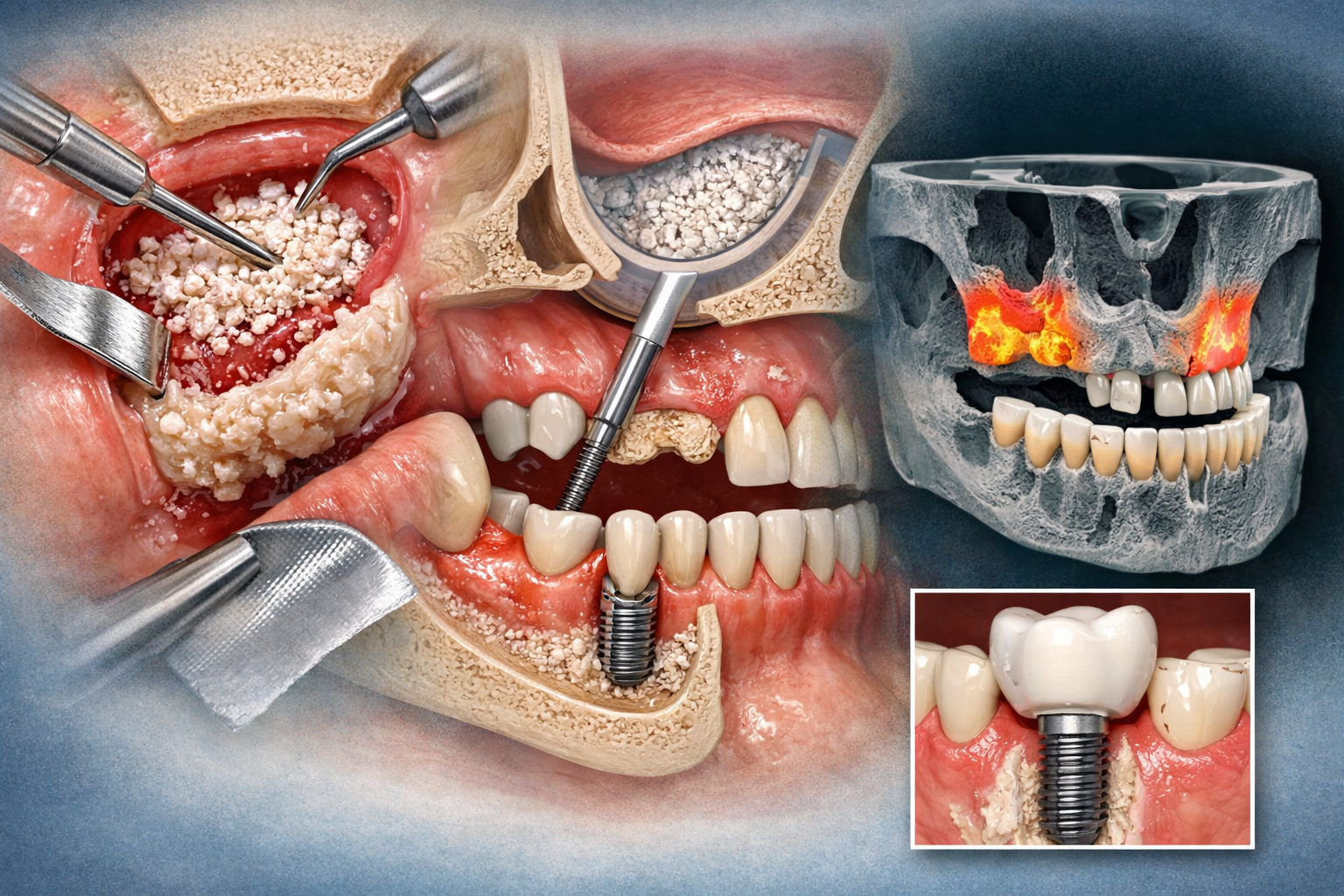
Bone Grafting: This is the most common solution. During a bone graft, bone material (either from the patient, a donor, an animal source, or synthetic) is added to the deficient area of the jaw. Over time, this grafted material integrates with the existing bone, stimulating new bone growth and creating a robust foundation for the implant.
- Types of Bone Grafts:
- Autogenous Grafts: Bone harvested from the patient’s own body (e.g., jaw, hip, shin).
- Allografts: Bone from a human donor.
- Xenografts: Bone from an animal source, typically bovine (cow).
- Alloplasts: Synthetic bone materials.
- The choice of graft material depends on the extent of bone loss and the dentist’s preference.
- You can learn more about related costs in our article on bone grafting costs for dental implants.
- Types of Bone Grafts:
Sinus Lift (Sinus Augmentation): This specialized bone grafting procedure is performed when there is insufficient bone in the upper jaw, particularly in the molar and premolar regions, due to the proximity of the maxillary sinuses. The sinus membrane is gently lifted, and bone graft material is placed into the space created beneath it, allowing for new bone formation. For a deeper dive into this, check out our piece on sinus lift bone graft necessity in Dallas.
Ridge Augmentation: Similar to bone grafting, this procedure specifically addresses the height and/or width of the jawbone ridge, which may have collapsed after tooth extraction.
Guided Bone Regeneration (GBR): This technique involves placing a membrane over the bone graft material to protect it and guide new bone growth, preventing soft tissue from growing into the area where bone needs to form.
Zygomatic Implants: In severe cases of upper jawbone loss, where extensive grafting might be impractical or insufficient, zygomatic implants offer an alternative. These longer implants anchor into the zygoma (cheekbone), bypassing the need for significant bone grafting in the maxilla. Our article on Zygomatic Implants Dallas TX 2026 provides detailed information.
The selection of a specific bone augmentation technique will be determined during a comprehensive consultation with a qualified dentist in Dallas, based on individual patient needs and the extent of bone loss.
How Bone Loss Solutions Impact Dental Implant Cost in Dallas
The need for bone grafting or other bone augmentation procedures directly influences the overall cost of dental implants in Dallas. These procedures are additional steps in the treatment plan, requiring extra surgical time, materials, and follow-up care.
Components of Dental Implant Cost
The total cost of a dental implant typically includes:
- Initial Consultation and Diagnostics: X-rays, 3D CBCT scans, treatment planning.
- Bone Grafting/Augmentation (if needed): This is where bone loss significantly adds to the cost.
- Implant Placement Surgery: The surgical insertion of the titanium post into the jawbone.
- Abutment: The connector piece between the implant and the crown.
- Restoration (Crown, Bridge, or Denture): The visible part of the tooth replacement.
- Follow-up Appointments and Healing Time.
Cost Implications of Bone Loss in Dallas (2026)
When bone grafting is necessary, it is an additional expense layered on top of the base dental implant cost. Here’s a general breakdown of how these procedures impact the total:
| Procedure | Estimated Cost Range in Dallas (2026) | Impact on Total Implant Cost |
|---|---|---|
| Simple Bone Graft (per site) | $400 – $1,200 | Adds moderate cost |
| Extensive Bone Graft (per site) | $1,200 – $2,500 | Adds significant cost |
| Sinus Lift (per side) | $1,500 – $3,500 | Adds substantial cost |
| Ridge Augmentation (per site) | $800 – $2,000 | Adds moderate to significant cost |
| Zygomatic Implants (per implant) | $4,000 – $7,000 (often part of a full-arch solution) | High initial cost, may avoid multiple grafts |
Note: These are estimated ranges for 2026 in Dallas and can vary based on the complexity of the case, the type of material used, the dentist’s fees, and geographic location within Dallas. For more specific cost details, a consultation with a dentist is always recommended.
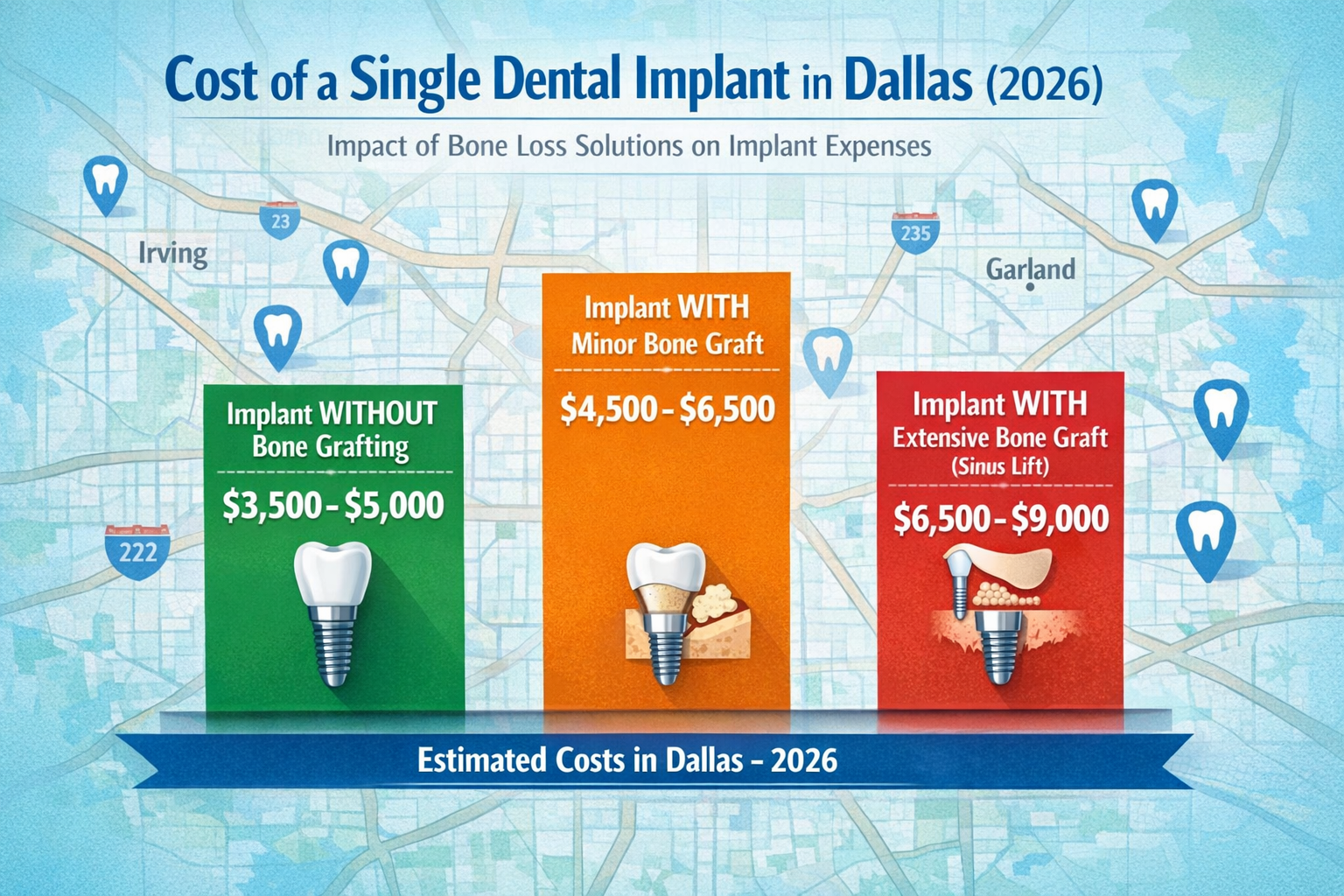
A single tooth implant in Dallas might range from $3,000 to $5,000 without any bone grafting. If a bone graft is required, this figure could easily increase to $4,000 – $7,000 or more per implant, depending on the extent of the grafting needed. For more information on individual implant costs, refer to our article on single tooth implant cost Dallas 2026. For full mouth solutions, the impact of grafting can be even more pronounced, as discussed in Full Mouth Dental Implants Dallas: 2026 Cost Comparison.
Financial Considerations and Insurance
While bone grafting adds to the upfront cost, it’s often a necessary investment to ensure the long-term success and stability of dental implants. Many dental insurance plans may offer some coverage for bone grafting if it’s deemed medically necessary for implant placement, though coverage can vary widely. Patients in Dallas should discuss their insurance benefits with their dental provider’s office and inquire about financing options.
It is always advisable to get a detailed breakdown of all expected costs, including any bone augmentation procedures, during your initial consultation with a dental professional in Dallas. Transparent pricing helps ensure you understand the full financial commitment.
The Importance of Consultation and Patient-First Care in Dallas
Choosing to pursue dental implants is a significant decision for your oral health. Given the potential complexities involving bone loss, a thorough and patient-focused approach is essential. A reputable dental implant provider in Dallas will prioritize comprehensive diagnostics and clear communication.
During your initial consultation, a dentist specializing in dental implants will perform a detailed examination, which typically includes:
- Visual Assessment: Evaluating the overall condition of your teeth, gums, and oral structures.
- X-rays and 3D CBCT Scans: These advanced imaging techniques provide a precise view of your jawbone density, volume, and the location of vital anatomical structures like nerves and sinuses. This is crucial for assessing bone loss and planning the implant placement.
- Discussion of Medical History: Understanding any systemic conditions or medications that might affect bone health or healing.
- Personalized Treatment Plan: Based on the assessment, the dentist will outline the most appropriate treatment path, including whether bone grafting is needed, the type of implant procedure, and an estimated timeline.
- Detailed Cost Estimate: A transparent breakdown of all anticipated costs, including any necessary bone augmentation procedures, will be provided.
The goal of Dental Implant Education – Dallas TX is to empower you with knowledge so you can engage in meaningful discussions with your dentist. We encourage you to ask questions about every aspect of your proposed treatment plan, including alternatives, potential risks, success rates, and the long-term benefits for your oral health. Remember, a trusted dental professional will always put patient safety and education first, ensuring you feel confident and comfortable with your choices for missing teeth solutions.
Conclusion
Dental implants and bone loss: prevention, solutions, and how it impacts cost in Dallas is a critical topic for anyone considering this effective tooth replacement option. While bone loss can present challenges, modern dentistry offers sophisticated solutions to address it, making dental implants accessible to a wider range of patients. Prevention through timely tooth replacement and diligent oral hygiene is ideal, but when bone loss has occurred, procedures like bone grafting and sinus lifts can successfully rebuild the jawbone foundation.
It is important for patients in Dallas to understand that these additional procedures will influence the total cost of their dental implant treatment. However, investing in bone augmentation ensures the long-term stability and success of the implants, ultimately providing a durable and functional solution for missing teeth. By seeking a comprehensive consultation with a qualified dental implant professional in Dallas, you can gain a clear understanding of your specific needs, the recommended solutions, and a transparent overview of the associated costs, enabling you to make the best decision for your long-term oral health.