
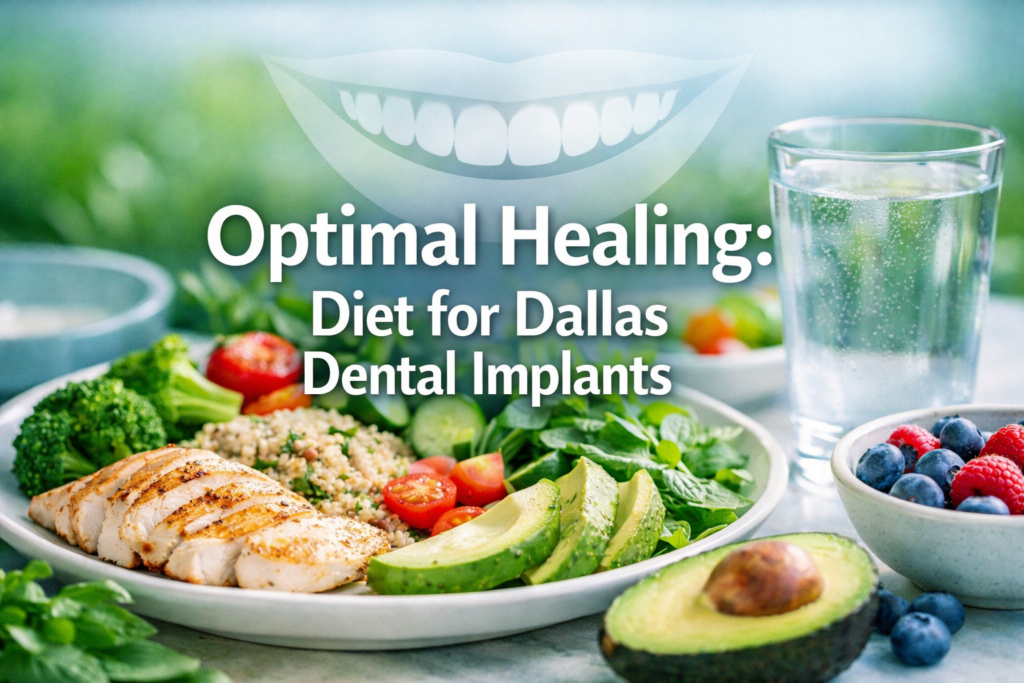
Undergoing a dental implant procedure is a significant step toward restoring your smile and oral health. While the surgical expertise of your Dallas dental professional is paramount, the journey to a successful, long-lasting implant doesn’t end when you leave the clinic. In fact, a crucial, often underestimated factor in your recovery and the sustained success of your implant lies in what you eat. This article delves into The Role of Diet and Nutrition in Dental Implant Healing and Longevity in Dallas, providing a comprehensive guide for patients on optimal nutrition before and after implant surgery.
Beyond the surgery itself, what you choose to put on your plate can significantly impact the healing process and the long-term success of your dental implants. Understanding and implementing sound dietary practices can help ensure that your body has the necessary resources to recover efficiently and maintain the health of your new tooth replacement.
Key Takeaways
- Pre-Surgery Nutrition Matters: A well-nourished body is better equipped to handle surgery and facilitate healing.
- Initial Healing Requires Soft, Nutrient-Dense Foods: The first weeks post-op focus on minimizing irritation while maximizing nutrient intake.
- Specific Nutrients Are Crucial: Vitamins C, D, K, calcium, zinc, and protein are vital for bone regeneration and tissue repair.
- Long-Term Diet Supports Implant Longevity: A balanced, anti-inflammatory diet helps maintain oral and overall health, protecting your investment.
- Hydration is Essential: Adequate water intake supports healing and overall well-being throughout the process.
Optimizing Nutrition for Dental Implant Healing: The Initial Recovery Phase
The period immediately following dental implant surgery is critical. Your body is working diligently to heal the surgical site and integrate the dental implant with your jawbone, a process known as osseointegration. Proper nutrition during this phase is not just about comfort; it’s about providing the building blocks for successful recovery.
Immediate Post-Surgery Diet (First 7-10 Days)
The primary goal during the initial healing period is to consume soft, easy-to-chew foods that will not disturb the surgical site or put undue pressure on the implant. Simultaneously, these foods must be packed with nutrients to support your body’s restorative efforts.
Here’s a guide to ideal foods during this crucial phase:
- Liquids and Soft Foods: Start with clear liquids, broths, and nutrient-rich smoothies. Gradually introduce soft foods that require minimal chewing.
- Examples: Yogurt, applesauce, mashed potatoes, scrambled eggs, pureed soups, steamed fish, soft-cooked pasta, well-cooked vegetables.
- Avoid: Hard, crunchy, sticky, or spicy foods. Also, steer clear of hot beverages and alcohol, which can irritate the surgical site. Using a straw should also be avoided as the suction can dislodge the blood clot, leading to a painful condition called dry socket.
- Hydration: Drink plenty of water to stay hydrated. Water is vital for all bodily functions, including healing.
Key Nutrients for Healing
Certain vitamins and minerals play an outsized role in tissue repair, bone regeneration, and immune function, all of which are essential for successful dental implant integration.
| Nutrient | Role in Healing | Food Sources |
|---|---|---|
| Protein | Essential for tissue repair, collagen formation, and immune function. | Lean meats (ground, soft-cooked), fish, eggs, tofu, lentils, beans, yogurt, cottage cheese, protein shakes. |
| Vitamin C | Crucial for collagen production, wound healing, and immune support. | Citrus fruits (juices, smoothies), bell peppers, strawberries, kiwi, broccoli. |
| Vitamin D | Facilitates calcium absorption, vital for bone health and osseointegration. | Fortified milk/yogurt, fatty fish (salmon), egg yolks, sunlight exposure. |
| Calcium | The primary mineral component of bone. | Dairy products (milk, yogurt, cheese), fortified plant milks, leafy greens (spinach, kale). |
| Zinc | Involved in immune function, wound healing, and cell growth. | Lean meats, poultry, beans, nuts (ground or blended into smoothies), fortified cereals. |
| Vitamin K | Important for blood clotting and bone mineralization. | Leafy green vegetables (spinach, kale), broccoli, Brussels sprouts. |
Incorporating these nutrients into your soft diet will significantly support your body’s ability to heal and the implant success rates in Dallas. For patients in Dallas considering dental implants, understanding these nutritional aspects is as important as knowing the dental implant procedure cost.
The Role of Diet and Nutrition in Dental Implant Healing and Longevity
Once the initial healing phase is complete, your focus shifts to maintaining long-term oral health and supporting the longevity of your dental implants. This involves adopting a balanced, nutrient-rich diet that not only nourishes your body but also promotes a healthy oral environment.
Long-Term Dietary Habits for Implant Longevity
Maintaining optimal oral health extends beyond brushing and flossing; it’s deeply intertwined with your overall diet. For individuals with dental implants in Dallas, a mindful approach to eating can make a significant difference in how long their implants last.
- Balanced Diet: Continue to consume a wide variety of fruits, vegetables, whole grains, lean proteins, and healthy fats. This provides a spectrum of nutrients that support strong bones, healthy gums, and a robust immune system.
- Calcium and Vitamin D: These two nutrients remain paramount for maintaining bone density around your implants, ensuring stable osseointegration.
- Omega-3 Fatty Acids: Found in fatty fish (salmon, mackerel), flaxseeds, and walnuts, omega-3s possess anti-inflammatory properties that can benefit gum health and reduce the risk of peri-implantitis (inflammation around the implant).
- Antioxidants: Vitamins A, C, and E, along with other antioxidants found in colorful fruits and vegetables, help protect tissues from damage and support the body’s natural defense mechanisms.
- Limit Sugary and Acidic Foods/Drinks: These can contribute to gum disease and tooth decay in your natural teeth, potentially impacting the overall oral environment and indirectly affecting implant health. While implants themselves cannot decay, the surrounding gums and bone can still be affected by poor oral hygiene and diet.
- Avoid Excessive Hard or Chewy Foods: While implants are strong, constantly chewing extremely hard items like ice or certain candies can exert undue stress over time.
The Link Between Systemic Health and Oral Health
The mouth is often called a “mirror to the body,” reflecting overall health. Conditions such as diabetes, osteoporosis, and cardiovascular disease can all impact oral health and, by extension, the success and longevity of dental implants. A diet that supports general health also supports your dental implants.
For example, maintaining stable blood sugar levels through diet is crucial for diabetic patients, as uncontrolled diabetes can impair healing and increase the risk of implant complications. Similarly, a diet rich in calcium and vitamin D helps prevent osteoporosis, which can affect jawbone density and implant stability. Patients considering full mouth dental implants in Dallas should especially focus on this holistic approach.
The Role of Diet and Nutrition in Dental Implant Healing and Longevity in Dallas: Consulting a Professional
While this article provides general guidelines, individual nutritional needs can vary. Factors such as age, overall health, pre-existing conditions, and the specific type of missing teeth solutions you received (e.g., single implant vs. All-on-4 implants in Dallas) can all influence the best dietary approach.
When to Seek Expert Advice
Before and after your dental implant procedure, it is always recommended to discuss your dietary plan with your dental professional in Dallas. They can provide personalized advice based on your medical history and the specifics of your implant surgery.
- Pre-Surgery Consultation: Talk to your dentist about preparing your body nutritionally for surgery. They might suggest specific supplements or dietary adjustments.
- Post-Surgery Guidance: Your dentist will provide detailed post-operative instructions, which will include dietary recommendations tailored to your healing progress.
- Ongoing Support: If you have concerns about maintaining a healthy diet that supports your dental implants, especially if you have underlying health conditions, your dentist may refer you to a registered dietitian.
Dental Implant Education – Dallas TX is committed to providing comprehensive oral health education that empowers patients to make informed decisions. A consultation with a qualified dentist is the best way to ensure that your diet aligns with your healing and long-term oral health goals. They can also provide insights into implant cost in Dallas and financing options, making sure you are fully prepared for your dental implant journey.
“A well-nourished body is foundational to successful healing. For dental implant patients in Dallas, prioritizing a nutrient-rich diet is an active step in safeguarding their new smile and ensuring its longevity.”
Conclusion
The journey to a successful and long-lasting dental implant in Dallas is a partnership between advanced dental care and diligent patient self-care. The Role of Diet and Nutrition in Dental Implant Healing and Longevity in Dallas cannot be overstated. From the initial delicate healing phase to the long-term maintenance of your oral health, smart dietary choices provide the essential support your body needs.
By focusing on a diet rich in proteins, vitamins, and minerals, minimizing processed foods, and staying well-hydrated, you empower your body to heal efficiently and significantly contribute to the enduring success of your dental implants. Remember, your dentist is your primary resource for personalized advice and guidance throughout this process. Prioritizing your nutrition is an investment not only in your dental implants but in your overall health and well-being for years to come.