
For individuals in Dallas considering tooth replacement options, dental implants represent a significant investment in their long-term oral health and quality of life. Unlike traditional dentures or bridges, dental implants are designed to be a permanent solution, mimicking the natural tooth root and offering unparalleled stability. A common question for prospective patients is, “What is the longevity of dental implants in Dallas: What factors influence how long your investment lasts?” Understanding these factors is crucial for making an informed decision and maximizing the lifespan of your implant.
In 2026, advancements in dental technology and surgical techniques mean that dental implants boast impressive success rates and durability. With proper care, many dental implants can last a lifetime. However, their longevity isn’t solely determined by the initial procedure; a combination of clinical, biological, and lifestyle factors plays a significant role. This comprehensive guide will delve into these elements, providing Dallas residents with the knowledge needed to protect their valuable investment.
Key Takeaways
- High Success Rates: Dental implants generally have a success rate exceeding 95%, with many lasting for decades or even a lifetime.
- Initial Quality Matters: The skill of the dental professional, the quality of materials, and proper surgical placement are foundational to long-term success.
- Patient Oral Hygiene is Critical: Daily brushing, flossing, and regular dental check-ups are essential to prevent complications like peri-implantitis.
- Lifestyle Choices Impact Longevity: Smoking, excessive alcohol consumption, and uncontrolled systemic diseases can significantly reduce implant lifespan.
- Regular Professional Care: Routine visits to a Dallas dentist for cleanings and implant monitoring help detect and address issues early.
Clinical and Surgical Factors Affecting Dental Implant Longevity
The journey to a long-lasting dental implant begins long before the actual surgery. The careful planning, the expertise of the dental team, and the quality of the materials used are paramount in determining the long-term success and stability of your tooth replacement.
The Expertise of Your Dental Professional
The skill and experience of the dentist or oral surgeon performing your dental implant procedure are arguably the most critical factors. A highly trained and experienced professional understands the intricacies of oral anatomy, performs precise surgical placement, and can expertly manage any potential complications. Choosing a dentist with a strong track record in dental implants in Dallas is vital. They will assess your specific oral health needs, determine if you require supplemental procedures like a bone graft, and plan the implant trajectory for optimal integration and stress distribution.
Quality of the Dental Implant Materials
Dental implants are typically made from titanium, a biocompatible material that allows the implant to fuse with the jawbone in a process called osseointegration. The quality of this titanium, the design of the implant (e.g., surface treatments, thread design), and the crown material (e.g., porcelain, zirconia) all contribute to durability. Reputable dental implant manufacturers adhere to strict quality standards, ensuring the materials are strong, corrosion-resistant, and biologically safe. Investing in high-quality materials, while sometimes influencing the initial implant cost in Dallas, often translates into better long-term performance and fewer issues.
Proper Surgical Placement and Osseointegration
The precise placement of the implant within the jawbone is crucial. It needs adequate bone support to ensure successful osseointegration. If there isn’t enough bone, a bone graft may be necessary to build up the area. This ensures the implant has a stable foundation, which is fundamental to its longevity. The healing period following surgery, during which osseointegration occurs, is equally important. During this time, the implant gradually fuses with the surrounding bone, creating a strong, stable anchor for the final restoration. Disruptions during this critical healing phase can compromise the implant’s long-term stability.
“The success of a dental implant relies heavily on the symbiotic relationship between advanced materials, meticulous surgical technique, and the body’s natural healing capabilities. Dallas patients benefit from a wealth of expertise in these areas.”
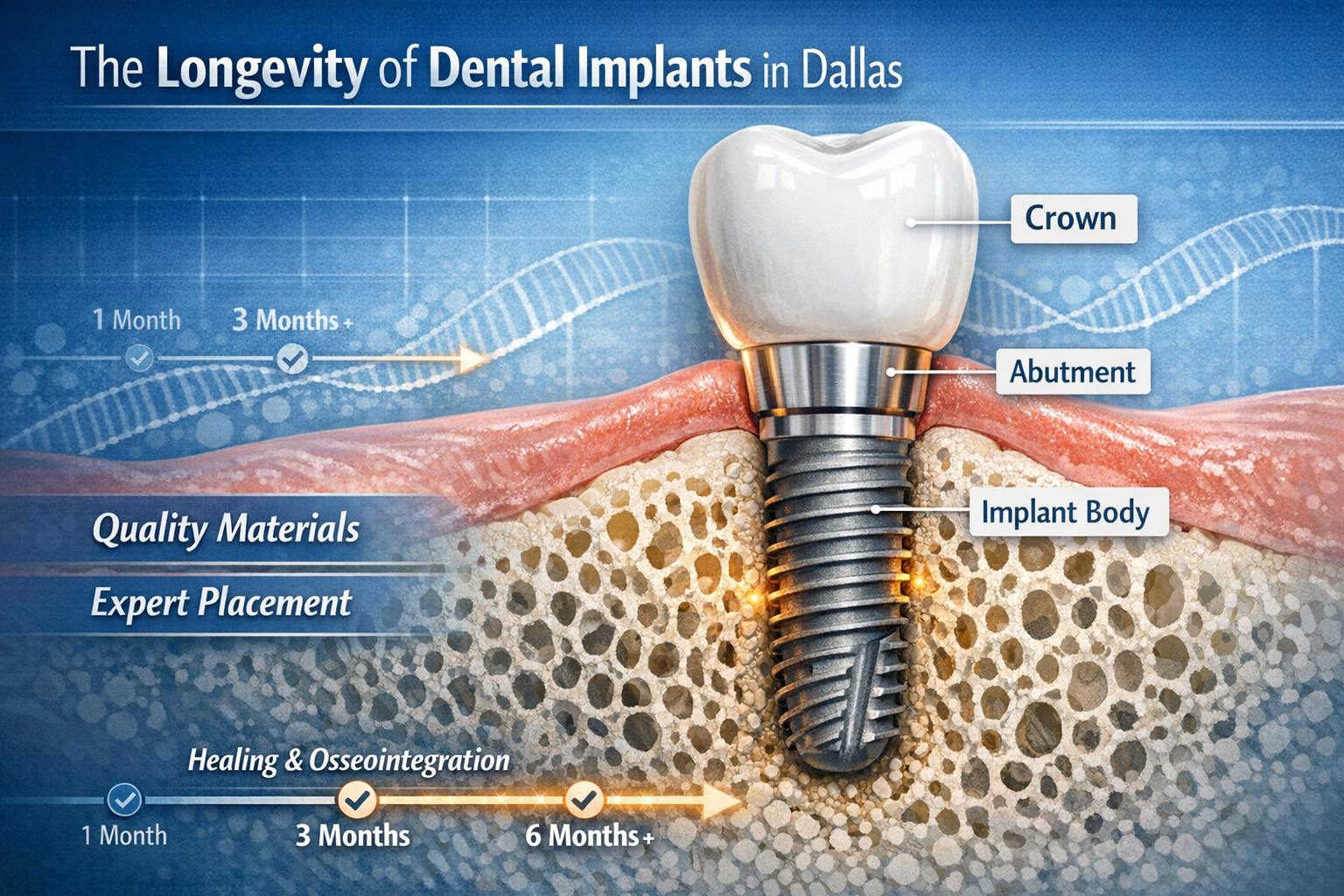 High-quality materials and expert placement are foundational for implant longevity.
Patient-Specific Factors and Oral Hygiene
Once the dental implant procedure is complete and the implant has successfully integrated, the responsibility largely shifts to the patient. Your daily habits and commitment to oral health education are critical determinants of how long your dental implant will last.
Excellent Oral Hygiene Practices
Maintaining meticulous oral hygiene is paramount for the longevity of dental implants in Dallas. Just like natural teeth, implants are susceptible to plaque and bacteria accumulation. While the implant itself cannot get a cavity, the surrounding gum tissue can become inflamed, leading to a condition called peri-implantitis. This is an inflammatory disease affecting the soft and hard tissues surrounding dental implants, and if left untreated, it can lead to bone loss and eventual implant failure. Regular and thorough brushing (at least twice a day) and daily flossing or using interdental brushes around the implant are essential. Consider incorporating an antimicrobial mouthwash as part of your routine. For more information on preventing complications, read our guide: Can Dental Implants Get Infected Years Later? Your 2026 Guide.
Regular Dental Check-ups and Professional Cleanings
Even with excellent home care, professional cleanings and check-ups are indispensable. Your dentist or dental hygienist can reach areas you might miss and remove hardened plaque (calculus) that brushing alone cannot. During these visits, the dental team will also monitor the health of your implants, assess the surrounding gum tissue, and take X-rays periodically to check the bone level around the implant. Early detection of any issues, such as signs of peri-implantitis or excessive wear on the crown, allows for timely intervention and prevents more serious problems. The recommended frequency of these visits may vary, but typically ranges from twice a year to every three to four months, especially if you have a history of gum disease. For information on optimal monitoring, see our article on Optimal Dental Implant X-Ray Frequency: Your 2026 Guide.
Lifestyle Choices and Systemic Health
Several lifestyle choices and underlying health conditions can significantly impact the longevity of dental implants.
- Smoking: Smoking is a major risk factor for implant failure. It reduces blood flow to the gums and bone, impairing healing and increasing the risk of peri-implantitis. Patients who smoke tend to have significantly lower implant success rates.
- Excessive Alcohol Consumption: Heavy alcohol use can compromise the immune system and affect bone metabolism, potentially impacting osseointegration and overall implant health.
- Systemic Diseases: Uncontrolled diabetes, autoimmune disorders, and certain bone diseases can negatively affect the body’s ability to heal and maintain bone density, which is critical for implant stability. It is important to inform your dentist about all your health conditions and medications.
- Bruxism (Teeth Grinding/Clenching): Chronic teeth grinding or clenching can place excessive force on dental implants, leading to complications like crown fracture, abutment loosening, or even bone loss around the implant. If you grind your teeth, your dentist may recommend a dental implant night guard to protect your investment.
- Poor Nutrition: A diet lacking essential nutrients can affect overall health, including bone health and immune function, which indirectly supports implant longevity.
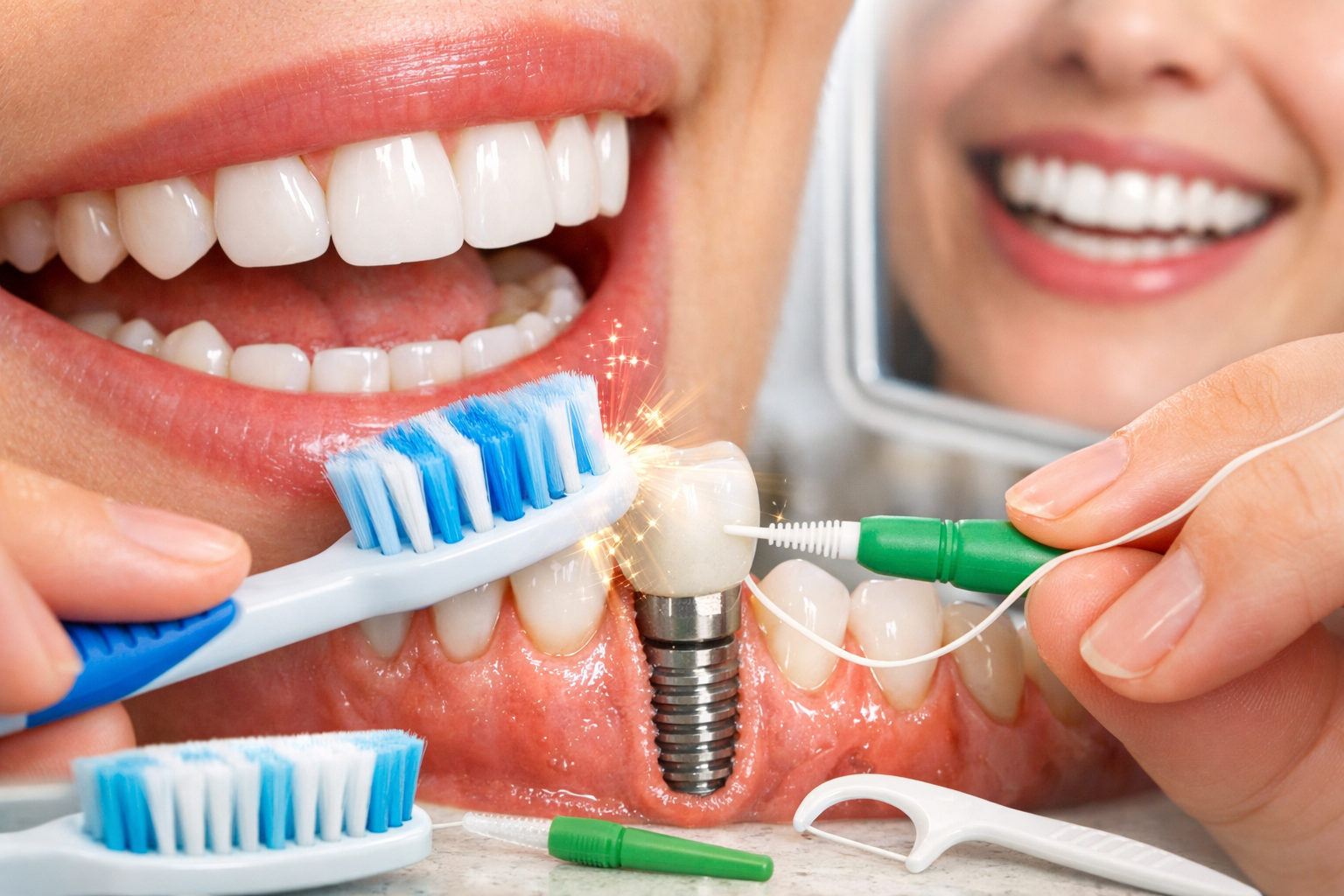 Diligence in daily oral hygiene is crucial for maintaining your dental implant for years to come.
Long-Term Maintenance and Protecting Your Investment
For Dallas residents, dental implants represent a wise investment in long-term oral health, offering a durable and aesthetic solution for missing teeth. Protecting this investment requires ongoing commitment to both personal care and professional oversight.
Addressing Complications Early
Even with the best care, minor issues can sometimes arise. It is important to be vigilant for any signs of trouble and contact your dentist promptly. These signs might include:
- Pain or discomfort around the implant
- Redness, swelling, or bleeding of the gums around the implant
- Pus discharge
- Loosening of the crown or abutment
- A “weird” feeling or sensation that something is off. (If your dental implant feels weird, learn more in our article: Dental Implant Feels Weird? Timeline to Natural Comfort)
Early detection and treatment of issues like peri-implantitis can prevent more severe damage and help salvage the implant. Your dentist in Dallas will be able to diagnose the problem and recommend appropriate treatment, which could range from improved oral hygiene instructions to professional cleaning, antibiotics, or, in some cases, surgical intervention. You can also explore options for Peri-Implantitis Treatment Costs Dallas 2026: Prevention Strategies & Repair Pricing.
Understanding the Investment and Long-Term Value
While the upfront cost of dental implants in Dallas can seem substantial compared to other tooth replacement options, it is important to consider the long-term value. Dental implants offer a host of benefits that contribute to their longevity and overall worth:
- Durability: As discussed, implants can last a lifetime with proper care, potentially avoiding the need for future replacements that other options might require.
- Bone Preservation: Implants stimulate the jawbone, preventing the bone loss that typically occurs after tooth extraction. This helps maintain facial structure and prevents issues associated with a receding jawbone.
- Functionality: Implants function just like natural teeth, allowing you to eat, speak, and smile with confidence without worrying about slippage or discomfort.
- Aesthetics: Dental implants blend seamlessly with your natural teeth, providing a highly aesthetic solution for missing teeth.
When comparing the Dallas Dental Implant Cost vs National Averages 2026, it’s clear that while an investment is required, the long-term benefits often outweigh the initial expense. For many, the enhanced quality of life and peace of mind offered by dental implants make them an invaluable investment.
The Role of Your Dallas Dental Implant Education Center
At Dental Implant Education – Dallas TX, our mission is to provide clear, factual, and reassuring information to help you navigate your options for missing teeth solutions. We encourage informed decision-making and a comprehensive understanding of the dental implant procedure, costs, benefits, and risks. Before making any decisions, a consultation with a dentist specializing in dental implants is essential. They can assess your individual needs, discuss your specific implant cost in Dallas, and provide a personalized treatment plan to help ensure the greatest longevity for your dental implants.
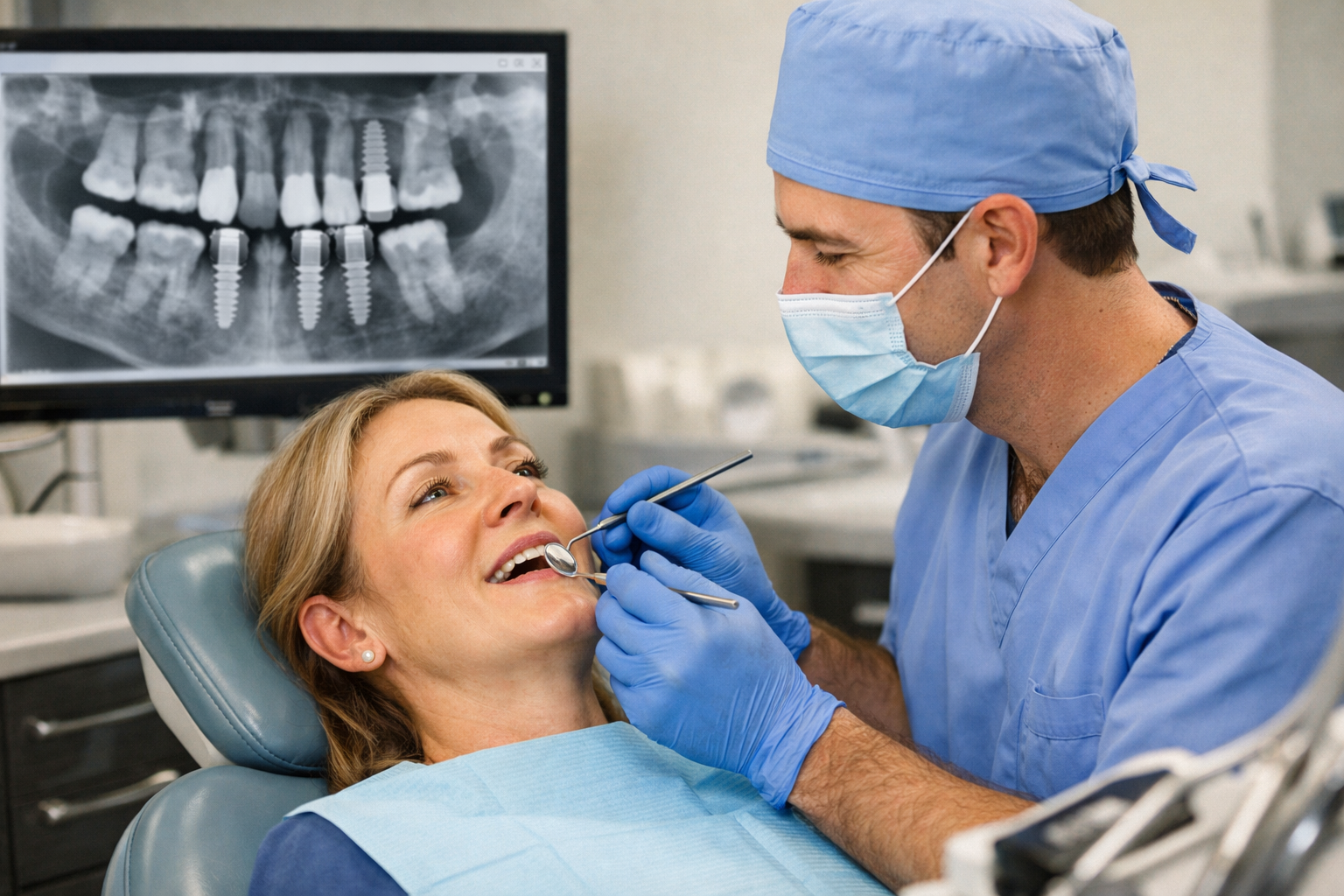 Regular professional check-ups are vital for monitoring implant health and ensuring long-term success.
Conclusion
The longevity of dental implants in Dallas is not a matter of chance but a direct result of several interconnected factors. From the initial expertise of your chosen dental professional and the quality of the materials used, to your diligent oral hygiene, lifestyle choices, and commitment to regular dental check-ups, each element plays a crucial role.
By understanding these influences, Dallas residents can actively participate in protecting their dental implant investment. With proper care, modern dental implants offer a durable, functional, and aesthetically pleasing solution that can last for many decades, providing a confident and healthy smile for life. We encourage anyone considering this effective tooth replacement option to schedule a consultation with a qualified Dallas dentist to discuss their individual case and embark on a path toward long-term oral health.