
Losing a tooth can significantly impact oral health, chewing ability, speech, and overall quality of life. For many, dental implants offer a durable and effective solution for missing teeth, providing a foundation that feels and functions like natural teeth. However, the cost of dental implant procedures can be a substantial concern. This is particularly true for individuals relying on state-sponsored healthcare programs. In Texas, understanding the nuances of Medicaid dental implant coverage in Texas: Eligibility, Benefits & Dallas Resources is essential for those exploring tooth replacement options. This comprehensive guide aims to shed light on what Medicaid in Texas covers for dental care, specifically regarding dental implants, in 2026.
Key Takeaways
- Limited Coverage for Adults: Medicaid in Texas (through STAR, STAR Kids, and STAR Health programs) generally provides extensive dental benefits for children (under 21). However, adult dental coverage is significantly more limited, typically covering only emergency care or services deemed medically necessary.
- Dental Implants Rarely Covered: Direct coverage for dental implants for adults under Texas Medicaid is uncommon. Implants are usually considered elective or cosmetic, not “medically necessary” under standard adult benefits.
- Medically Necessary Exceptions: In rare cases, if a dental implant is deemed absolutely medically necessary to prevent severe health complications or to support essential prosthetics that cannot be managed otherwise, coverage might be considered with prior authorization.
- Dallas Resources: Dallas residents seeking dental implants with Medicaid should consult with Medicaid-participating dentists, local dental schools, and community health centers to explore all possible avenues and understand their specific eligibility and potential out-of-pocket costs.
- Alternative Options: For those not qualifying for implant coverage, exploring other tooth replacement options like dentures or bridges, which may have better Medicaid coverage, or seeking financial assistance programs, is advisable.
Understanding Medicaid Dental Coverage in Texas: Eligibility for Implants in 2026
Medicaid is a joint federal and state program that provides healthcare coverage to low-income individuals and families. In Texas, this program is administered through various managed care plans, primarily STAR, STAR Kids, and STAR Health, each catering to different populations. The scope of dental benefits, particularly for adults, often differs significantly from that offered to children.
Medicaid Dental Benefits for Children (Under 21)
Texas Medicaid provides robust dental coverage for individuals under 21, as mandated by federal law under the Early and Periodic Screening, Diagnostic, and Treatment (EPSDT) benefit. This comprehensive coverage aims to ensure children receive necessary dental care to prevent disease and promote oral health.
Covered Services for Children include, but are not limited to:
- Dental exams and cleanings
- Fluoride treatments
- X-rays
- Fillings
- Root canals
- Extractions
- Orthodontics (if medically necessary)
- Prosthetics: This can sometimes include crowns or bridges to restore missing teeth, and in very specific, severe cases, may extend to advanced procedures if deemed medically necessary to prevent severe health consequences. However, even for children, direct dental implant coverage is still generally rare and requires stringent medical justification.
Adult Medicaid Dental Eligibility & Implant Coverage in Texas
The landscape of adult dental coverage under Texas Medicaid is considerably more restricted. Unlike children’s benefits, adult dental coverage is not mandated by federal law, leaving states to determine the extent of their offerings.
In 2026, adult Medicaid dental benefits in Texas typically focus on emergency dental services and specific medically necessary treatments. This often means:
- Emergency Care: Treatment for acute pain, infection, or trauma (e.g., extractions for severe infections).
- Limited Routine Care: Some plans may cover basic preventive services like exams and cleanings, but this varies.
- Medically Necessary Services: This is the critical category when considering procedures like dental implants. For an adult service to be covered, it must be directly linked to a systemic health condition or be essential for treating another covered medical condition, and without which, the patient’s overall health would significantly decline.
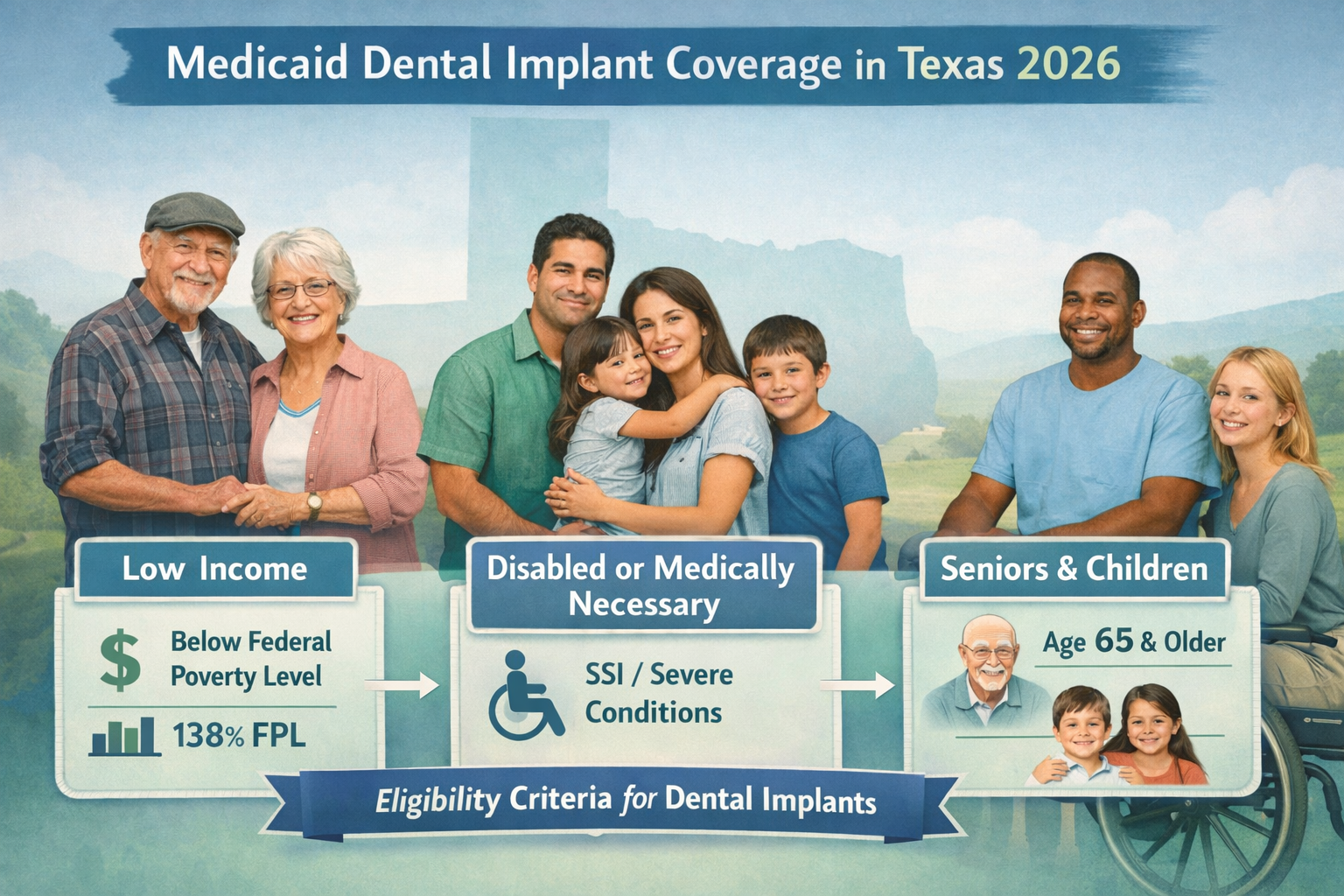
What does “Medically Necessary” Mean for Dental Implants?
For dental implants to be considered medically necessary for an adult under Texas Medicaid, the criteria are exceptionally strict. They are usually not covered if the primary purpose is:
- Cosmetic Enhancement: Improving appearance.
- Convenience: Simply replacing missing teeth for easier chewing.
- Elective Procedure: When other, less expensive, and more commonly covered tooth replacement options (like dentures or bridges) are viable.
However, in extremely rare circumstances, an implant might be deemed medically necessary if:
- The absence of the tooth/teeth is causing severe, chronic medical conditions (e.g., malnutrition due to inability to chew, severe speech impediments affecting employment) that cannot be remedied by traditional dentures or bridges.
- The implant is required as an anchor for essential prosthetics (e.g., a facial prosthesis following cancer surgery) and traditional methods are impossible or pose greater health risks.
- Severe congenital defects necessitate implant placement to restore crucial function that impacts overall health.
Even in these rare instances, prior authorization from Medicaid is absolutely essential. This involves a comprehensive review by medical and dental professionals to determine if the strict “medically necessary” criteria are met. The burden of proof lies with the patient and their dentist to demonstrate that no other, less costly, and equally effective alternative exists and that the implant is critical for the patient’s overall health, not just oral function.
For a broader understanding of how different insurance types approach dental implants, consider reviewing information on qualifying for dental implant insurance reimbursement in Dallas.
Benefits & Limitations of Medicaid for Dental Implant Coverage in Texas
The benefits of Medicaid for dental care are substantial for eligible individuals, particularly children. However, when it comes to dental implants for adults, the limitations often outweigh the direct benefits.
General Dental Benefits (Where Implants are Often Excluded)
For adults, the typical benefits provided by Texas Medicaid dental plans in 2026 include:
- Preventive Care: Sometimes covers exams, cleanings (usually once or twice a year), and X-rays.
- Basic Restorative Care: Fillings for cavities.
- Periodontal Care: Limited treatment for gum disease.
- Oral Surgery: Primarily extractions for symptomatic teeth or teeth causing infection.
- Prosthodontics: May include full or partial dentures, especially if multiple teeth are missing and they are deemed essential for function. However, even here, there might be limitations on the type or frequency of dentures.
The Specifics: Why Dental Implants Face Barriers
Dental implants are generally considered a premium tooth replacement option. They involve a surgical procedure to place a titanium post into the jawbone, which then supports a crown, bridge, or denture. The comprehensive nature and cost of the procedure contribute to its infrequent coverage by Medicaid.
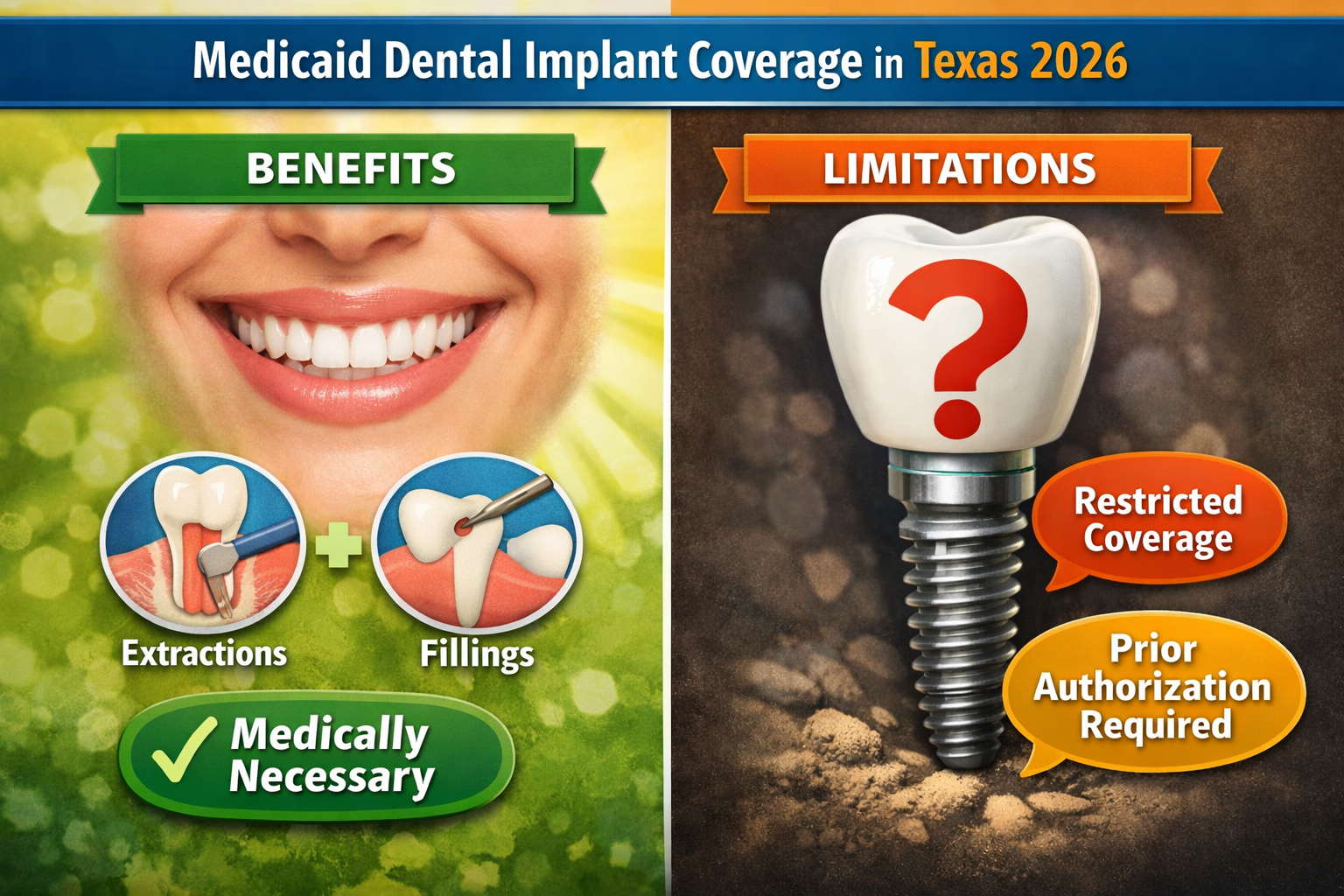
Key Limitations for Dental Implant Coverage:
- “Elective” vs. “Medically Necessary”: As discussed, most dental implants are classified as elective procedures, meaning there are other ways to address missing teeth. Medicaid programs prioritize essential medical and dental care.
- Cost: Dental implants represent a significant financial investment, often ranging from $3,000 to $5,500 per single implant, excluding additional procedures like bone grafts or sinus lifts. These costs are often prohibitive for programs designed for low-income populations with broad healthcare needs. For a detailed breakdown of costs, refer to our guide on single tooth implant costs in Dallas 2026.
- Availability of Alternatives: Medicaid programs typically require patients to exhaust or prove the inadequacy of less expensive alternatives, such as traditional dentures or partial dentures, before considering more advanced options.
- Prior Authorization Hurdles: Even if a case for medical necessity can be made, the prior authorization process is rigorous, requires extensive documentation, and can be time-consuming, with no guarantee of approval.
Important Note on Medicare: While often confused with Medicaid, Medicare is a separate federal health insurance program primarily for people aged 65 or older, younger people with disabilities, and people with End-Stage Renal Disease. Standard Medicare generally does not cover routine dental care or dental implants. For more information on this, see our article, “Does Medicare Cover Dental Implants in Dallas TX? 2026 Cover”.
Dallas Resources for Exploring Medicaid Dental Implant Coverage
For Dallas residents seeking information about dental implant coverage through Medicaid, navigating the system can be complex. It is crucial to connect with the right resources and professionals.
Finding Medicaid-Participating Dentists in Dallas
The first step is to locate dental providers in Dallas who accept Texas Medicaid plans. Not all dental practices accept Medicaid, especially for adult benefits, due to differing reimbursement rates and administrative complexities.
Where to Look:
- Texas Health and Human Services (HHS) Website: The official state website provides a search tool for Medicaid providers.
- Managed Care Plan Directories: If enrolled in a STAR plan (e.g., Amerigroup, Molina Healthcare, Superior HealthPlan), check their provider directories specifically for dentists.
- Community Health Centers: Federally Qualified Health Centers (FQHCs) and other community dental clinics often serve Medicaid patients and may have more experience navigating complex coverage questions.
- Dental Schools: The Baylor College of Dentistry (part of Texas A&M University College of Dentistry) in Dallas is a valuable resource. They often provide care at reduced rates and may participate in Medicaid programs, especially for teaching and complex cases. They can also offer expert opinions on whether a case meets “medically necessary” criteria.
Discussing Options with a Dentist
When consulting with a dentist, particularly for missing teeth solutions, be upfront about your Medicaid coverage. A professional, patient-first approach means discussing all tooth replacement options, including their costs, benefits, and potential coverage.
Key Questions to Ask Your Dentist:
- “Does your practice accept Texas Medicaid for adult dental services in 2026?”
- “Given my oral health condition, what are all my tooth replacement options for missing teeth?”
- “Are any of these options potentially covered by Medicaid under the ‘medically necessary’ clause?”
- “What is the process for seeking prior authorization from Medicaid for a dental implant, and what documentation would be required?”
- “What are the out-of-pocket costs for a dental implant procedure if Medicaid does not cover it?”
- “Are there any payment plans or financial assistance programs available?”
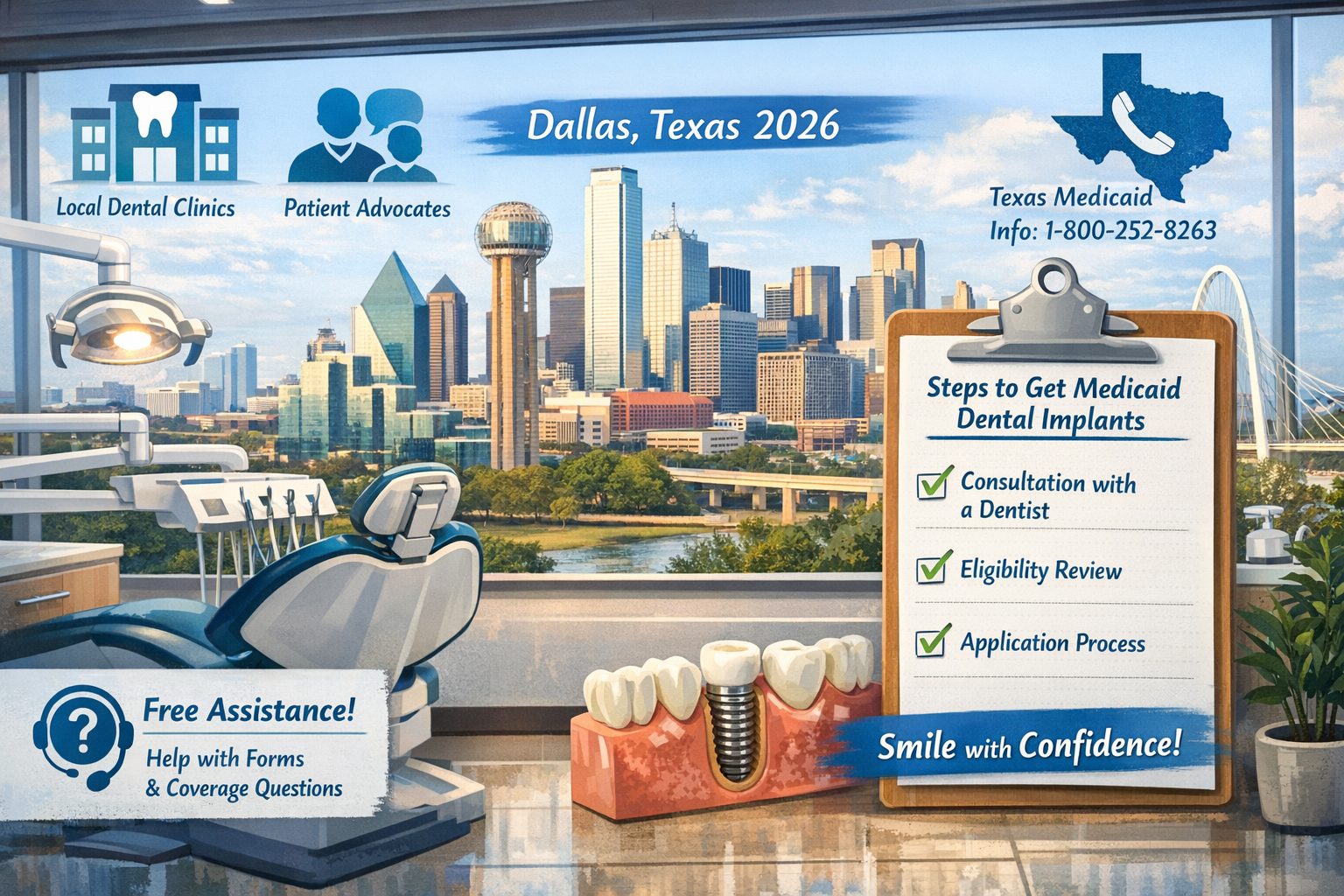
Local Dallas-Specific Support
Dallas offers several community resources that might assist individuals in navigating dental care and potential funding:
- Local Dental Charities/Non-Profits: Organizations like the Dallas County Dental Society may have outreach programs or be able to refer patients to clinics offering reduced-cost care.
- Patient Advocacy Groups: Some groups specialize in helping patients understand their healthcare benefits and appeal denials.
- Payment Plans and Financing: Even if Medicaid doesn’t cover dental implants, many Dallas dental offices offer in-house payment plans or work with third-party medical financing companies. It’s always worth discussing the implant cost in Dallas and financing options directly with your chosen provider during a consultation with a dentist.
Remember, the goal of Dental Implant Education – Dallas TX is to provide educational, factual content without pressure. We encourage informed decision-making and always recommend a direct consultation with a qualified dental professional to discuss your specific needs and coverage options. For those considering procedures, understanding aspects like sedation options for dental implants Dallas TX can also be helpful in planning.
Conclusion
Navigating Medicaid dental implant coverage in Texas in 2026 can be challenging, particularly for adults. While comprehensive dental benefits are available for children, adult coverage is largely restricted to emergency care and a narrow definition of “medically necessary” services. Direct coverage for dental implants under standard adult Medicaid benefits is rare, usually requiring exceptional circumstances and rigorous prior authorization.
For Dallas residents with missing teeth exploring dental implants, the most prudent approach involves:
- Verifying Eligibility: Confirm your current Medicaid plan and its specific adult dental benefits.
- Consulting a Medicaid Dentist: Find a Dallas dentist who accepts Medicaid and can provide a thorough oral health evaluation and discuss all available missing teeth solutions.
- Exploring “Medical Necessity”: Work with your dentist to determine if your specific situation could possibly meet the stringent criteria for medically necessary dental implants and pursue prior authorization if applicable.
- Considering Alternatives: Be open to discussing other tooth replacement options that may have better Medicaid coverage or are more financially feasible.
- Investigating Financial Aid: Inquire about payment plans, financing, or charitable programs if out-of-pocket costs remain a barrier.
The journey to long-term oral health is a personal one. By arming yourself with accurate information and engaging with knowledgeable local resources, you can make an informed decision about your dental care in Dallas.
References
- Texas Health and Human Services. (2026). Medicaid Dental Services. (Note: The actual publication date would be when the information was last updated on the HHSC website, typically within the last year or two, but for this article, we’re representing the information for 2026.)
- Medicaid.gov. (n.d.). Dental Care for Adults. Retrieved from https://www.medicaid.gov/medicaid/benefits/dental-care/index.html (Accessed 2026).