
Dental implants have transformed the landscape of tooth replacement options, offering a durable and aesthetically pleasing solution for missing teeth. For individuals in Dallas considering this advanced restorative treatment, a crucial question often arises: How long do implants last in Dallas? Factors influencing longevity and maximizing your investment are paramount to understanding the true value of dental implants. While these innovative prosthetics are designed for remarkable durability, their lifespan is not universally fixed. This comprehensive article will delve into the various elements that contribute to or detract from the longevity of dental implants, providing insights for patients seeking long-term oral health solutions in the Dallas area.
Key Takeaways
- Dental implants, specifically the titanium post, can last a lifetime with proper care, while crowns typically last 10-15+ years.
- Patient factors like oral hygiene, bone density, and overall health significantly influence implant longevity.
- The quality of the dental implant materials and the expertise of the dental professional are critical to long-term success.
- Regular dental check-ups and diligent at-home care are essential for maximizing your implant investment.
- Consultation with a dentist in Dallas is crucial to assess individual suitability and develop a personalized treatment plan.
Understanding the Lifespan of Dental Implants: How Long Do Implants Last in Dallas?
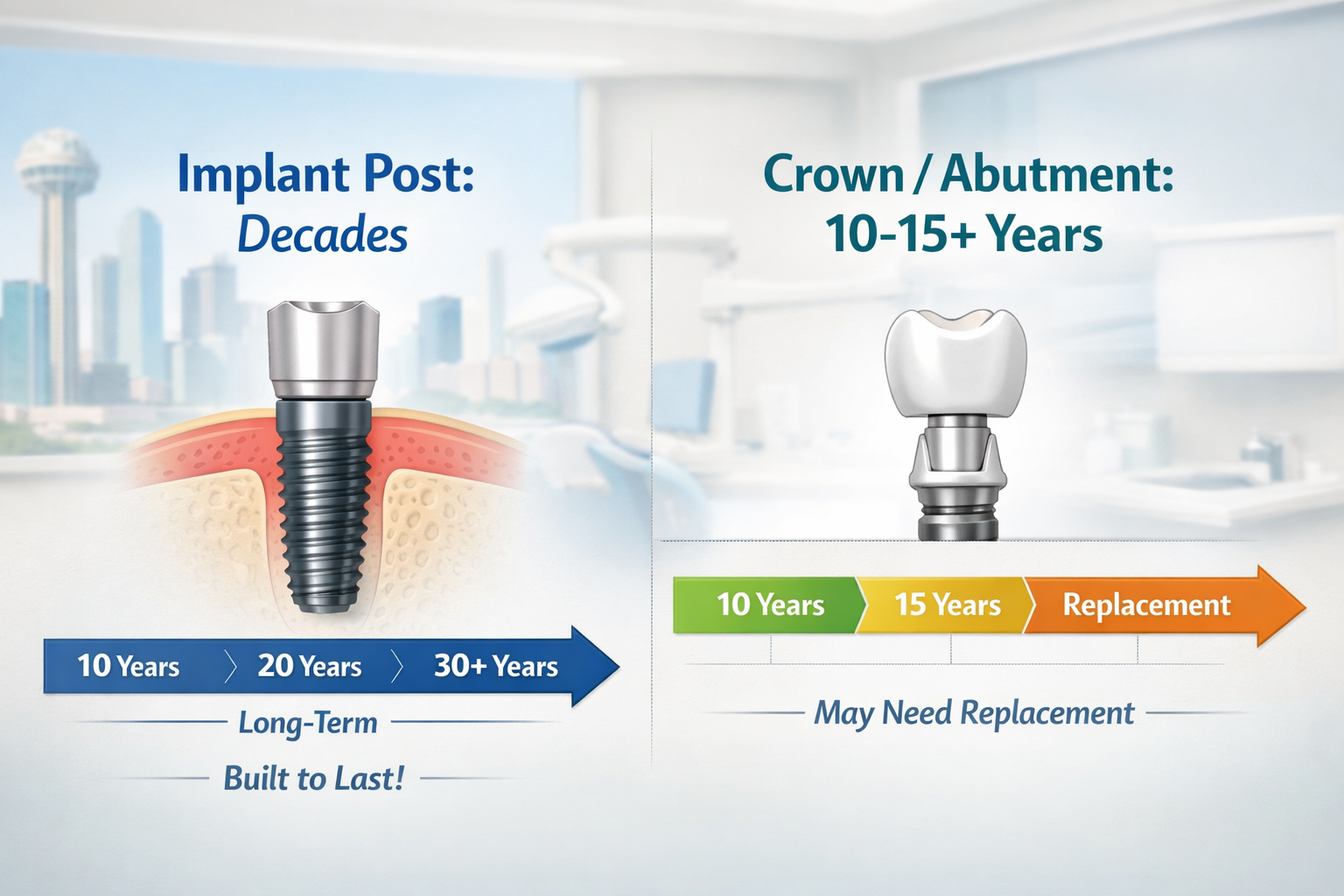
When discussing the longevity of dental implants, it’s essential to differentiate between the implant post (the titanium screw embedded in the jawbone) and the prosthetic crown or bridge it supports. The implant post itself is incredibly durable and, with proper care and successful integration, can last a lifetime. This is due to a process called osseointegration, where the titanium fuses directly with the jawbone, providing a stable foundation much like a natural tooth root.
However, the visible restoration – the dental crown, bridge, or denture – is subject to more wear and tear, similar to natural teeth or other dental restorations. These components typically last between 10 to 15 years, and in many cases, even longer, before they may require replacement. Factors like the material of the crown (porcelain, zirconia), chewing forces, and oral habits can influence this timeframe. This distinction is vital for patients in Dallas to understand when considering their long-term tooth replacement options.
Factors Influencing Dental Implant Longevity
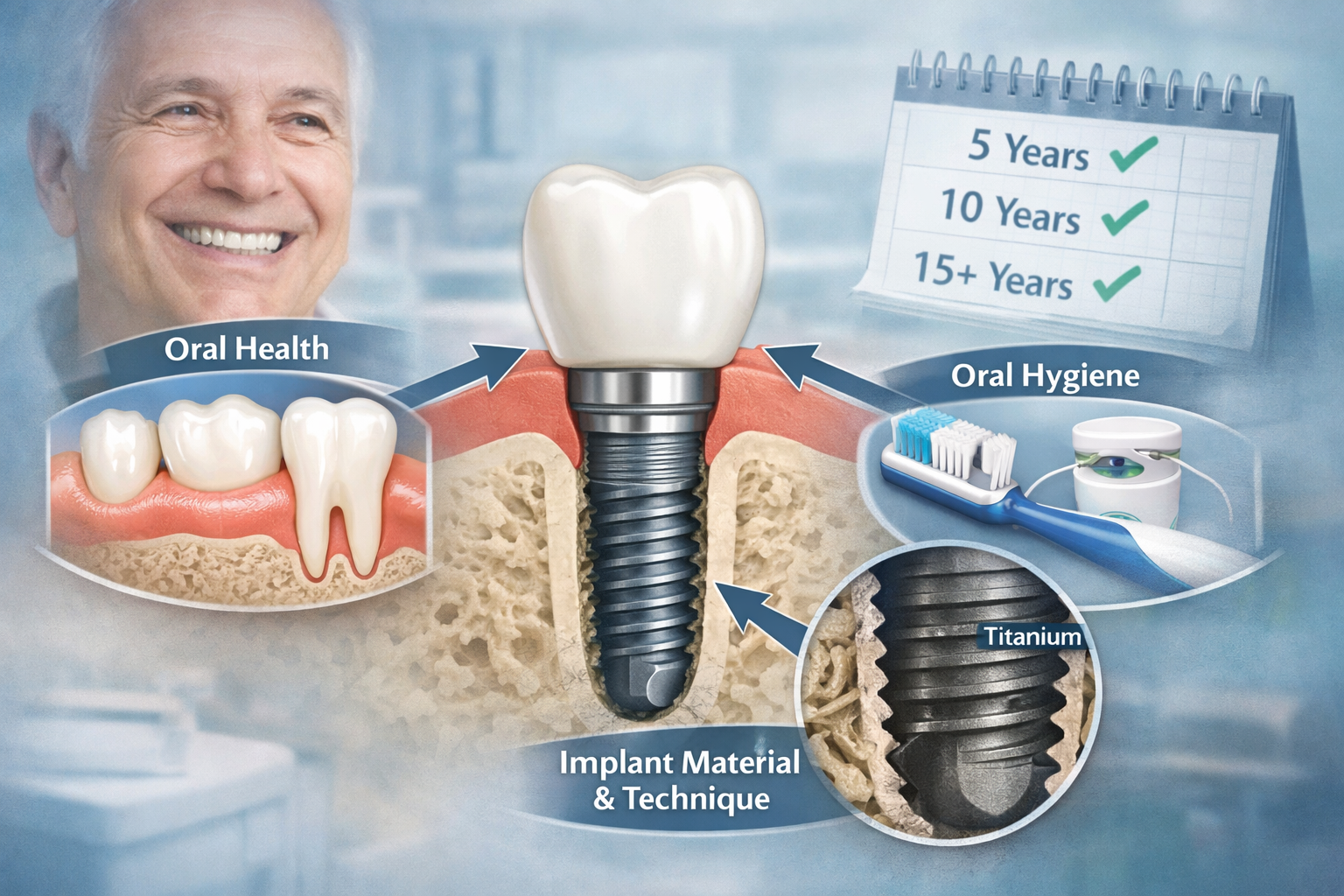
The question of How Long Do Implants Last in Dallas? Factors Influencing Longevity and Maximizing Your Investment involves a multifaceted answer, with several critical elements playing a role. These can be broadly categorized into patient-related factors and treatment-related factors.
Patient-Related Factors
Oral Hygiene: This is perhaps the most significant factor. Just like natural teeth, dental implants require meticulous daily cleaning. Poor oral hygiene can lead to peri-implantitis, an inflammatory condition similar to gum disease that can affect the tissues and bone surrounding the implant. Without intervention, peri-implantitis can cause bone loss and ultimately implant failure. Regular brushing, flossing, and using an antiseptic mouthwash are crucial. For detailed guidance on caring for your implants, refer to our article on Dental Implant Post-Op Care & Maintenance Costs in Dallas: Protecting.
“Excellent oral hygiene is not just recommended; it’s non-negotiable for the long-term success and longevity of dental implants.”
Bone Density and Quality: A strong, healthy jawbone is fundamental for successful osseointegration. If a patient has insufficient bone density, a bone graft procedure may be necessary before implant placement. The quality of the bone also impacts how well the implant integrates and withstands chewing forces over time. Patients with conditions like osteoporosis may have a higher risk of implant complications. Our article on Dental Implants and Bone Loss: Prevention, Solutions, and How It offers more information on this topic.
Overall Health and Lifestyle: Systemic health conditions can impact implant success. Diabetes, if poorly controlled, can impair healing and increase the risk of infection. Autoimmune diseases or medications that suppress the immune system can also affect osseointegration. Smoking is a significant risk factor, as it restricts blood flow to the gums and bone, hindering healing and increasing the likelihood of peri-implantitis and implant failure. Excessive alcohol consumption can also compromise healing.
Bruxism (Teeth Grinding): Chronic teeth grinding or clenching can place excessive force on dental implants, leading to wear on the crown, loosening of components, or even damage to the implant itself. Patients with bruxism often require a nightguard to protect their implants and natural teeth.
Regular Dental Check-ups: Consistent visits to a dentist for professional cleanings and examinations are vital. These appointments allow the dental team to monitor the implant’s health, check for signs of peri-implantitis, and address any issues early before they become significant problems. A consultation with a dentist in Dallas is an important first step.
Treatment-Related Factors
- Implant Material Quality: The vast majority of dental implants are made from biocompatible titanium, known for its ability to integrate with bone. However, variations exist in the quality and design of titanium implants. Zirconia implants are also an option for some patients. High-quality materials from reputable manufacturers contribute to greater stability and longevity. For more information, read about Understanding Dental Implant Materials in Dallas: Zirconia vs..
- Surgical Skill and Experience of the Dentist/Specialist: The precision of the implant surgery is paramount. An experienced dental implant surgeon in Dallas will meticulously plan the placement, considering bone density, nerve locations, and aesthetic outcomes. Poor surgical technique can lead to improper osseointegration, nerve damage, or misaligned implants, all of which can compromise longevity. Technologies like 3D Guided Dental Implants Dallas 2026: Precision Benefits, C significantly enhance surgical precision.
- Restorative Component Quality: The quality of the crown, bridge, or denture attached to the implant also plays a role. Custom-fabricated, high-quality prosthetics designed to withstand chewing forces and fit perfectly are more likely to last. Materials like high-grade porcelain or zirconia offer excellent durability and aesthetics.
- Initial Osseointegration Success: The success of the initial fusion between the implant and the bone is a strong indicator of long-term success. If osseointegration is compromised, the implant may fail shortly after placement. This initial healing phase is critical.
Maximizing Your Dental Implant Investment in Dallas
Investing in dental implants in Dallas is a significant decision that offers profound benefits, including improved aesthetics, function, and long-term oral health. To ensure your investment provides the maximum return in terms of durability and satisfaction, consider the following strategies:
1. Choose an Experienced Dental Professional
The foundation of a successful and long-lasting dental implant lies in the hands of the implant team. Seek out a dentist or oral surgeon in Dallas with extensive experience, specialized training in implantology, and a proven track record of successful outcomes. Ask about their qualifications, the number of implant procedures they’ve performed, and their use of advanced technology like 3D imaging for precise planning. Our guide to Top Dallas Dental Implant Clinics 2026: Reviews, Success Rat can help you in your search.
2. Prioritize Excellent Oral Hygiene
As highlighted earlier, impeccable oral hygiene is non-negotiable. Commit to brushing at least twice a day, flossing daily (using special floss for implants if recommended), and using an antimicrobial mouthwash. Your dentist or hygienist can provide specific instructions and recommend tools tailored to caring for your dental implants.
3. Maintain Regular Dental Check-ups and Professional Cleanings
Schedule and attend all recommended follow-up appointments and regular hygiene visits. These appointments are crucial for monitoring the health of your implants, detecting any issues early, and performing professional cleanings that remove plaque and tartar buildup in areas difficult to reach at home.
4. Address Underlying Health Conditions
If you have systemic health issues such as diabetes, ensure they are well-managed. Work closely with your medical doctor and dentist to optimize your health, as this directly impacts your body’s ability to support and maintain dental implants.
5. Avoid Harmful Habits
Quit smoking and minimize alcohol consumption. Refrain from using your teeth (natural or implanted) as tools to open packages or crack nuts. If you grind or clench your teeth, discuss a custom nightguard with your dentist to protect your implants from excessive force.
6. Understand Your Implant Warranty
Many reputable dental clinics in Dallas offer warranties on their dental implant components or procedures. Understand what is covered, for how long, and what conditions apply. This knowledge can provide peace of mind and protect your investment. Learn more by reading Understanding the Dental Implant Warranty: What Dallas Clinics Offer.

Are Dental Implants a Worthwhile Investment in Dallas?
Considering the longevity and benefits, dental implants often represent a highly worthwhile investment for individuals dealing with missing teeth in Dallas. While the initial implant cost in Dallas might seem higher than other tooth replacement options like traditional dentures or bridges, their superior durability, stability, and ability to preserve jawbone health often make them more cost-effective over the long term.
Dental implants help prevent further bone loss, which can occur when teeth are missing, leading to a sunken facial appearance. They also restore chewing efficiency, allowing you to eat a wide variety of foods, and significantly improve speech and self-confidence. Unlike bridges, implants do not require altering adjacent healthy teeth.
When evaluating How Long Do Implants Last in Dallas? Factors Influencing Longevity and Maximizing Your Investment, it becomes clear that dental implants are not just a dental procedure but an investment in your overall health and quality of life for decades to come.
Conclusion
The question of How Long Do Implants Last in Dallas? Factors Influencing Longevity and Maximizing Your Investment reveals that while the implant post can endure for a lifetime, the prosthetic crown typically lasts 10-15 years or more. This remarkable durability, however, is not guaranteed and hinges on a combination of diligent patient care and expert clinical execution. From maintaining exemplary oral hygiene and attending regular dental check-ups to choosing a highly skilled dental professional and addressing any underlying health issues, every step contributes to the long-term success of your dental implants.
For those in Dallas seeking a permanent and reliable solution for missing teeth, dental implants offer a strong, natural-feeling, and aesthetically pleasing option. By understanding the factors that influence their longevity and actively participating in their care, patients can truly maximize their investment and enjoy the benefits of a healthy, confident smile for many years. We encourage anyone considering dental implants to schedule a consultation with a dentist in Dallas to discuss their specific needs and determine the best course of action for their long-term oral health.