
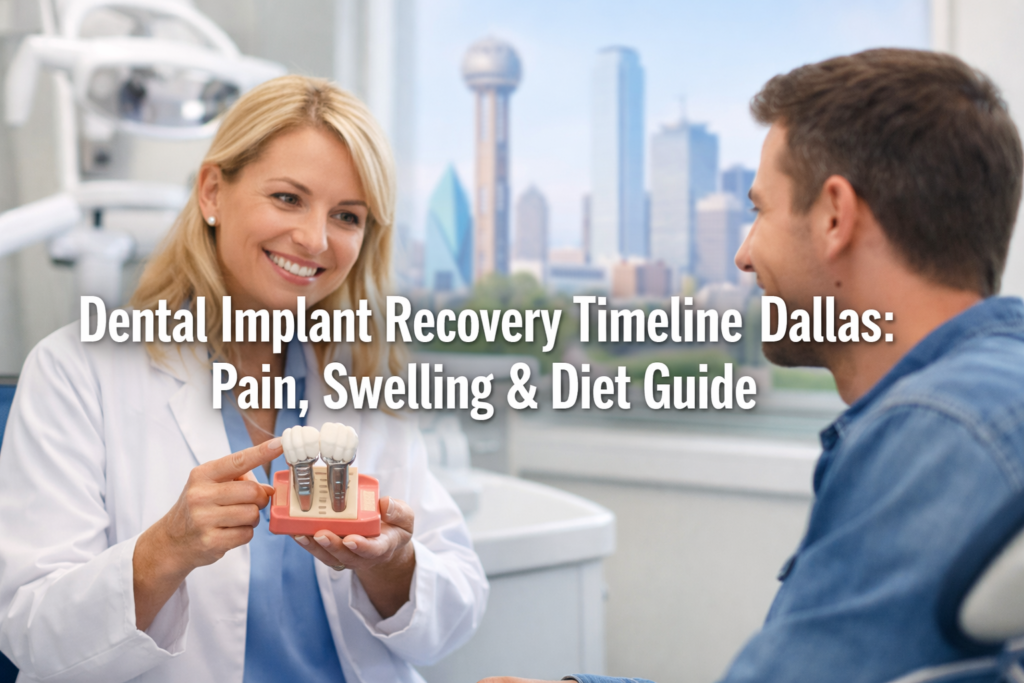
A significant number of individuals across Dallas, TX, will consider dental implants to replace missing teeth in 2026, often viewing them as a durable and aesthetic solution. However, a common concern revolves around the recovery process itself. Beyond just ‘what to expect,’ understanding the precise day-by-day journey of a dental implant recovery timeline in Dallas, including managing pain, swelling, and what to eat, is crucial for successful healing and patient confidence. This guide aims to provide a granular breakdown, helping prospective patients in Dallas prepare effectively and navigate their post-operative period with clarity.
Key Takeaways
- Immediate Post-Op (Days 1-3): Expect moderate pain and swelling, managed with medication and ice. Focus strictly on liquid and soft foods.
- Early Recovery (Week 1-2): Swelling and discomfort should decrease significantly. Gradually introduce slightly firmer soft foods. Maintain excellent oral hygiene.
- Intermediate Healing (Weeks 3-6): Most discomfort subsides, and the implant begins to integrate with the bone (osseointegration). Resume many normal activities, but avoid hard, chewy foods.
- Long-Term Integration (Months 2-6+): Complete bone fusion. Your Dallas dentist will assess readiness for the permanent crown or restoration.
- Follow Doctor’s Orders: Adhering strictly to your dentist’s post-operative instructions is paramount for successful long-term oral health.
Understanding the Immediate Dental Implant Recovery Timeline Dallas: Days 1-3
The first few days following your dental implant procedure are typically the most critical for managing discomfort and initial healing. Patients undergoing implant surgery process in Dallas can anticipate certain common experiences related to pain, swelling, and dietary restrictions.
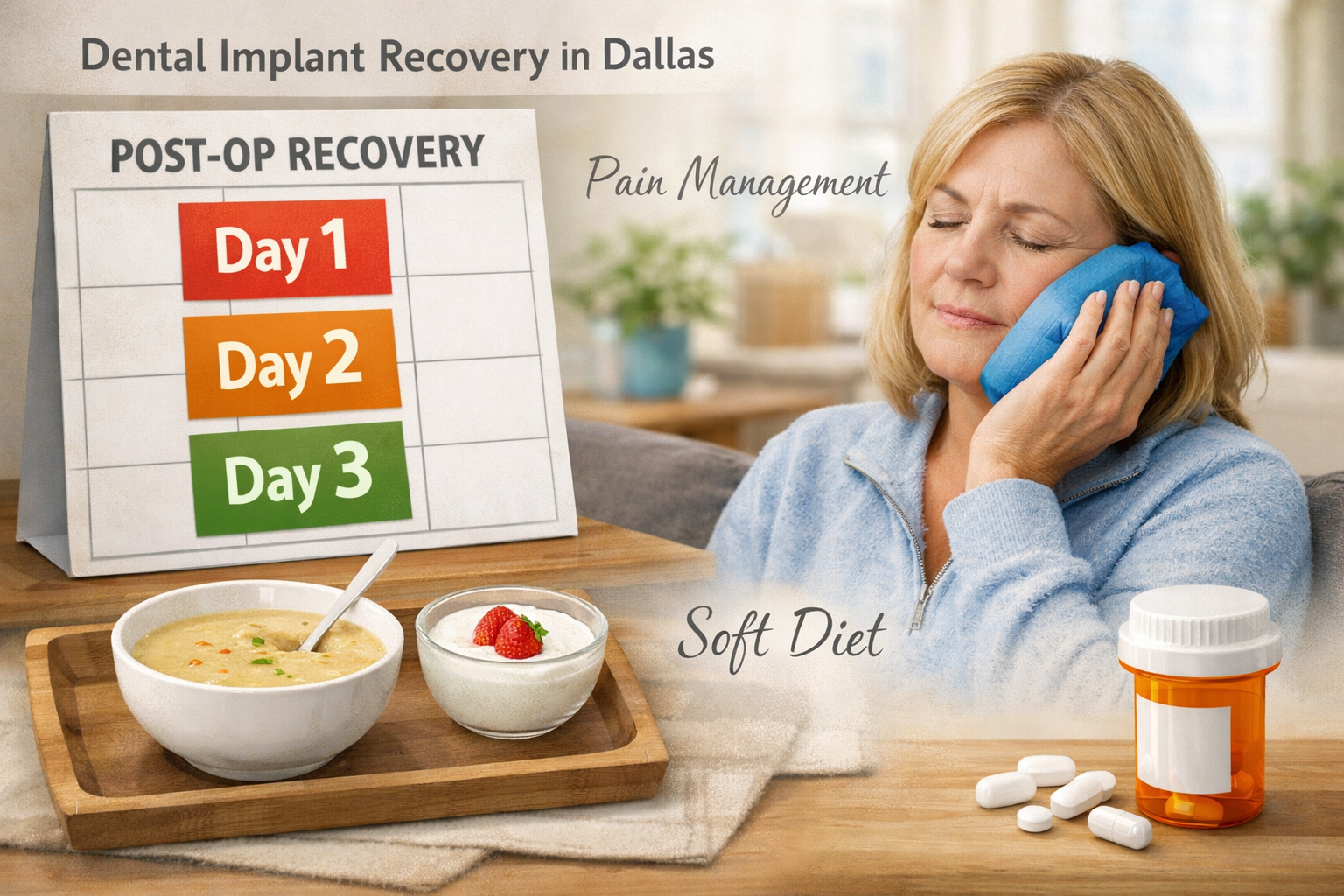
Day 1: The Day of Surgery
On the day of your dental implant procedure, your primary focus will be on rest and immediate care. The local anesthetic will wear off, and you will likely begin to feel some pain and discomfort.
- Pain Management: Your Dallas dentist will prescribe pain medication, typically an opioid pain reliever or a strong anti-inflammatory. Start taking this as directed before the anesthetic fully wears off. Over-the-counter pain relievers like ibuprofen can also be used, often in conjunction with prescription medication, but always follow your doctor’s specific instructions.
- Swelling Control: Swelling is a normal part of the healing process. Apply an ice pack to the outside of your cheek, over the surgical site, for 15-20 minutes on, then 15-20 minutes off, for the first 24-48 hours. This helps reduce inflammation and discomfort.
- Bleeding: Minor bleeding or oozing is common. Your dentist will provide gauze pads to bite down on. Change these as needed. If bleeding is heavy or persistent, contact your dental office immediately.
- Diet: Absolutely critical to avoid disturbing the surgical site. Stick to clear liquids and very soft, cold foods only.
- 💧 Liquids: Water, broth, cold tea, clear juices (no pulp).
- 🥣 Soft Foods: Smoothies (no straw!), yogurt, applesauce, pudding, mashed potatoes (cool).
- 🚫 Avoid: Hot liquids, chewing directly on the implant site, and straws (the suction can dislodge the blood clot).
- Oral Hygiene: Do not rinse your mouth or brush near the surgical site. Your dentist may advise a gentle saltwater rinse after 24 hours, but always check their specific guidance.
Day 2: Continuing Care
The second day often marks the peak of swelling and discomfort for many patients. Persistence in your post-operative care routine is vital.
- Pain Management: Continue taking prescribed pain medication as directed. Do not wait for the pain to become severe before taking your next dose.
- Swelling Control: Continue applying ice packs. While swelling may peak, consistent icing helps manage it. You might also notice some bruising, which is normal.
- Diet: Remain on soft foods and liquids. Gradually, you can introduce slightly warmer (but not hot) items. Continue to avoid chewing on the surgical side.
- Oral Hygiene: You may be advised to start gentle saltwater rinses (1/2 teaspoon of salt in 8 ounces of warm water) 2-3 times a day, gently swishing and letting it drain, rather than spitting forcefully. Brush other areas of your mouth carefully, avoiding the surgical site.
Day 3: Turning the Corner
By day three, many patients in Dallas begin to feel a noticeable improvement, though some swelling and soreness will persist.
- Pain & Swelling: Swelling should start to subside, and pain should become more manageable with medication. If pain or swelling worsens significantly, contact your dentist.
- Diet: You can continue expanding your soft food options, but still avoid anything that requires significant chewing or could get stuck in the surgical site. Think scrambled eggs, well-cooked pasta, or soft fish.
- Oral Hygiene: Continue gentle saltwater rinses and careful brushing of non-surgical areas.
Early to Intermediate Healing: Weeks 1-6 for Dental Implant Recovery Dallas
The initial days give way to a period of more significant healing, where the focus shifts from acute symptom management to promoting proper integration of the dental implants in Dallas with your jawbone.
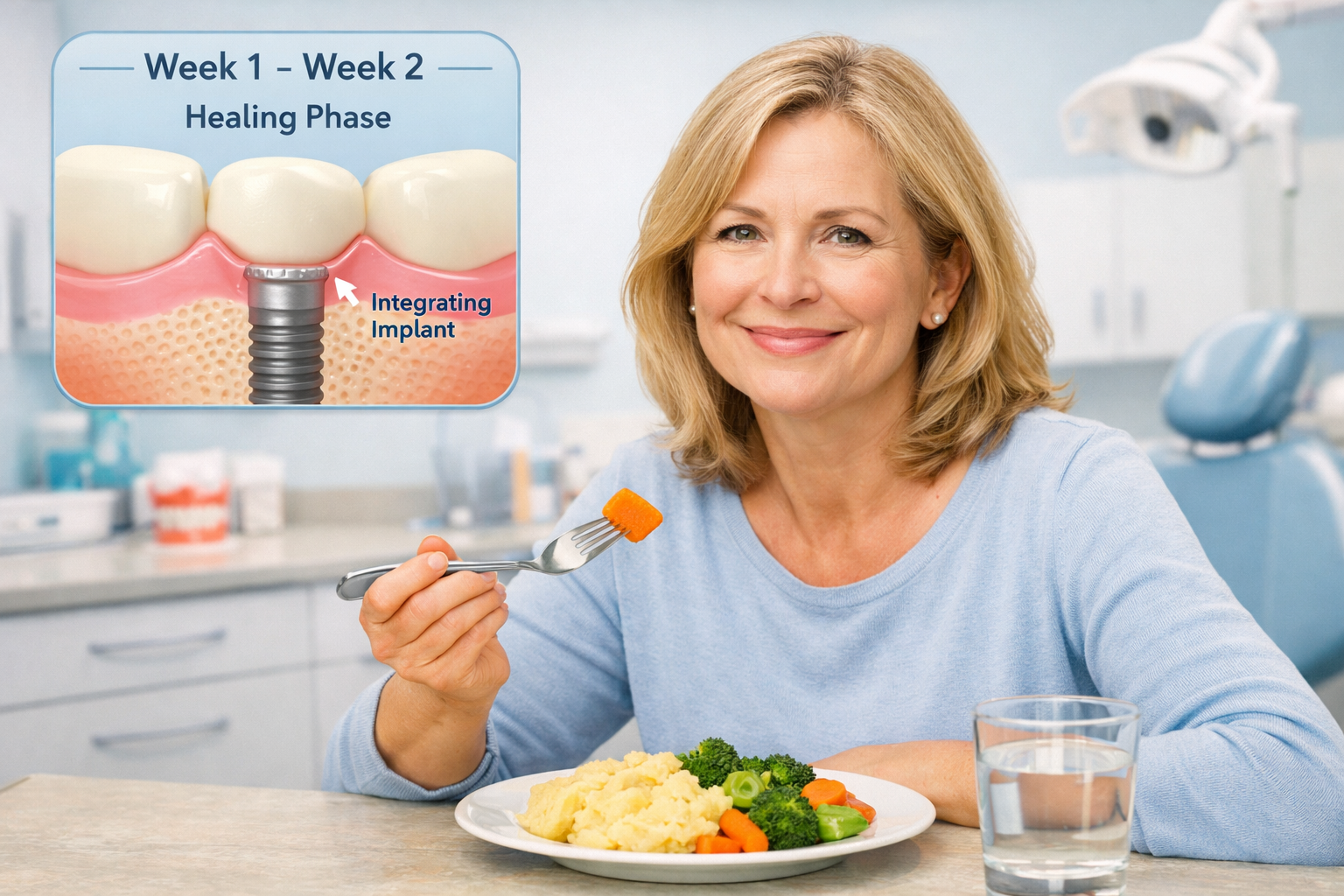
Week 1: Steady Progress
By the end of the first week, most patients feel considerably better, though the healing process is far from complete.
- Pain & Swelling: Swelling should have significantly decreased. Any remaining pain should be mild and manageable with over-the-counter pain relievers. If you still have significant pain or swelling, consult your Dallas dental professional.
- Diet: You can start introducing a wider variety of soft, easy-to-chew foods. Avoid anything crunchy, sticky, very hot, or spicy. Continue to chew on the opposite side of the mouth.
- Examples: Cooked vegetables, soft bread (without crusts), pasta, rice, soft cheeses, finely minced meats.
- Oral Hygiene: Continue gentle saltwater rinses. You may be able to gently brush the surgical site with a very soft-bristled toothbrush, but only if your dentist advises it. Maintaining excellent oral health education is vital to prevent infection.
- Activity: You can resume light activities, but avoid strenuous exercise, heavy lifting, or anything that might increase blood pressure to your head.
Week 2: Approaching Normalcy
Two weeks post-surgery, many patients report feeling almost back to their normal routine, with minor residual tenderness.
- Pain & Swelling: Minimal to no pain or swelling should be present.
- Diet: You can typically resume a near-normal diet, but continue to be cautious with extremely hard, crunchy, or chewy foods. Listen to your body and avoid discomfort.
- Oral Hygiene: Resume your regular brushing and flossing routine, being gentle around the implant site. Continue saltwater rinses as recommended.
- Follow-Up: Your Dallas dentist may schedule a follow-up appointment around this time to check on the healing and remove any non-dissolvable sutures. This is also a good time to discuss any lingering concerns about the implant surgery process.
Weeks 3-6: Osseointegration Begins
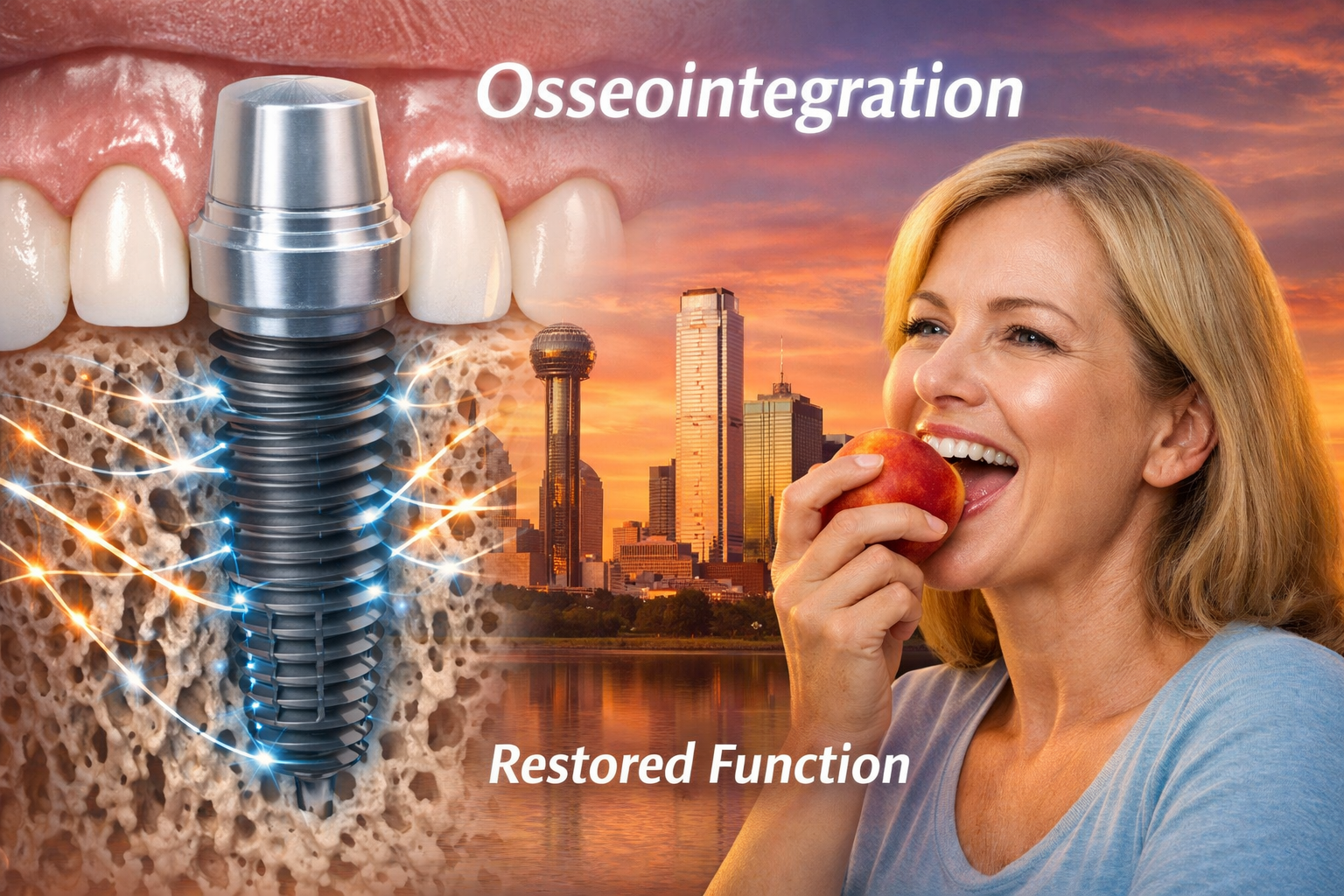
This period is crucial for osseointegration, the process where the dental implant fuses with your jawbone. While you won’t feel this happening, it’s a vital stage for the long-term success of your tooth replacement options.
- Healing: External healing of the gums should be complete, but internal bone healing is actively occurring.
- Diet: You should be able to eat most foods comfortably, though it’s still wise to exercise caution with very hard items that could put excessive stress on the healing implant.
- Activity: Most normal physical activities can be resumed.
- Patient Safety: Continue to practice diligent oral hygiene and attend any scheduled follow-up appointments. Your dentist will monitor the osseointegration process, ensuring long-term oral health. For procedures like 3D guided dental implants Dallas 2026: Precision Benefits, C, precise placement aids in predictable integration.
Long-Term Recovery and Maintenance: Months 2-6 and Beyond
The journey to a fully restored smile doesn’t end after a few weeks. The complete integration and restoration phase requires patience and ongoing care.
Months 2-6: Complete Osseointegration and Restoration
During this period, the dental implant should be fully integrated into your jawbone, forming a strong, stable foundation.
- Osseointegration: This process typically takes 3 to 6 months, sometimes longer depending on individual healing factors and the bone quality.
- Restoration: Once osseointegration is complete, your Dallas dentist will proceed with placing the abutment (a connector piece) and then the custom-made crown, bridge, or denture that will sit on top of the implant. This completes your missing teeth solutions.
- Considerations: If you’re exploring dental implants for missing front teeth Dallas: Aesthetic Co, the aesthetic outcome is paramount, and your dentist will ensure the crown blends seamlessly with your natural teeth. Similarly, Dallas TX Dental Implants for Seniors 2026: Age-Specific Cos patients may have slightly different healing times.
Beyond 6 Months: Lifelong Care
With proper care, dental implants can last for many decades, even a lifetime.
- Oral Hygiene: Treat your dental implant just like your natural teeth. Brush twice a day, floss daily, and use an antimicrobial mouthwash if recommended.
- Regular Check-ups: Continue with routine dental check-ups and cleanings with your Dallas dentist. They will monitor the health of your implant, gums, and surrounding teeth.
- Avoid Bad Habits: Refrain from habits like chewing on ice, biting hard objects, or using your teeth as tools, as these can damage your implant or natural teeth.
- Consultation with a Dentist: If you experience any issues, such as pain, swelling, or looseness around the implant, contact your dentist immediately. Early intervention can prevent potential complications. Understanding the implant cost in Dallas often includes the initial procedure and the long-term benefits of a durable solution.
Conclusion
Embarking on the journey of dental implants in Dallas is a significant step towards restoring your smile and improving your oral health. While the prospect of surgery and recovery might seem daunting, having a clear, detailed understanding of the “Dental Implant Recovery Timeline Dallas: A Detailed Day-by-Day Guide to Pain, Swelling & What to Eat” can empower you to approach the process with confidence. By meticulously following your Dallas dentist’s post-operative instructions, managing pain and swelling effectively, and adhering to dietary guidelines, you significantly increase the chances of a smooth recovery and successful osseointegration. Remember, patient safety and long-term oral health are paramount, and regular communication with your dental professional is key to a positive outcome. If you have missing teeth solutions and are considering dental implants, a consultation with a dentist in Dallas is the first step to discussing your options and personalized recovery plan.