
One common concern for individuals considering dental implants in Dallas is the potential for pain after the procedure. While dental implant surgery is a highly successful and routine process, managing post-operative discomfort is a crucial part of a smooth recovery. Understanding the typical pain levels, available medications, practical tips, and the specific protocols followed by Dallas dental providers can significantly ease your experience. This article will provide comprehensive information on effective Pain Management Strategies After Dental Implant Surgery in Dallas: Meds, Tips & Local Provider Protocols to help you navigate your healing journey with confidence.
Key Takeaways
- Post-surgical pain after dental implants is typically manageable, peaking within 24-48 hours and gradually subsiding.
- A combination of over-the-counter and prescription medications, as guided by your Dallas dentist, is central to pain control.
- Non-pharmacological strategies like ice packs, soft diets, and adequate rest play a vital role in comfort and healing.
- Dallas dental professionals emphasize clear, personalized post-operative instructions for optimal pain management and recovery.
- Open communication with your dental team is essential for addressing any unusual or severe pain.
Understanding Post-Operative Discomfort and Expected Pain Levels

It’s natural to anticipate some level of discomfort after any surgical procedure, and dental implant placement is no exception. However, many patients are surprised to find that the pain is often less severe than they imagined, especially with modern techniques and effective pain management protocols. The level of pain can vary depending on the individual, the complexity of the procedure (e.g., single implant vs. multiple implants, presence of bone grafting), and individual pain tolerance.
The Typical Pain Timeline
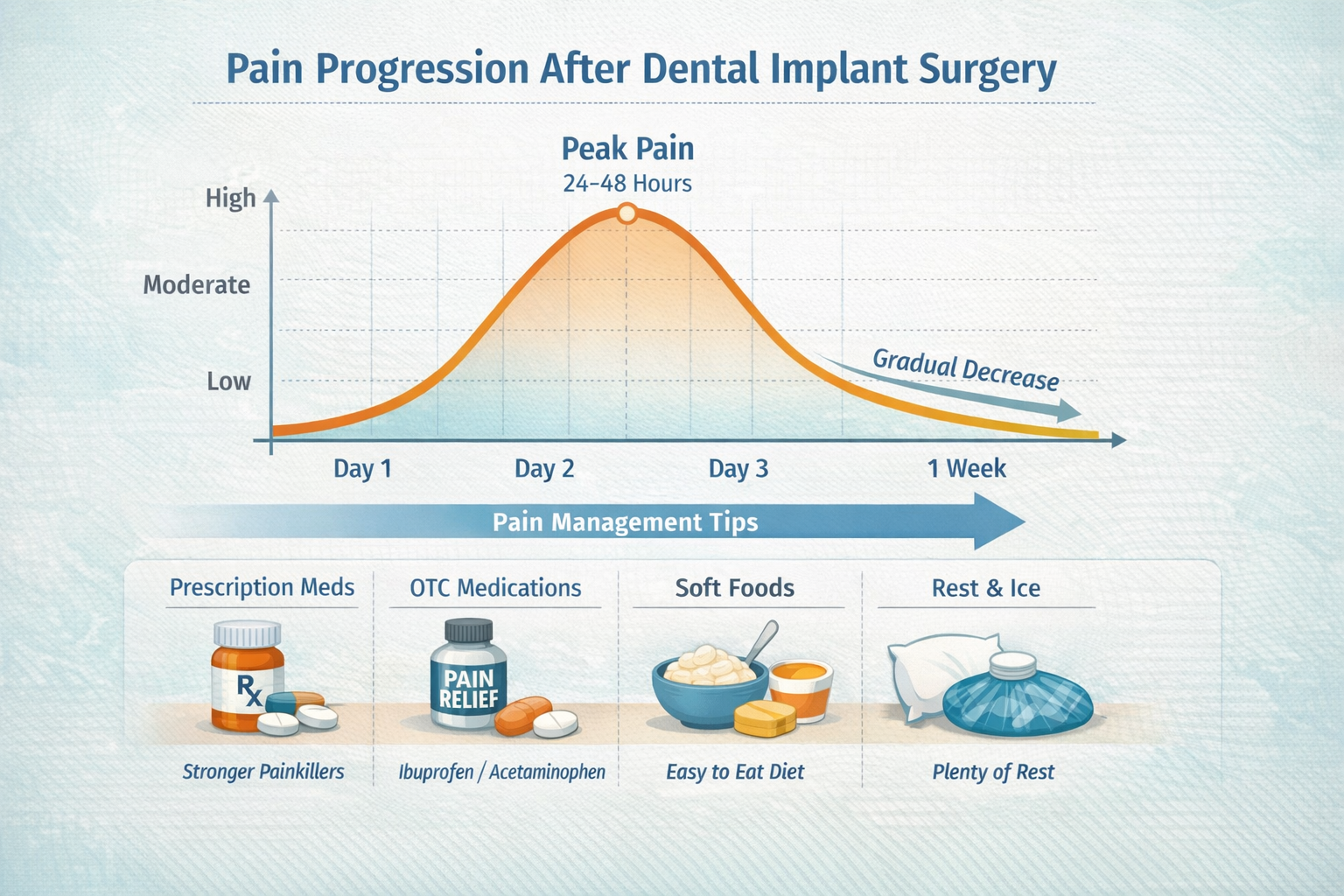
Generally, patients report that the most noticeable pain and swelling occur within the first 24 to 48 hours following the surgery. After this initial period, discomfort typically begins to subside significantly over the next few days. By the end of the first week, most patients feel considerably better, though minor soreness might linger.
What to Expect:
- Days 1-2: Peak discomfort, swelling, and possibly some bruising. This is when prescribed medications are most crucial.
- Days 3-5: Gradual reduction in pain and swelling. You might transition to over-the-counter pain relievers.
- Days 6-7: Significant improvement. Most daily activities can be resumed with caution.
- Beyond 1 week: Minor sensitivity or tenderness may persist, but sharp pain should be gone.
It’s important to differentiate between expected discomfort and signs of complications. Mild to moderate pain, swelling, and minor bleeding are normal. However, severe, throbbing pain that worsens over time, excessive bleeding, or signs of infection (fever, pus) warrant immediate contact with your dental provider.

Pharmacological Pain Management: Medications Prescribed in Dallas
Your dental implant specialist in Dallas will provide specific instructions and likely prescribe medications tailored to your needs to ensure effective pain management. These typically include a combination of non-opioid and, in some cases, short-term opioid pain relievers, along with anti-inflammatory drugs and antibiotics.
Over-the-Counter (OTC) Pain Relievers
For many patients, especially after the initial peak discomfort, OTC medications are sufficient.
- NSAIDs (Non-Steroidal Anti-Inflammatory Drugs): Medications like ibuprofen (Advil, Motrin) and naproxen (Aleve) are often the first line of defense. They work by reducing inflammation and pain. Your dentist may recommend starting these even before the local anesthetic wears off.
- Acetaminophen (Tylenol): This is another effective pain reliever, though it doesn’t reduce inflammation as NSAIDs do. It can be taken alone or alternated with NSAIDs for broader pain control.
Your Dallas dental team will guide you on the appropriate dosage and frequency for these medications.
Prescription Medications
Depending on the anticipated level of discomfort or the extent of your procedure, your dentist may prescribe stronger medications.
- Prescription NSAIDs: Stronger doses of anti-inflammatory drugs might be prescribed for more significant swelling and pain.
- Opioid Pain Relievers: For severe pain, a short course of opioid medication (e.g., hydrocodone with acetaminophen, oxycodone) may be prescribed. These are typically used sparingly due to their potential for side effects and dependence. It’s crucial to take these exactly as directed and discontinue use as soon as less potent options are sufficient.
- Antibiotics: To prevent infection, which can complicate healing and increase pain, your dentist will likely prescribe antibiotics to be taken before and/or after the surgery.
- Steroids: In some cases, a short course of oral steroids (e.g., dexamethasone) might be prescribed to significantly reduce post-operative swelling, which in turn helps manage pain.
Always discuss any allergies or other medications you are taking with your dental professional before your procedure to ensure safety and prevent adverse interactions. Understanding why Dallas dental implant prices vary so widely can also shed light on how comprehensive care, including pain management, is factored into your overall treatment plan.
Non-Pharmacological Tips and Local Provider Protocols for Comfort
Beyond medication, several practical strategies and the specific protocols followed by your Dallas dental provider can significantly contribute to your comfort and accelerate healing. These tips are vital components of Pain Management Strategies After Dental Implant Surgery in Dallas: Meds, Tips & Local Provider Protocols.
Home Care Tips for Enhanced Comfort
- Ice Packs: Apply ice packs to the outside of your face, over the surgical area, for 15-20 minutes on, 15-20 minutes off, during the first 24-48 hours. This helps reduce swelling and numb the area.
- Soft Diet: Stick to soft, easy-to-chew foods for several days. Avoid hot liquids, spicy foods, and crunchy items that could irritate the surgical site. Think smoothies, yogurt, mashed potatoes, and scrambled eggs. For more on protecting your investment, read about dental implant post-op care & maintenance costs in Dallas.
- Rest: Adequate rest is crucial for healing. Avoid strenuous physical activity for at least a few days post-surgery.
- Elevate Your Head: When lying down, use extra pillows to keep your head elevated. This can help reduce swelling and discomfort.
- Oral Hygiene: Gently rinse your mouth with a warm salt water solution (1/2 teaspoon salt in 8 ounces of warm water) several times a day, starting 24 hours after surgery. Avoid aggressive rinsing, spitting, or using straws, as these can dislodge the blood clot and lead to a painful condition called “dry socket.” Your dentist may also recommend a prescription antimicrobial mouthwash.
- Avoid Smoking and Alcohol: Smoking severely impairs healing and increases the risk of complications and pain. Alcohol can interfere with medications and also hinder healing. If you are a smoker, this is an excellent time to consider quitting, especially if you want your dental implants to last. For those concerned, we have resources on Dallas TX dental implants for smokers.
Dallas Provider Protocols
Reputable dental implant clinics in Dallas prioritize patient comfort and safety. Their protocols often include:
- Pre-Surgical Consultation: A thorough discussion of what to expect, including potential pain, and a detailed plan for managing it. This includes reviewing your medical history and current medications.
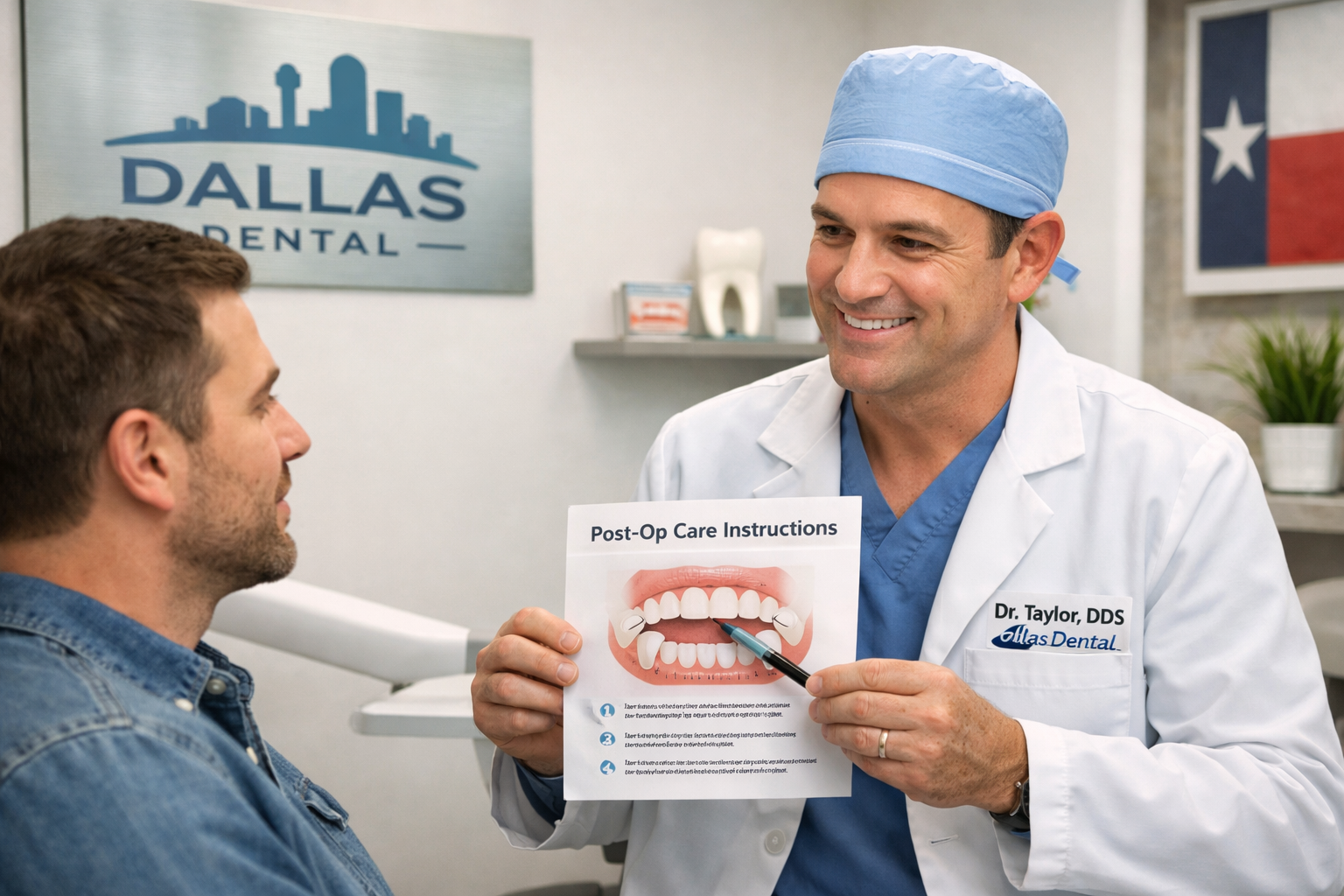
- Detailed Post-Operative Instructions: You will receive clear, written instructions on medication schedules, dietary restrictions, hygiene practices, and contact information for emergencies.
- Follow-Up Appointments: Scheduled follow-up visits allow your dental team to monitor your healing, remove sutures if necessary, and address any concerns regarding pain or recovery.
- Advanced Techniques: Many Dallas dentists utilize advanced techniques like 3D guided dental implant surgery, which can lead to more precise placement, less trauma, and potentially reduced post-operative pain and faster healing.

When to Contact Your Dentist
While some discomfort is normal, certain symptoms warrant contacting your Dallas dental implant provider immediately:
- Severe pain that is not controlled by prescribed medication.
- Increased swelling or pain after the first 2-3 days.
- Fever, chills, or persistent nausea/vomiting.
- Pus or foul discharge from the surgical site.
- Excessive or persistent bleeding.
- Numbness that persists beyond the expected duration of the anesthetic.
Your oral health education is a priority for us, and choosing a knowledgeable and compassionate local provider is key to a positive dental implant experience. If you are comparing top Dallas dental implant clinics 2026, look for those that emphasize clear communication and comprehensive post-operative care.

Conclusion
Managing pain after dental implant surgery is a critical part of a successful and comfortable recovery. By understanding the typical pain timeline, utilizing a combination of prescribed and over-the-counter medications, and diligently following non-pharmacological tips, patients in Dallas can navigate their healing process with minimal discomfort. The commitment of local dental providers to comprehensive pre- and post-operative care, including detailed instructions and follow-up, further ensures patient safety and optimal long-term oral health. Always maintain open communication with your dental team regarding any concerns, as their expertise is your best resource for effective Pain Management Strategies After Dental Implant Surgery in Dallas: Meds, Tips & Local Provider Protocols. With proper care, your journey to a restored smile through dental implants in Dallas can be a positive and comfortable experience.
Actionable Next Steps:
- Discuss Pain Management: Before your dental implant procedure, have a detailed conversation with your Dallas dentist about their specific pain management plan.
- Prepare Your Home: Stock up on soft foods, ice packs, and any recommended OTC pain relievers before your surgery.
- Follow Instructions: Adhere strictly to all post-operative instructions, including medication schedules and hygiene practices.
- Stay in Touch: Do not hesitate to contact your dental office if you experience unusual or severe symptoms.
References
- American Association of Oral and Maxillofacial Surgeons. (n.d.). Post-operative instructions. Retrieved from https://www.aaoms.org/ (Accessed 2026)
- Misch, C. E. (2008). Contemporary implant dentistry (3rd ed.). Mosby Elsevier.
- International Congress of Oral Implantologists (ICOI). (n.d.). Patient Information. Retrieved from https://www.icoi.org/ (Accessed 2026)
SEO Meta Title: Dallas Dental Implant Pain: Meds, Tips & Local Protocols (2026) SEO Meta Description: Learn effective pain management strategies after dental implant surgery in Dallas for 2026. Discover meds, tips, and local provider protocols for a comfortable recovery.