
Many individuals considering dental implants in Dallas often express a primary concern: “How much will it hurt?” It’s a common and understandable question, particularly when contemplating a surgical procedure. The reality of The Pain Level After Dental Implant Surgery in Dallas: A Patient’s Realistic Expectation Guide for 2026 Recovery is often less severe than anticipated, thanks to modern surgical techniques, advanced pain management protocols, and comprehensive post-operative care. This guide aims to provide a clear, factual understanding of what Dallas patients can genuinely expect regarding discomfort, recovery, and effective pain management in 2026.
Dental implants represent a highly effective and long-lasting solution for missing teeth, offering significant benefits for oral health and overall quality of life. Understanding the recovery journey, especially regarding pain, is crucial for informed decision-making and ensuring a smooth, comfortable experience.
Key Takeaways
- Most patients experience mild to moderate discomfort, not severe pain, after dental implant surgery.
- Pain peaks within the first 24-48 hours and significantly reduces thereafter.
- Effective pain management includes prescribed medications, over-the-counter options, and home care.
- The number of implants, surgical complexity (e.g., bone grafting), and individual pain tolerance influence discomfort levels.
- Adhering to post-operative instructions is vital for minimizing pain and promoting optimal healing.
Understanding Post-Surgical Discomfort: What to Expect in Dallas
The experience of pain is subjective, varying from person to person. However, dental professionals in Dallas consistently report that patients undergoing dental implant surgery typically describe the discomfort as manageable, often similar to that experienced after a tooth extraction. The pain level after dental implant surgery is generally localized to the surgical site and can be effectively controlled with medication.
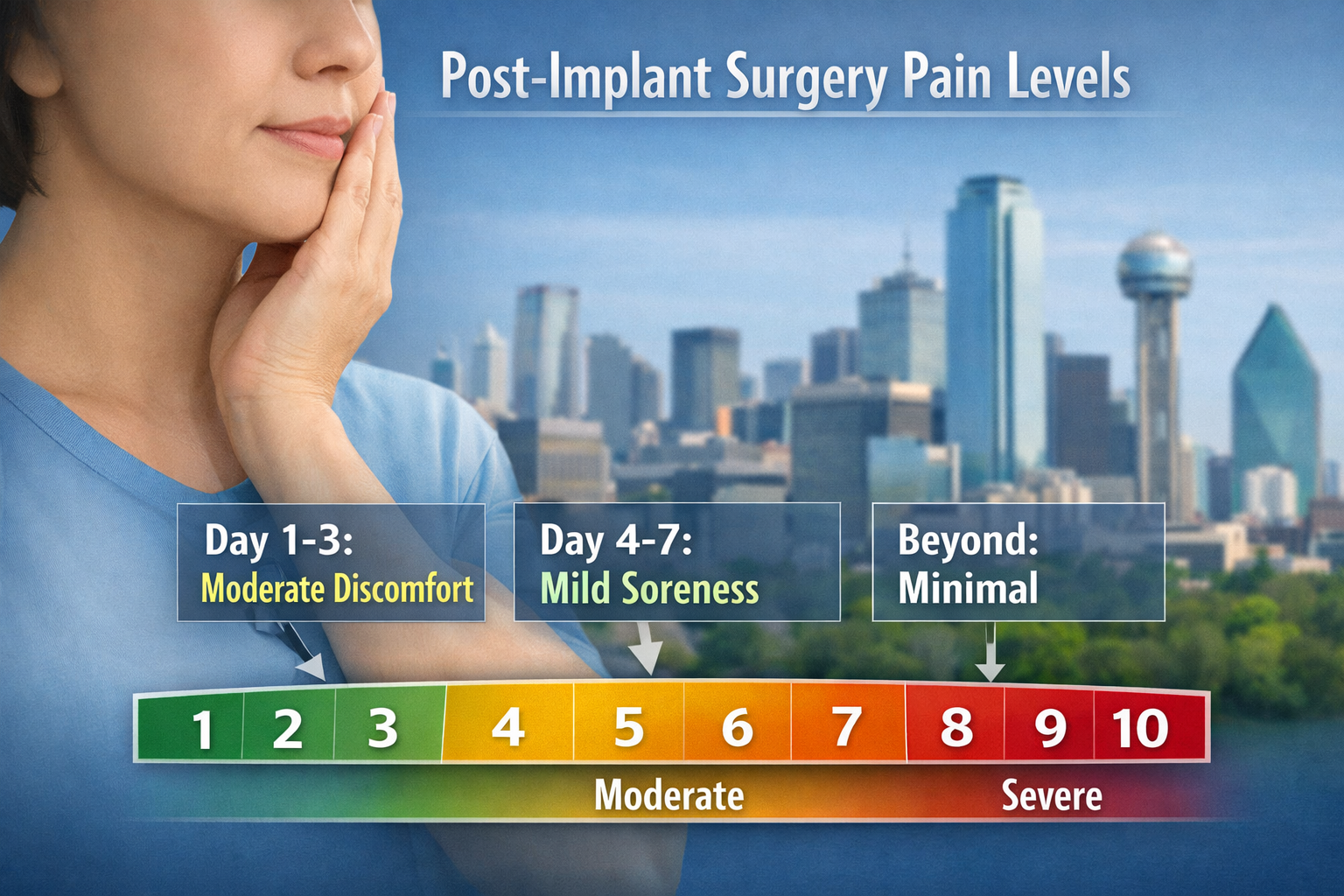
Immediate Post-Surgery (First 24-48 Hours)
During this initial period, it is normal to experience the most noticeable discomfort. This is when the local anesthetic begins to wear off. Patients often report:
- Dull ache or throbbing: This is common and expected as the body begins its healing process.
- Swelling: Some swelling around the surgical site and possibly extending to the cheek or jaw is normal.
- Bruising: Minor bruising may occur, which typically resolves within a few days.
- Mild bleeding: Oozing or slight bleeding from the surgical site is also common.
Your Dallas dental surgeon will typically prescribe pain medication, such as an opioid pain reliever for a short duration, or recommend strong over-the-counter anti-inflammatory drugs like ibuprofen. Taking these medications as directed is crucial for preemptive pain management and keeping discomfort to a minimum. For those interested in minimizing pain during the procedure itself, exploring painless dental implant techniques in Dallas, TX can provide valuable insights into sedation options.
Days 3-7 Post-Surgery
By the third day, most patients find that the pain significantly decreases. Swelling might still be present but should begin to subside. Many patients can transition from prescription pain medication to over-the-counter options at this stage.
- Reduced pain: Discomfort levels should be noticeably lower, often manageable with ibuprofen or acetaminophen.
- Decreasing swelling: The peak of swelling usually occurs around day 2-3, then gradually reduces.
- Improved comfort: Eating soft foods and performing daily activities become easier.
Following post-operative instructions diligently is key during this period. This includes maintaining good oral hygiene, avoiding strenuous activities, and adhering to dietary recommendations. Understanding the dental implant recovery timeline in Dallas can help patients set realistic expectations for each stage of healing.
Beyond the First Week
Most acute pain and discomfort should be largely resolved after the first week. Patients might experience mild soreness or tenderness at the implant site for a few more weeks, particularly when chewing. This is part of the natural healing process as the implant integrates with the bone (osseointegration).
- Minimal discomfort: Any remaining pain is usually mild and intermittent.
- Gradual return to normal activities: Patients can typically resume most regular activities, though caution with hard foods is advised.
It’s important to remember that complete healing, where the implant fully integrates with the jawbone, takes several months. Throughout this period, ongoing oral health education and regular check-ups with your Dallas dentist are essential for long-term oral health.
Effective Pain Management Strategies for Dental Implant Recovery in 2026
Modern dentistry in Dallas prioritizes patient comfort. Several strategies are employed to ensure The Pain Level After Dental Implant Surgery in Dallas: A Patient’s Realistic Expectation Guide for 2026 Recovery is as gentle as possible.
Medication Protocol
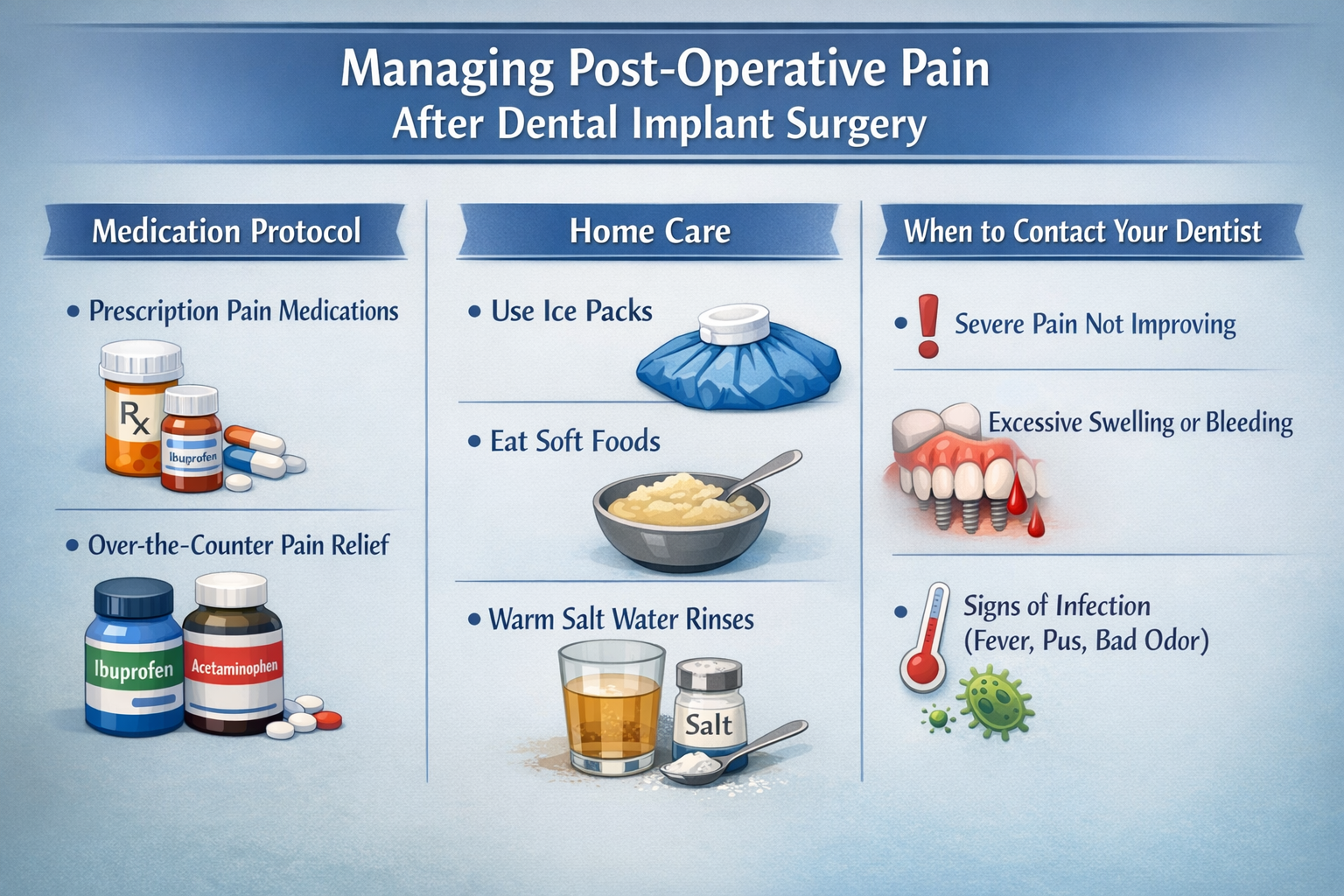
Your dental professional will outline a clear medication plan tailored to your specific needs. This often includes:
- Prescription Pain Relievers: For the initial days, stronger medications may be prescribed to manage acute pain. It’s crucial to take these as directed and only for the recommended duration.
- Over-the-Counter (OTC) Pain Relievers: Non-steroidal anti-inflammatory drugs (NSAIDs) like ibuprofen (Advil, Motrin) are highly effective in reducing both pain and swelling. Acetaminophen (Tylenol) can also be used, especially if NSAIDs are not suitable.
- Antibiotics: To prevent infection, antibiotics may be prescribed. Adhering to the full course is essential, even if you feel better.
- Anti-Inflammatory Medications: These are often prescribed or recommended to help minimize swelling, which directly contributes to discomfort.
Home Care Techniques
Beyond medication, several home care practices can significantly reduce discomfort and promote healing:
- Cold Compress: Applying an ice pack or cold compress to the outside of your cheek near the surgical site for 15-20 minutes at a time, with 20-minute breaks, can greatly reduce swelling and numb the area during the first 24-48 hours.
- Soft Diet: Stick to soft, non-chewy foods for the first few days to a week. Examples include soups, yogurt, mashed potatoes, smoothies, and scrambled eggs. Avoiding crunchy, spicy, or hot foods prevents irritation to the surgical site.
- Oral Hygiene: Gently rinse your mouth with a warm salt water solution (1/2 teaspoon of salt in 8 ounces of warm water) several times a day, especially after meals. Avoid vigorous rinsing or spitting, which can dislodge the blood clot.
- Rest: Adequate rest is crucial for your body to heal. Avoid strenuous physical activity for several days post-surgery, as it can increase blood pressure and cause bleeding or throbbing at the surgical site.
- Elevate Head: Sleeping with your head elevated can help reduce swelling.
- Avoid Smoking and Alcohol: Both can significantly hinder the healing process and increase the risk of complications.
- Stay Hydrated: Drink plenty of water to aid recovery.
The Role of Minimally Invasive Techniques
Advances in dental surgery have led to the development of minimally invasive dental implant techniques. These procedures often involve smaller incisions and less trauma to the surrounding tissues, which can result in lower pain levels and faster recovery times. Dallas clinics offering these methods provide a significant advantage for patient comfort. Learn more about minimally invasive dental implants in Dallas for potentially a more comfortable experience.
When to Contact Your Dentist in Dallas
While some discomfort is normal, certain symptoms warrant immediate attention from your dental professional. It’s important to understand these signs to ensure patient safety and address any potential complications swiftly.
Contact your Dallas dentist if you experience:
- Severe or worsening pain: Pain that is not controlled by prescribed medication or that intensifies after the first few days.
- Excessive bleeding: Persistent heavy bleeding that doesn’t subside with pressure.
- Significant and increasing swelling: Swelling that continues to worsen beyond 2-3 days or spreads extensively.
- Fever or chills: These could indicate an infection.
- Numbness: Prolonged numbness in the lips, chin, or tongue beyond the effect of local anesthesia.
- Pus or foul taste: Signs of infection around the surgical site.
Your dental team in Dallas is your primary resource for any concerns during your recovery. They can provide guidance, adjust medication if necessary, or schedule an immediate follow-up to assess the situation. Open communication with your dentist is a cornerstone of successful dental implant procedures and long-term oral health.
Factors Influencing Pain Levels After Dental Implant Surgery in Dallas
Several factors can influence the amount of pain and discomfort a patient might experience after dental implant surgery:
Number of Implants
Generally, a single dental implant procedure will result in less discomfort than multiple implants or full-mouth restorations. The more surgical sites, the greater the potential for overall soreness and swelling.
Complexity of the Procedure
- Bone Grafting: If a bone graft is necessary to build up jawbone density before placing the implant, the recovery can be more involved, potentially leading to increased pain and swelling. This is a common requirement for patients with significant bone loss.
- Tooth Extraction: If a tooth needs to be extracted simultaneously with implant placement, the combined procedure might increase initial discomfort compared to an implant placement in an already healed site. Our guide on dental implants after tooth extraction in Dallas offers more details on this.
- Location of Implant: Implants in the front of the mouth often cause less discomfort than those placed in the back, where chewing forces are greater.
Individual Pain Tolerance
Everyone has a different threshold for pain. What one person describes as mild discomfort, another might perceive as moderate. Your dentist will take your pain tolerance into account when planning your pain management strategy.
Adherence to Post-Operative Instructions
Strictly following all post-operative instructions provided by your Dallas dental professional is paramount. Deviating from these guidelines (e.g., eating hard foods too soon, not taking medication as prescribed) can lead to increased pain, delayed healing, and potential complications.
Dentist’s Skill and Experience
Choosing an experienced and skilled dental implant specialist in Dallas can significantly impact the surgical experience and, consequently, the post-operative pain level. An experienced surgeon can perform the procedure more efficiently and with less tissue trauma. This is a vital aspect of patient safety and optimal outcomes for missing teeth solutions.
Conclusion
The Pain Level After Dental Implant Surgery in Dallas: A Patient’s Realistic Expectation Guide for 2026 Recovery emphasizes that while some discomfort is a natural part of any surgical procedure, severe or unmanageable pain is rare. With proper preparation, advanced surgical techniques, and a diligent approach to post-operative care, patients in Dallas can expect a manageable recovery experience. Dental implants offer a transformative solution for missing teeth, restoring function, aesthetics, and confidence. By understanding what to expect and adhering to your dental team’s guidance, your journey to improved oral health can be smooth and comfortable.
For anyone considering dental implants in Dallas, a consultation with a qualified dental professional is the crucial first step. During this consultation, you can discuss your specific needs, understand the full dental implant procedure, and receive a personalized expectation guide for your recovery, including an estimate of the implant cost in Dallas. This informed decision-making process is key to a successful outcome.