
While dental implants are widely recognized as a highly successful and durable solution for missing teeth, it’s natural for patients considering this treatment in Dallas to inquire about potential complications. The success rate for dental implants generally ranges from 95% to 98%, making them one of the most reliable tooth replacement options available. However, understanding the factors that can contribute to a lower Dental Implant Failure Rate Dallas: Understanding Risks, Prevention, and What to Do If an Implant Fails is crucial for informed decision-making and long-term oral health. This article explores the common risks, preventative measures, and steps to take if an implant unfortunately fails.
Key Takeaways
- Dental implants boast a high success rate, typically between 95-98%.
- Failure can stem from biological factors (e.g., bone integration issues, infection) or mechanical problems (e.g., fracture).
- Patient health, surgical precision, and diligent aftercare significantly influence implant success.
- Preventative strategies include choosing an experienced Dallas dentist, maintaining excellent oral hygiene, and avoiding habits like smoking.
- If an implant fails, a professional consultation is essential to diagnose the cause and explore solutions, which may include revision surgery or alternative treatments.
Understanding the Dental Implant Failure Rate Dallas: What Causes Implants to Fail?
Despite their high success rates, dental implants are not immune to failure. It’s important to distinguish between early failures, which occur shortly after surgery or during the healing period, and late failures, which happen months or even years after the implant has successfully integrated with the bone. Understanding the specific causes is the first step in prevention and effective management.
Early Failures
Early failures typically happen within the first few weeks or months following implant placement, before the implant has fully fused with the jawbone (a process called osseointegration). Common reasons for early failure include:
- Lack of Osseointegration: This is the most common cause. The implant simply doesn’t bond properly with the surrounding bone. Factors contributing to this can include poor bone quality, insufficient bone volume (which might necessitate a bone graft), or early movement of the implant during the healing phase.
- Infection: Peri-implantitis, an infection around the implant site, can occur if bacteria colonize the area, leading to inflammation and bone loss. This can be due to poor sterile technique during surgery or inadequate post-operative hygiene.
- Excessive Pressure/Movement: If the implant is subjected to too much biting force or movement before osseointegration is complete, it can prevent the bone from fusing with the implant surface. This can happen if a temporary crown is placed too early or if the patient clenches or grinds their teeth.
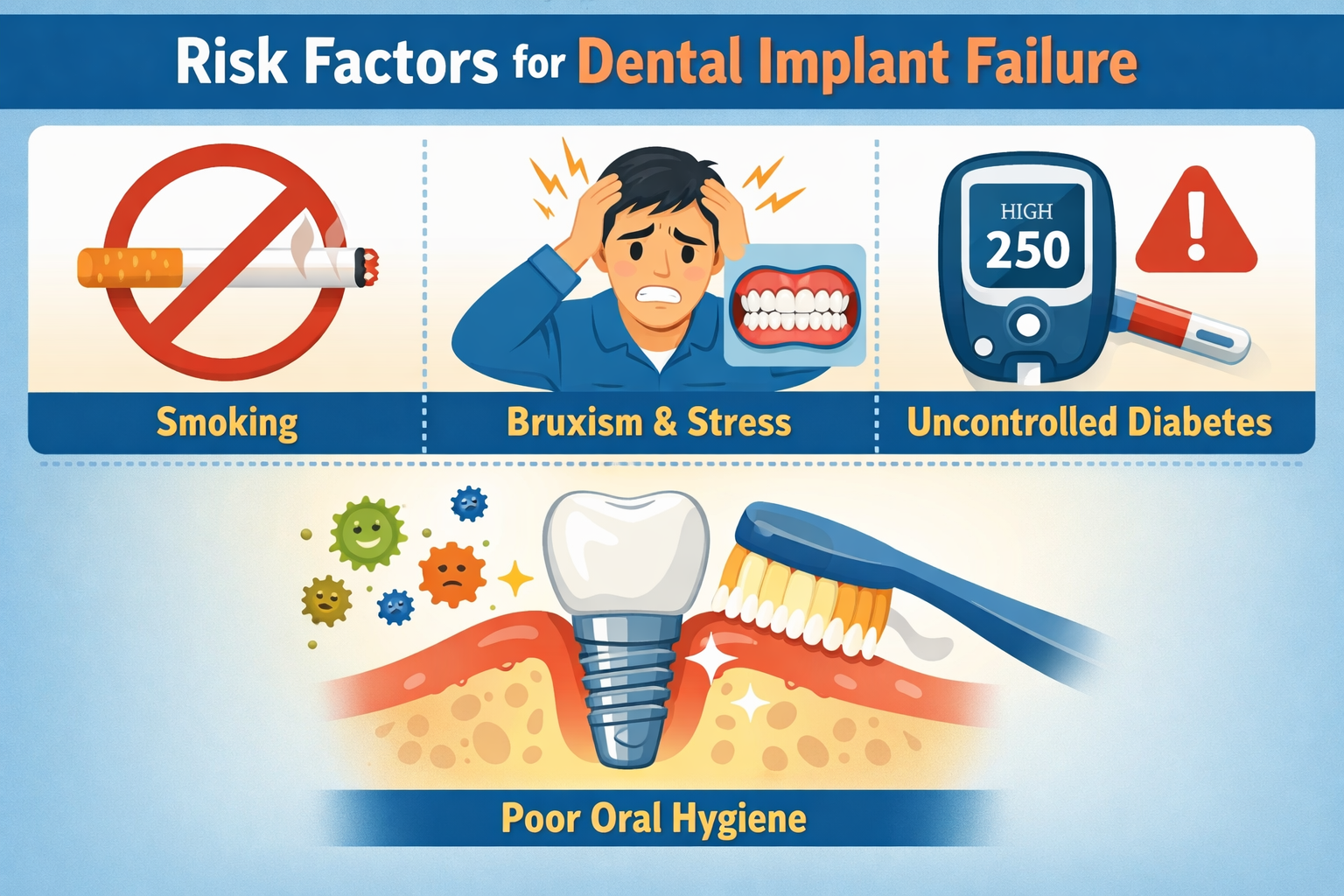
- Systemic Health Issues: Certain medical conditions, particularly uncontrolled diabetes or autoimmune diseases, can impair healing and increase the risk of early failure.
- Surgical Trauma: If the implant placement procedure itself causes significant trauma to the bone or surrounding tissues, it can hinder the healing process.
Late Failures
Late failures occur after the implant has successfully integrated and has been in function for an extended period. These are often related to factors that impact the long-term health of the implant and surrounding tissues:
- Peri-implantitis: This is the leading cause of late implant failure. It’s an inflammatory condition affecting the soft tissues and bone surrounding a dental implant, often caused by bacterial infection. If left untreated, it can lead to bone loss around the implant and eventually implant instability.
- Occlusal Overload (Excessive Biting Forces): Habitual teeth grinding (bruxism) or clenching can place excessive stress on the implant and the surrounding bone, leading to bone loss or even fracture of the implant or its components over time.
- Poor Oral Hygiene: Just like natural teeth, dental implants require diligent daily cleaning. Plaque and tartar buildup can lead to gum inflammation and peri-implantitis.
- Mechanical Complications: While less common, the implant itself or its components (like the abutment or crown) can fracture. This might be due to manufacturing defects, extreme biting forces, or fatigue over many years.
- Trauma: A direct blow to the mouth or face can damage or dislodge an otherwise healthy implant.
For those considering implant surgery, understanding these potential causes helps reinforce the importance of careful patient selection, skilled surgical technique, and consistent aftercare.
Mitigating Risks: Prevention Strategies for Dental Implant Failure Rate Dallas
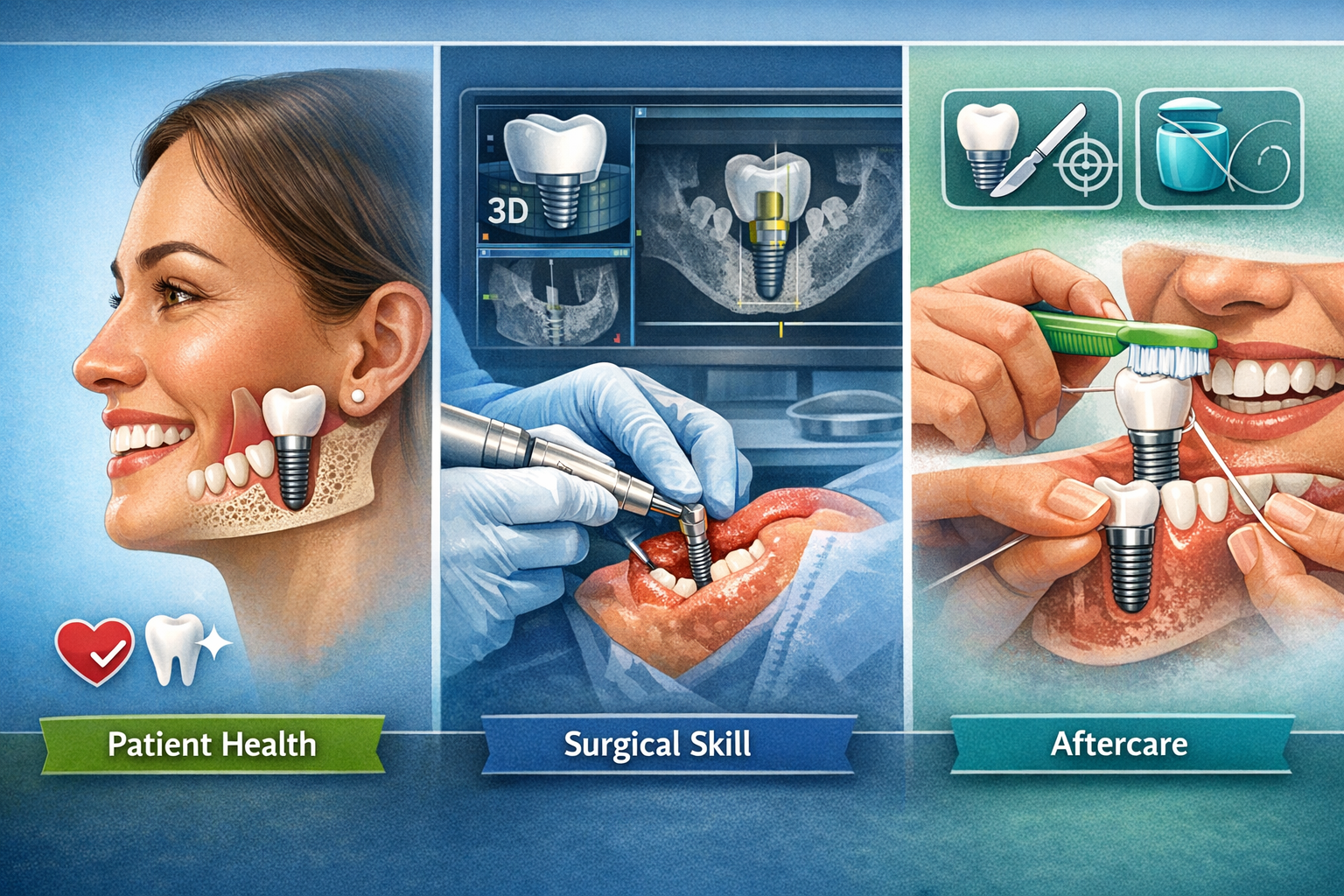
While no medical procedure is 100% risk-free, there are significant steps patients and their dental professionals in Dallas can take to minimize the risk of dental implant failure. These strategies focus on patient health, surgical precision, and diligent long-term maintenance.
Patient Selection and Health Optimization
- Comprehensive Assessment: A thorough evaluation by a qualified Dallas dental implant specialist is paramount. This includes a review of medical history, oral health assessment, and detailed imaging (like 3D cone-beam CT scans) to assess bone quality and quantity. Conditions like uncontrolled diabetes, active periodontal disease, or severe autoimmune disorders must be managed effectively before surgery. For insights into advanced planning, read our article on The Role of 3D Imaging and Digital Planning in Dallas Dental Implant.
- Smoking Cessation: Smoking is one of the most significant risk factors for dental implant failure, as it impairs blood flow and healing. Patients are strongly advised to quit smoking well before and after the procedure. Learn more about options for Dallas TX Dental Implants for Smokers 2026.
- Control of Systemic Conditions: Patients with conditions such as diabetes or osteoporosis should ensure their conditions are well-managed with their physician before undergoing implant surgery.
- Bone Health: If insufficient bone density or volume is present, bone grafting procedures may be recommended to create a stable foundation for the implant. Addressing issues like Dental Implants and Bone Loss is critical for long-term success.
Surgical Expertise and Technology
- Experienced Dental Professionals: Choosing a highly skilled and experienced oral surgeon or periodontist for your implant procedure in Dallas is vital. Their expertise in surgical technique, sterile protocols, and managing potential complications directly impacts success rates.
- Advanced Planning and Technology: Modern dentistry utilizes advanced technologies like 3D guided implant surgery, which allows for precise placement and minimizes trauma. This approach can significantly reduce the risk of early failure.
- Proper Implant Selection: The dentist will select the appropriate type, size, and material of implant (e.g., titanium vs. zirconia) based on the patient’s individual needs and bone structure.
Diligent Post-Operative Care and Maintenance
- Adherence to Post-Op Instructions: Following all post-operative care instructions from your Dallas dentist is critical for proper healing. This includes diet restrictions, medication adherence, and gentle oral hygiene. For a detailed guide, refer to our Dental Implant Recovery Timeline in Dallas.
- Excellent Oral Hygiene: Maintaining meticulous daily oral hygiene, including brushing and flossing around the implant, is essential to prevent plaque buildup and peri-implantitis. Special brushes or tools may be recommended.
- Regular Dental Check-ups: Routine visits to your Dallas dentist for professional cleanings and examinations allow for early detection and management of any potential issues around the implant. This proactive approach helps protect your investment. More on this can be found in Dental Implant Post-Op Care & Maintenance Costs in Dallas.
- Management of Bruxism: If you clench or grind your teeth, your dentist may recommend a nightguard to protect your implants and natural teeth from excessive forces.
By proactively addressing these factors, patients can significantly enhance the success and longevity of their dental implants.
What to Do If a Dental Implant Fails in Dallas
Discovering that a dental implant has failed can be concerning, but it’s important to remember that solutions are often available. The first and most crucial step is to consult with your Dallas dental professional immediately.
Step 1: Immediate Consultation with Your Dentist
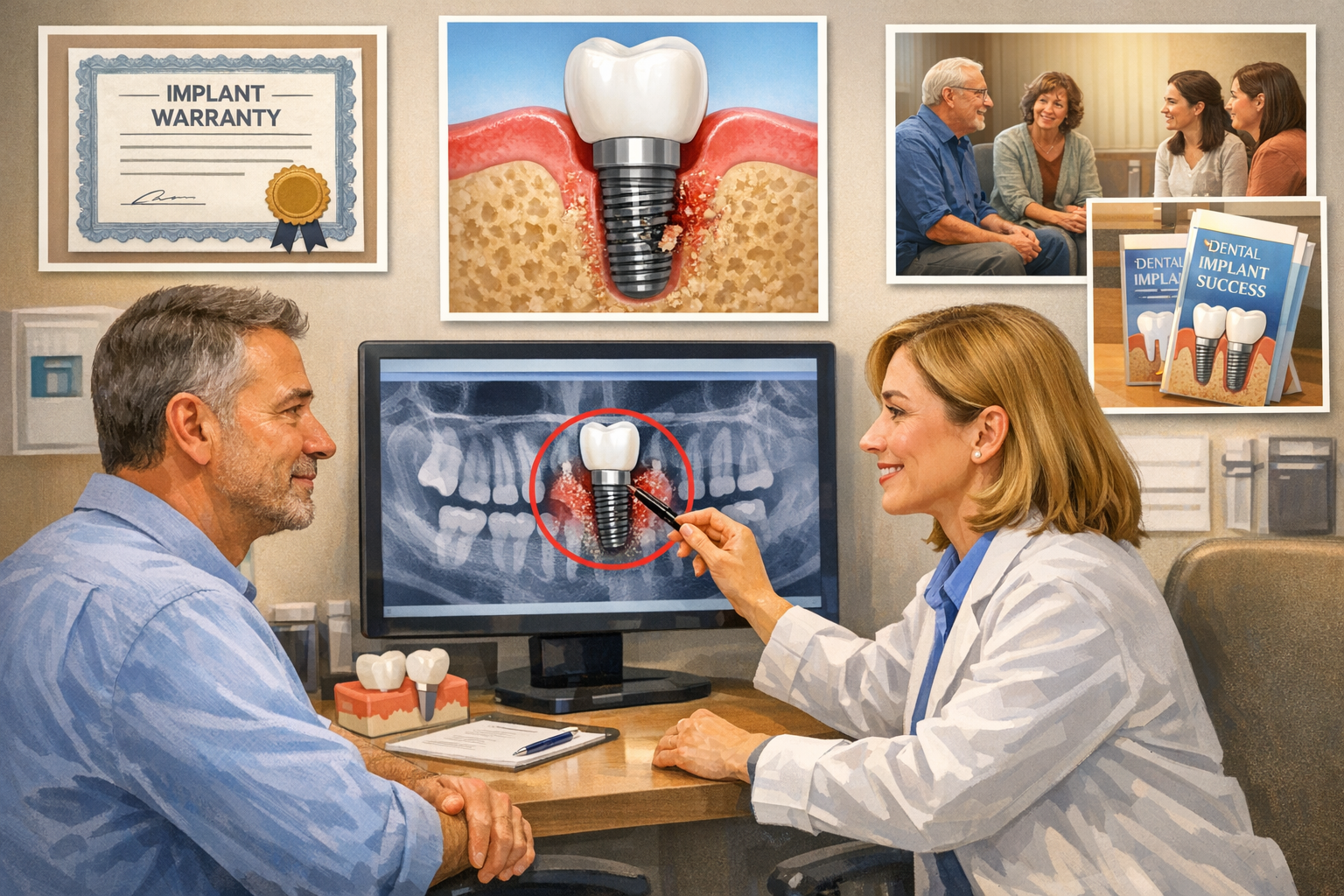
If you suspect an implant failure (signs might include pain, swelling, mobility of the implant, or gum recession), contact your dentist without delay. They will conduct a thorough examination, which typically includes:
- Visual Inspection: Assessing the implant site for signs of inflammation, infection, or mobility.
- X-rays or 3D Imaging: To evaluate the implant’s position, the surrounding bone, and to identify any bone loss or fractures.
- Probe Depth Measurement: To check the health of the gum tissue around the implant.
Step 2: Diagnosis and Discussion of Options
Once the cause of failure is identified, your dentist will discuss the available treatment options. The approach will depend heavily on whether it’s an early or late failure and the specific reason for it.
- For Early Failures (lack of osseointegration):
- Removal of the Implant: Often, the failed implant needs to be removed.
- Site Preparation: The area may need to heal, and a bone graft might be necessary to rebuild the bone volume.
- Re-implantation: After adequate healing and bone regeneration (typically several months), a new implant can often be placed in the same location.
- For Late Failures (e.g., peri-implantitis):
- Non-Surgical Treatment: Early stages of peri-implantitis may be treated with deep cleaning, antibiotics, and improved oral hygiene.
- Surgical Treatment: More advanced cases may require surgical procedures to clean the implant surface, remove infected tissue, and regenerate lost bone.
- Implant Removal and Replacement: If the damage is too severe, the implant may need to be removed, the site allowed to heal, and a new implant placed later.
Step 3: Understanding Warranties and Costs
It’s important to understand the financial implications of implant failure. Many reputable dental clinics in Dallas offer warranties on their dental implant procedures. This can cover the cost of removing a failed implant and placing a new one. It’s advisable to review your initial treatment agreement or inquire about the warranty policy during your consultation. For more information, please see our article on Understanding the Dental Implant Warranty: What Dallas Clinics Offer.
While facing an implant failure can be discouraging, it’s crucial to approach it calmly and with the guidance of a trusted dental professional. With proper diagnosis and treatment, a successful outcome is often still achievable, ensuring your long-term oral health and confidence in your smile.
Conclusion
Dental implants offer a reliable and long-lasting solution for missing teeth, characterized by an impressive success rate. However, understanding the factors that can contribute to Dental Implant Failure Rate Dallas: Understanding Risks, Prevention, and What to Do If an Implant Fails is an important aspect of patient education. By focusing on comprehensive patient evaluation, utilizing advanced surgical techniques, and committing to diligent oral hygiene and regular dental check-ups, patients in Dallas can significantly enhance the success and longevity of their implants.
Should an implant issue arise, prompt communication with an experienced Dallas dental professional is key. With modern diagnostic tools and treatment protocols, solutions are often available to address complications, restore oral health, and maintain the aesthetic and functional benefits of your tooth replacement. Informed decision-making and a patient-first approach are at the heart of achieving a healthy, lasting smile. Always encourage consultation with a dentist to discuss your specific oral health needs and to explore the best missing teeth solutions for you.
References
- Al-Sabbagh, M., et al. (2012). “Dental Implant Success and Failure: A Clinical Report.” Journal of Implantology, 38(2), 198-206.
- Mombelli, A., & Decaillet, F. (2011). “The characteristics of peri-implantitis cases: a series of 115 patients with 295 implants.” Clinical Oral Implants Research, 22(8), 834-842.
- Renvert, S., & Quirynen, M. (2013). “Risk factors for oral implant failure: an updated comprehensive review.” Journal of Clinical Periodontology, 40(S14), S144-S154.
SEO Meta Title: Dallas Dental Implant Failure: Risks, Prevention & Solutions SEO Meta Description: Understand dental implant failure rates in Dallas. Learn risks, essential prevention tips, and what to do if an implant fails for long-term oral health.