
Choosing the right dental implant material is a significant decision for anyone considering tooth replacement options, particularly in 2026, when advancements offer more choices than ever. For Dallas residents exploring dental implants, understanding the differences between the two primary materials—titanium and zirconia—is essential. This article provides a detailed comparison of Comparing Dental Implant Materials Dallas 2026: Zirconia vs. Titanium Cost, Aesthetics & Durability, designed to help patients make informed decisions about their long-term oral health. We will delve into how these materials stack up in terms of price, how they look, and how long they are expected to last.
Key Takeaways
- Titanium is the established standard: Titanium implants have a long history of successful use, known for their strength and ability to integrate with bone (osseointegration).
- Zirconia offers aesthetic advantages: Zirconia implants are metal-free and tooth-colored, providing a more natural look, especially important for visible teeth.
- Cost differences exist: Generally, zirconia implants tend to be more expensive than titanium due to manufacturing processes and material costs.
- Durability is high for both: Both materials offer excellent long-term durability, but their specific properties lead to different considerations for certain patients.
- Consultation is crucial: An in-depth consultation with a qualified dentist in Dallas is vital to determine the best material for individual needs and circumstances.
Understanding the Foundation: Zirconia vs. Titanium Implants
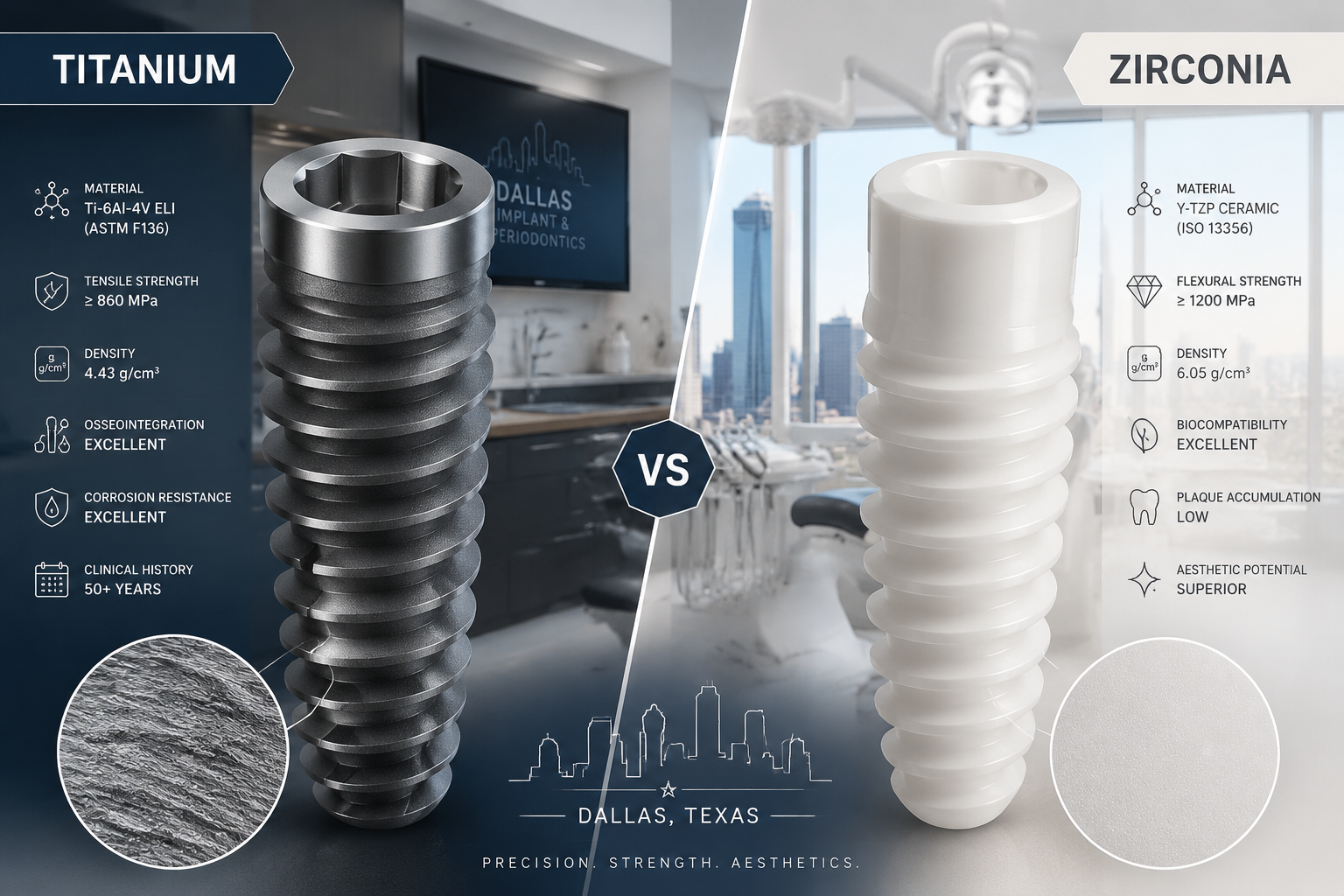
When considering dental implants in Dallas, the implant itself is a small, screw-shaped post that serves as an artificial tooth root. This post is surgically placed into your jawbone. The material of this post is crucial, as it needs to be biocompatible (meaning it won’t harm your body) and strong enough to withstand biting forces. For decades, titanium has been the gold standard, but zirconia has emerged as a popular alternative.
Titanium Dental Implants: The Time-Tested Standard
Titanium is a metal widely recognized for its exceptional strength, lightweight nature, and biocompatibility. It has been used in medical and dental implants for over 50 years. The success of titanium in dental implants stems from its ability to directly fuse with bone tissue, a process called osseointegration. This creates a strong, stable foundation for the replacement tooth. Most dental implant procedures worldwide still utilize titanium.
Pros of Titanium:
- Proven Track Record: Extensive research and clinical data support titanium’s long-term success and safety.
- Strength & Durability: Titanium is incredibly strong, making it highly resistant to fracture, even in areas with heavy chewing forces.
- Osseointegration: It has a unique ability to bond with bone, providing excellent stability.
- Cost-Effective: Typically, titanium implants are more affordable than zirconia options.
Cons of Titanium:
- Aesthetics (Grey Color): In patients with thin gum tissue, the dark grey color of titanium might show through, potentially affecting the natural appearance of the gum line, especially for front teeth. This can be a concern for those seeking the most seamless aesthetic outcome.
- Potential for Allergy: While rare, some individuals can have an allergy or sensitivity to certain metals, including titanium.
Zirconia Dental Implants: The Aesthetic Alternative
Zirconia, a ceramic material, is a newer but rapidly growing choice for dental implants. It is known for its bright, tooth-like color and excellent biocompatibility. Unlike titanium, zirconia is entirely metal-free, which appeals to patients who prefer a holistic or metal-free approach to their healthcare. Zirconia implants are typically made from zirconium dioxide, a very strong ceramic.
Pros of Zirconia:
- Superior Aesthetics: Its white color blends seamlessly with natural teeth and gums, eliminating concerns about a dark line showing through, making it an excellent choice for dental implants for missing front teeth Dallas: aesthetic considerations.
- Hypoallergenic: Zirconia is considered a hypoallergenic material, making it suitable for patients with metal sensitivities or allergies.
- Biocompatibility: It is highly biocompatible, meaning it is well-tolerated by the body and promotes healthy gum tissue.
- One-Piece Design: Many zirconia implants come in a one-piece design (implant and abutment combined), which can simplify the procedure in some cases, though two-piece designs are also available.
Cons of Zirconia:
- Cost: Zirconia implants are generally more expensive than titanium due to the higher material cost and specialized manufacturing processes.
- Brittleness (Historical Concern): While modern zirconia is very strong, early versions had concerns about brittleness compared to titanium. Current advancements have largely addressed this, but it’s a point worth discussing with your dentist.
- Limited Track Record: Compared to titanium, zirconia has a shorter history of widespread clinical use, although its success rates are highly promising.
Comparing Dental Implant Materials Dallas 2026: Cost Implications
Understanding the financial aspect is a key part of choosing your dental implant material. The cost of dental implants in Dallas can vary based on several factors, including the chosen material, the complexity of the case, the need for additional procedures (like bone grafting), and the specific clinic.
Average Cost Breakdown in Dallas (2026)
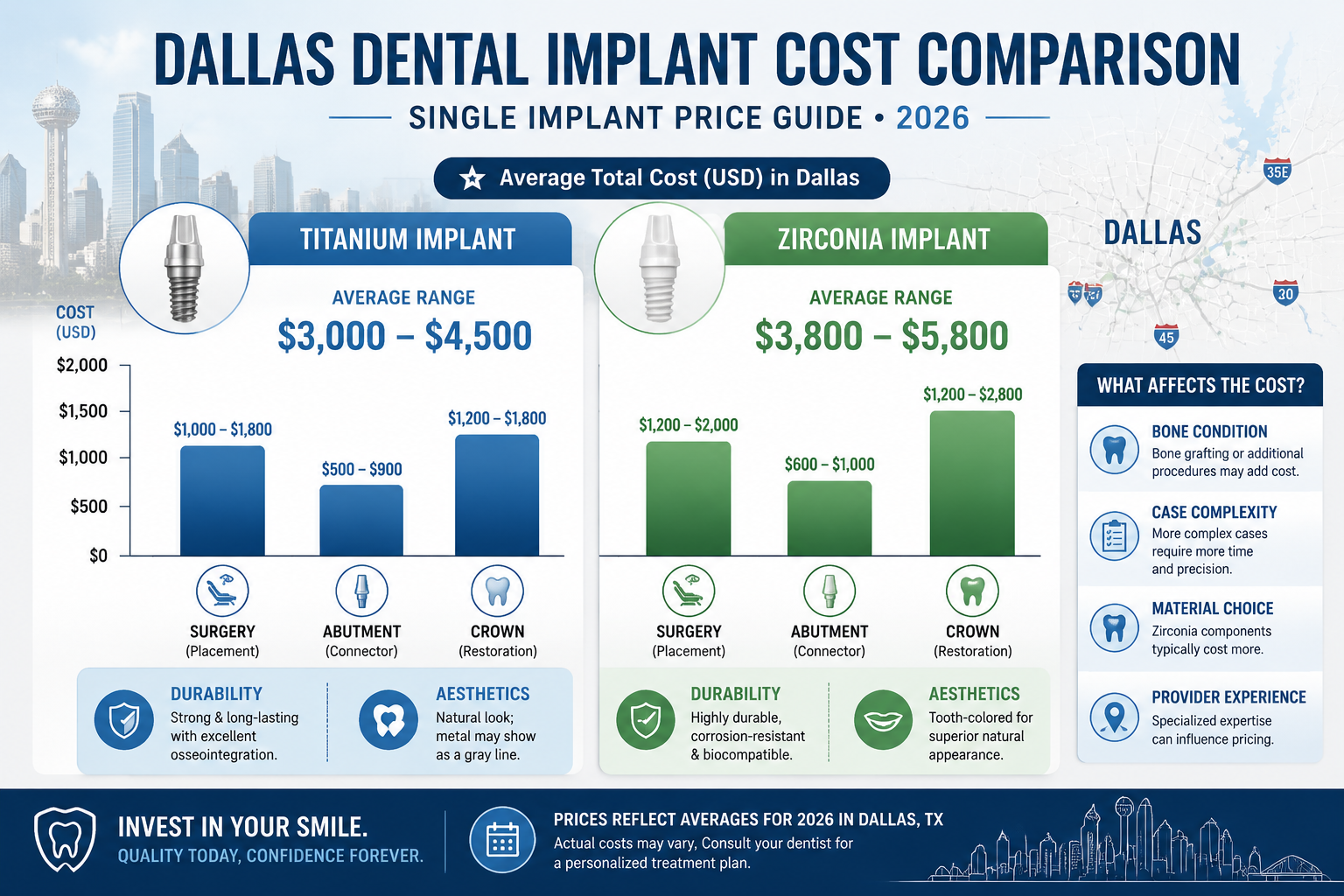
When Comparing Dental Implant Materials Dallas 2026: Zirconia vs. Titanium Cost, Aesthetics & Durability, cost is a significant factor. For a single dental implant in Dallas, including the implant post, abutment, and crown, patients can expect a range:
- Titanium Implant: A single titanium dental implant, including the abutment and crown, typically ranges from $3,000 to $6,000 in Dallas. This range can fluctuate based on the brand of implant, the dentist’s experience, and the location of the clinic.
- Zirconia Implant: A single zirconia dental implant, with its abutment and crown, often ranges from $4,000 to $7,000+ in Dallas. The higher cost reflects the material’s properties and manufacturing complexity.
It’s important to remember that these are average estimates for the implant, abutment, and crown components. The overall price of dental implants in Dallas can also include initial consultations, diagnostic imaging (X-rays, 3D scans), tooth extractions, bone grafting if needed, and follow-up appointments. Always ask for a comprehensive breakdown during your dental implant consultation in Dallas. For a broader perspective on costs, you can explore our guide on Dallas dental implant costs 2026 vs national averages.
Factors Influencing Cost
Beyond the material itself, several elements contribute to the total implant cost:
- Preliminary Procedures: If you need a tooth extraction or bone grafting to ensure sufficient jawbone for the implant, these will add to the total cost.
- Type of Crown: The final crown placed on the implant can be made from various materials (e.g., porcelain-fused-to-metal, all-ceramic), each with different costs and aesthetic qualities.
- Location and Clinic: Costs can vary slightly between dental practices in different areas of Dallas due to overhead and specialist fees.
- Sedation Options: If you opt for sedation during your implant surgery, this will be an additional cost. Explore options like sedation options for dental implants Dallas TX.
- Insurance Coverage: While most dental insurance plans do not fully cover dental implants, some may cover a portion of diagnostic procedures or the final crown. It’s crucial to understand your individual plan benefits.
Aesthetics and Durability: Long-Term Considerations in Dallas 2026

Beyond the initial investment, patients considering dental implants in Dallas are often concerned with how their new teeth will look and how long they will last. Both zirconia and titanium offer excellent outcomes, but with distinct advantages in these areas.
Aesthetic Outcomes
When it comes to aesthetics, zirconia holds a distinct advantage, particularly for implants in highly visible areas of the mouth.
- Zirconia: As a white, tooth-colored material, zirconia naturally blends with existing teeth and gum tissue. This eliminates the risk of the implant post showing through translucent gums, which can sometimes happen with titanium implants, creating a greyish tint. For patients with thin gingival (gum) tissues or those prioritizing a perfectly natural appearance, zirconia is often the preferred choice. It ensures the replacement tooth looks as seamless and natural as possible.
- Titanium: While titanium implants are highly successful, their metallic color can occasionally be a concern. In cases where gum recession occurs, or if the gum tissue is naturally very thin, the grey color of the titanium post or abutment might become visible. To counteract this, dentists often use zirconia abutments (the connector between the implant and the crown) even with titanium implants, to improve the aesthetic outcome.
Durability and Longevity
Both titanium and zirconia dental implants are designed for long-term oral health and offer exceptional durability. With proper care, dental implants can last for decades, often a lifetime.
- Titanium: Titanium is renowned for its incredible strength and resistance to fracture. Its proven ability to osseointegrate—forming a direct bond with the jawbone—contributes significantly to its long-term stability and success rates, which are consistently high (often above 95%). The flexibility of titanium allows it to absorb some of the chewing forces, reducing stress on the surrounding bone.
- Zirconia: Modern zirconia is very strong and durable, especially the high-strength versions used for dental implants. It also osseointegrates with the bone, providing a stable foundation. While some earlier concerns existed about its brittleness compared to titanium, current manufacturing processes have made zirconia implants highly resistant to fracture under normal chewing conditions. However, in cases of extreme bite forces or certain parafunctional habits (like grinding), some dentists might still favor titanium for its superior flexibility and fracture resistance.
Both materials contribute to the “real longevity of dental implants in Dallas” which, with good oral hygiene and regular dental check-ups, can extend to 10, 20, or even 30 years and beyond.
Making the Right Choice for Your Smile
The decision between zirconia and titanium dental implants is a personal one, best made in collaboration with a skilled dental professional. There is no universally “better” material; the ideal choice depends on your specific oral health needs, aesthetic goals, budget, and any material sensitivities you may have.
When discussing Comparing Dental Implant Materials Dallas 2026: Zirconia vs. Titanium Cost, Aesthetics & Durability with your dentist, consider the following questions:
- What are the aesthetic implications for my specific missing tooth location?
- Do I have any known metal sensitivities or allergies?
- What is the estimated total cost, including all associated procedures?
- What are the long-term success rates and potential risks for each material in my case?
- Does the clinic use 3D guided implant surgery, which can improve precision and outcomes?
A comprehensive consultation with a dentist specializing in dental implants in Dallas will provide personalized recommendations tailored to your unique situation. They can assess your bone density, gum health, and overall oral health to guide you toward the most suitable choice for lasting results and a confident smile.
Conclusion
Choosing the right material for your dental implants is a pivotal step in restoring your smile and enhancing your oral health. Both titanium and zirconia offer excellent solutions for missing teeth, each with distinct advantages in terms of cost, aesthetics, and durability. Titanium remains the trusted, scientifically proven standard, known for its strength and successful osseointegration. Zirconia offers a metal-free, highly aesthetic alternative, particularly appealing for visible areas of the mouth or for patients with metal sensitivities.
In 2026, as you explore your tooth replacement options in Dallas, take the time to research and, most importantly, engage in a thorough discussion with your dental professional. They can provide the expert guidance needed to navigate these choices, ensuring your dental implant procedure leads to a healthy, beautiful, and long-lasting outcome. Your journey to a renewed smile begins with an informed decision.