
Understanding what to expect after a dental implant procedure is crucial for a smooth and successful recovery. This detailed guide offers a day-by-day breakdown of the dental implant recovery process in Dallas, including practical advice on diet, activity levels, and what to expect at each stage for optimal healing. For patients in 2026 considering tooth replacement options, preparing for the recovery phase is just as important as the initial dental implant procedure itself.
Successfully navigating the healing period contributes significantly to the long-term success of dental implants in Dallas. This article aims to equip you with the knowledge needed to manage your recovery effectively, focusing on patient safety and promoting optimal oral health.
Key Takeaways
- Immediate Post-Op (Days 1-3): Focus on rest, managing swelling and pain with prescribed medications and cold compresses, and adhering strictly to a soft, liquid diet.
- Early Healing (Days 4-7): Swelling and discomfort should begin to subside. Continue with soft foods, gradually reintroduce light activities, and maintain diligent oral hygiene, avoiding the implant site.
- Weeks 2-6: Progressive Recovery: Most initial discomfort should be gone. You can typically return to most normal activities and a broader soft diet. The implant site is still healing internally as osseointegration begins.
- Months 2-6: Osseointegration and Long-Term Healing: This is the critical phase where the implant fuses with the jawbone. Continue to follow all post-operative instructions, maintain excellent oral hygiene, and attend follow-up appointments.
- Consult Your Dentist: Always follow your Dallas dentist’s specific instructions, as individual recovery timelines can vary based on the complexity of your implant surgery process and overall health.
The Immediate Post-Operative Period: Days 1-7 of Dental Implant Recovery in Dallas
The first week following your dental implant surgery is the most critical for initial healing and managing discomfort. Proper care during this time can significantly influence the success of your implant and your comfort level.
Day 1: The First 24 Hours Post-Surgery
The day of your surgery will involve careful management of bleeding, swelling, and pain. You will likely feel the effects of local anesthesia and any sedation options used during the procedure.
- Pain Management: Expect some discomfort as the anesthesia wears off. Your dentist will prescribe pain medication, which should be taken as directed. Over-the-counter pain relievers like ibuprofen can also help manage mild pain and inflammation.
- Swelling: Swelling is a normal part of the healing process. Apply an ice pack to the outside of your cheek, near the implant site, for 15-20 minutes on, 15-20 minutes off, for the first 24-48 hours. This helps minimize swelling and bruising.
- Bleeding: Slight bleeding or oozing is common. Bite gently on gauze pads provided by your dentist, changing them every 30-45 minutes until bleeding subsides. If heavy bleeding persists, contact your dentist immediately.
- Diet: Stick to soft, cold liquids immediately after surgery. Think smoothies (no straw!), yogurt, and cold broth. Avoid hot foods or drinks, as they can dislodge blood clots.
- Activity: Rest is paramount. Avoid strenuous activities, bending over, or lifting heavy objects. Keep your head elevated, even while sleeping, to help reduce swelling.
- Oral Hygiene: Do NOT rinse your mouth, spit forcefully, or brush near the implant site for the first 24 hours. This can dislodge the crucial blood clot forming over the surgical site.
- Things to Avoid: Alcohol, smoking (especially crucial for dental implants in Dallas for smokers), and using straws. Smoking dramatically impairs healing and increases the risk of implant failure.
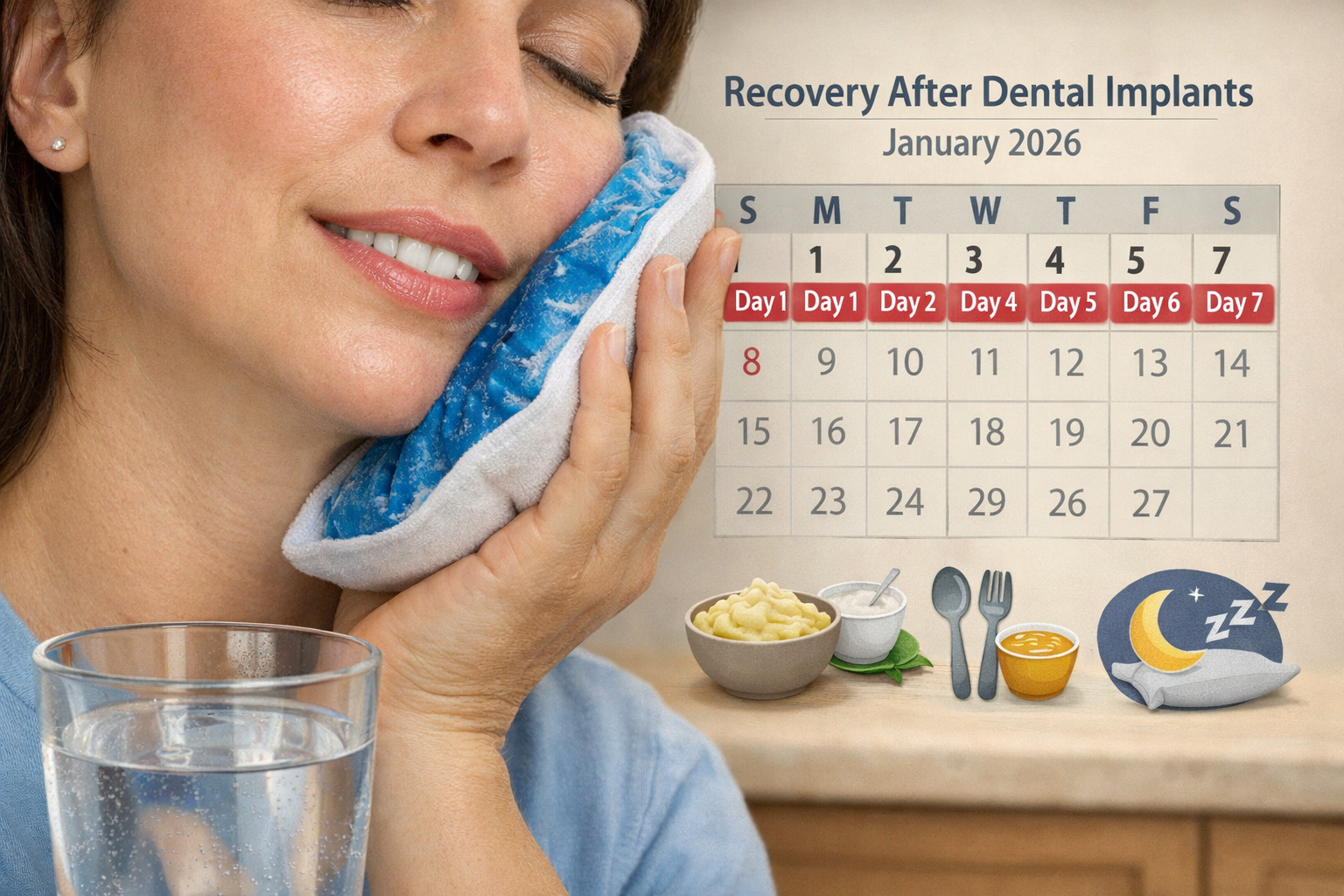

Days 2-3: Managing Discomfort and Beginning Gentle Care
You might experience peak swelling and bruising during this period.
- Pain & Swelling: Continue with pain medication as prescribed. Continue applying ice packs intermittently. Swelling may increase before it starts to subside.
- Diet: Maintain a soft diet. Gradually introduce lukewarm soft foods like mashed potatoes, scrambled eggs, or soft pasta. Avoid chewing directly on the implant site.
- Activity: Continue to avoid strenuous activity. Gentle walks are usually fine, but listen to your body.
- Oral Hygiene: You can usually begin very gentle rinsing with a warm saltwater solution (1/2 teaspoon salt in 8 ounces of warm water) 2-3 times a day, starting 24 hours after surgery. Do not swish vigorously. Brush your other teeth carefully, avoiding the surgical area. Your dentist may also recommend a prescription antimicrobial mouth rinse.
Days 4-7: Noticing Improvement
By the end of the first week, you should observe a significant reduction in swelling and discomfort.
- Pain & Swelling: Swelling should be noticeably decreasing, and any bruising should start to fade. You might be able to reduce your reliance on pain medication.
- Diet: You can slowly expand your soft diet to include more variety, but still avoid anything hard, crunchy, or chewy that could irritate the surgical site.
- Activity: Most light, non-strenuous activities can be resumed. Avoid heavy lifting or intense exercise that could increase blood pressure to your head.
- Oral Hygiene: Continue gentle warm salt water rinses and careful brushing. It’s important to keep the area clean to prevent infection.
- Follow-Up: Your dentist may schedule a follow-up appointment around this time to check on your healing and remove any sutures.
Progressing Through Recovery: Weeks 2 to 6 Months
After the initial week, the focus shifts from immediate symptom management to supporting the biological process of osseointegration – where the dental implant fuses with your jawbone. This phase is crucial for the long-term stability and success of your implant.
Weeks 2-4: Continued Healing and Gradual Return to Normality
By this point, most patients feel much better and can resume many of their daily routines.
- Discomfort: Any significant pain should have subsided. You might experience mild soreness or sensitivity, which is normal as the bone continues to heal around the implant.
- Diet: You can gradually reintroduce more solid, but still soft, foods into your diet. Continue to avoid very hard, sticky, or chewy foods. Eating on the opposite side of your mouth can also be helpful.
- Activity: Most normal activities can be resumed, including light exercise. Consult your dentist if you plan to engage in vigorous sports or activities that could impact your jaw.
- Oral Hygiene: Maintain excellent oral hygiene, including brushing twice daily and flossing. Your dentist might recommend specific tools or techniques for cleaning around the implant site.
- Osseointegration Begins: While you won’t feel it, the critical process of osseointegration is actively underway. The implant surface is bonding with your bone, forming a strong foundation for your future tooth.
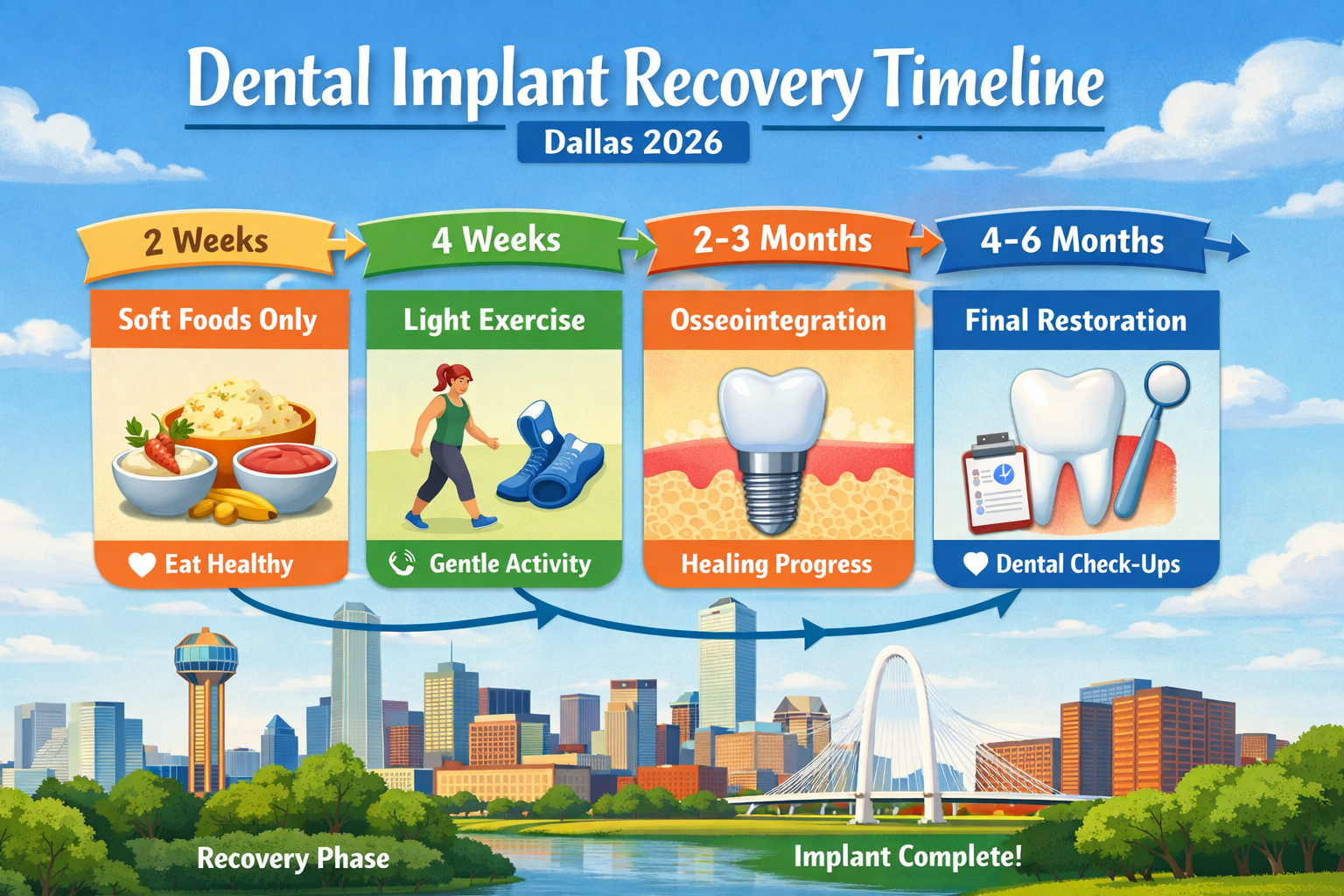

Months 2-6: The Osseointegration Period
This is the main period during which the implant integrates fully with your jawbone. The exact duration varies depending on individual healing capabilities, the number of implants, and whether bone grafting was needed. For those in Dallas needing bone graft for dental implants, the recovery period might be slightly extended.
- Diet: You can usually return to your regular diet during this time, but still exercise caution with extremely hard foods that could put excessive pressure on the healing implant.
- Activity: All normal activities and exercises can typically be resumed.
- Oral Hygiene: Consistent and thorough oral hygiene is vital for the long-term health of your implant and surrounding natural teeth.
- Follow-Up Appointments: Regular check-ups with your Dallas dentist are important to monitor the osseointegration process. X-rays may be taken to assess bone fusion.
- Restoration Placement: Once osseointegration is complete, which typically takes 3-6 months, your dentist will proceed with placing the abutment and the final dental crown, bridge, or denture. This marks the completion of the active treatment phase.
For a more comprehensive look at the overall healing journey, you may find our article on the dental implant recovery timeline in Dallas: a week-by-week guide helpful. Understanding the pain levels and recovery timeline after dental implant surgery in Dallas can also set realistic expectations.
Long-Term Care and Maintaining Your Dental Implants in Dallas for 2026 and Beyond
Once your dental implant has fully integrated and the final restoration is in place, the journey isn’t over. Proper long-term care is essential to ensure the longevity of your investment in oral health.
- Consistent Oral Hygiene: Treat your dental implant like your natural teeth. Brush twice a day with a soft-bristled toothbrush, floss daily, and consider using an interdental brush or water flosser specifically designed for implants.
- Regular Dental Check-ups: Schedule regular visits with your Dallas dentist, typically every six months. These appointments allow your dentist to monitor the health of your implant, surrounding gums, and overall oral health. Early detection of any issues, such as peri-implantitis (inflammation around the implant), is key to successful treatment.
- Healthy Lifestyle: A balanced diet, avoidance of smoking, and moderation of alcohol consumption contribute to overall health, which in turn supports the health of your dental implants. Smoking, in particular, is a major risk factor for implant failure.
- Protect Your Investment: If you grind or clench your teeth (bruxism), your dentist might recommend a nightguard to protect your implant and natural teeth from excessive force.
Dental implants are a significant investment in your long-term oral health. By adhering to post-operative instructions and maintaining diligent oral hygiene, you can enjoy the benefits of a stable, natural-looking tooth replacement for many years. Choosing dental implants in Dallas means you are opting for a durable and effective solution for missing teeth.
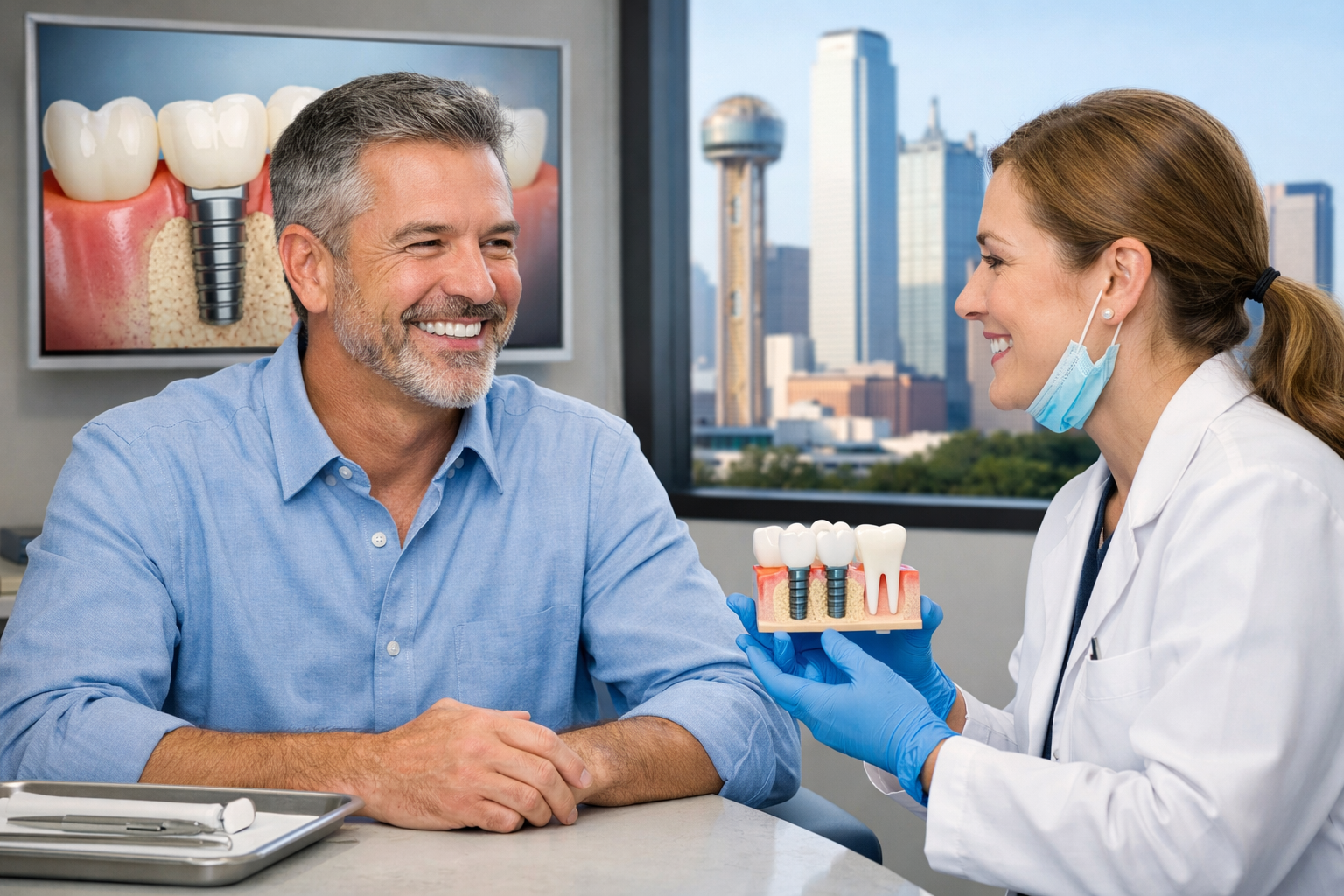

For a deeper dive into what factors contribute to the lifespan of dental implants, explore our article on the lifespan of dental implants in Dallas. Understanding how these factors affect your implant cost in Dallas and how to maximize your investment is essential for any patient in 2026.
Conclusion
The “Dental Implant Recovery Timeline Dallas: A Day-by-Day Guide to Healing, Diet, and Activity Restrictions for 2026 Patients” highlights that successful dental implant recovery is a structured process requiring patience and adherence to your dentist’s guidelines. From the immediate post-operative care focusing on pain and swelling management to the crucial months of osseointegration, each stage plays a vital role in achieving a successful, long-lasting outcome.
By understanding what to expect regarding healing, diet, and activity restrictions, you can significantly contribute to your recovery and the long-term health of your dental implants. Remember that individual healing can vary, and consistent communication with your Dallas dental professional is key to addressing any concerns.
We encourage you to prioritize patient safety and long-term oral health by following all post-operative instructions diligently. If you are considering dental implants as a solution for missing teeth or have questions about the dental implant procedure, a consultation with a dentist specializing in dental implants in Dallas is the best next step. They can provide personalized advice and a treatment plan tailored to your specific needs, helping you achieve a confident smile and improved oral function for 2026 and beyond.
References
- Albrektsson, T., & Wennerberg, A. (2004). Oral implant surfaces: Part 1—review focusing on topographical characteristics. International Journal of Prosthodontics, 17(5), 536-544.
- Misch, C. E. (2008). Contemporary implant dentistry (3rd ed.). Mosby Elsevier.
- Renvert, S., & Giovannoli, J. L. (2008). Dental implant complications. Quintessence Publishing Co.