
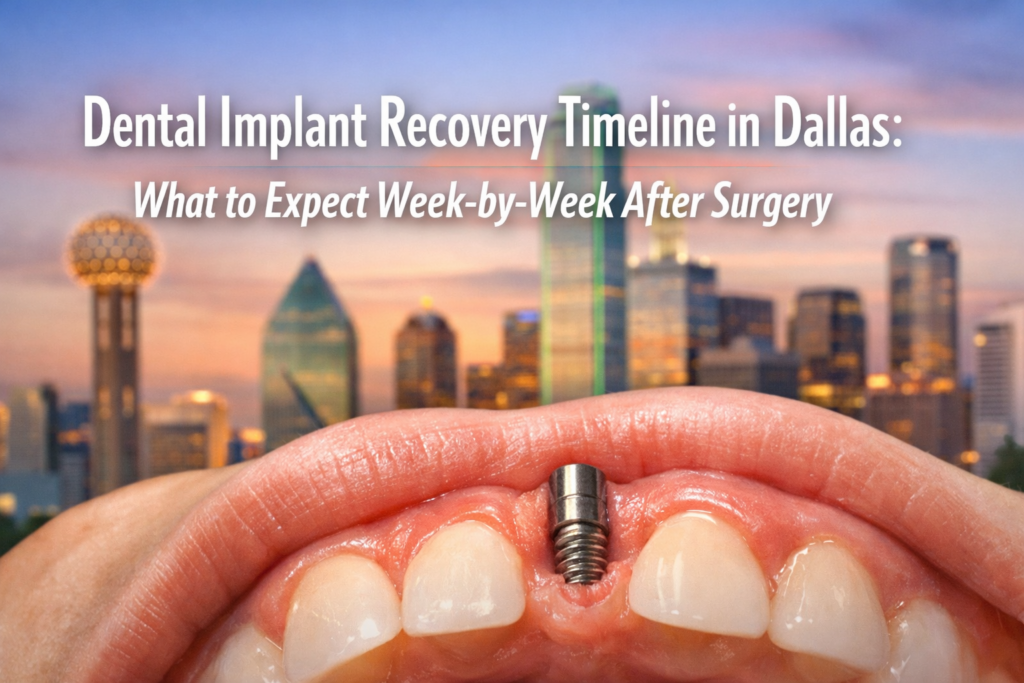
The prospect of undergoing dental implant surgery can bring many questions, especially regarding what happens after the procedure. Many patients in Dallas are keen to understand the journey to a fully restored smile. While every individual’s healing process is unique, there is a general Dental Implant Recovery Timeline in Dallas: What to Expect Week-by-Week After Surgery. Understanding this timeline can help set realistic expectations, manage discomfort, and ensure proper care for the best possible outcome.
This article provides a comprehensive, week-by-week guide to dental implant recovery, emphasizing patient-first, medically responsible information. It aims to demystify the healing process, from immediate post-operative care to the long-term integration of your new implant.
Key Takeaways
- The initial 1-2 weeks focus on managing swelling, pain, and protecting the surgical site.
- Weeks 3-12 involve the crucial process of osteointegration, where the implant fuses with the jawbone.
- Most patients can return to normal activities relatively quickly, but dietary restrictions are important.
- Long-term success depends heavily on excellent oral hygiene and regular dental check-ups.
- Consultation with a dentist in Dallas is essential for personalized advice and care.
Initial Healing: Weeks 1-2 After Dental Implant Surgery
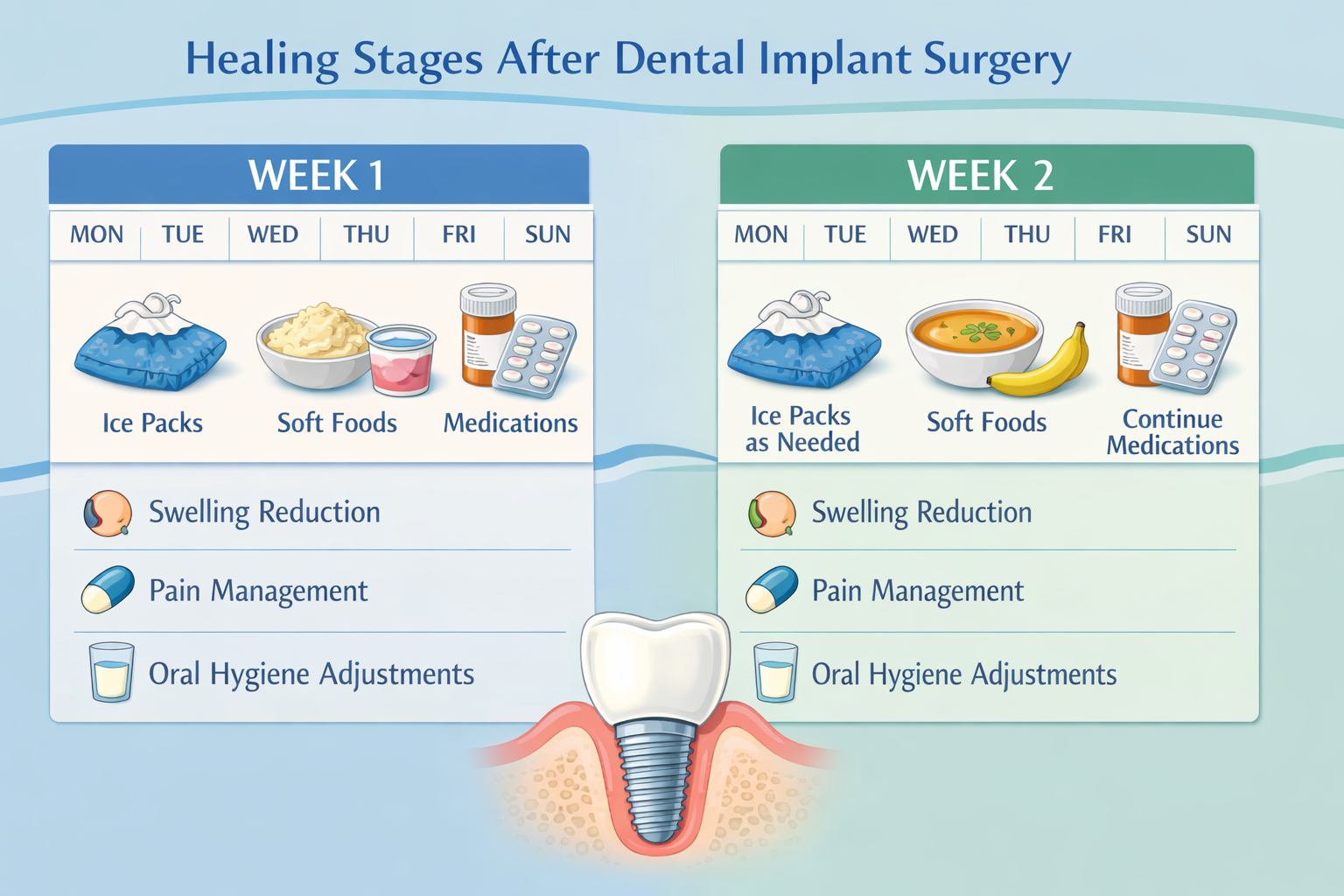
The first two weeks following your dental implant procedure are the most critical for immediate healing and managing post-operative symptoms. Patients often experience some discomfort, swelling, and bruising, which are normal parts of the body’s healing response. Your dentist in Dallas will provide specific post-operative instructions, and adhering to them closely is vital.
Week 1: Immediate Post-Operative Care and Symptom Management
The first few days after your implant surgery will involve managing initial symptoms and protecting the surgical site.
What to Expect:
- Pain: Mild to moderate pain is common. This can usually be managed effectively with prescribed pain medication or over-the-counter pain relievers recommended by your dentist.
- Swelling: Expect some swelling in your face and gums, peaking around 2-3 days after surgery.
- Bruising: Bruising around the jaw and neck area is also possible and typically subsides within a week.
- Minor Bleeding: Slight oozing or bleeding from the surgical site is normal for the first 24-48 hours.
- Difficulty Eating/Speaking: You may find it challenging to chew or speak comfortably initially.
Post-Operative Instructions:
- Ice Packs: Apply ice packs to the outside of your face for 15-20 minutes at a time, with 20-minute breaks, for the first 24-48 hours to help reduce swelling.
- Medication: Take all prescribed medications as directed, including antibiotics to prevent infection and pain relievers.
- Soft Diet: Stick to a soft diet, avoiding anything that requires significant chewing. Examples include smoothies, yogurt, mashed potatoes, and soups.
- Oral Hygiene: Be gentle around the surgical site. Avoid brushing directly over the implant for the first few days. Your dentist may recommend a special antimicrobial mouthwash. Rinse gently with salt water after the first 24 hours to keep the area clean.
- Rest: Get plenty of rest. Avoid strenuous activities that could dislodge the blood clot or increase swelling.
- Avoid Smoking: Smoking significantly hinders healing and increases the risk of implant failure. If you smoke, this is a critical time to stop. For more information, read about Dallas TX Dental Implants for Smokers 2026: Quit Tips, Success Rates, and Cost-Effective Protocols.
Week 2: Gradual Improvement and Continued Care
By the second week, many of the initial symptoms should begin to subside, and you’ll likely feel more comfortable.
What to Expect:
- Reduced Swelling and Bruising: Swelling and bruising should significantly decrease, though some residual tenderness may remain.
- Decreased Pain: Pain should be minimal and easily managed with over-the-counter medication, if needed.
- Stitches (if applicable): If non-dissolving stitches were used, they might be removed by your dentist during a follow-up appointment.
Continued Care:
- Diet: You can gradually introduce slightly firmer foods, but continue to avoid hard, crunchy, or sticky items that could irritate the surgical site.
- Oral Hygiene: Continue gentle brushing and careful rinsing. Maintaining excellent oral hygiene is crucial to prevent infection.
- Activity: You can slowly resume normal, light activities, but still avoid anything that puts undue strain on your body.
Osseointegration: Weeks 3-12 and Beyond
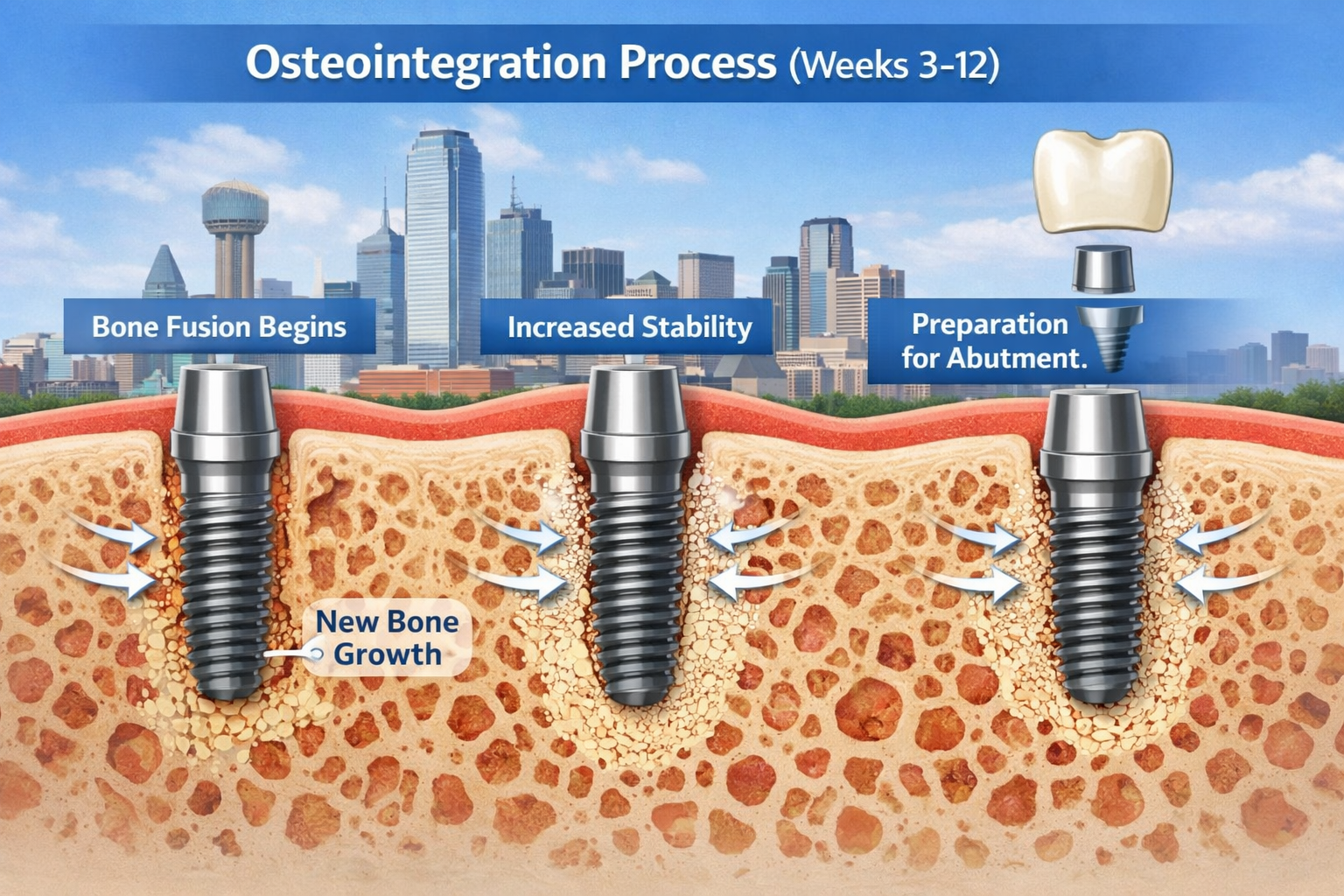
The period from week 3 to week 12 and sometimes longer, is dedicated to osseointegration. This is the biological process where the dental implant post, typically made of titanium, fuses directly with the surrounding jawbone. This fusion creates a stable and strong foundation for the future dental crown or bridge. The success of this stage is paramount for the long-term stability of your dental implants in Dallas.
Weeks 3-6: Bone Integration Begins
During this phase, you might not notice significant changes externally, but crucial healing is happening beneath the surface.
What to Expect:
- Minimal Discomfort: Most patients experience little to no pain or discomfort at the surgical site.
- Healing Gum Tissue: The gum tissue around the implant should be fully healed and closed.
- Bone Growth: The jawbone actively starts to grow around and bond with the implant surface.
Care During This Phase:
- Diet: Continue to be mindful of your diet. While you can eat more normally, avoid chewing directly on the implant site if possible, especially hard or crunchy foods, to prevent putting stress on the integrating implant.
- Oral Hygiene: Maintain meticulous oral hygiene. Gentle brushing and flossing around your other teeth are essential to keep your mouth clean and prevent any issues that could affect the implant.
- Follow-Up Appointments: Attend any scheduled follow-up appointments with your Dallas dentist. They will monitor the healing process and ensure everything is progressing as expected.
Weeks 7-12: Strengthening the Bond
As osseointegration progresses, the implant becomes more securely anchored in your jawbone. This phase prepares you for the next step of receiving your final prosthetic tooth.
What to Expect:
- Increased Stability: The implant should feel completely stable within your jaw.
- Ready for Abutment: Your dentist will assess if the implant has sufficiently integrated to proceed with placing the abutment, which is a small connector piece that attaches to the implant and extends above the gum line.
- Preparation for Final Restoration: Once the abutment is placed and the surrounding gum tissue has healed, impressions will be taken to create your custom crown, bridge, or denture.
Key Considerations:
- Patience is Key: Osseointegration cannot be rushed. The time it takes can vary depending on individual healing capabilities, bone density, and the number of implants placed.
- Bone Grafts: If you required a bone graft before or during your implant surgery, the overall healing timeline might be longer.
- Overall Health: Factors like diabetes or smoking can impact healing. For insights into managing specific health conditions, you might want to review Dental Implants for Diabetics in Dallas: Special Considerations, Risks, and Success Rates.
Long-Term Maintenance and Final Restoration: Week 12 and Beyond
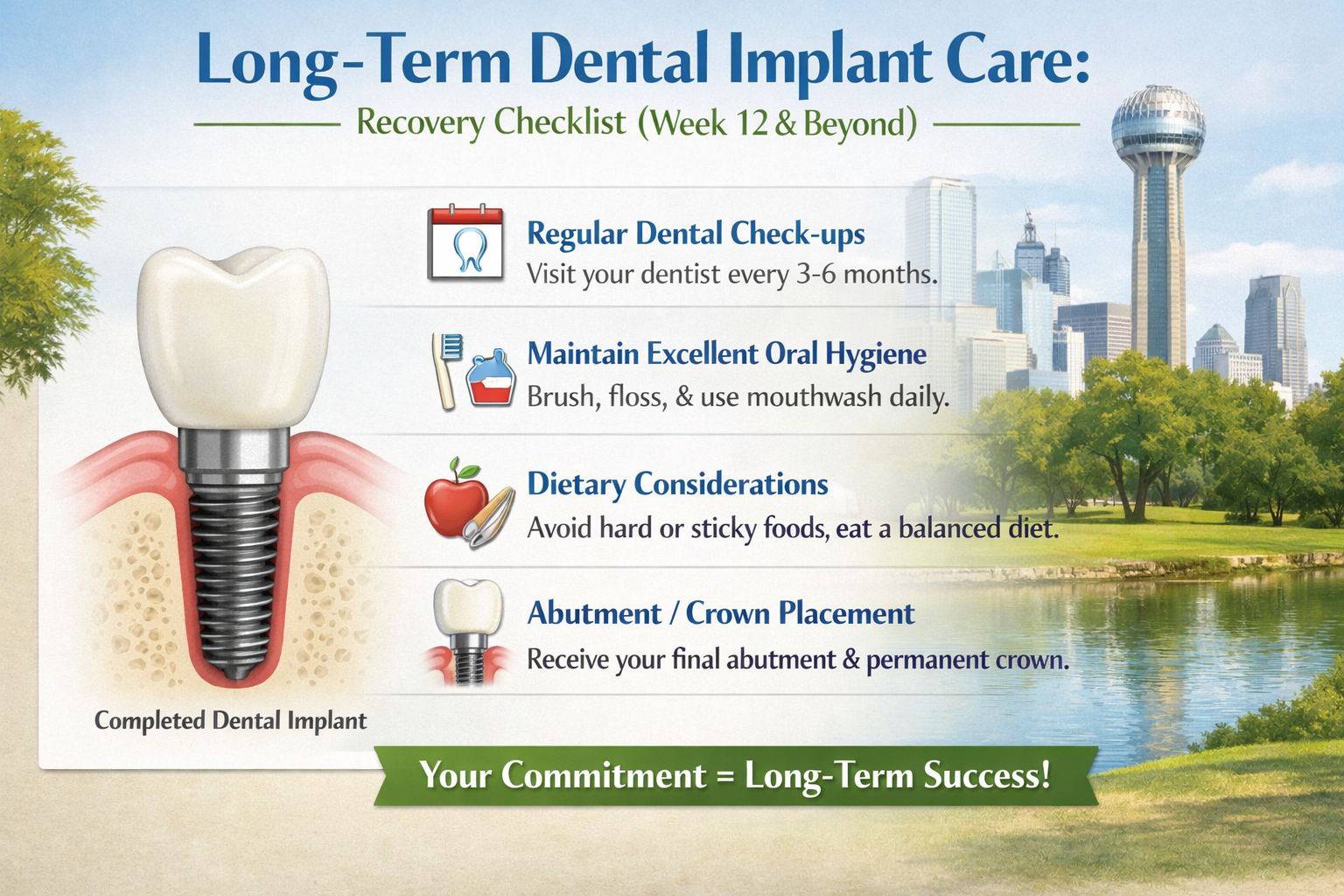
Once osseointegration is complete and the abutment has been placed, the final stages of your dental implant journey involve placing your permanent restoration and committing to long-term maintenance. This phase is crucial for ensuring the longevity and success of your new tooth replacement option.
Week 12 to 6 Months: Final Restoration and Settling In
This period marks the exciting transition from a healing site to a fully functional, aesthetically pleasing tooth.
What to Expect:
- Crown/Bridge Placement: After impressions are taken, your custom-made crown, bridge, or denture will be fabricated. This prosthetic tooth is then securely attached to the abutment. Your Dallas dentist will ensure a perfect fit, comfortable bite, and natural appearance.
- Full Functionality: Once the final restoration is in place, you can typically resume a normal diet without restrictions, chewing and speaking with confidence.
- Adaptation: It may take a few days or weeks to fully adapt to the feel of your new tooth. This is a normal part of integrating it into your daily oral functions.
Beyond 6 Months: Lifelong Care for Your Dental Implants in Dallas
Dental implants are designed to be a long-term solution for missing teeth, often lasting for decades. However, their longevity depends significantly on consistent care.
Long-Term Care Essentials:
- Excellent Oral Hygiene: Treat your dental implant like a natural tooth. Brush twice daily, floss daily, and use any interdental brushes or other cleaning aids recommended by your dentist. While implants cannot get cavities, the surrounding gum tissue can still be susceptible to inflammation and infection (peri-implantitis).
- Regular Dental Check-ups: Continue to visit your Dallas dentist for regular check-ups and professional cleanings, typically every six months. These appointments allow your dentist to monitor the health of your implant, gums, and overall oral health. Early detection of any issues is key to preventing complications. You can learn more about Dental Implant Post-Op Care & Maintenance Costs in Dallas: Protecting Your Investment for Decades.
- Avoid Harmful Habits: Refrain from habits like chewing on ice, biting fingernails, or using your teeth to open packages, as these can damage your implant or natural teeth.
- Protective Nightguards: If you grind or clench your teeth (bruxism), your dentist may recommend a custom nightguard to protect your implant and natural teeth from excessive force.
Maintaining this level of care helps ensure the long-term success and aesthetic appeal of your dental implants. Many patients find that with proper maintenance, their implants last as long as their natural teeth, providing a significant improvement in quality of life and oral health. For a deeper dive into what to expect over the years, consider reading about The Real Longevity of Dental Implants in Dallas: What to Expect After 10, 20, or Even 30 Years.
Factors Influencing Your Dental Implant Recovery Timeline in Dallas
While this week-by-week guide provides a general overview, several factors can influence an individual’s specific dental implant recovery timeline in Dallas. Understanding these can help manage expectations.
Individual Health and Healing Capabilities
Every person’s body heals at a different pace. Factors such as age, overall health, immune system strength, and metabolism play a significant role. Younger, healthier individuals often experience faster recovery than older patients or those with underlying health conditions.
Bone Density and Quality
The success of osseointegration is directly tied to the quality and density of the jawbone. If a patient has insufficient bone, a bone graft may be necessary before or during implant placement, which can extend the overall recovery period. The initial density of the bone also affects how quickly the implant stabilizes and fuses.
Number of Implants and Complexity of Procedure
A single dental implant procedure typically has a shorter and simpler recovery than multiple implants or full-mouth restorations. Complex cases involving extensive extractions, bone grafting, or sinus lifts will naturally require a longer and more involved healing process. For example, the recovery for full mouth dental implant options in Dallas will differ from a single tooth implant.
Adherence to Post-Operative Instructions
Strictly following your Dallas dentist’s post-operative care instructions is paramount. This includes proper medication use, dietary restrictions, oral hygiene, and avoiding activities like smoking. Any deviation can delay healing, increase the risk of complications, and prolong your recovery.
Oral Hygiene and Maintenance
Consistent and thorough oral hygiene is critical throughout the entire recovery and beyond. Poor oral hygiene can lead to infection at the implant site, which can jeopardize the success of the implant and extend the healing period significantly. Regular check-ups with your dentist are also essential for monitoring the implant’s health.
When to Contact Your Dallas Dentist During Recovery
While some discomfort and swelling are normal, it’s important to know when to seek professional advice. Prompt communication with your dental professional can prevent minor issues from becoming major complications.
Contact your dentist immediately if you experience any of the following:
- Excessive or Persistent Bleeding: While some oozing is normal, heavy, continuous bleeding that doesn’t subside with pressure is a concern.
- Severe or Worsening Pain: If your pain is severe, uncontrolled by medication, or suddenly worsens after a period of improvement, it warrants attention.
- Increased Swelling or New Swelling: Swelling should gradually decrease. If it increases after the initial few days or new swelling develops, it could indicate an infection.
- Pus or Discharge: Any sign of pus or foul-smelling discharge from the surgical site is a clear indicator of infection.
- Fever: A fever, especially accompanied by other symptoms, suggests an infection.
- Numbness: Prolonged or new numbness in the lip, chin, or tongue area beyond the initial anesthesia effects could indicate nerve irritation.
- Movement of the Implant: The implant should feel completely stable. Any noticeable movement or wobbling is a serious concern and requires immediate attention.
- Allergic Reaction: Symptoms like rash, hives, or difficulty breathing after taking medication.
Your dental team in Dallas is your primary resource for any concerns during your recovery. Do not hesitate to reach out if something feels wrong or if you have questions about your healing process. A timely consultation can make a significant difference in the outcome of your dental implant. Preparing for your initial dental implant consultation in Dallas can help you establish this vital communication channel from the start.
Conclusion
Understanding the Dental Implant Recovery Timeline in Dallas: What to Expect Week-by-Week After Surgery is a vital part of preparing for and successfully undergoing this transformative tooth replacement option. While the initial weeks involve managing post-operative symptoms, the subsequent months are dedicated to the biological process of osseointegration, which establishes the long-term stability of your implant.
The journey culminates in the placement of your final restoration, restoring both function and aesthetics. Remember that diligent oral hygiene, adherence to your dentist’s instructions, and regular follow-up appointments are crucial for a successful and lasting outcome. Choosing dental implants in Dallas is an investment in your long-term oral health and quality of life. By being informed and proactive, you can ensure a smooth recovery and enjoy the full benefits of your new smile for many years to come.
If you are considering dental implants, a thorough consultation with a dentist in Dallas is the first step. They can provide a personalized assessment, discuss the implant cost in Dallas, and outline a treatment and recovery plan tailored to your specific needs.