

Did you know that dental implants often boast a success rate exceeding 95% and can reliably last for decades, often outliving other tooth replacement options? For Dallas residents considering solutions for missing teeth, understanding the longevity of dental implants is a crucial part of making an informed decision. This comprehensive guide will explore How Long Do Dental Implants Last? Dallas Patients’ Guide to Implant Longevity & Maintenance, detailing what influences their lifespan, what to expect over time, and how to ensure your investment in long-term oral health pays off for many years to come.
Key Takeaways
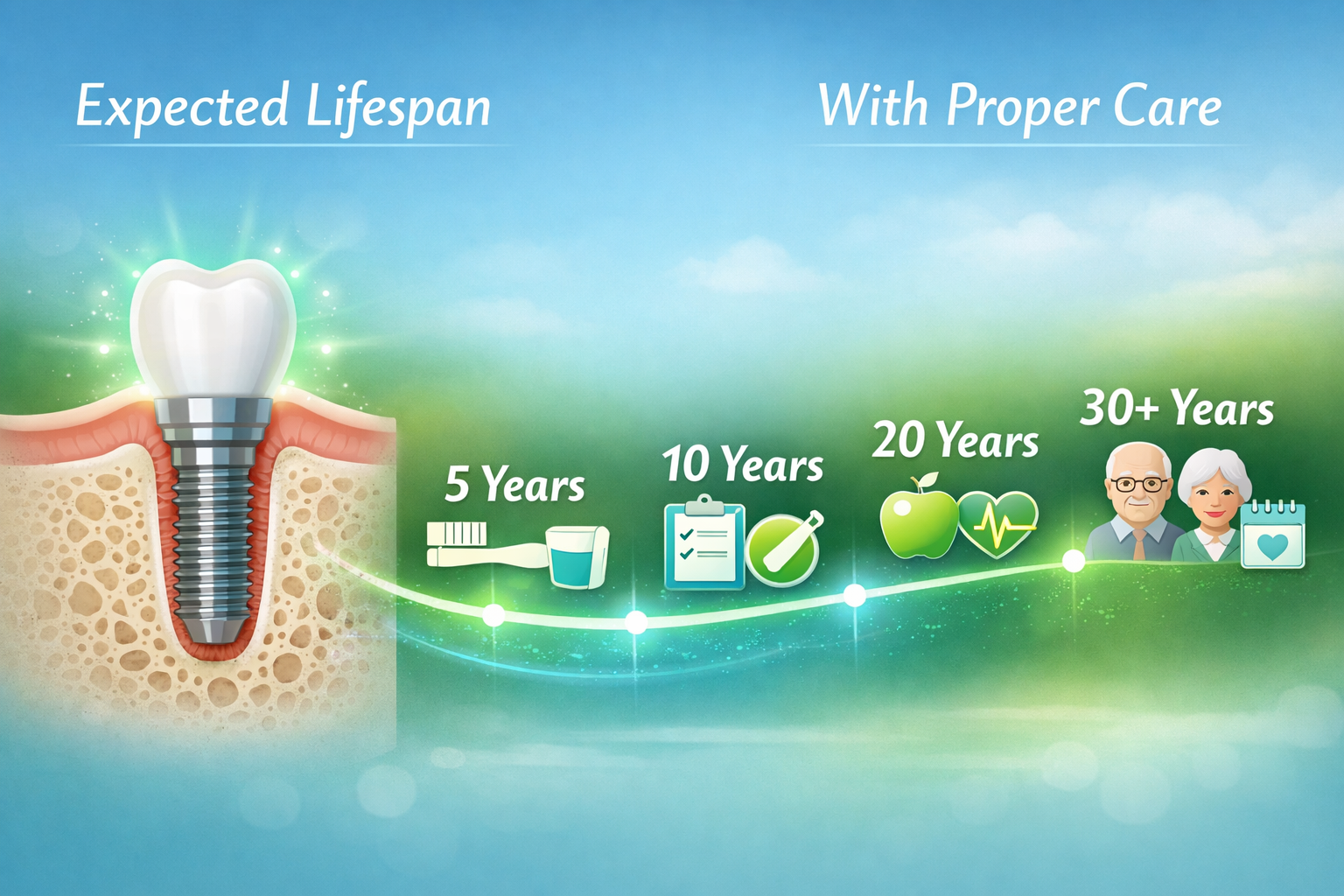
- Long-Term Solution: Dental implants are designed to be a permanent tooth replacement option, with many lasting 20 to 30 years or even a lifetime.
- High Success Rates: With proper care, dental implant success rates are exceptionally high, often exceeding 95% for the implant post itself.
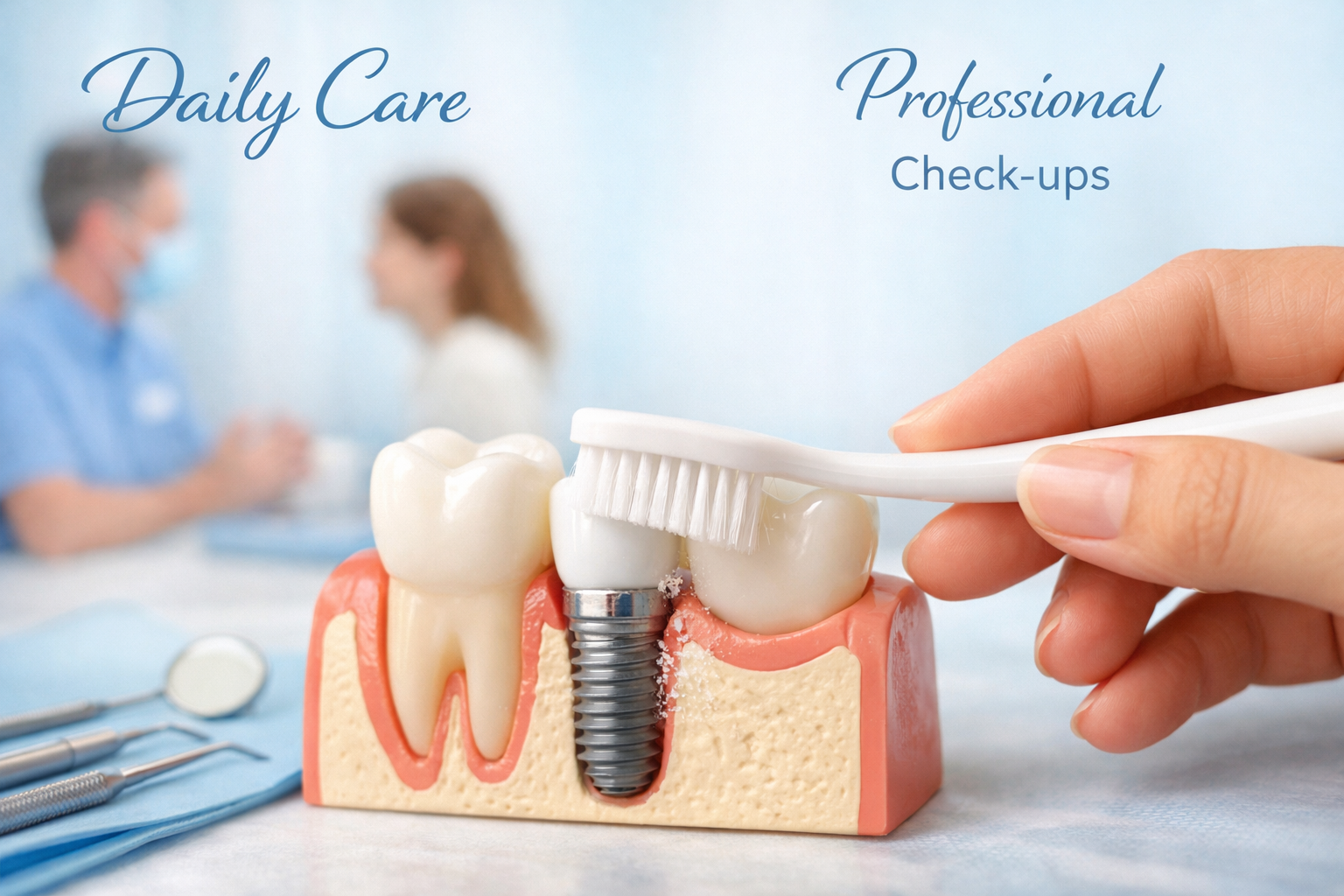
- Maintenance is Key: Excellent daily oral hygiene and regular professional dental check-ups are essential for maximizing implant longevity.
- Factors Influence Lifespan: Patient health, lifestyle choices, and the expertise of the dental professional significantly impact how long dental implants last.
- Components May Need Replacement: While the implant post is highly durable, the crown, bridge, or denture attached to it may need replacement after 10-15 years.
Understanding Dental Implant Longevity: What to Expect in Dallas
When considering dental implants in Dallas, patients often ask about their expected lifespan. Unlike traditional bridges or dentures, which may need replacement every 5-10 years, dental implants are renowned for their durability. The implant itself, which is a small titanium or zirconia post surgically placed into the jawbone, is designed to be a long-term solution. Once integrated with the bone, this post acts as a stable anchor for a prosthetic tooth.
Research and clinical experience in 2026 consistently show that the dental implant post can last a lifetime for many patients. The longevity truly shines in comparison to other tooth replacement options. However, it’s important to distinguish between the implant post and the prosthetic attachment (the crown, bridge, or denture) that sits on top of it. While the implant post is expected to be permanent, the restoration attached to it will eventually experience wear and tear.
Components of a Dental Implant and Their Lifespans
A dental implant system typically consists of three main parts:
- The Implant Post (Fixture): This is the screw-shaped component placed into the jawbone. Made of biocompatible materials like titanium or zirconia, it is designed to fuse with the bone through a process called osseointegration. With proper care, the implant post itself can last 20-30 years, often a lifetime.
- The Abutment: This is a small connector piece that screws into the implant post and extends above the gum line. It serves as the attachment point for the final restoration. Abutments are generally very durable and, like the implant post, can last 20-30 years or more if well-maintained.
- The Restoration (Crown, Bridge, or Denture): This is the visible part that looks and functions like a natural tooth. It can be a single crown, a multi-tooth bridge, or a full arch denture. Made from materials like porcelain, ceramic, or composite resin, these components are subject to daily chewing forces and staining. On average, dental crowns and bridges on implants typically last 10-15 years, though some may last longer with excellent care. Dentures supported by implants can also last 5-10 years before needing relining, repair, or replacement.
The difference in lifespan between the implant post and the restoration means that while the foundation of your dental implant procedure is permanent, the visible part may need updating over the years. This is similar to how a car engine might last for decades, but tires and brake pads need regular replacement.
“The real longevity of dental implants lies in the stability of the implant post, which, with optimal care, can serve as a lifelong foundation for a healthy smile.”
For a deeper dive into what to expect over specific timeframes, explore our article on The Real Longevity of Dental Implants in Dallas: What to Expect After.

Factors Affecting How Long Do Dental Implants Last? Dallas Patients’ Guide to Implant Longevity & Maintenance
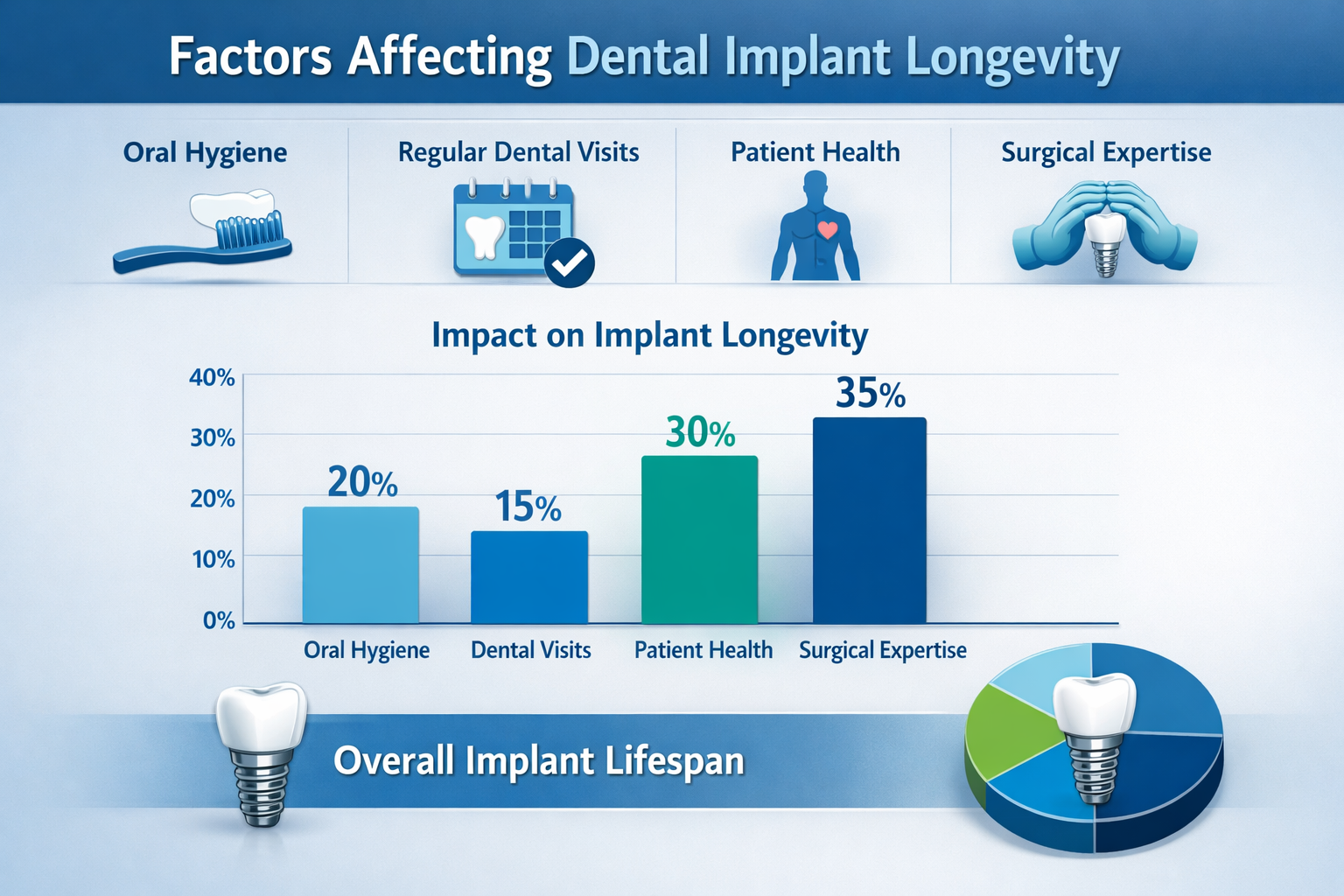
The remarkable longevity of dental implants isn’t solely dependent on the materials they’re made from; a variety of factors play a critical role. Understanding these influences can empower Dallas patients to take proactive steps toward maximizing their implant’s lifespan.
Patient-Related Factors
- Oral Hygiene Practices: This is arguably the most significant factor. Just like natural teeth, dental implants require diligent daily brushing and flossing to remove plaque and prevent gum disease (peri-implantitis). Poor oral hygiene is a leading cause of implant complications and potential failure.
- Regular Dental Check-ups: Routine visits to your dentist in Dallas are crucial. These appointments allow for professional cleanings and early detection of any issues with the implant, surrounding tissues, or the restoration.
- Overall Health: Systemic conditions can impact implant longevity. For instance, uncontrolled diabetes, certain autoimmune diseases, and treatments like radiation therapy to the head and neck can affect healing and the long-term health of the bone supporting the implant. Patients considering Dental Implants for Diabetics in Dallas should be aware of special considerations.
- Lifestyle Choices:
- Smoking: Smoking significantly increases the risk of implant failure by impairing blood flow, affecting bone healing, and increasing the susceptibility to peri-implantitis. Patients who smoke may find their implants do not last as long. For more information, see our guide for Dallas TX Dental Implants for Smokers 2026.
- Alcohol Consumption: Excessive alcohol intake can also affect oral health and healing.
- Bruxism (Teeth Grinding): Chronic teeth grinding or clenching can place excessive force on implants, potentially leading to restoration fractures or, in severe cases, implant loosening. A nightguard is often recommended for patients with bruxism.
- Bone Density and Quality: Sufficient healthy jawbone is essential for successful osseointegration and long-term implant stability. If bone loss is present, bone grafting procedures may be necessary before implant placement. Learn more about Dental Implants and Bone Loss.
Clinical and Surgical Factors
- Surgeon’s Expertise and Experience: The skill of the dental professional performing the implant surgery is paramount. An experienced surgeon ensures proper placement, minimizes complications, and sets the stage for long-term success.
- Implant Quality: High-quality dental implants from reputable manufacturers are designed for durability and optimal osseointegration.
- Surgical Technique: Advanced techniques, such as 3D Guided Dental Implant Surgery Dallas, enhance precision and can improve long-term outcomes.
- Proper Loading: Allowing sufficient time for the implant to integrate with the bone before placing the final restoration (known as the healing period) is critical for long-term success.
These factors highlight that the lifespan of a dental implant is a collaborative effort between the patient’s commitment to care and the dental team’s expertise. Our detailed article on The Lifespan of Dental Implants in Dallas: Factors Affecting provides further insights.

Maximizing Your Dental Implant Longevity in Dallas: Maintenance & Care
Investing in dental implants in Dallas is a significant decision for your oral health. Ensuring they last as long as possible requires a commitment to consistent care and regular professional oversight. Here’s a guide to effective maintenance:
Daily Oral Hygiene for Implants
Just like natural teeth, dental implants are susceptible to plaque buildup and potential gum inflammation (peri-implantitis) if not properly cleaned.
- Brush Regularly: Brush your teeth and implants at least twice a day using a soft-bristled toothbrush. Consider using a brush specifically designed for implants or an electric toothbrush.
- Floss Daily: Use dental floss, interdental brushes, or a water flosser to clean around the implant and between teeth. Special implant-specific floss may be recommended by your dentist.
- Rinse: An antimicrobial mouthwash can be a beneficial addition to your routine, as advised by your dental professional.
- Gentle Care: Be gentle. While implants are strong, aggressive brushing can irritate the surrounding gum tissue.
Professional Maintenance and Check-ups
Regular visits to your Dallas dentist are indispensable for the long-term success of your dental implants.
- Routine Dental Exams: Your dentist will monitor the health of your implants, gums, and remaining natural teeth. They will check for signs of peri-implantitis or any issues with the implant restoration.
- Professional Cleanings: Dental hygienists use specialized tools designed not to scratch or damage the implant surfaces. These cleanings remove plaque and tartar that daily brushing may miss.
- X-rays: Periodic X-rays allow your dentist to assess the bone level around the implant, ensuring its stability.
- Restoration Inspection: The crown, bridge, or denture attached to your implant will be checked for wear, chips, or cracks, and tightness. If a restoration becomes worn or damaged, it can often be replaced without affecting the underlying implant post.
What to Avoid to Protect Your Implants
To protect your dental implant investment:
- Avoid Hard Foods: Biting directly into very hard foods (e.g., ice, hard candies, nuts) with an implant-supported tooth can potentially damage the restoration.
- No Smoking: As mentioned, smoking is a major risk factor for implant failure. Quitting smoking is one of the best things you can do for your overall and oral health, including your implants.
- Address Bruxism: If you grind or clench your teeth, discuss this with your dentist. A custom nightguard can protect your implants and natural teeth from excessive forces.
By following these maintenance guidelines and maintaining a partnership with your dental team, Dallas patients can significantly extend the life of their dental implants and enjoy a stable, confident smile for many years. Regular consultation with a dentist is key to staying on top of your oral health education.

When Might Dental Implants Need Replacement?
While the goal is for dental implants to last a lifetime, there are rare instances where an implant might fail or require intervention. Understanding these scenarios can help Dallas patients prepare and respond appropriately.
Signs of Potential Implant Issues
- Pain or Discomfort: Persistent pain, tenderness, or throbbing around the implant site, particularly after the initial healing period, is a red flag.
- Swelling or Redness: Inflammation of the gums around the implant, accompanied by redness or pus, can indicate peri-implantitis.
- Loose Implant: A healthy implant should feel completely stable. Any noticeable movement of the implant itself (not just the crown) is a serious concern.
- Difficulty Chewing: New or worsening difficulty when chewing or biting may signal an issue.
- Gum Recession: Recession of the gum tissue around the implant, exposing the metal part of the implant.
It’s crucial to contact your dentist immediately if you experience any of these symptoms. Early detection and treatment can often save a failing implant or prevent further complications.
Causes of Implant Failure
While success rates are high, implant failures can occur due to:
- Peri-implantitis: This is a bacterial infection around the implant, similar to gum disease in natural teeth. It can lead to bone loss around the implant and eventually compromise its stability. Poor oral hygiene is a primary contributor.
- Failed Osseointegration: In some cases, the implant may not properly fuse with the jawbone. This is more common in patients with certain medical conditions or those who smoke.
- Trauma or Injury: A severe blow to the face can damage an implant, just as it can a natural tooth.
- Excessive Force: Chronic teeth grinding (bruxism) or biting on very hard objects can put too much stress on the implant and lead to complications over time.
- Biomechanical Complications: Issues with the implant components, although rare with high-quality systems, can sometimes occur.
The Replacement Process (If Needed)
If an implant fails, the process often involves:
- Removal of the Failed Implant: The dentist will carefully remove the compromised implant.
- Assessment and Treatment of the Site: The area will be thoroughly cleaned, and any infection treated. Bone grafting may be necessary to rebuild lost bone tissue before a new implant can be placed.
- New Implant Placement: Once the site has healed and sufficient bone is present, a new dental implant can often be placed. The healing and restoration process will then follow a similar timeline to the initial procedure.
While the prospect of implant failure can be concerning, it’s important to remember that these occurrences are uncommon. With proper care, choice of a skilled professional for your implant surgery process, and adherence to maintenance, the vast majority of dental implants serve their purpose effectively for decades. For questions to ask during your consultation to ensure transparency and a successful outcome, refer to Navigating the Dental Implant Consultation: Key Questions for Dallas.
Conclusion
Dental implants represent a remarkable advancement in tooth replacement options, offering Dallas patients a durable, aesthetically pleasing, and highly functional solution for missing teeth. While the implant post itself is often a lifetime investment, the longevity of the entire system depends significantly on patient commitment to oral health education, meticulous daily care, and consistent professional maintenance.
For those in Dallas considering this transformative procedure, understanding How Long Do Dental Implants Last? Dallas Patients’ Guide to Implant Longevity & Maintenance is key. By choosing an experienced dental professional, maintaining excellent oral hygiene, and attending regular check-ups, you are taking the most important steps to ensure your dental implants last for decades, providing a strong foundation for your long-term oral health and a confident smile.
If you are exploring missing teeth solutions or wish to discuss dental implant cost in Dallas and the dental implant procedure, a consultation with a dentist specializing in implants is the best next step. They can assess your individual needs, provide personalized advice, and help you embark on your journey toward a lasting smile.