
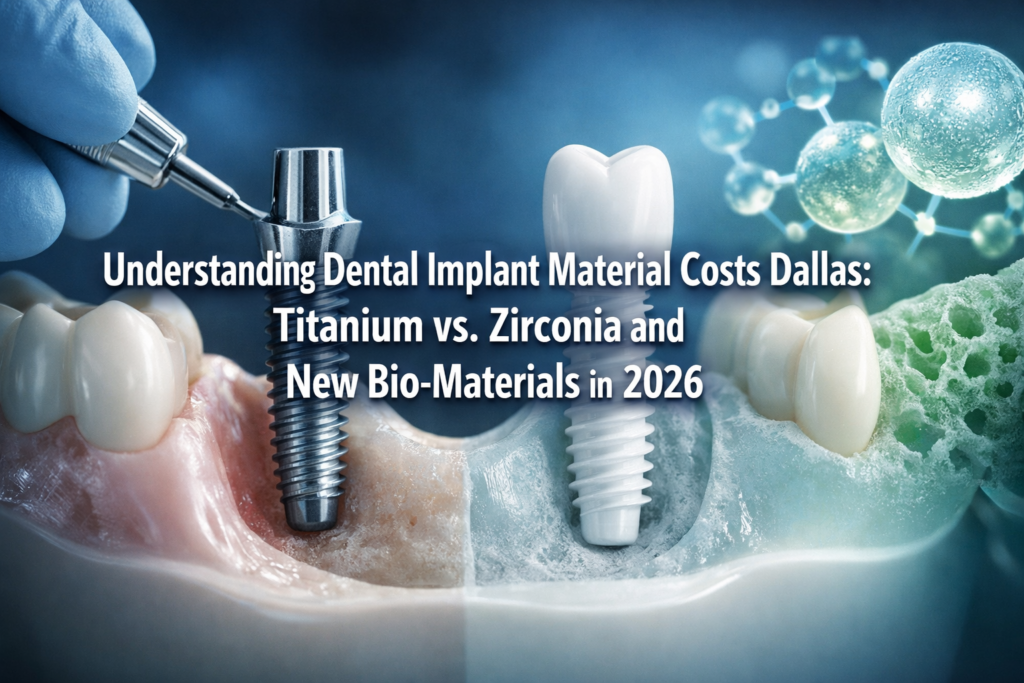
The material chosen for a dental implant can significantly influence both the overall cost and the long-term success of the procedure. For individuals researching tooth replacement options in Dallas in 2026, understanding these material differences is crucial. This article provides a comprehensive overview of dental implant materials, specifically comparing titanium and zirconia, and explores emerging bio-materials that are shaping the future of implant dentistry. Our goal is to offer clear, factual information to help you make an informed decision for your oral health.
Key Takeaways
- Titanium implants remain the industry standard due to their proven strength, biocompatibility, and cost-effectiveness.
- Zirconia implants offer aesthetic advantages and are a metal-free option, often at a higher price point in Dallas.
- Cost differences between materials are influenced by manufacturing processes, material scarcity, and specific clinical applications.
- New bio-materials are under development, promising enhanced integration and potentially offering alternatives in the future.
- Consultation with a Dallas dental professional is essential to determine the most suitable implant material for individual needs and budget.
Exploring Dental Implant Materials: Titanium vs. Zirconia in Dallas 2026
When considering dental implants in Dallas, patients often learn about the two primary materials used for the implant post itself: titanium and zirconia. Both have distinct properties that impact performance, aesthetics, and of course, cost. Understanding these differences is a vital part of your oral health education journey.
Titanium Dental Implants: The Gold Standard
Titanium has been the cornerstone of dental implantology for decades. Its widespread use is primarily due to a remarkable property called osseointegration, where the bone naturally fuses with the titanium surface. This creates a strong, stable foundation for the replacement tooth.
- Biocompatibility: Titanium is highly compatible with the human body, meaning it is rarely rejected and allergic reactions are exceedingly rare.
- Strength and Durability: It is incredibly strong, capable of withstanding the significant forces of chewing, ensuring long-term oral health.
- Proven Track Record: Decades of clinical success have solidified titanium’s position as a reliable choice for missing teeth solutions.
- Cost-Effectiveness: Generally, titanium implants tend to be more affordable than zirconia, making them a more accessible option for many patients seeking implant cost in Dallas.
Zirconia Dental Implants: The Esthetic Alternative
Zirconia, or ceramic, implants have gained popularity as an alternative to titanium, especially for patients prioritizing aesthetics or seeking a metal-free option.
- Aesthetics: Zirconia is tooth-colored, which can be advantageous in cases where the implant might be visible, particularly in patients with thin gum tissue. This makes it a preferred choice for some in cosmetic dental procedures.
- Biocompatibility: Like titanium, zirconia is highly biocompatible. It is often chosen by individuals with metal sensitivities, although allergies to titanium are very uncommon.
- One-Piece Design: Many zirconia implants come in a one-piece design, which can sometimes simplify the implant surgery process, though two-piece designs are also available.
- Cost Implications: Zirconia implants typically carry a higher price tag. This can be attributed to the specialized manufacturing processes and the material’s inherent cost. For a deeper dive into why zirconia implants might cost more, you can read our article on “Why Zirconia Implants Cost More in Dallas: Material Comparis”.
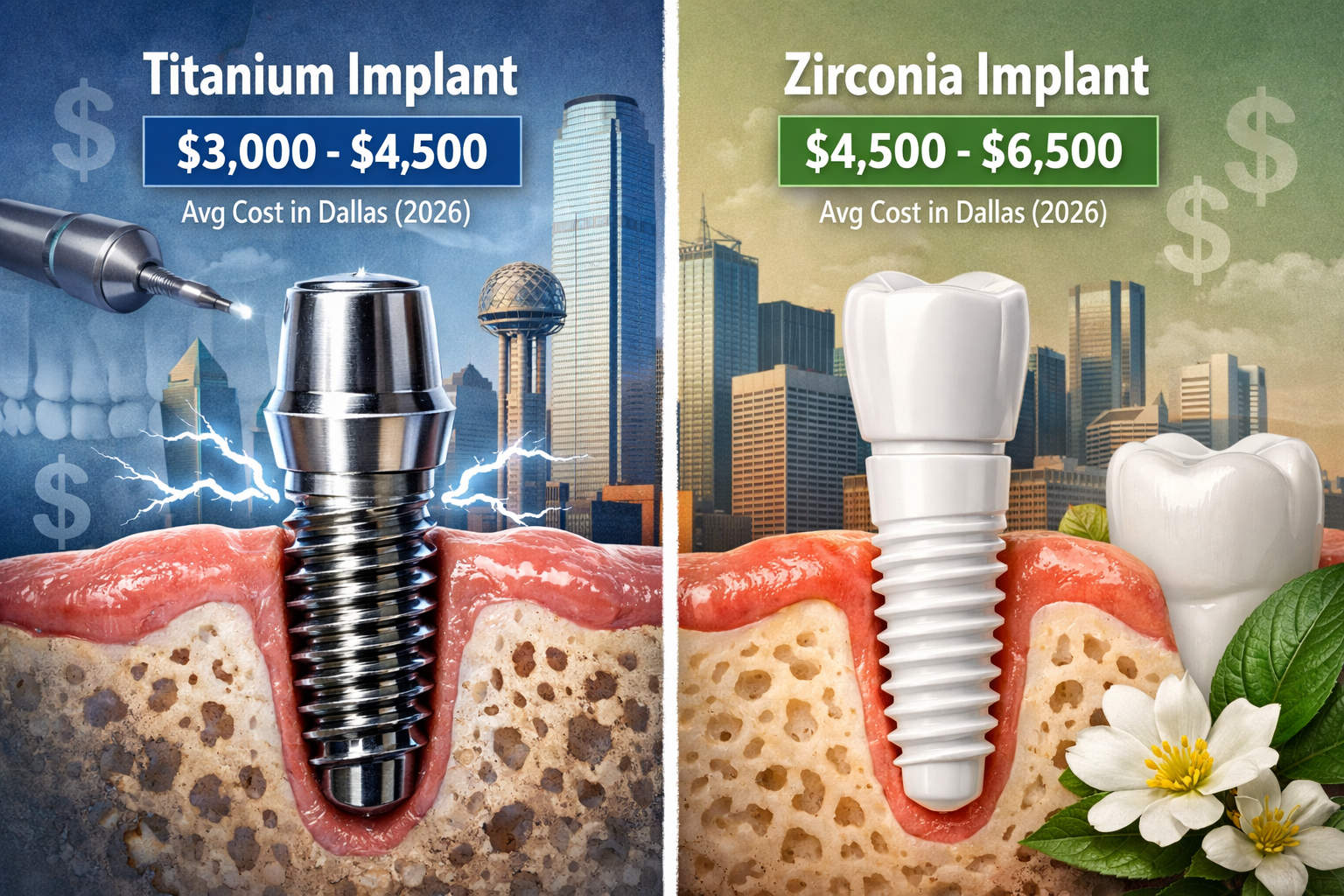
Table 1: Titanium vs. Zirconia Dental Implants – Key Differences (2026)
| Feature | Titanium Implants | Zirconia Implants |
|---|---|---|
| Material | Metal (titanium alloy) | Ceramic (zirconium dioxide) |
| Color | Metallic (silver-gray) | Tooth-colored (white) |
| Biocompatibility | Excellent, widely proven | Excellent, metal-free option |
| Strength | Very High | High (can be more brittle under certain stresses) |
| Aesthetics | Can be visible through thin gum tissue | Highly aesthetic, blends with natural teeth |
| Cost (Dallas) | Generally lower | Generally higher |
| Track Record | Decades of extensive clinical data | Newer, growing body of clinical data |
| Allergy Concerns | Extremely rare | Metal-free, chosen for perceived metal sensitivity |
Understanding Dental Implant Material Costs Dallas: Factors Beyond Material
The price tag for dental implants in Dallas involves more than just the material of the implant post. A variety of elements contribute to the overall cost, making a direct comparison sometimes complex. It’s essential to consider the entire scope of the dental implant procedure.
Comprehensive Cost Factors for Dental Implants
- Material Choice (Titanium vs. Zirconia): As discussed, this is a significant factor. Zirconia often comes with a premium due to manufacturing complexity and aesthetic advantages.
- Number of Implants: A single tooth implant will naturally cost less than multiple implants or full mouth dental implants.
- Additional Procedures: Some patients require preparatory work like bone grafting or a sinus lift to ensure sufficient bone density for the implant. These procedures add to the total cost. You can learn more about these in our article on “Sinus Lift and Bone Graft Procedures in Dallas: When They’re”.
- Type of Restoration: The crown, bridge, or denture attached to the implant also impacts the price. Materials like porcelain or ceramic for crowns vary in cost.
- Clinic Location and Expertise: Dallas is a large metropolitan area, and costs can vary between practices, reflecting the dentist’s experience, the clinic’s technology, and overhead. For insights into local pricing, see “Why Dallas Dental Implant Prices Vary So Widely: Provider Ex”.
- Diagnostic Imaging: X-rays, 3D CT scans, and other imaging are necessary for precise treatment planning.
- Sedation Options: The type of sedation used during the implant surgery process can also add to the expense.
- Lab Fees: Custom-fabricated crowns and prosthetics involve specialized dental lab work.
For a broader understanding of the financial aspect, our comprehensive “2026 Dallas Dental Implant Cost Update Dallas: Navigating Expected Cost” provides further details on expected pricing in the region.
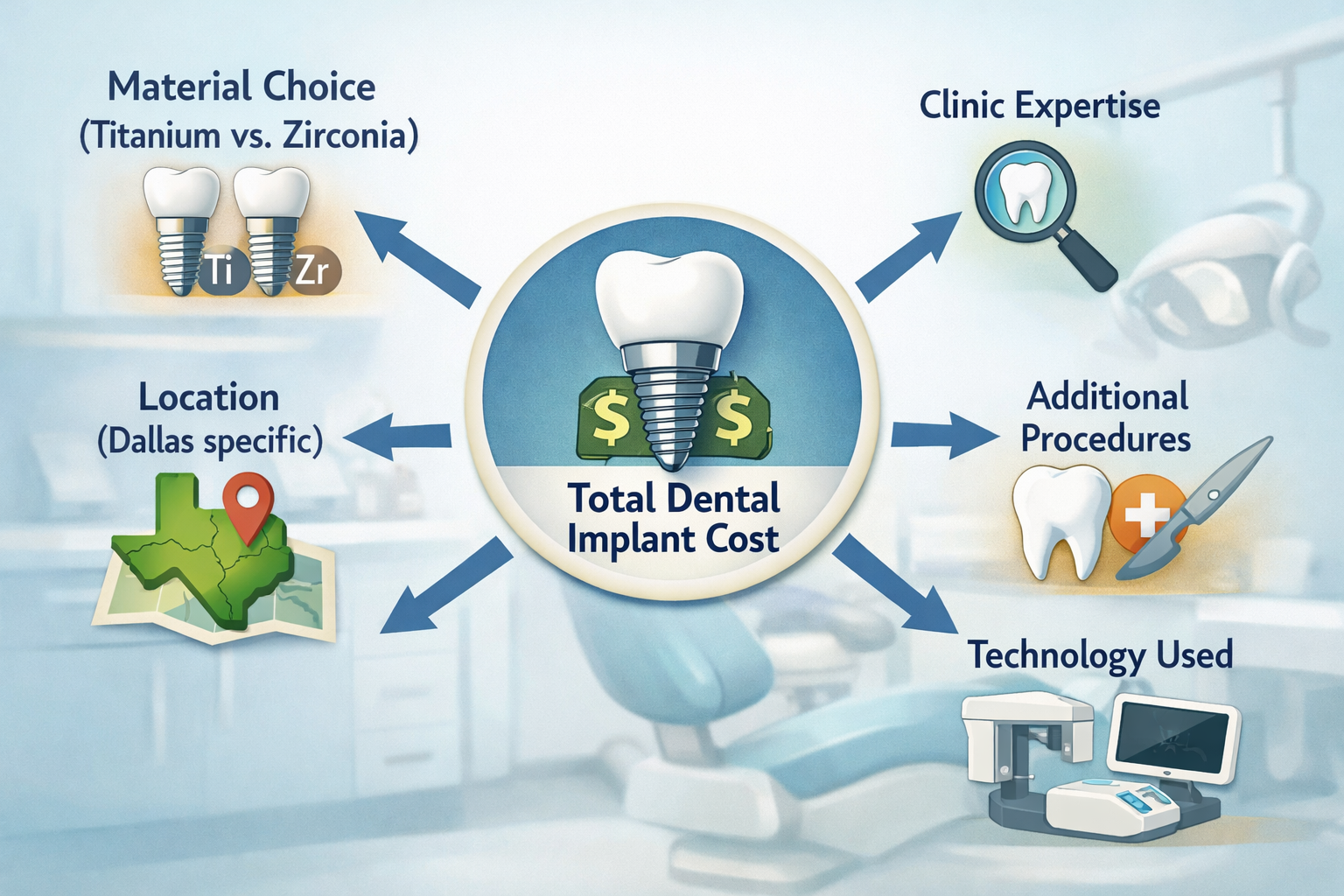
How Material Choice Impacts Overall Implant Cost in Dallas
While the implant post material itself is just one component, its selection often influences other aspects of the treatment plan. For example:
- Surgical Technique: Some zirconia systems might require slightly different surgical protocols or specialized tools, which could indirectly affect the procedural cost.
- Prosthetic Design: The type of crown or abutment (the connector between the implant and the crown) can be influenced by the implant material, especially for zirconia’s one-piece designs.
- Aesthetic Considerations: If aesthetics are a primary concern, choosing zirconia may lead to additional investments in custom shading or advanced crown materials to achieve a seamless look. This is particularly relevant when discussing options like implant supported bridges in Dallas.
Ultimately, the choice of material is a clinical decision made in collaboration with your dental professional, balancing desired outcomes, patient safety, and budget.
New Bio-Materials and Future Trends in Dental Implants for 2026
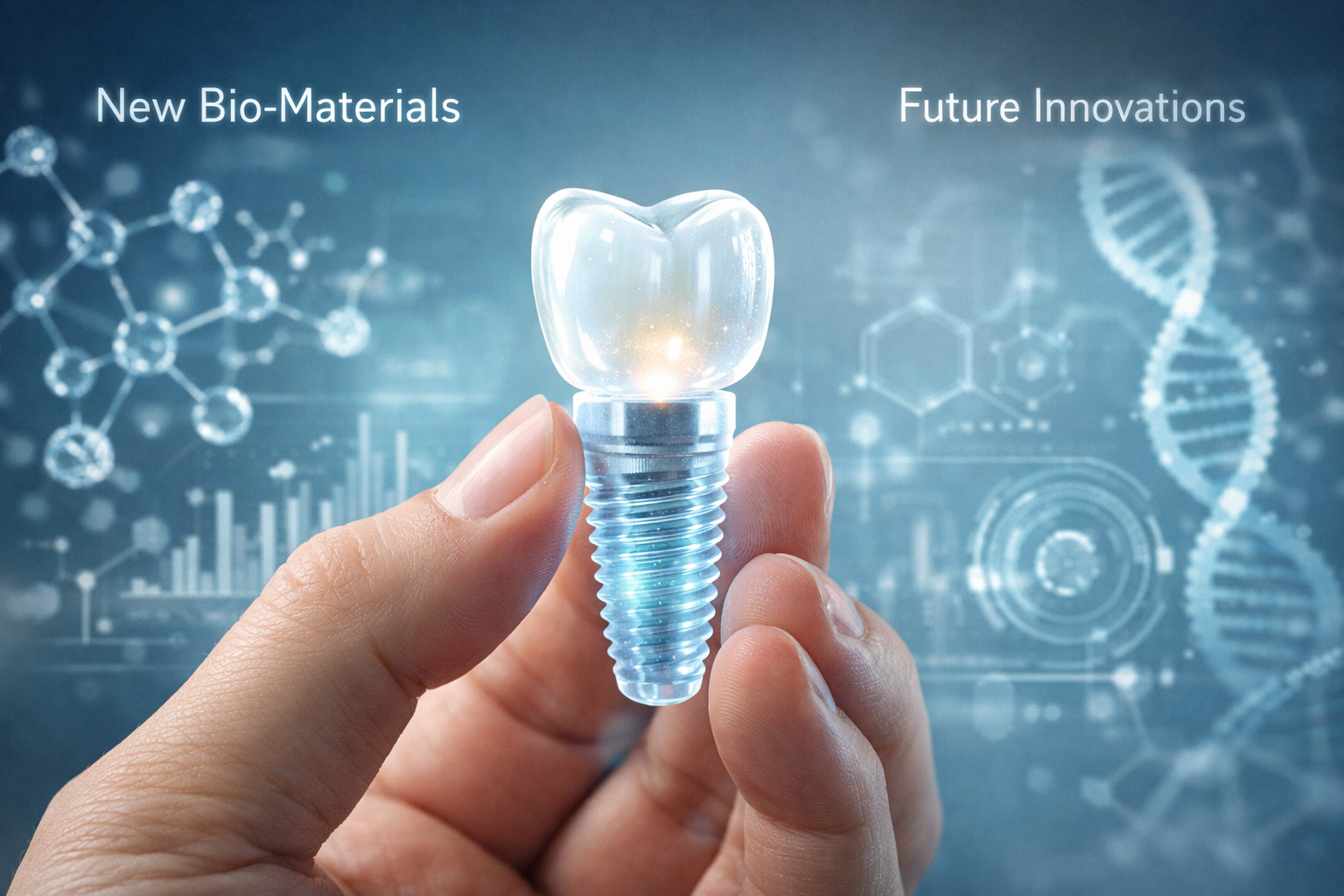
The field of dental implantology is continually evolving, with ongoing research into new bio-materials that promise enhanced performance, better integration, and potentially even regenerative capabilities. While titanium and zirconia remain the dominant choices for dental implants in Dallas in 2026, it’s worth exploring what the future may hold.
Innovations in Bio-Materials
Researchers are actively investigating materials that could further improve osseointegration, reduce healing times, or offer new advantages.
- Surface Modifications: While not entirely “new” materials, advancements in surface coatings for titanium implants are making them even more biocompatible and promoting faster bone growth. These coatings might include calcium phosphate, hydroxyapatite, or other bioactive substances.
- PEEK (Polyetheretherketone): PEEK is a high-performance polymer already used in other medical applications. It’s lighter than titanium, radiolucent (doesn’t show up on X-rays, which can be advantageous for diagnostic imaging), and has excellent mechanical properties. While still primarily used for temporary prosthetics or custom abutments, its potential for implant posts is being explored.
- Bioactive Glass and Composites: These materials are designed not just to be inert but to actively encourage bone regeneration. They could potentially stimulate the body’s natural healing processes around the implant.
- Custom-Printed Implants: With advances in 3D printing, the possibility of custom-designing implants from various materials, precisely tailored to a patient’s anatomy, is becoming a reality. This could optimize fit, reduce chair time, and potentially enhance long-term outcomes.
Impact on Dental Implant Costs and Accessibility
As new bio-materials emerge from research and become clinically viable, their initial cost may be higher due to development, testing, and specialized manufacturing. However, as technologies mature and production scales, these costs could become more competitive.
For patients in Dallas, these innovations mean a growing array of options for tooth replacement. The focus remains on solutions that offer the best long-term oral health outcomes, patient safety, and value. A consultation with a dentist specializing in dental implants is the best way to stay informed about these advancements and how they might apply to your specific needs.
The Importance of Consultation with a Dentist
Regardless of whether you’re considering traditional titanium, aesthetic zirconia, or curious about future bio-materials, the most crucial step is a thorough consultation with a qualified dental professional in Dallas. They will assess your individual oral health situation, discuss your aesthetic goals, review your medical history, and explain the best tooth replacement options available to you. This personalized approach ensures an informed decision that aligns with your specific needs and budget for dental implants in Dallas.
Remember, dental implants are an investment in your long-term health and quality of life. Understanding the materials and their associated costs empowers you to ask the right questions and choose the best path forward.
Conclusion
Understanding Dental Implant Material Costs Dallas: Titanium vs. Zirconia and New Bio-Materials in 2026 is essential for anyone considering this effective tooth replacement option. While titanium remains the reliable and often more economical choice, zirconia offers compelling aesthetic benefits for those prioritizing a metal-free, natural-looking solution, albeit at a higher cost. Looking ahead, advancements in bio-materials promise even more tailored and biologically integrated options.
The ultimate decision should always be based on a comprehensive evaluation by a qualified Dallas dentist. They will help you navigate the complexities of material choice, procedural steps, and overall cost, ensuring you receive the highest standard of care for your long-term oral health. We encourage you to schedule a consultation with a local dental implant specialist to discuss which material and treatment plan is right for you.
SEO Meta Title: Dental Implant Material Costs Dallas 2026: Titanium vs Zirconia SEO Meta Description: Compare dental implant material costs in Dallas for 2026. Understand titanium vs. zirconia, new bio-materials, and what influences pricing for your tooth replacement.