
The success rate of dental implants is remarkably high, often exceeding 95% over 10 years, making them one of the most reliable tooth replacement options available today. Yet, many patients in Dallas considering this advanced solution frequently ask: How Long Do Dental Implants Last in Dallas? Factors Affecting Longevity & Maximizing Your Investment for 2026. This question is crucial, as dental implants represent a significant investment in both oral health and overall quality of life. Understanding the lifespan of these durable replacements and the elements that contribute to their longevity can help individuals make informed decisions and ensure their smile remains strong and functional for years to come. This article will delve into the expected lifespan, the key factors that influence it, and practical strategies for maximizing your dental implant investment in 2026.
Key Takeaways
- Dental implants can last a lifetime with proper care, while the crowns typically last 10-20 years before needing replacement.
- Factors like oral hygiene, bone density, and the dentist’s skill significantly impact implant longevity.
- Regular dental check-ups, avoiding harmful habits, and choosing quality materials are crucial for maximizing your investment.
- Understanding dental implant warranties and insurance coverage in Dallas can provide added peace of mind.
- Consulting with an experienced dental professional in Dallas is essential for personalized advice and long-term success.
Understanding Dental Implant Longevity: How Long Do Dental Implants Last in Dallas?
When considering dental implants in Dallas, one of the primary concerns for prospective patients is often how long they can expect their new teeth to last. The good news is that dental implants are designed for remarkable durability and long-term success. Unlike traditional bridges or dentures, which may need replacement every 5-10 years, dental implants are intended to be a permanent solution for missing teeth.
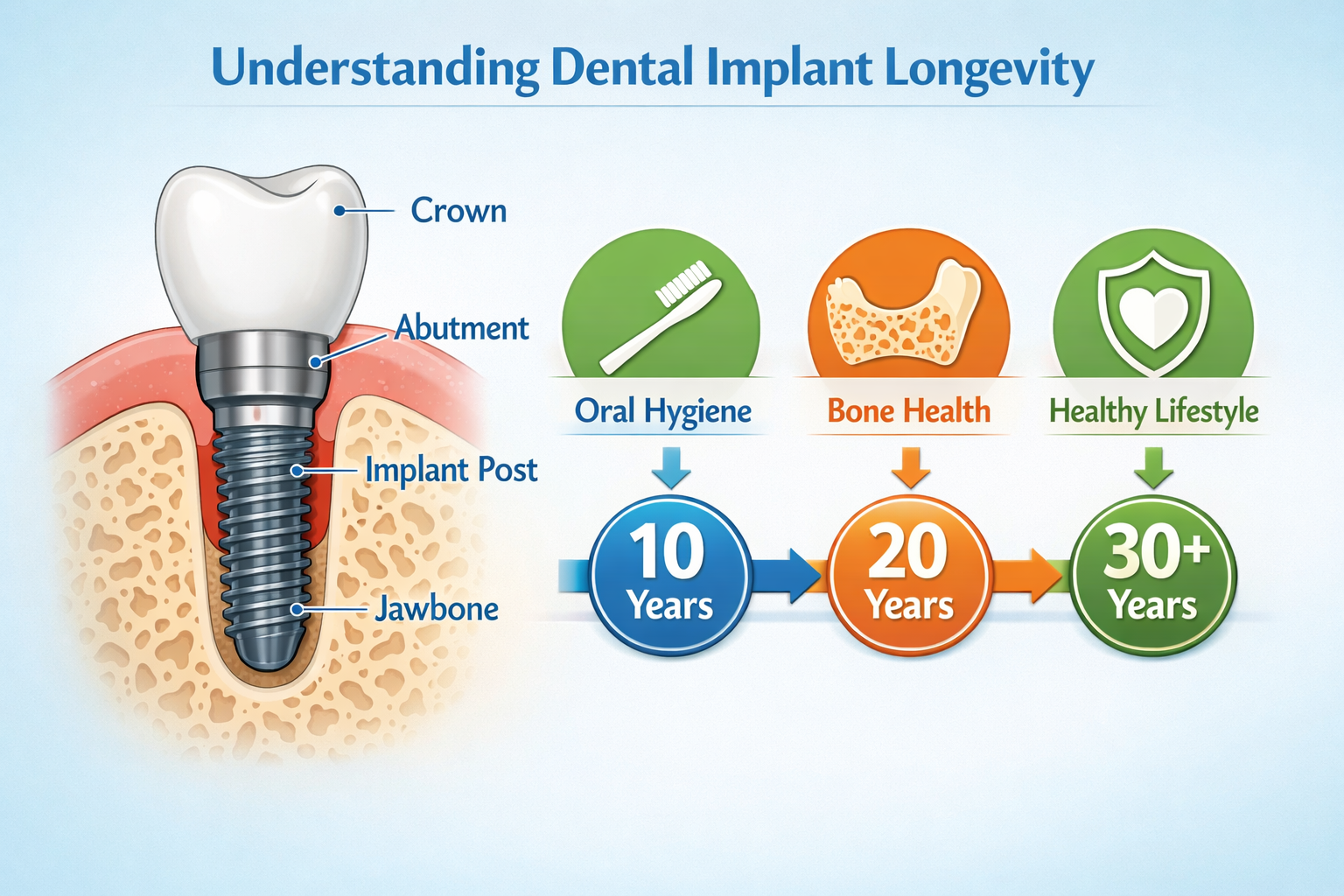
The implant itself, which is the small, screw-shaped post surgically placed into the jawbone, is typically made of biocompatible titanium. This material allows the implant to fuse directly with the bone in a process called osseointegration. Once this fusion is complete, the implant post acts as a stable, artificial tooth root. With diligent oral hygiene and regular dental check-ups, the titanium implant post can last a lifetime for many patients. This is a significant advantage over other tooth replacement options.
However, it is important to distinguish between the implant post and the prosthetic tooth (crown, bridge, or denture) that attaches to it. While the implant post is incredibly durable, the visible prosthetic tooth component experiences daily wear and tear, similar to natural teeth.
Expected Lifespan of Implant Components
- Implant Post (Titanium Screw): Generally lasts a lifetime with proper care. Studies show success rates of the implant post itself exceeding 95% over 10 years, and many last for 20 years or more (Simon, 2011).
- Abutment: This is the connector piece between the implant post and the crown. It is also very durable and typically lasts as long as the implant post.
- Crown, Bridge, or Denture: The prosthetic teeth, whether made of porcelain, ceramic, or zirconia, typically last between 10 to 20 years. Their lifespan can vary depending on factors such as biting forces, material quality, and personal oral habits. Occasionally, a crown may chip or crack and need replacement sooner.
For patients seeking comprehensive information on the financial aspects of this long-term solution, understanding the dental implant cost in Dallas is a crucial first step.
Factors Affecting Dental Implant Longevity in Dallas
While dental implants offer exceptional durability, their actual lifespan is not solely dependent on the materials used. Several key factors, many within the patient’s control, play a significant role in determining how long dental implants last in Dallas and how well they perform over time.
1. Oral Hygiene and Maintenance
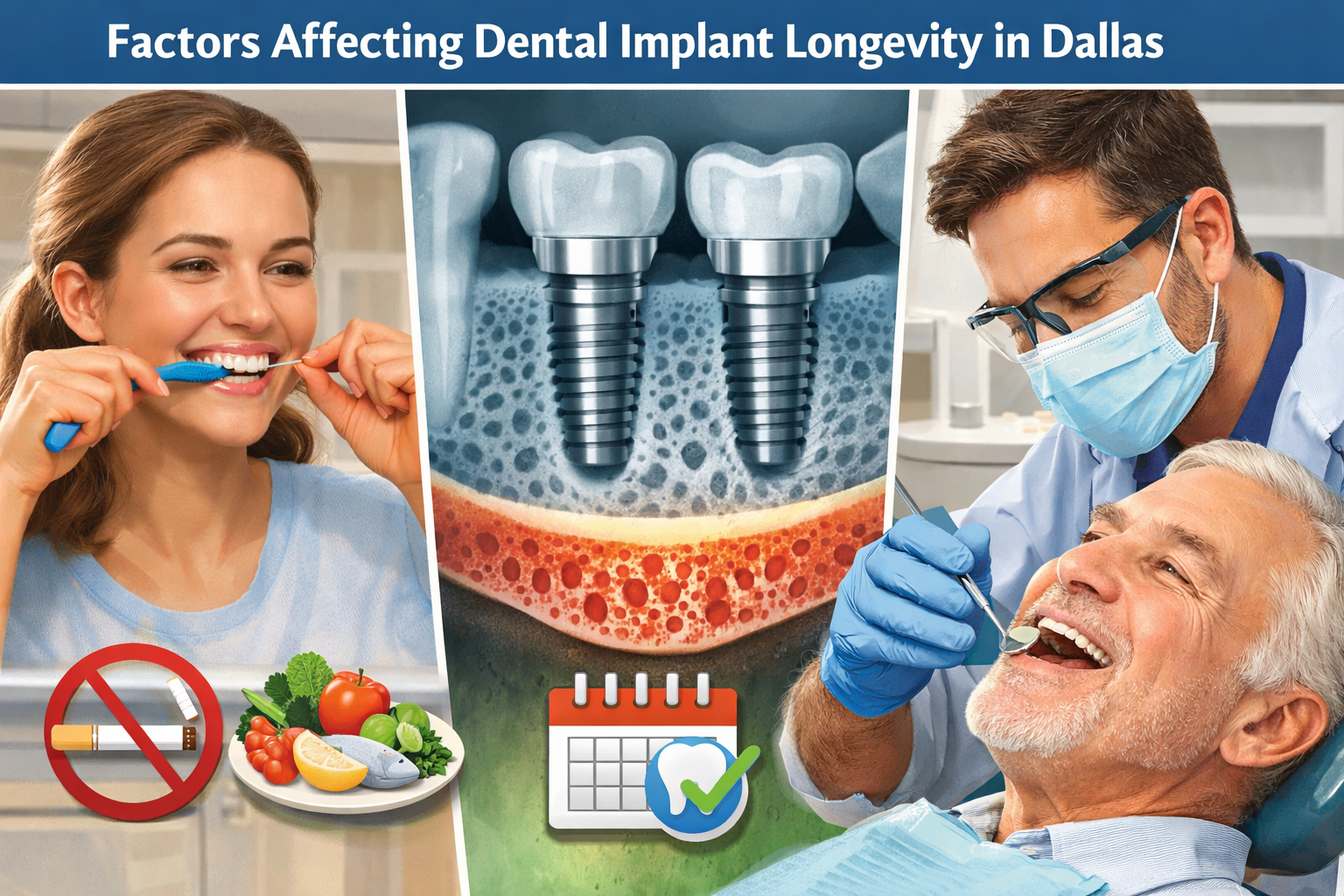
Just like natural teeth, dental implants require meticulous daily care. Plaque and bacteria can still accumulate around the implant and gum line, leading to a condition called peri-implantitis. This is an inflammatory disease affecting the soft and hard tissues surrounding dental implants, similar to periodontal disease around natural teeth. If left untreated, peri-implantitis can lead to bone loss around the implant, ultimately causing implant failure.
Key maintenance practices include:
- Brushing: Brush at least twice daily with a soft-bristled toothbrush.
- Flossing: Use dental floss or an interdental brush specifically designed for implants to clean around the implant and under the crown.
- Mouthwash: An antimicrobial mouthwash may be recommended by your dentist.
- Regular Dental Check-ups: Visiting your Dallas dentist for professional cleanings and examinations at least twice a year is vital. These visits allow your dental professional to monitor the health of your implants, detect any issues early, and provide specialized cleaning.
2. Bone Quality and Quantity
The success of osseointegration—the fusion of the implant with the jawbone—is paramount. Patients with sufficient, healthy bone density are ideal candidates. If bone quality or quantity is lacking, a bone graft procedure may be necessary before implant placement. The stability of the implant within the bone directly influences its long-term viability. For more on how bone health impacts implant options, consider exploring subperiosteal implants in Dallas 2026.
3. Skill and Experience of the Dental Professional
The expertise of the dentist performing the implant surgery is a critical factor. An experienced dental implant specialist in Dallas will meticulously plan the implant placement, ensuring optimal positioning for long-term success and minimal complications. Precision in surgery, proper sterilization, and an understanding of oral anatomy all contribute to a favorable outcome. When comparing clinics, it’s wise to look beyond just price; consider what to look for in quality and experience.
4. Overall Health and Lifestyle Choices
A patient’s general health plays a significant role. Conditions like uncontrolled diabetes, autoimmune diseases, or a compromised immune system can affect the body’s ability to heal and integrate the implant, increasing the risk of complications.
Lifestyle factors include:
- Smoking: Smoking is a major risk factor for implant failure. It constricts blood vessels, reducing blood flow to the gums and bone, hindering healing, and increasing the risk of peri-implantitis.
- Excessive Alcohol Consumption: Can also impede healing and bone regeneration.
- Bruxism (Teeth Grinding): Chronic grinding or clenching can place excessive stress on implants and prosthetic teeth, potentially leading to fractures or loosening. Your dentist may recommend a nightguard to protect your investment.
- Nutrition: A balanced diet supports overall health and bone strength.
5. Quality of Implant Materials
While most implants are made of titanium, variations in grade and manufacturing processes exist. Similarly, prosthetic crowns and bridges come in various materials, such as porcelain, ceramic, or zirconia, each with different strengths and aesthetic qualities. Choosing high-quality, reputable materials can contribute to the longevity and natural appearance of your dental implants. You can learn more about understanding dental implant materials in Dallas.
Maximizing Your Dental Implant Investment in Dallas for 2026
Given the investment of time and resources into dental implants in Dallas, it is natural to want to ensure they last as long as possible. By actively managing the factors mentioned above, patients can significantly extend the lifespan of their implants and enjoy the benefits of a healthy, complete smile for many years.
1. Prioritize Excellent Oral Hygiene
This cannot be overstated. Commit to a consistent daily routine of brushing, flossing, and using any prescribed mouthwash. Consider investing in an electric toothbrush, which can be more effective at removing plaque. Discuss specific cleaning techniques for your implants with your dental hygienist.
2. Attend Regular Dental Check-ups and Professional Cleanings
These appointments are your front line of defense against complications. Your Dallas dentist can spot early signs of peri-implantitis, assess the stability of your implants, and perform professional cleanings that remove stubborn plaque and tartar that at-home brushing might miss. Early intervention can prevent minor issues from becoming major problems.
3. Maintain a Healthy Lifestyle
- Quit Smoking: If you smoke, quitting is arguably the single most impactful step you can take to protect your implants.
- Manage Systemic Health Conditions: Work closely with your medical doctor to control conditions like diabetes. Inform your dentist about any changes in your health or medications.
- Eat a Balanced Diet: Support bone health and overall wellness with nutrient-rich foods.
- Address Bruxism: If you grind your teeth, wear a custom-fitted nightguard provided by your dentist to protect your implants from excessive force.
4. Choose an Experienced and Reputable Dental Professional
The initial planning and placement of your dental implants are critical. Seek out a dentist in Dallas with extensive experience, advanced training in implant dentistry, and a proven track record of successful outcomes. Ask about their diagnostic tools, such as 3D imaging, and their use of digital dentistry in dental implant success. A skilled dentist will ensure precise placement and a customized treatment plan tailored to your unique needs.
5. Understand Your Warranty and Insurance
Some dental clinics in Dallas offer warranties on dental implants, which can provide an additional layer of protection for your investment. It’s important to understand the terms and conditions of any warranty offered. Additionally, explore your dental insurance options; while coverage for implants can vary, some plans may offer partial reimbursement. Our guide on dental implant warranties in Dallas clinics 2026 can provide valuable insights.
6. Select High-Quality Materials
While cost is a factor, opting for high-quality implant components and prosthetic materials from reputable manufacturers can contribute to long-term durability and a more natural aesthetic. Discuss material options with your dentist to understand the benefits and trade-offs.
By being proactive in these areas, patients in Dallas can significantly enhance the longevity of their dental implants, ensuring their investment continues to provide a confident smile and optimal oral function for decades.

Conclusion
Dental implants offer a durable, long-lasting solution for missing teeth, often considered a permanent restoration for the implant post itself. The answer to How Long Do Dental Implants Last in Dallas? Factors Affecting Longevity & Maximizing Your Investment for 2026 largely depends on a combination of excellent oral hygiene, diligent maintenance, the patient’s overall health, and the expertise of their dental provider. With proper care, your dental implants can easily last 20-30 years, with many lasting a lifetime.
Investing in dental implants means investing in your long-term oral health, comfort, and confidence. By choosing a skilled dental professional in Dallas, committing to a rigorous oral hygiene routine, and maintaining regular dental check-ups, you can protect this investment and enjoy the full benefits of your new smile for decades to come.
If you are considering dental implants or have questions about their longevity and care, a consultation with a qualified Dallas dentist is highly recommended. They can assess your individual needs, discuss the most suitable tooth replacement options, and help you create a personalized plan for maximizing the success and lifespan of your dental implants.
References
Simon, W. B. (2011). Periodontal and peri-implant diseases: a review of risk factors and clinical considerations. Journal of Esthetic and Restorative Dentistry, 23(1), 16-29.