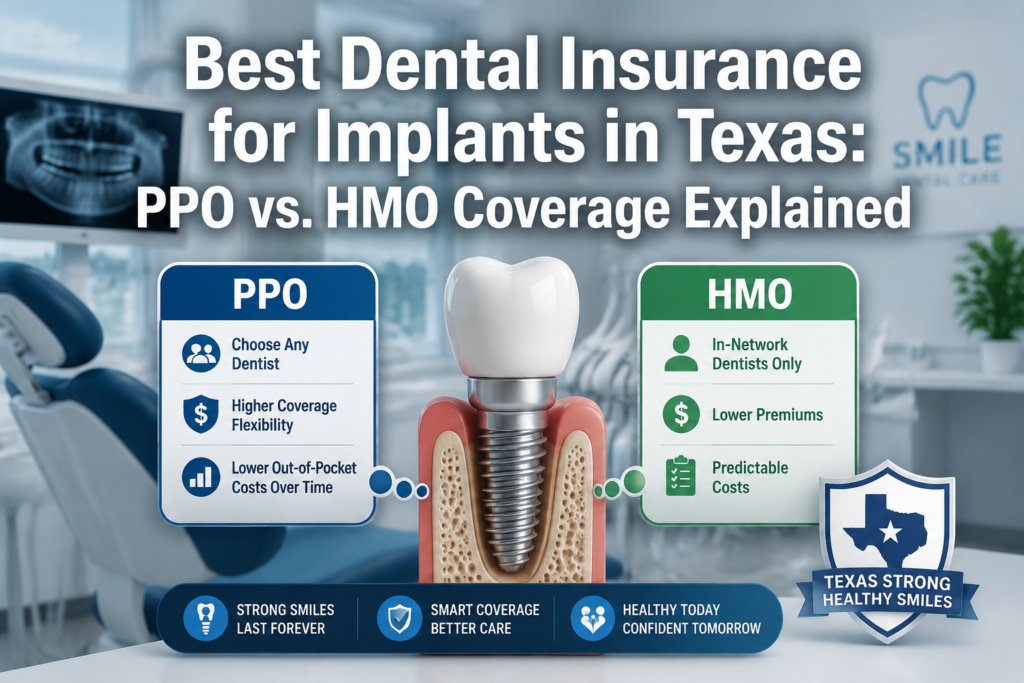
The cost of replacing a single missing tooth with a dental implant in Texas can range significantly, often starting from $3,000 to $6,000 or more per implant, not including potential associated procedures like bone grafting. For many Texans, understanding how dental insurance can help offset these costs is crucial. This article aims to provide a clear explanation of the Best Dental Insurance for Implants in Texas: PPO vs. HMO Coverage Explained, offering valuable insights into how these different plan types impact your access to and cost of dental implant procedures in 2026. Making an informed decision about your dental insurance is a vital step toward achieving long-term oral health and considering effective tooth replacement options like dental implants in Dallas.
Key Takeaways
- Dental implants are a significant investment: Costs for dental implants in Dallas can be substantial, making insurance coverage a key factor.
- PPO plans offer more flexibility: PPO (Preferred Provider Organization) plans typically allow you to choose any dentist, offering greater freedom, but may have higher premiums and deductibles.
- HMO plans are more restrictive: HMO (Health Maintenance Organization) plans usually require you to select a primary dental provider within their network and obtain referrals, often leading to lower out-of-pocket costs but less choice.
- Coverage varies greatly: Not all dental insurance plans cover dental implants, and those that do often categorize them under major restorative services with specific waiting periods, annual maximums, and coinsurance percentages.
- Research and consultation are essential: Before committing to a plan or a procedure, thoroughly research policy details and consult with both your insurance provider and a dentist specializing in dental implants.
Understanding Dental Implants: A Long-Term Tooth Replacement Solution
Dental implants have become a gold standard for replacing missing teeth due, in part, to their durability, natural appearance, and ability to preserve jawbone health. Unlike traditional bridges or dentures, a dental implant involves surgically placing a titanium post into the jawbone, which then fuses with the bone to act as a stable anchor for a crown, bridge, or even full dentures. This implant surgery process ensures a strong, long-lasting foundation, closely mimicking a natural tooth root.
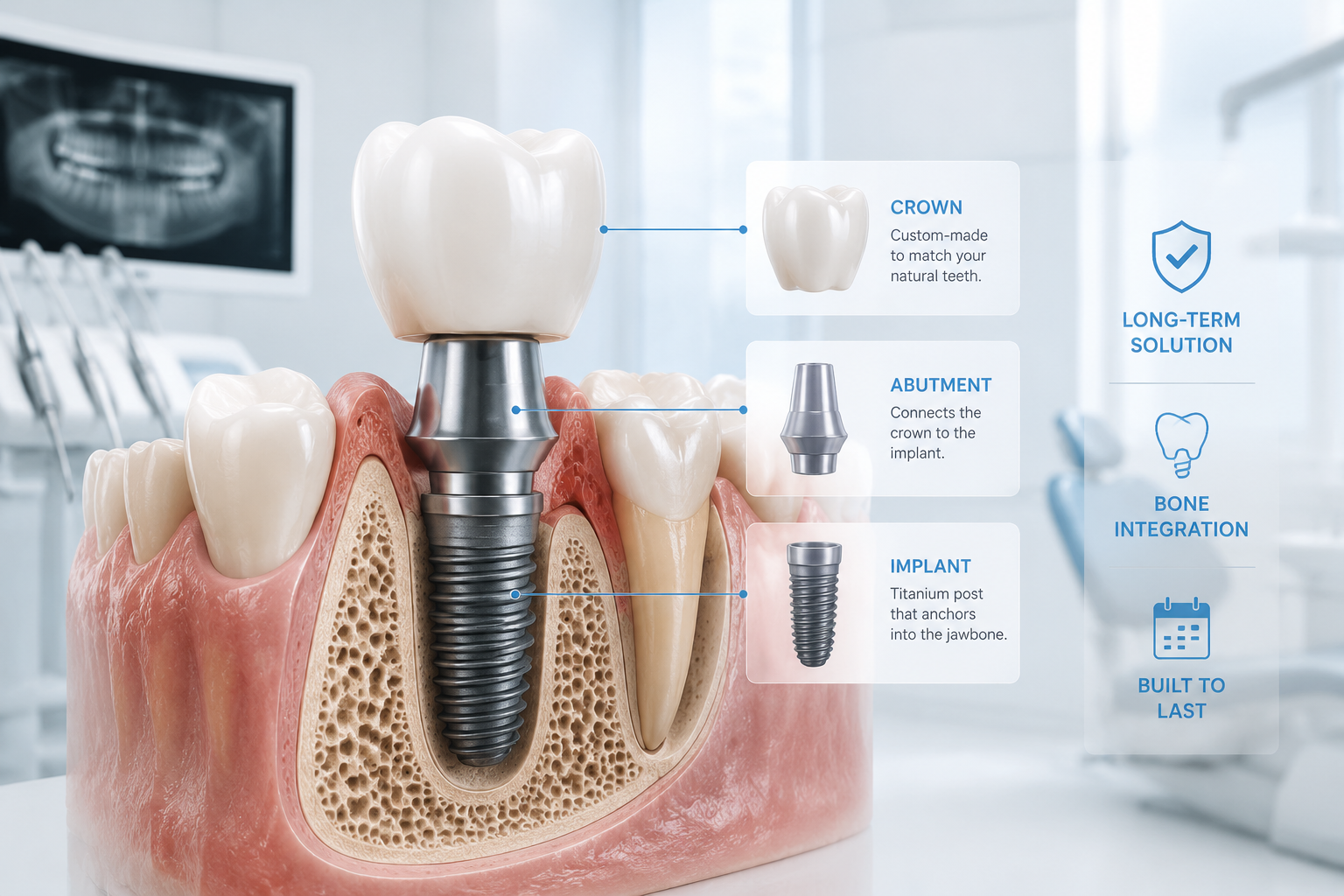
For individuals in Dallas facing tooth loss, exploring dental implants offers a chance to restore function and aesthetics. The process typically involves several stages, including the initial consultation with a dentist, potentially a bone graft if needed to ensure sufficient bone density, the implant placement itself, a healing period for osseointegration (where the implant fuses with the bone), and finally, the attachment of the artificial tooth (crown).
One of the significant advantages of dental implants is their contribution to long-term oral health. When a tooth is lost, the jawbone in that area can begin to deteriorate, leading to changes in facial structure and potential issues for surrounding teeth. Dental implants stimulate the jawbone, preventing this bone loss and maintaining the structural integrity of your mouth. For more on this, you can read about Dental Implants and Bone Loss: Prevention, Solutions, and How It.
However, the benefits come with a cost. The implant cost in Dallas can be a significant investment, often reflecting the advanced surgical techniques, high-quality materials (like titanium or zirconia), and the expertise of the dental professionals involved. Understanding how insurance plans can assist with these costs is crucial for many patients.
Best Dental Insurance for Implants in Texas: PPO vs. HMO Coverage Explained
When searching for the Best Dental Insurance for Implants in Texas, understanding the fundamental differences between PPO and HMO plans is paramount. Each type of plan offers distinct advantages and disadvantages, especially concerning major procedures like dental implants.
PPO (Preferred Provider Organization) Dental Plans
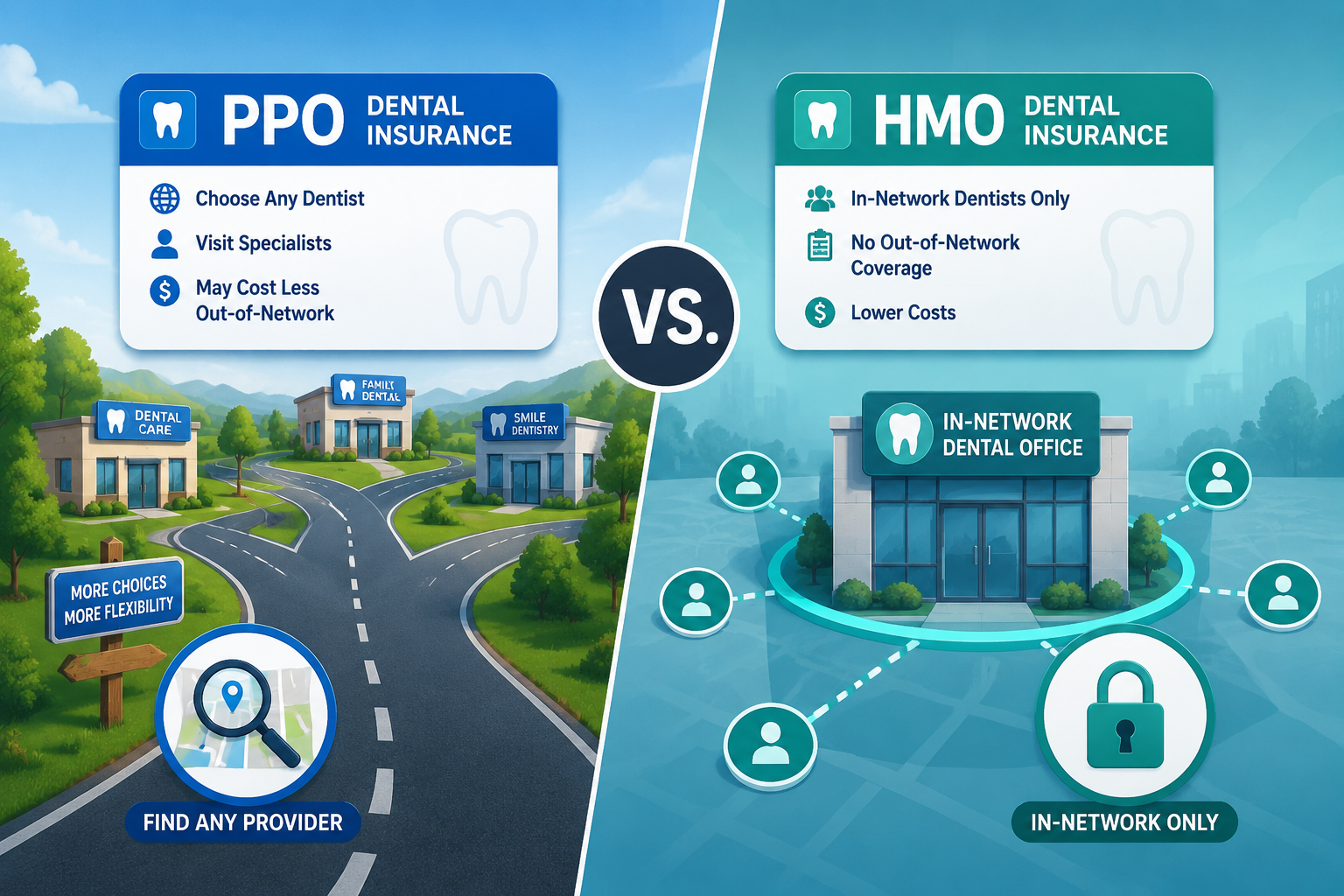
PPO dental plans are generally favored for their flexibility and broader choice of providers. With a PPO plan, you are not restricted to a specific network of dentists. You can visit any licensed dentist, though you typically pay less out-of-pocket if you choose a dentist within the plan’s “preferred” network.
Advantages of PPO for Implants:
- Freedom of Choice: You can choose any dentist, including specialists who may have extensive experience with dental implants in Dallas. This means you can stick with a trusted dentist or seek out a highly-rated implant specialist.
- Partial Out-of-Network Coverage: Even if you see an out-of-network dentist, the PPO plan will usually still cover a portion of the cost, though at a lower rate than in-network care. This is a significant factor for individuals who have a specific implant dentist in mind.
- No Referrals Needed: You don’t need a referral from a primary dentist to see a specialist, streamlining the process for complex procedures like implant surgery.
Disadvantages of PPO for Implants:
- Higher Premiums: PPO plans typically come with higher monthly premiums compared to HMO plans, reflecting the greater flexibility they offer.
- Deductibles and Coinsurance: You will usually have an annual deductible to meet before the insurance starts paying, and then you’ll pay a percentage of the cost (coinsurance) for services, which can be significant for expensive procedures like dental implants. For implants, coverage might be around 50%, meaning you pay the other half.
- Annual Maximums: Most PPO plans have an annual maximum benefit, often ranging from $1,000 to $2,500. Given that the implant cost in Dallas can easily exceed this for a single implant, you may find yourself paying a substantial amount out of pocket.
HMO (Health Maintenance Organization) Dental Plans
HMO dental plans, also known as Dental Maintenance Organization (DMO) plans, operate differently. With an HMO plan, you must choose a primary care dentist within the plan’s specific network. All your dental care, including referrals to specialists for procedures like dental implants, must be coordinated through this chosen primary dentist.
Advantages of HMO for Implants:
- Lower Premiums: HMO plans generally have lower monthly premiums, making them a more budget-friendly option upfront.
- Lower Out-of-Pocket Costs: Once you meet a potential deductible (many HMOs have low or no deductibles), you often pay fixed co-payments for services, which can be quite low. The insurer typically covers a higher percentage of the cost for in-network care.
- Predictable Costs: The co-payments are usually set, providing more predictability regarding your expenses.
Disadvantages of HMO for Implants:
- Limited Provider Choice: This is the most significant drawback. You must choose a dentist from the HMO’s network, and you cannot seek care out-of-network except in emergencies. This can limit your options if you have a preferred implant specialist in Dallas.
- Referral Requirements: For specialized procedures like dental implant surgery, your primary HMO dentist must provide a referral to an in-network specialist, which can sometimes add an extra step to the process.
- Potential for Fewer Implant Providers: The network of dentists for HMO plans might be smaller, and fewer specialists offering dental implant procedures may be available compared to PPO networks.
For a deeper dive into these options, you might find our article on Navigating PPO vs. HMO Dental Insurance for Implants in Dallas: Maximizing Your Benefits and Minimizing Out-of-Pocket Costs helpful.
Strategies for Maximizing Your Benefits for Dental Implants in Texas (2026)
Even with dental insurance, coverage for dental implants often comes with limitations. However, by understanding your policy and employing strategic planning, you can maximize your benefits and potentially reduce your out-of-pocket implant cost in Dallas.
1. Understand Your Policy’s Coverage for Major Services
Before anything else, thoroughly review your dental insurance policy documents. Look specifically at the sections covering “major restorative services” or “prosthodontics.” Dental implants are almost always categorized here, not under basic or preventive care. Key things to check include:
- Coverage Percentage: What percentage of the cost does the plan cover for major services? It’s often 50%, but can vary.
- Annual Maximum: This is the maximum amount your insurance will pay in a plan year. For expensive procedures like dental implants, this can be quickly reached.
- Deductible: The amount you must pay out-of-pocket before your insurance benefits begin.
- Waiting Periods: Many plans have waiting periods (e.g., 6-12 months) before they cover major services. If you need an implant soon, a new policy might not help immediately.
- Pre-Authorization: Does your plan require pre-authorization for dental implant procedures? This is a crucial step to avoid unexpected denials.
2. Communicate with Your Dental Provider
Have an open conversation with your dentist’s office staff about your insurance. They often have experience dealing with various plans and can help you understand your benefits and submit claims correctly. When preparing for your dental implant consultation, ask key questions about costs, procedures, and aftercare. Our guide on Preparing for Your Dental Implant Consultation in Dallas: Key Questions to Ask can provide a useful framework.
3. Stagger Treatment Over Multiple Years
Since most dental insurance plans have annual maximums, a common strategy for expensive treatments like dental implants is to stagger the procedure over two calendar years. For example, if the implant placement occurs in late 2026 and the crown placement in early 2027, you might be able to utilize two separate annual maximums, effectively doubling your insurance benefit. This requires careful planning with your dental team.
4. Explore Supplemental Insurance or Dental Discount Plans
If your current dental insurance offers minimal coverage for implants, consider exploring supplemental dental insurance specifically designed for major procedures, or a dental discount plan. Discount plans are not insurance but offer reduced rates on dental services from participating dentists. These can sometimes be beneficial if you’re comfortable with the network limitations.
5. Consider Financing Options
Even with insurance, you may still have significant out-of-pocket costs. Many dental practices offer in-house payment plans or work with third-party medical financing companies. These options can help make the implant cost in Dallas more manageable by breaking it into smaller monthly payments. You can learn more about Dental Implant Financing Dallas: 0% APR vs. Low-Interest Payment.

6. Inquire About Alternative Coverage for Related Procedures
Sometimes, parts of the dental implant procedure might be covered differently. For example, a bone graft might be considered a separate procedure, and its coverage could fall under different policy terms. Similarly, if a tooth extraction is necessary before implant placement, that might be covered under basic services. It’s worth asking your dental office to itemize the costs and how each part might be covered. For further understanding of how costs are broken down, you might want to review Bone Graft Healing for Dental Implants: Your 2026 Timeline and Understanding Dental Implant Material Costs in Dallas.
By carefully evaluating your insurance options and strategically planning your dental implant procedure, you can make the process more affordable and accessible, contributing to your long-term oral health goals.
Conclusion
Choosing the Best Dental Insurance for Implants in Texas involves a careful evaluation of your individual needs, financial situation, and preferences regarding dentist choice. Both PPO and HMO plans offer pathways to managing the costs of dental implants, but their structures present different levels of flexibility, premiums, and out-of-pocket expenses.
For those prioritizing the freedom to choose any dental implant specialist in Dallas and preferring broader access to providers, a PPO plan might be the better fit, despite potentially higher premiums and deductibles. If predictable, lower co-payments and reduced monthly premiums are your main concerns, and you are comfortable working within a more restricted network, an HMO plan could be a suitable option.
Ultimately, securing dental implants for missing teeth solutions is an investment in your health and quality of life. We encourage you to undertake thorough research, speak directly with insurance providers, and have detailed discussions with your dental professional about the procedure, the implant cost in Dallas, and all available financing and insurance options. Taking these steps will empower you to make an informed decision that best supports your long-term oral health.
References
- American Dental Association. (2024). Understanding Dental Insurance. Retrieved from ADA.org
- National Association of Dental Plans. (2023). Key Dental Plan Statistics. Retrieved from NADP.org