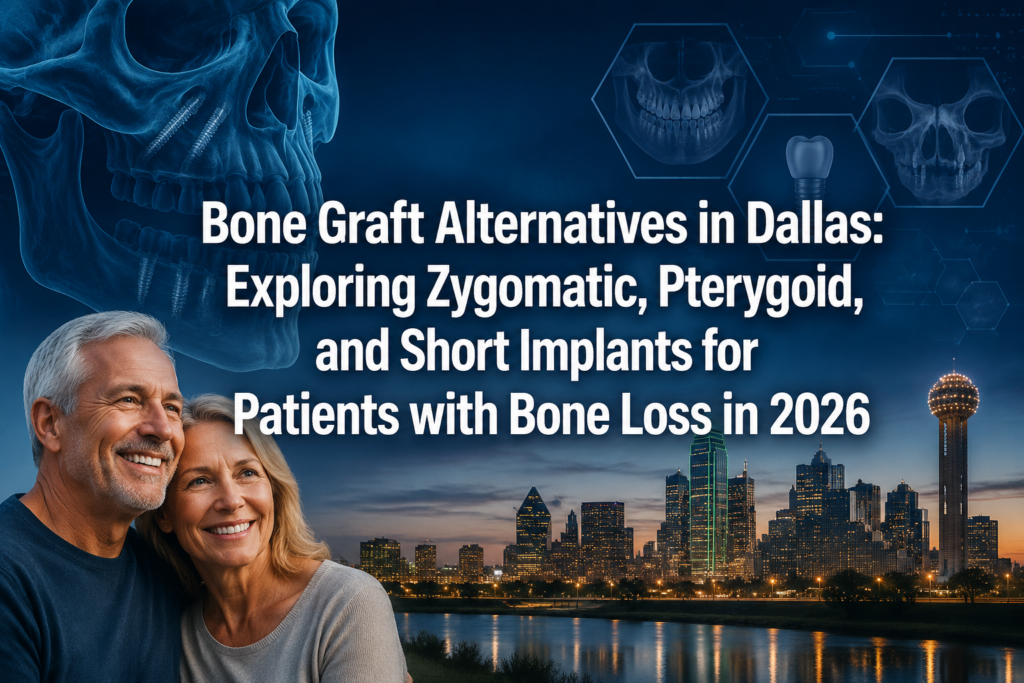
Approximately 10-15% of individuals seeking dental implants face the challenge of insufficient jawbone density, often leading to the recommendation of bone grafting. While effective, the traditional bone graft procedure can be a significant undertaking, requiring a longer treatment timeline and additional recovery. However, for patients in Dallas with bone loss in 2026, advanced alternatives like zygomatic, pterygoid, and short implants offer innovative pathways to a stable, lasting smile, often reducing the need for extensive grafting or accelerating the overall process. These specialized dental implant options provide viable solutions, allowing more individuals to benefit from modern tooth replacement.
Key Takeaways
- Bone Graft Alternatives Exist: Zygomatic, pterygoid, and short implants are advanced solutions for patients with significant bone loss who wish to avoid or reduce traditional bone grafting.
- Zygomatic and Pterygoid Implants: These longer implants anchor into denser bone structures beyond the jaw, providing stability for full-arch restorations, particularly in the upper jaw.
- Short Implants: Designed for areas with moderate bone height, short implants minimize the need for vertical bone augmentation, often simplifying the implant surgery process.
- Patient-Focused Approach: Selecting the right bone graft alternative in Dallas requires a thorough consultation with a qualified dental professional using advanced imaging.
- Local Expertise: Many dental professionals in Dallas are equipped with the knowledge and technology to offer these specialized implant procedures, ensuring patient safety and optimal results.
Understanding Advanced Bone Graft Alternatives in Dallas: Zygomatic and Pterygoid Implants
For many years, extensive bone loss in the upper jaw (maxilla) meant that dental implants were not an immediate option without a significant bone grafting procedure, such as a sinus lift. While a sinus lift and bone graft procedure remains a common and effective solution, advancements in implant dentistry have introduced alternatives that bypass this need for certain patients. In Dallas, these include zygomatic and pterygoid implants, which utilize denser bone structures to secure dental implants without needing to rebuild the jawbone itself.
Zygomatic Implants: Anchoring to the Cheekbone
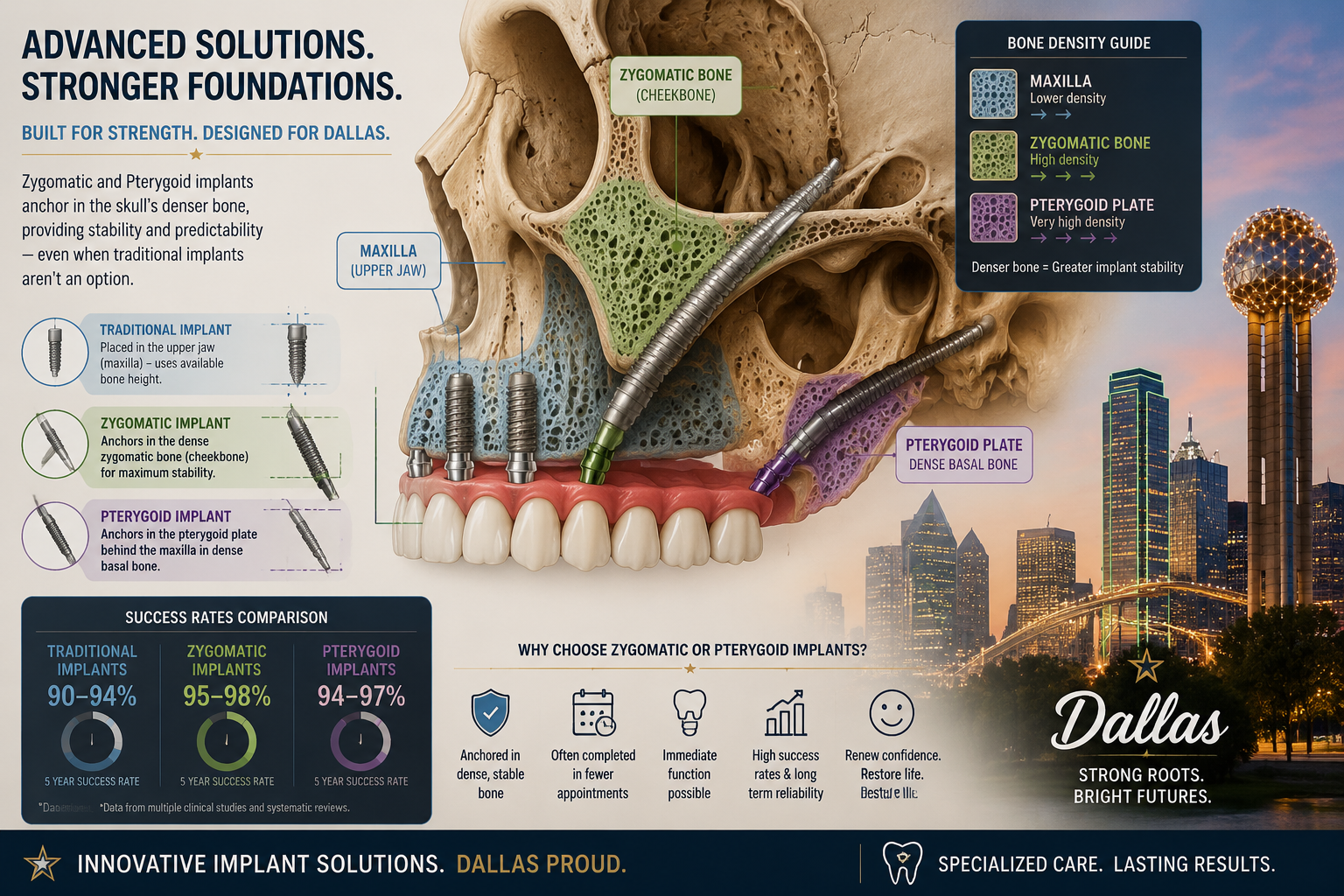
Zygomatic implants are longer than conventional dental implants and are specifically designed to anchor into the zygoma, or cheekbone. This bone is significantly denser and less prone to resorption (bone loss) than the jawbone, making it an excellent anchor point for dental implants when the maxilla is severely atrophied.
Key Features of Zygomatic Implants:
- Bypasses Bone Grafts: Directly addresses severe bone loss in the upper jaw, eliminating the need for a sinus lift or other extensive bone grafting procedures.
- Immediate Loading Potential: In many cases, a full set of teeth can be attached to zygomatic implants shortly after surgery, providing an immediate solution for missing teeth. This can significantly reduce the overall treatment time compared to traditional implants with grafting.
- Ideal for Full-Arch Restoration: Often used in “All-on-4” or “All-on-6” type procedures for patients requiring full upper arch tooth replacement. Learn more about All-on-6 vs All-on-4 implants in Dallas for full mouth restoration.
- Specialized Expertise Required: The placement of zygomatic implants is a complex dental implant procedure that demands a highly skilled and experienced oral surgeon in Dallas. This ensures patient safety and successful outcomes.
While the cost of zygomatic dental implants can be higher due to their complexity, the benefit of avoiding bone grafting and offering quicker results can be invaluable for the right patient.
Pterygoid Implants: Engaging the Pterygoid Plate
Pterygoid implants, also known as pterygo-maxillary implants, are another specialized solution for severe upper jaw bone loss, particularly in the very back of the mouth. These implants are placed in an angled position to engage the pterygoid plate, a dense bone structure located behind the upper jaw.
Key Features of Pterygoid Implants:
- Posterior Maxilla Solution: Primarily used to restore missing molars or as part of a full-arch restoration in the posterior upper jaw when bone height is insufficient.
- Avoids Sinus Grafting: Like zygomatic implants, pterygoid implants can eliminate the need for a sinus lift by utilizing denser bone.
- Stable Anchor: Provides a strong, stable foundation for implant-supported prostheses, contributing to long-term oral health.
- Specific Indication: Best suited for specific cases of bone atrophy where other implant options are not feasible.
Both zygomatic and pterygoid implants represent significant advancements in addressing severe bone loss, offering hope and solutions for patients in Dallas who might have previously been told they were not candidates for dental implants.
Short Implants: A Less Invasive Option for Moderate Bone Loss
Not all bone loss is severe enough to warrant the complexity of zygomatic or pterygoid implants. For patients with moderate bone height, particularly in the lower jaw (mandible) or certain areas of the upper jaw, short implants offer a compelling alternative to bone grafting. In 2026, these shorter-length implants are increasingly used by Dallas dentists to provide effective tooth replacement options.
What are Short Implants?
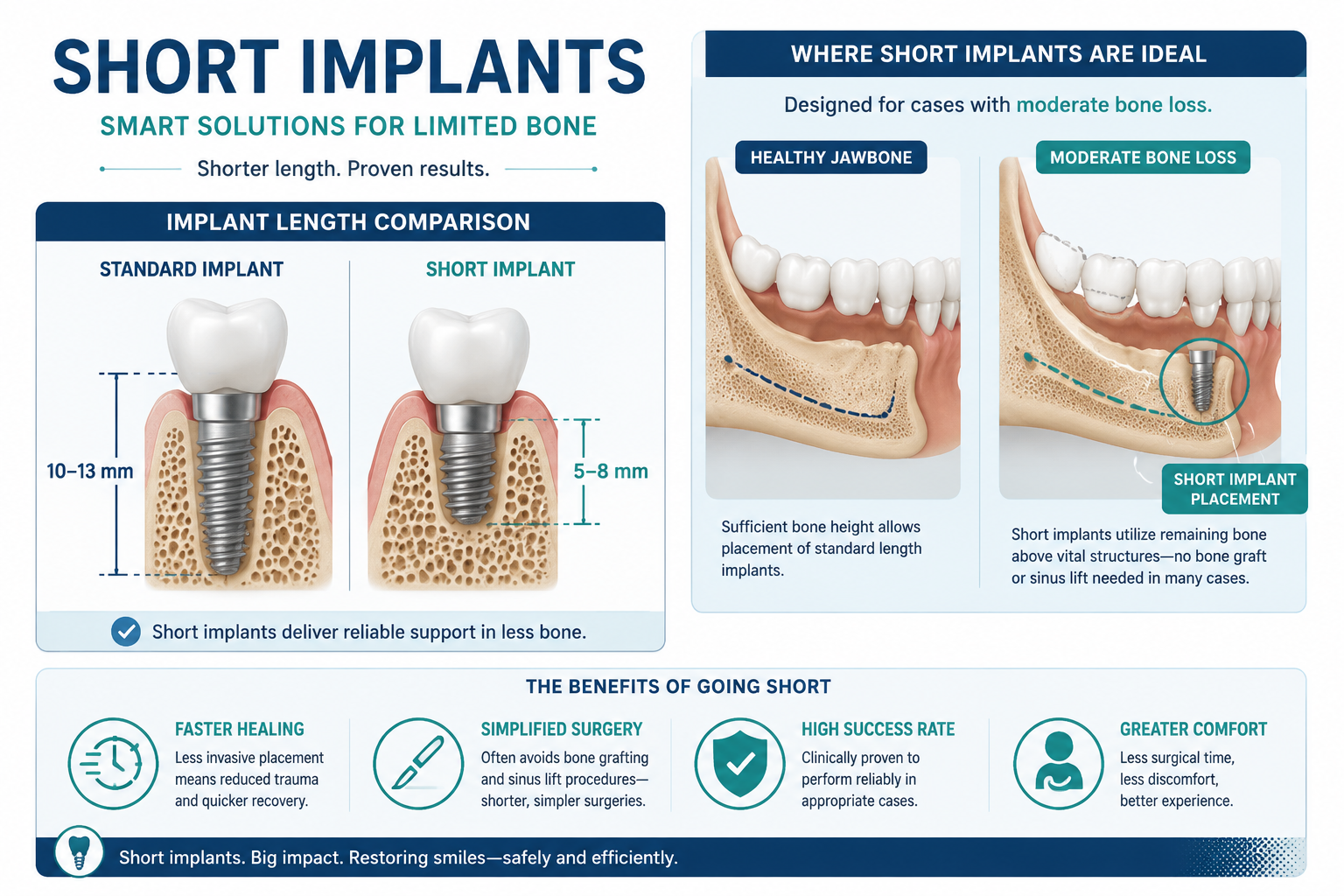
Short implants are dental implants that are typically less than 8mm in length, contrasting with standard implants which can range from 10-16mm or more. Despite their shorter stature, modern short implants are designed with advanced surface treatments and thread designs that allow them to achieve excellent stability and integration with existing bone.
Advantages of Short Implants:
- Reduces or Eliminates Grafting: The primary benefit is often avoiding the need for a bone graft, especially when vertical bone height is limited due to factors like proximity to the maxillary sinus or the inferior alveolar nerve in the lower jaw. For more on when bone grafting might be necessary, refer to our article on sinus lift & bone graft necessity in Dallas.
- Less Invasive Procedure: Typically involves less surgical intervention, which can lead to a simpler implant surgery process and a potentially faster dental implant recovery timeline in Dallas.
- Reduced Patient Discomfort: A less invasive surgery often translates to less post-operative pain and swelling.
- Cost-Effective: By avoiding additional grafting procedures, the overall implant cost in Dallas can sometimes be reduced.
- High Success Rates: Modern short implants demonstrate comparable success rates to traditional implants when placed in appropriate clinical situations.
When are Short Implants a Suitable Choice?
Short implants are carefully considered by a dentist after a thorough evaluation, including 3D imaging (CBCT scans). They are often a good option for:
- Posterior Regions: Especially in the back of the mouth where bone height can be limited due to anatomical structures.
- Moderate Bone Atrophy: When there’s just enough bone to stabilize a shorter implant without requiring augmentation.
- Patients Seeking Less Invasive Options: For those who prefer to avoid a bone graft due to health considerations, recovery concerns, or cost.
For Dallas patients considering a single missing tooth solution or multiple teeth, short implants can be a reliable and patient-friendly approach. It’s important to discuss all available tooth replacement options with your dental professional.
Choosing the Right Bone Graft Alternative in Dallas: Your Consultation Journey in 2026
Deciding on the best dental implant solution, especially when bone loss is a factor, is a significant decision. For Dallas residents, navigating the choices among zygomatic, pterygoid, and short implants requires careful consideration and, most importantly, a comprehensive consultation with a qualified and experienced dental implant dentist. In 2026, the technology and expertise available in Dallas are more advanced than ever, offering precise diagnostics and tailored treatment plans.
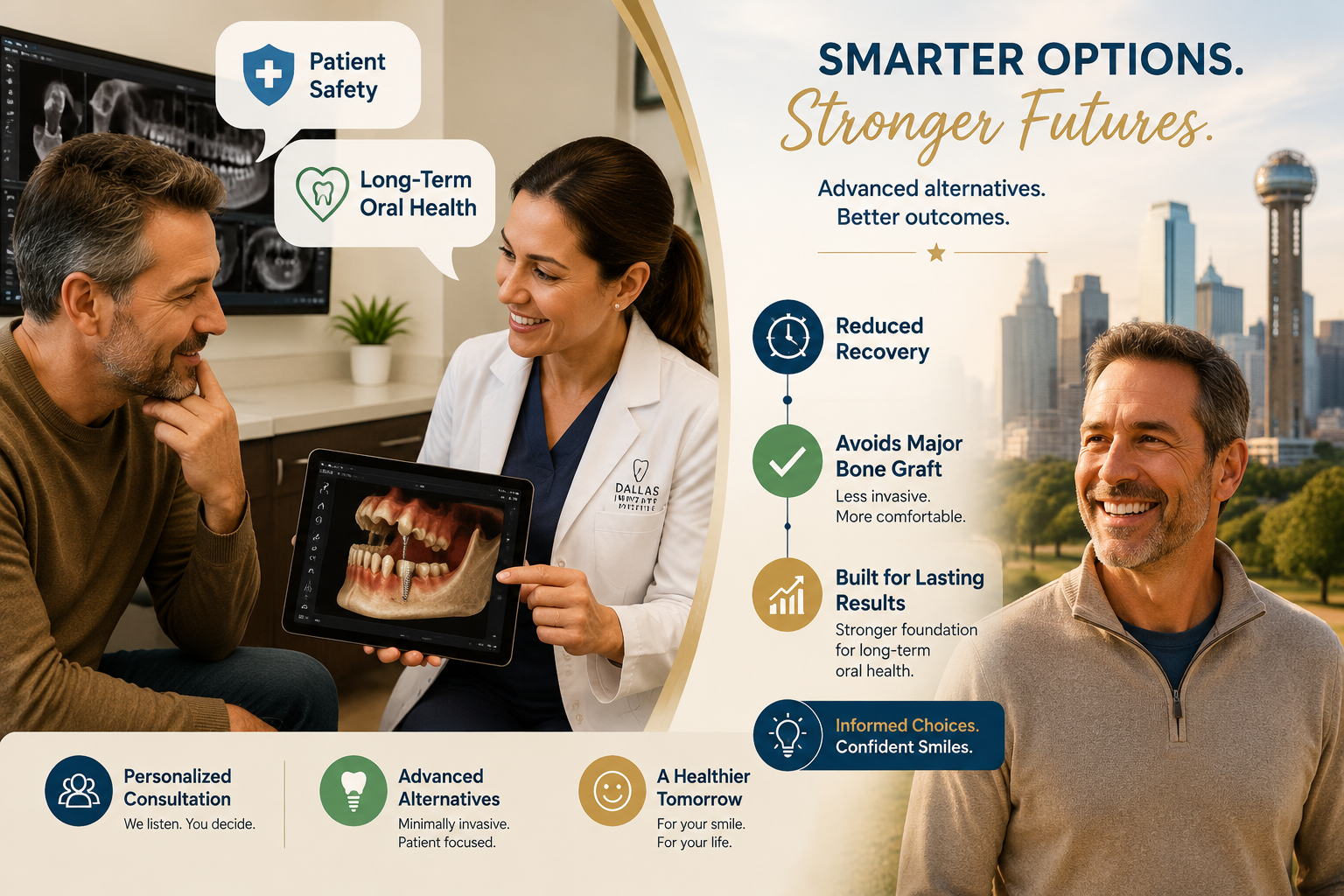
The Importance of a Thorough Evaluation
Your journey to a new smile begins with a detailed assessment. This typically includes:
- Comprehensive Oral Examination: A visual inspection of your mouth, gums, and remaining teeth.
- Advanced Imaging: This is critical. Dentists in Dallas often use 3D Cone Beam Computed Tomography (CBCT) scans. This technology provides highly detailed images of your bone structure, nerve pathways, and sinus cavities, allowing for precise treatment planning. Many Dallas TX dentists are now using 3D guided implant surgery for enhanced precision and predictable outcomes.
- Medical History Review: A discussion of your general health, medications, and any conditions that might affect the healing process or implant success. The link between oral health and dental implant success in Dallas is significant, so full disclosure is vital.
Based on this evaluation, your dentist can determine the extent of your bone loss and recommend the most appropriate bone graft alternative.
Factors to Discuss During Your Consultation
When meeting with your Dallas dentist, consider discussing the following:
- Your Oral Health Goals: What are you hoping to achieve with dental implants? Do you need a single tooth replacement or a full mouth restoration?
- Procedure Details: Ask for a clear explanation of each recommended procedure, including the steps involved, potential risks, and expected recovery time.
- Cost Considerations: Understand the full implant cost in Dallas for each option, including any associated procedures like sedation options for dental implants or temporary prosthetics. It’s also wise to inquire about insurance coverage and payment plans.
- Dentist’s Experience: Inquire about your dentist’s experience with the specific type of advanced implants being considered. These specialized procedures require a high level of training and expertise.
- Long-Term Outlook: Discuss the expected longevity of dental implants in Dallas and what maintenance is required.
Choosing a dentist who prioritizes patient education and clearly explains all tooth replacement options is paramount. An informed decision is a confident decision, leading to better long-term oral health outcomes.
Conclusion
For individuals in Dallas facing bone loss and considering dental implants in 2026, the landscape of tooth replacement options has expanded significantly beyond traditional bone grafting. Zygomatic, pterygoid, and short implants represent advanced, patient-focused solutions that cater to various degrees of bone deficiency, offering paths to stable, functional, and aesthetic smiles that were once deemed challenging. These innovative approaches can reduce treatment time, minimize invasiveness, and enhance patient safety.
The decision for any dental implant procedure, particularly specialized bone graft alternatives, should always be made in close consultation with a highly qualified dental professional in Dallas. A thorough evaluation, including advanced imaging, will guide you toward the most suitable and safest treatment plan for your unique oral health needs. By exploring these modern options, more Dallas patients can achieve the lasting benefits of dental implants and enjoy improved quality of life.
Actionable Next Steps: If you are in Dallas and have been told you have bone loss, or if you are simply exploring missing teeth solutions, schedule a consultation with a dentist specializing in dental implant procedures. Discuss zygomatic, pterygoid, or short implants as potential bone graft alternatives that could be right for you. Your journey to long-term oral health begins with a conversation with a trusted local expert.
References
- Bedrossian, E. (2012). Zygomatic Implants for the Severely Atrophied Maxilla. Quintessence Publishing Co Inc.
- Davó, R., & David, L. A. (2018). Immediate function with zygomatic implants: Clinical and radiological data. IntechOpen.
- Krekmanov, L. (2000). “Short” dental implants: a literature review. International Journal of Oral & Maxillofacial Implants, 15(2), 173-179.
- Misch, C. E. (2008). Contemporary Implant Dentistry (3rd ed.). Mosby Elsevier.