
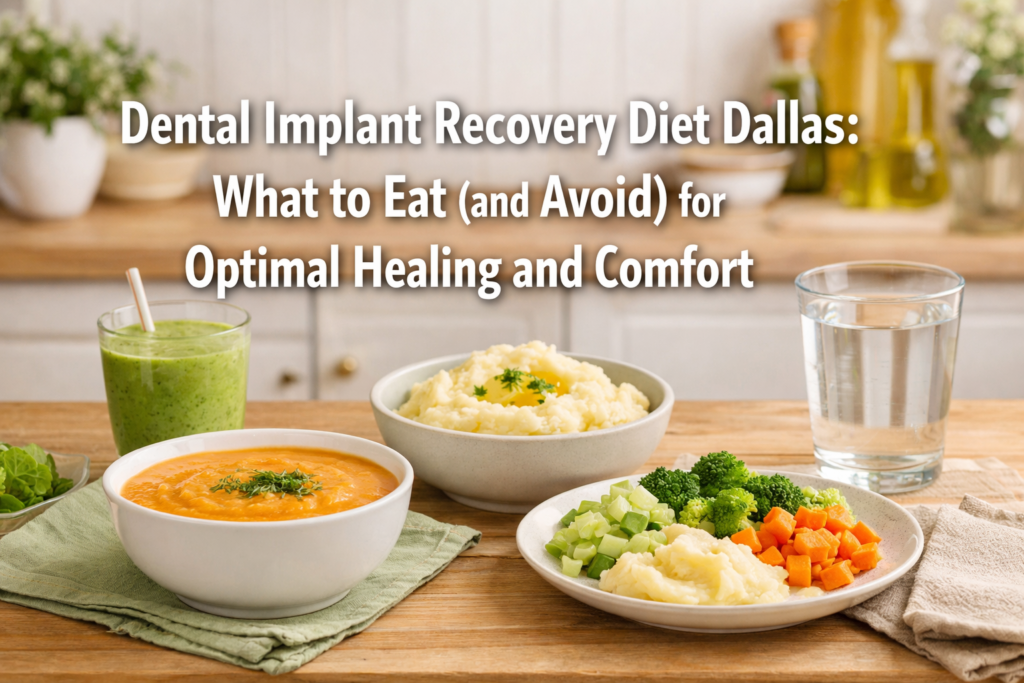
Did you know that what you eat after dental implant surgery can impact your healing by as much as 30%? For individuals considering or undergoing dental implant procedures in Dallas, understanding the right nutritional approach is not just a recommendation—it’s a critical component of successful recovery. This detailed guide will explore the essential Dental Implant Recovery Diet Dallas: What to Eat (and Avoid) for Optimal Healing and Comfort, ensuring that your journey to a restored smile is as smooth and comfortable as possible. Focusing on local availability and practical advice, we aim to provide clarity on managing your diet effectively during this crucial period.
Key Takeaways
- Prioritize Soft Foods: Immediately after surgery, stick to liquid and very soft foods to avoid disturbing the surgical site.
- Nutrient-Rich Choices: Focus on protein, vitamins, and minerals to support tissue repair and reduce inflammation.
- Stay Hydrated: Water is essential for healing and maintaining oral hygiene.
- Avoid Hard, Crunchy, or Sticky Foods: These can dislodge blood clots, irritate the site, or damage the implant.
- Limit Sugary and Acidic Items: These can hinder healing and increase the risk of infection.
- Consult Your Dentist: Always follow specific dietary instructions provided by your Dallas dental professional.
Understanding the Stages of Dental Implant Recovery
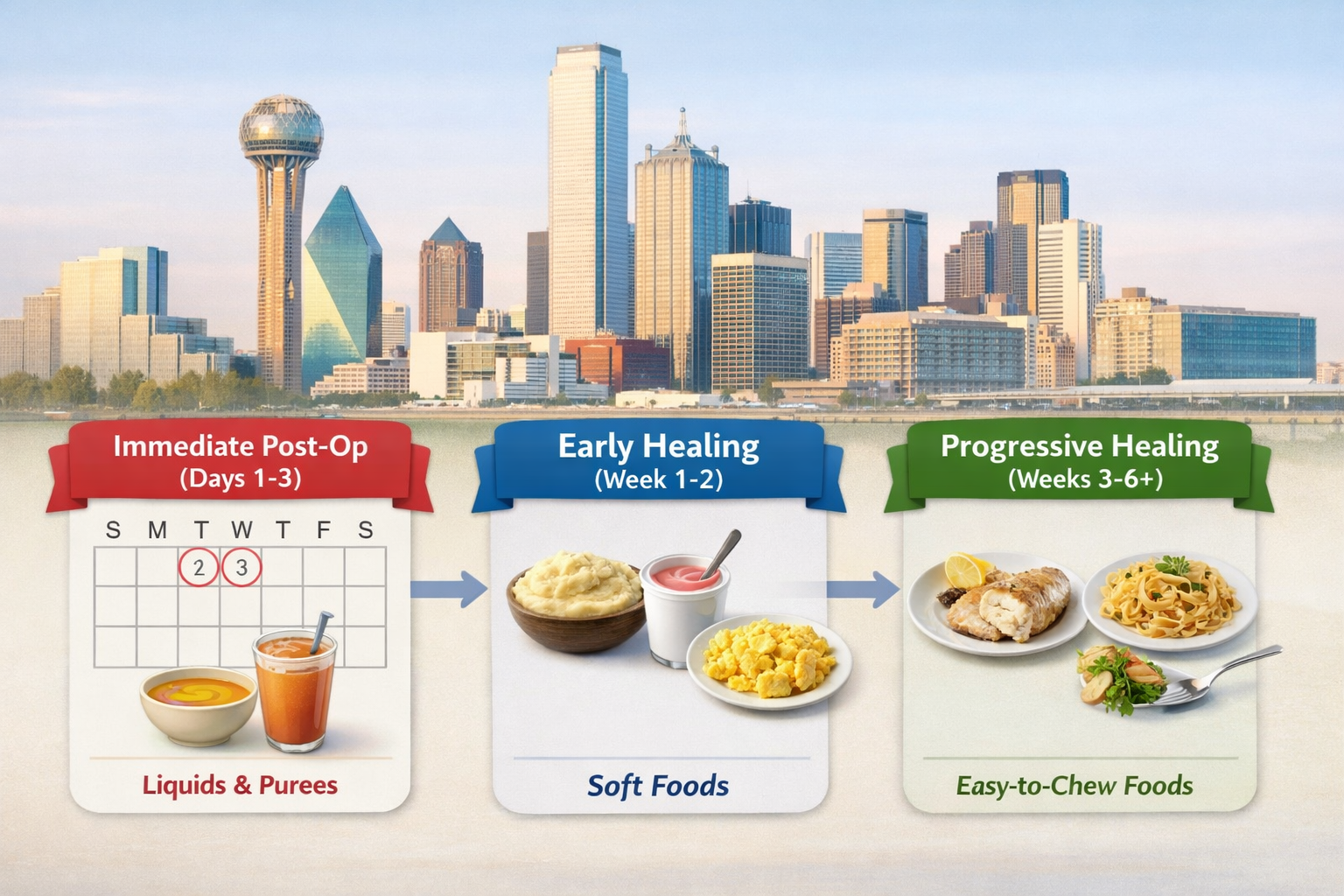
The journey to a fully integrated dental implant involves several healing phases, and your diet plays a distinct role in each. The initial days are about protecting the surgical site and preventing complications, while subsequent weeks focus on supporting bone integration and tissue repair. Knowing what to expect at each stage can help you plan your meals effectively for optimal healing.
Immediate Post-Operative Period (Days 1-3)
This stage is the most critical for preventing complications such as bleeding, swelling, and infection. Your surgical sites are delicate, and any pressure or agitation can disrupt the healing process. The goal during these first few days is to consume foods that require absolutely no chewing.
What to Eat (Liquids & Purees):
- Smoothies: Packed with nutrients, smoothies can be a great source of vitamins and minerals. Use soft fruits like bananas, berries, and mangoes, combined with yogurt, protein powder, or milk. Avoid seeds or small bits that can get lodged in the surgical site.
- Broths and Soups: Warm (not hot) clear broths (chicken, beef, vegetable) are excellent for hydration and provide essential nutrients. Creamy, pureed soups (tomato, squash, mushroom) without chunks are also good options.
- Yogurt and Kefir: Plain, sugar-free yogurt and kefir are smooth, cool, and can provide beneficial probiotics.
- Pudding and Gelatin: Soft, easy to swallow, and a source of comfort.
- Applesauce: Unsweetened, smooth applesauce is a classic soft food.
- Protein Shakes: Essential for maintaining strength and aiding tissue repair.
- Ice Cream (without nuts or candy): A small treat that can help soothe and numb the area.
What to Avoid:
- Hot Foods and Beverages: Heat can increase swelling and bleeding. Let foods cool to lukewarm.
- Straws: The suction created by using a straw can dislodge the blood clot from the surgical site, leading to a painful condition known as “dry socket.”
- Alcohol: Can interfere with medication and healing.
- Spicy Foods: Can irritate the wound.
- Crunchy or Chewy Foods: Absolutely no nuts, chips, popcorn, or tough meats.
- Acidic Foods/Drinks: Citrus juices or carbonated sodas can irritate the surgical area.
Early Healing Phase (Week 1-2)
As initial swelling subsides and the surgical site begins to close, you can gradually introduce slightly thicker, but still very soft, foods. Chewing should still be minimal and gentle, avoiding the implant area. The focus remains on nutrient density to support the bone integration process (osseointegration) that is crucial for the long-term success of dental implants in Dallas.
What to Eat (Soft & Easily Mashable):
- Mashed Potatoes or Sweet Potatoes: Smooth and nutrient-rich.
- Scrambled Eggs: Soft, easy to eat, and a good source of protein.
- Soft Pasta: Well-cooked pasta such as macaroni or orzo, cut into small pieces.
- Cooked Fish: Flaky, soft fish like cod or salmon, steamed or baked.
- Tofu: Soft and versatile, excellent for protein.
- Cottage Cheese and Ricotta Cheese: Creamy and mild.
- Soft-Cooked Vegetables: Steamed or boiled carrots, peas, green beans (mashed or very soft).
- Oatmeal/Cream of Wheat: Cooked thoroughly to a smooth consistency.
- Avocado: Soft, healthy fats, and easy to consume.
- Ground Meat: Cooked very soft and finely ground, such as chicken or turkey, mixed with gravy or sauce.
What to Avoid: Continue to avoid all foods listed in the immediate post-operative period. Also, be wary of foods with small seeds (like raspberries or sesame seeds) that can get stuck.
Progressive Healing Phase (Weeks 3-6+)
At this point, your dental professional may advise you to slowly reintroduce more solid foods, always listening to your body and avoiding any discomfort. Osseointegration is actively occurring, and while the site is stronger, it’s still vulnerable to excessive force. Continue to chew on the opposite side of the implant if possible. For more information on post-op care, see our guide on Dental Implant Post-Op Care & Maintenance Costs in Dallas: Protecting Your Investment for Decades.
What to Eat (Gradually Firmer, Easy-to-Chew Foods):
- Soft Breads: Without hard crusts.
- Baked Potatoes: Soft, without tough skins.
- Steamed or Boiled Chicken: Cut into very small, tender pieces.
- Soft Fruits: Bananas, peaches, pears, melon (cut into small pieces).
- Cooked Rice: Well-cooked and soft.
- Cheeses: Soft cheeses that don’t require much chewing.
What to Avoid: Continue avoiding hard, crunchy, sticky, and excessively chewy foods. Be cautious with nuts, popcorn, and tough meats. It’s important to be patient; rushing the introduction of hard foods can jeopardize the healing process and the long-term success of your dental implants in Dallas.
Essential Nutrients for Optimal Healing and Comfort
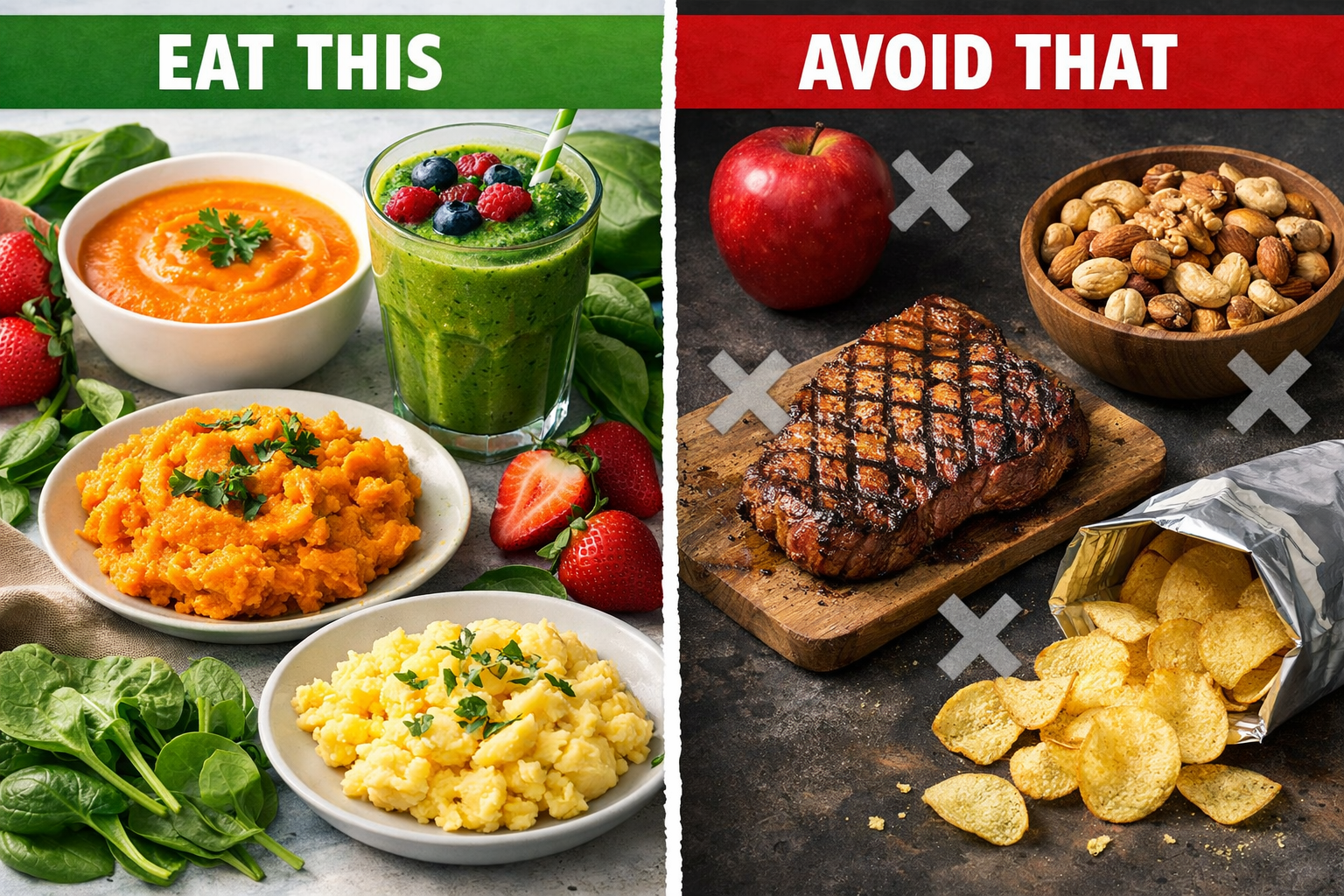
Beyond just texture, the nutritional content of your diet is paramount. Certain vitamins, minerals, and macronutrients actively support tissue repair, bone regeneration, and immune function, which are all vital for a successful dental implant recovery.
Protein
Protein is fundamental for cellular repair and regeneration. Adequate protein intake helps rebuild damaged tissues and supports collagen formation, which is crucial for bone and gum health.
- Sources: Yogurt, cottage cheese, protein shakes, eggs, soft-cooked fish, tofu, pureed beans, and ground meats.
Vitamins and Minerals
- Vitamin C: Essential for collagen synthesis and immune function.
- Sources: Citrus juices (diluted, after the immediate healing phase, and consumed cautiously), strawberries, mashed bell peppers (sweet, not spicy), spinach in smoothies.
- Vitamin D and Calcium: Critical for bone health and osseointegration.
- Sources: Dairy products (milk, yogurt), fortified plant-based milks, salmon, fortified cereals. Sunlight exposure also aids Vitamin D production.
- Zinc: Plays a vital role in wound healing and immune response.
- Sources: Fortified cereals, yogurt, lean ground meats (once safe to consume).
- Vitamin K: Important for blood clotting.
- Sources: Leafy green vegetables (pureed in smoothies or soups).
Hydration
Staying well-hydrated is crucial for overall health and supports the healing process by flushing out toxins and maintaining moist oral tissues.
- Sources: Water, clear broths, diluted fruit juices (avoid acidic ones in early stages), herbal teas (lukewarm).
Practical Tips for Managing Your Dental Implant Recovery Diet in Dallas

Navigating a restricted diet can be challenging, but with some planning, it can be manageable and even enjoyable.
- Meal Prep: Prepare large batches of approved soft foods like soups, purees, or mashed dishes in advance. This saves time and ensures you have healthy options readily available.
- Small, Frequent Meals: Eating smaller portions more often can make it easier to meet your nutritional needs without overstressing your jaw.
- Use a Blender or Food Processor: These tools will be your best friends for making smoothies, pureed soups, and creamy sauces.
- Listen to Your Body: If a food causes any discomfort, stop eating it. Every individual’s healing process is unique.
- Maintain Oral Hygiene: While diet is crucial, proper oral hygiene, as instructed by your dentist, is equally important to prevent infection and promote healing. This includes gentle rinsing and careful brushing around the surgical site.
- Avoid Chewing Directly on the Implant Site: Even as you progress to softer solid foods, try to chew on the opposite side of your mouth to protect the healing implant.
- Consider Supplements: Discuss with your dental professional whether any nutritional supplements might be beneficial to support your healing, especially if your dietary intake is significantly restricted.
- Consult Your Dental Professional: Always adhere to the specific instructions given by your Dallas dentist or oral surgeon. They have evaluated your individual case and can provide tailored advice. When discussing your care plan, don’t hesitate to ask about implant cost in Dallas and how it incorporates comprehensive post-operative support, including dietary guidance.
For those undergoing extensive procedures like full mouth dental implants in Dallas, a comprehensive recovery plan is even more vital. Understanding the link between oral health and dental implant success is key to long-term oral health. The Link Between Oral Health and Dental Implant Success in Dallas: Preparing Your Mouth for a Lasting Investment provides further insights into preparing your mouth for a lasting investment.
Conclusion
The Dental Implant Recovery Diet Dallas: What to Eat (and Avoid) for Optimal Healing and Comfort is a crucial aspect of ensuring the success and longevity of your dental implants. By carefully selecting nutrient-rich, soft foods and diligently avoiding anything that could irritate the surgical site, you significantly contribute to a smoother, faster recovery. This patient-first approach to recovery not only minimizes discomfort but also supports the vital process of osseointegration, ensuring your new dental implants in Dallas become a strong, permanent part of your smile.
Prioritizing your diet after your dental implant procedure demonstrates a commitment to your long-term oral health. Always remember to consult with your Dallas dental professional for personalized guidance regarding your specific needs and recovery timeline. They are your best resource for ensuring a safe and successful journey to a fully restored and confident smile.