
While dental implants boast an impressive success rate, complications, though rare, can occur. For residents of Dallas with dental implants, discovering an implant feels loose, causes unexpected pain, or fails can be a concerning and sometimes alarming experience. Knowing the immediate steps to take is crucial for preserving your oral health and ensuring the longevity of your investment. This comprehensive guide provides essential information on Emergency Dental Implant Repair Dallas: What to Do if Your Implant Feels Loose or Fails Unexpectedly in 2026, helping you navigate such situations with confidence and an informed approach.
Key Takeaways
- Act Immediately: If your dental implant feels loose or causes pain, contact a dentist in Dallas promptly. Do not attempt to fix it yourself.
- Identify the Problem: It’s important to distinguish between a loose crown/abutment and a loose implant. Only a dentist can accurately diagnose the issue.
- Emergency Care is Key: Seek emergency dental care, especially if you experience significant pain, swelling, or difficulty eating.
- Understand Potential Causes: Various factors, from peri-implantitis to mechanical issues, can lead to implant problems.
- Treatment Varies: Repair options range from simple re-tightening to full implant removal and replacement, depending on the diagnosis.
When to Seek Emergency Dental Implant Repair Dallas: Recognizing the Signs
Recognizing the signs of a failing or compromised dental implant is the first step toward effective intervention. Ignoring subtle warnings can lead to more significant issues and potentially impact your long-term oral health. If you have dental implants in Dallas, it’s essential to be aware of what constitutes an emergency.

Signs Your Dental Implant May Need Immediate Attention
Several symptoms indicate that your dental implant might require urgent care. These include:
- A Loose Feeling: This is perhaps the most obvious and concerning sign. The looseness could be in the crown (the visible tooth part), the abutment (the connector between the crown and the implant), or the implant post itself. A truly loose implant post often signifies a more severe problem.
- Pain or Discomfort: While some mild discomfort is normal immediately after implant surgery, persistent or increasing pain, especially if accompanied by throbbing or sharp sensations, is a red flag.
- Swelling or Inflammation: Redness, swelling, or tenderness around the implant site can indicate an infection, such as peri-implantitis, which is an inflammatory condition affecting the tissues surrounding a dental implant.
- Bleeding: Any unexpected bleeding around the implant or gum line should be evaluated by a dental professional.
- Difficulty Chewing: If chewing becomes painful or if you notice changes in your bite related to the implant, it warrants examination.
- Visible Damage: Cracks in the crown, a fractured abutment, or any other visible damage to the prosthetic component requires immediate attention.
Differentiating a Loose Crown from a Loose Implant
It’s critical to understand that a “loose implant” can mean different things, and one scenario is far more serious than the other.
- Loose Crown or Abutment: Often, what patients perceive as a loose implant is actually a loose dental crown or abutment. The crown is cemented or screwed onto the abutment, which in turn is screwed into the implant post. If these connections loosen, the crown may feel wobbly. This is typically a simpler fix, often involving re-tightening or re-cementing the crown or abutment.
- Loose Implant Post (Osseointegration Failure): This is the more serious concern. If the actual titanium post, which is surgically integrated into your jawbone, feels loose, it indicates a failure of osseointegration – the process where the implant fuses with the bone. This can be due to infection, insufficient bone density, improper placement, or excessive force on the implant. This type of failure usually requires the implant’s removal and re-evaluation for future treatment.
If you experience any of these symptoms, particularly a feeling of looseness, it’s paramount to contact a dental professional in Dallas right away. Delaying care can exacerbate the problem and potentially compromise the success of your dental implant procedure.
Common Causes of Dental Implant Problems and Repair Options
Understanding the underlying causes of dental implant issues can help you approach your appointment with a clearer perspective. While dental implants offer a durable solution for missing teeth, various factors can contribute to their unexpected failure or looseness.
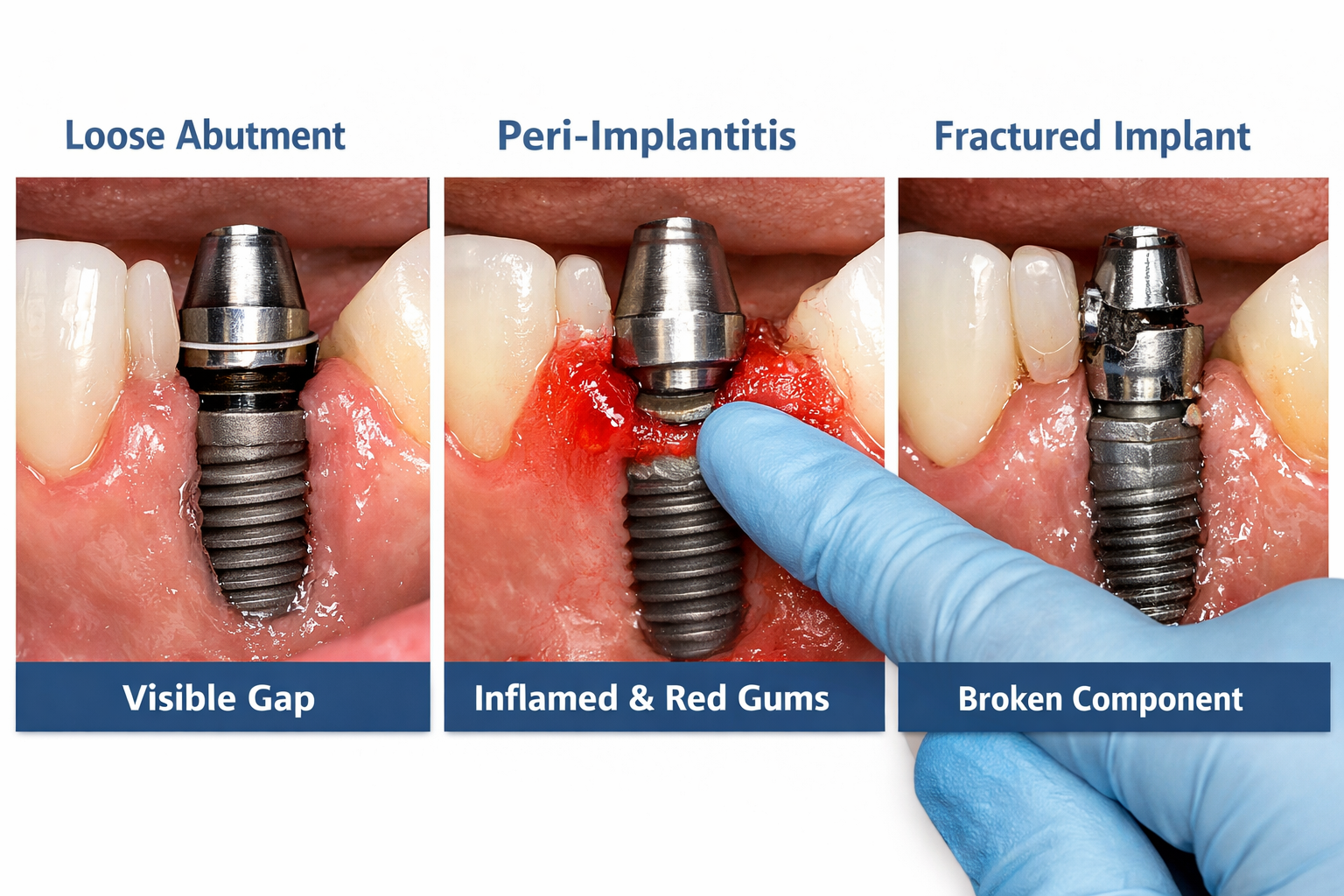
Why Dental Implants Fail or Feel Loose
Several issues can lead to the need for Emergency Dental Implant Repair Dallas: What to Do if Your Implant Feels Loose or Fails Unexpectedly in 2026.
- Peri-implantitis: This is a bacterial infection that affects the gum and bone tissue around the implant. Similar to gum disease (periodontitis) in natural teeth, it can lead to bone loss around the implant, eventually causing it to loosen. Risk factors include poor oral hygiene, smoking, and certain systemic diseases.
- Failed Osseointegration: For an implant to be successful, it must integrate (fuse) with the jawbone. If this process doesn’t occur properly or fails over time, the implant will not be stable. Factors contributing to this include insufficient bone quality or quantity, premature loading of the implant, or certain medical conditions.
- Mechanical Complications:
- Loose or Fractured Abutment/Crown Screws: The screws connecting the crown or abutment to the implant can loosen over time due to chewing forces. They can also fracture, causing the prosthetic to become unstable.
- Fractured Crown or Abutment: The prosthetic tooth (crown) or the abutment itself can crack or break, especially under heavy biting forces or trauma.
- Implant Fracture: While rare, the titanium implant post itself can fracture, typically due to excessive stress or a manufacturing defect. This is a very serious complication.
- Trauma or Injury: A direct impact to the mouth can damage the implant or its prosthetic components, leading to loosening or breakage.
- Overloading: Placing too much biting force on a newly placed implant or one that hasn’t fully integrated can compromise its stability.
What to Expect During an Emergency Dental Implant Repair Dallas Visit
When you seek emergency care for a loose or failing dental implant, your dentist will perform a thorough examination to determine the exact cause and the best course of action.
- Diagnosis:
- Visual Examination: The dentist will inspect the implant site for signs of inflammation, redness, or damage.
- X-rays: Digital X-rays, and sometimes 3D cone-beam CT scans, are crucial for assessing the bone level around the implant, checking for fractures, and evaluating the integrity of the implant and its components.
- Probing: The dentist may gently probe the gum tissue around the implant to check for pocket depths, indicating bone loss.
- Treatment Options Based on Diagnosis:
- Loose Crown/Abutment: If only the crown or abutment is loose, the dentist can often simply re-tighten the screw or re-cement the crown. This is usually a quick and straightforward fix.
- Peri-implantitis: Treatment involves deep cleaning around the implant, antibiotics, and sometimes surgical procedures to remove infected tissue and regenerate lost bone. Early detection is key to successful management.
- Failed Osseointegration/Loose Implant Post: If the implant itself is loose due to failed osseointegration, it often needs to be removed. After removal, the site will be allowed to heal, and a bone graft may be necessary to rebuild the bone before a new implant can be placed. This process can take several months. For more on rebuilding bone, consider our article on Bone Graft Costs for Dental Implants in Dallas.
- Fractured Components: A fractured crown or abutment can often be replaced. If the implant body itself is fractured, removal and replacement are typically necessary.
- Trauma: Depending on the extent of the trauma, treatment could range from simple repair of the prosthetic to implant removal and replacement.
Understanding the potential repair costs is also important. For detailed information, our article on Dental Implant Repair Cost offers valuable insights. Many factors contribute to the total cost, including the complexity of the repair and the materials used.
Finding Emergency Dental Implant Care in Dallas and Prevention
Experiencing an issue with your dental implant can be stressful, but knowing where to turn for help in Dallas is crucial. Proactive measures can also help minimize the risk of future complications.

How to Find an Emergency Dental Implant Repair Dentist in Dallas
When faced with a loose or failing dental implant, prompt action is key.
- Contact Your Original Dentist: Your first step should always be to contact the dentist or oral surgeon who placed your dental implant. They have your complete medical and dental history, including details about your specific implant system, and are best equipped to handle the situation. Most practices have an emergency contact number or a protocol for urgent cases.
- General Dentists with Implant Experience: If your original provider is unavailable, search for general dentists in Dallas who advertise emergency dental services and have experience with dental implants. Look for clinics that mention “implant restorations,” “implant repairs,” or “emergency dental care.”
- Specialists: Periodontists or Oral Surgeons: For more complex issues, a periodontist (gum specialist) or an oral surgeon often has extensive experience in diagnosing and treating dental implant complications.
- Online Searches and Directories: Use online search engines with terms like “emergency dental implant repair Dallas,” “loose implant Dallas,” or “dental implant failure Dallas.” Many dental directories also allow you to filter by emergency services.
- Review Clinics and Testimonials: When choosing a new provider, look for clinics with positive patient reviews, especially those that mention compassionate and efficient emergency care. Our guide to Top Dallas Dental Implant Clinics 2026 can be a helpful resource.
Preventing Future Dental Implant Complications
Prevention is always better than cure, especially when it comes to the investment in dental implants.
- Maintain Excellent Oral Hygiene: This is perhaps the most critical preventive measure. Brush twice daily, floss once a day, and use an antimicrobial mouthwash as recommended by your dentist. This prevents plaque buildup and significantly reduces the risk of peri-implantitis.
- Regular Dental Check-ups and Cleanings: Schedule routine check-ups with your dentist in Dallas, typically every six months. These appointments allow your dentist to monitor your implant’s health, perform professional cleanings, and detect any potential issues early.
- Avoid Harmful Habits:
- Smoking: Smoking significantly increases the risk of implant failure, particularly from peri-implantitis. If you smoke, consider quitting. Our article Dallas TX Dental Implants for Smokers 2026 provides more information.
- Grinding or Clenching (Bruxism): These habits can place excessive force on implants, leading to mechanical complications. Your dentist may recommend a nightguard to protect your implants.
- Using Teeth as Tools: Avoid using your teeth to open packages, bite nails, or chew on hard objects like ice.
- Address Systemic Health Issues: Certain medical conditions, such as uncontrolled diabetes, can affect implant success. Ensure any underlying health issues are well-managed and inform your dentist about your full medical history.
- Follow Post-Operative Instructions: Adhere strictly to all post-operative care instructions provided after your implant surgery. This includes dietary restrictions, medication regimens, and activity limitations during the healing period.
By being vigilant about your oral health and maintaining regular contact with your dental professional, you can significantly reduce the likelihood of needing Emergency Dental Implant Repair Dallas: What to Do if Your Implant Feels Loose or Fails Unexpectedly and ensure the long-term success of your dental implants in Dallas. For broader oral health education and information on tooth replacement options, explore our various resources.
Conclusion
Discovering a loose or unexpectedly failed dental implant can be a source of significant concern, but understanding the steps for Emergency Dental Implant Repair Dallas: What to Do if Your Implant Feels Loose or Fails Unexpectedly is essential for effective management. For Dallas residents, recognizing the signs of trouble early and seeking immediate professional attention are paramount. Whether the issue is a simple loose crown or a more complex problem like peri-implantitis or failed osseointegration, a qualified dental professional can accurately diagnose and treat the condition.
Remember that maintaining excellent oral hygiene and attending regular dental check-ups are your best defenses against implant complications. Should an emergency arise, do not hesitate to contact your dental provider. Encouraging informed decision-making and professional consultation, our goal is to help you protect your investment in dental implants and maintain long-term oral health. Always prioritize patient safety and consult with a dentist for any concerns regarding your dental implant procedure or overall oral health.
SEO Meta Title: Emergency Dental Implant Repair Dallas: Loose Implants & Failures SEO Meta Description: Dallas residents, what to do if your dental implant feels loose or fails unexpectedly in 2026? Get urgent care, diagnose causes, and find repair options.