
Undergoing a dental implant procedure can feel like a significant step toward restoring your smile and oral health. For many individuals exploring dental implants in Dallas, understanding the recovery process is just as important as knowing the procedure itself. This comprehensive guide will outline the 3-6 month timelines, pain management strategies post-surgery, and specific tips for same-day implant recovery, directly from insights provided by Dallas dental experts. Our goal is to set realistic expectations, helping you prepare thoroughly for a smooth and comfortable healing journey.
Key Takeaways
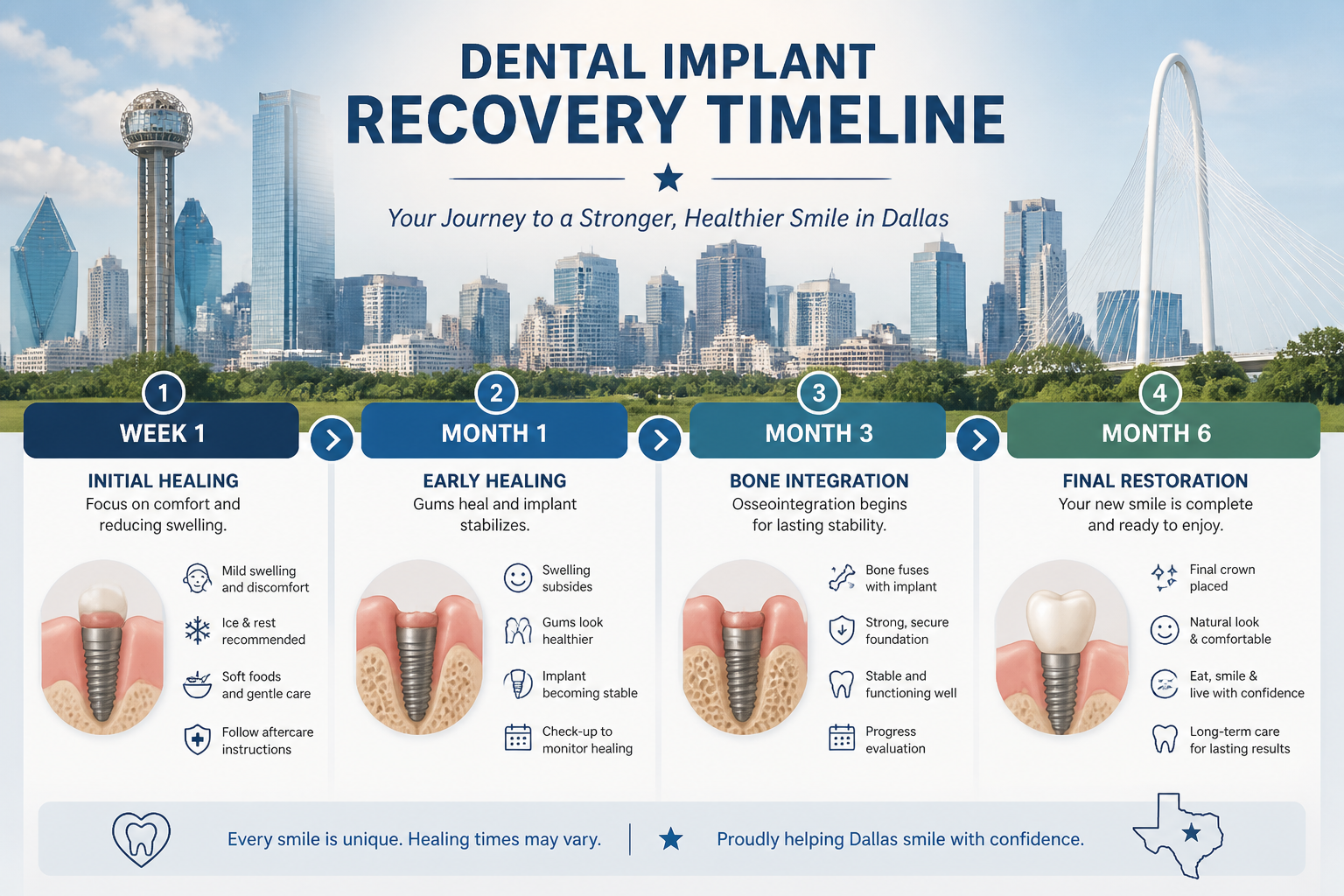
- Initial Recovery (First Week): Expect mild to moderate discomfort, swelling, and bruising, manageable with prescribed medication and cold compresses. Soft foods are essential.
- Osseointegration (Months 1-3): The implant fuses with your jawbone, a critical but largely symptom-free process. Pain decreases significantly, and normal activities can resume with care.
- Final Restoration (Months 3-6): Once fully integrated, the abutment and crown are placed, completing the tooth replacement. Minimal discomfort is associated with this final stage.
- Pain Management is Key: Effective strategies include medication, cold/warm compresses, soft diet, and good oral hygiene.
- Same-Day Implants: Offer immediate functionality but still require careful aftercare to ensure proper healing and integration.
Understanding the Dental Implant Procedure in Dallas
Dental implants are widely considered one of the most effective tooth replacement options for missing teeth. The process involves surgically placing a small, screw-shaped post, usually made of titanium, into the jawbone. This post acts as an artificial tooth root. Over several months, the implant integrates with the bone, a process called osseointegration, forming a strong foundation for a dental crown, bridge, or denture. In Dallas, patients have access to advanced techniques and experienced professionals who prioritize patient safety and long-term oral health.
The journey to a complete smile typically involves several stages, beginning with an initial consultation where a dentist will assess your oral health, discuss your needs, and determine if dental implants are the right solution for you. This assessment often includes 3D imaging to plan the implant placement precisely. For some, additional procedures like bone grafting or a sinus lift may be necessary if there isn’t sufficient jawbone to support the implant.
Dental Implant Recovery Timeline and Pain Levels: Week-by-Week Breakdown
The recovery from dental implant surgery is a gradual process, with the most noticeable discomfort occurring in the first few days. Understanding what to expect can help manage anxiety and ensure a smoother healing period.
Immediate Post-Surgery (Day 1-3)
- Pain Level: Moderate. Pain is typically most noticeable right after the local anesthetic wears off. Most patients describe it as similar to a tooth extraction.
- Symptoms: Swelling of the gums and face, minor bleeding, and bruising are common.
- Management:
- Medication: Your dentist will likely prescribe pain relievers (e.g., ibuprofen, acetaminophen, or stronger painkillers if needed) and possibly antibiotics. Take them as directed.
- Cold Compress: Apply an ice pack to the outside of your face for 15-20 minutes on, 15-20 minutes off, for the first 24-48 hours to minimize swelling and discomfort.
- Diet: Stick to soft foods and liquids, avoiding anything hot, spicy, or crunchy. Think smoothies, yogurt, mashed potatoes, and soups.
- Rest: Avoid strenuous activities. Elevate your head when lying down to help reduce swelling.
- Oral Hygiene: Gently rinse with a prescribed antiseptic mouthwash or warm salt water (1/2 teaspoon salt in 8 ounces of warm water) after 24 hours, but do not spit forcefully. Avoid brushing the surgical site directly.
First Week (Days 4-7)
- Pain Level: Mild to low. Discomfort should significantly decrease, and most patients can switch from prescription pain medication to over-the-counter options.
- Symptoms: Swelling and bruising should begin to subside. Any minor bleeding should have stopped.
- Management:
- Diet: You can gradually reintroduce more solid, but still soft, foods. Continue to avoid very hard or chewy items near the implant site.
- Oral Hygiene: Continue gentle oral hygiene, including careful brushing away from the surgical site and rinsing.
- Activity: You can gradually resume light daily activities, but avoid heavy lifting or intense exercise.
Weeks 2-4 (First Month)
- Pain Level: Minimal to none. Most patients report no significant pain at this stage.
- Symptoms: The initial surgical site will be visibly healing. Swelling and bruising should be completely gone.
- Management:
- Diet: Most normal eating can resume, though continued caution around the implant site is advisable.
- Oral Hygiene: Maintain excellent oral hygiene, brushing and flossing regularly.
- Follow-up: Your Dallas dentist may schedule a follow-up appointment to check on the healing progress and remove any non-dissolvable sutures.
Months 1-3: Osseointegration Phase
- Pain Level: None. This is a crucial healing phase where the implant fuses with your jawbone. It’s largely painless and unseen.
- Symptoms: No visible external symptoms; the implant is integrating internally.
- Management: Continue good oral hygiene. During this period, avoid putting excessive pressure on the implant site. If temporary dentures or bridges were placed, follow your dentist’s specific instructions for their care. This integration is vital for the long-term success of your dental implants. For more details on recovery, check out our guide on Dental Implant Recovery Timeline in Dallas: A Week-by-Week Guide to Healing and What to Avoid.
Months 3-6: Abutment and Crown Placement
- Pain Level: Very low. Placing the abutment (connector post) and the final crown typically involves minimal discomfort, often managed with over-the-counter pain relievers.
- Symptoms: There might be slight gum tenderness after abutment placement, which quickly subsides.
- Management: Once the crown is placed, you’ll be able to chew and speak normally. Practice good long-term oral hygiene to maintain your new implant.
Pain Management Strategies for Dental Implant Recovery
Effective pain management is crucial for a comfortable recovery. Dallas dental professionals are skilled in various techniques to minimize discomfort before, during, and after your implant procedure.

Before the Procedure
- Sedation Options: Many Dallas clinics offer painless dental implant techniques Dallas TX: sedation options such as oral sedation, nitrous oxide, or IV sedation to help you relax during the surgery. Discuss these with your dentist.
- Pre-emptive Pain Management: Your dentist might prescribe pain medication to take before the anesthetic wears off, getting ahead of potential discomfort.
During Recovery
- Prescribed Medications: Always follow your dentist’s instructions for antibiotics and pain relievers. Finish antibiotics completely to prevent infection.
- Over-the-Counter Pain Relievers: For mild to moderate pain, ibuprofen (Advil, Motrin) or acetaminophen (Tylenol) can be very effective.
- Cold and Warm Compresses: Cold compresses are best for the first 24-48 hours to reduce swelling. After that, some patients find gentle warm compresses soothing for muscle soreness.
- Saltwater Rinses: Gentle rinsing with warm salt water can help keep the surgical site clean and promote healing.
- Soft Diet: Avoiding hard, chewy, or crunchy foods prevents irritation and allows the implant site to heal undisturbed.
- Avoid Irritants: Steer clear of alcohol, tobacco, and using straws (the suction can dislodge blood clots) during the initial healing phase.
- Rest: Adequate rest supports your body’s natural healing processes.
Same-Day Dental Implants: Recovery Tips
While traditional dental implant procedures involve a healing period before a crown is placed, “same-day” or “immediate load” dental implants offer the convenience of receiving a temporary crown on the same day as implant placement. This means you leave the clinic with a functional, aesthetic tooth.
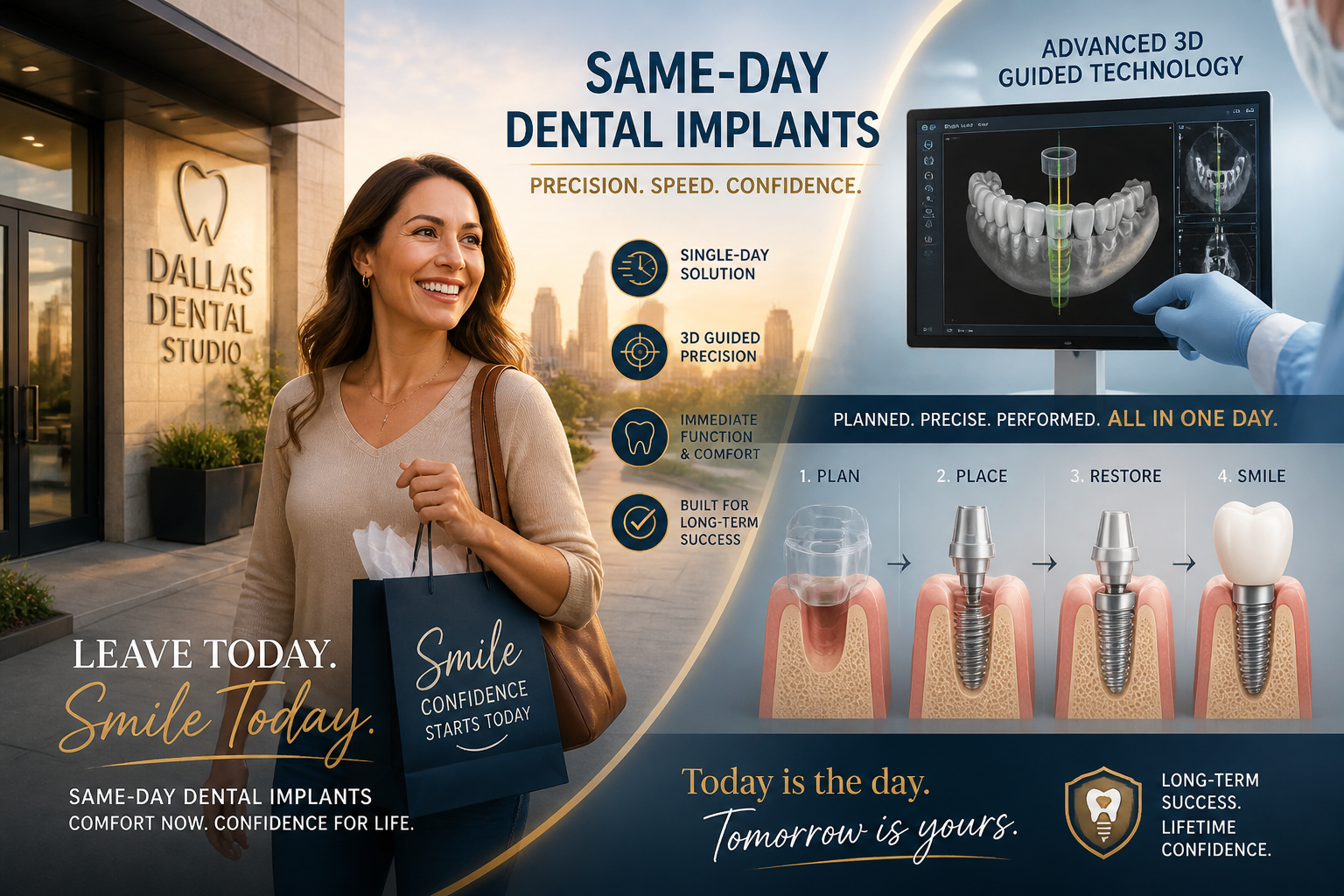
It’s important to understand that “same-day” refers to the placement of the temporary crown, not necessarily the complete healing of the implant. The osseointegration process still needs to occur. Therefore, recovery for same-day implants has some unique considerations:
- Pain Levels: Initial pain levels are similar to traditional implants, manageable with medication. The key difference is the immediate aesthetic and functional improvement.
- Diet Restrictions: Even with a temporary crown, a soft diet is absolutely critical for the first several weeks. The implant still needs to fuse with the bone, and chewing hard foods can disrupt this delicate process, potentially leading to implant failure.
- Care of Temporary Crown: Be gentle with your temporary crown. While functional, it is not designed for heavy chewing. Your dentist will provide specific instructions.
- Oral Hygiene: Maintain meticulous oral hygiene around the temporary crown and implant site to prevent infection.
- Follow-Up Appointments: Regular follow-up visits are essential to monitor the healing and integration of the implant, and eventually, to replace the temporary crown with a permanent one.
- Patience is Key: Despite the “same-day” convenience, the biological healing process cannot be rushed. Adhering to all post-operative instructions is vital for long-term success.
For those interested in the financial aspects of this expedited process, our article on Same Day Dental Implants Dallas Cost 2026: Is the Convenience Worth the Price for Immediate Results? provides valuable insights.
When to Contact Your Dentist
While some discomfort and swelling are normal, certain symptoms warrant immediate attention from your dentist. Contact your Dallas dental professional if you experience:
- Severe or worsening pain that isn’t managed by medication.
- Excessive or prolonged bleeding that doesn’t stop.
- Persistent fever.
- Pus or signs of infection around the implant site.
- Numbness that persists beyond the expected duration of local anesthetic.
- Any unexpected or unusual reactions.
A consultation with a dentist is the best way to address any concerns during your recovery. They are your primary resource for ensuring a healthy and successful outcome.
Conclusion
Embarking on the journey of receiving dental implants in Dallas is a significant step towards improved oral health and a confident smile. While the prospect of surgery might bring concerns about recovery and pain, understanding the typical dental implant recovery timeline and pain levels can greatly alleviate worries. From the initial days of managing moderate discomfort to the months of quiet osseointegration, a well-informed patient, coupled with expert guidance from their Dallas dental team, can expect a smooth and successful healing process. Remember, clear communication with your dentist and diligent adherence to post-operative care instructions are paramount for achieving the best possible outcome for your long-term oral health.